
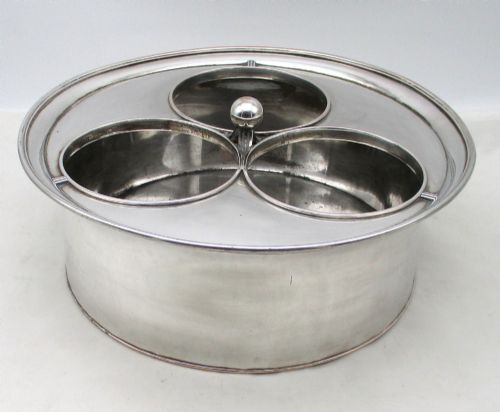
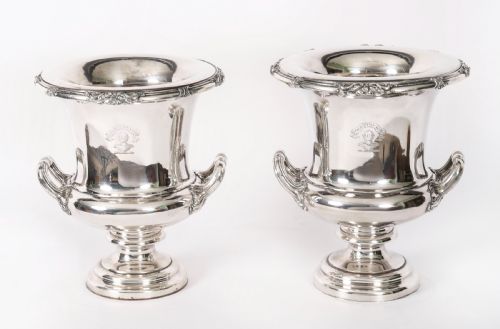


Georgian Silver Wine Cooler
A georgian silver wine cooler brings grand proportion and gleaming silver or Old Sheffield plate to the table, exactly what a dining room needs.
Identifying georgian silver wine cooler pieces
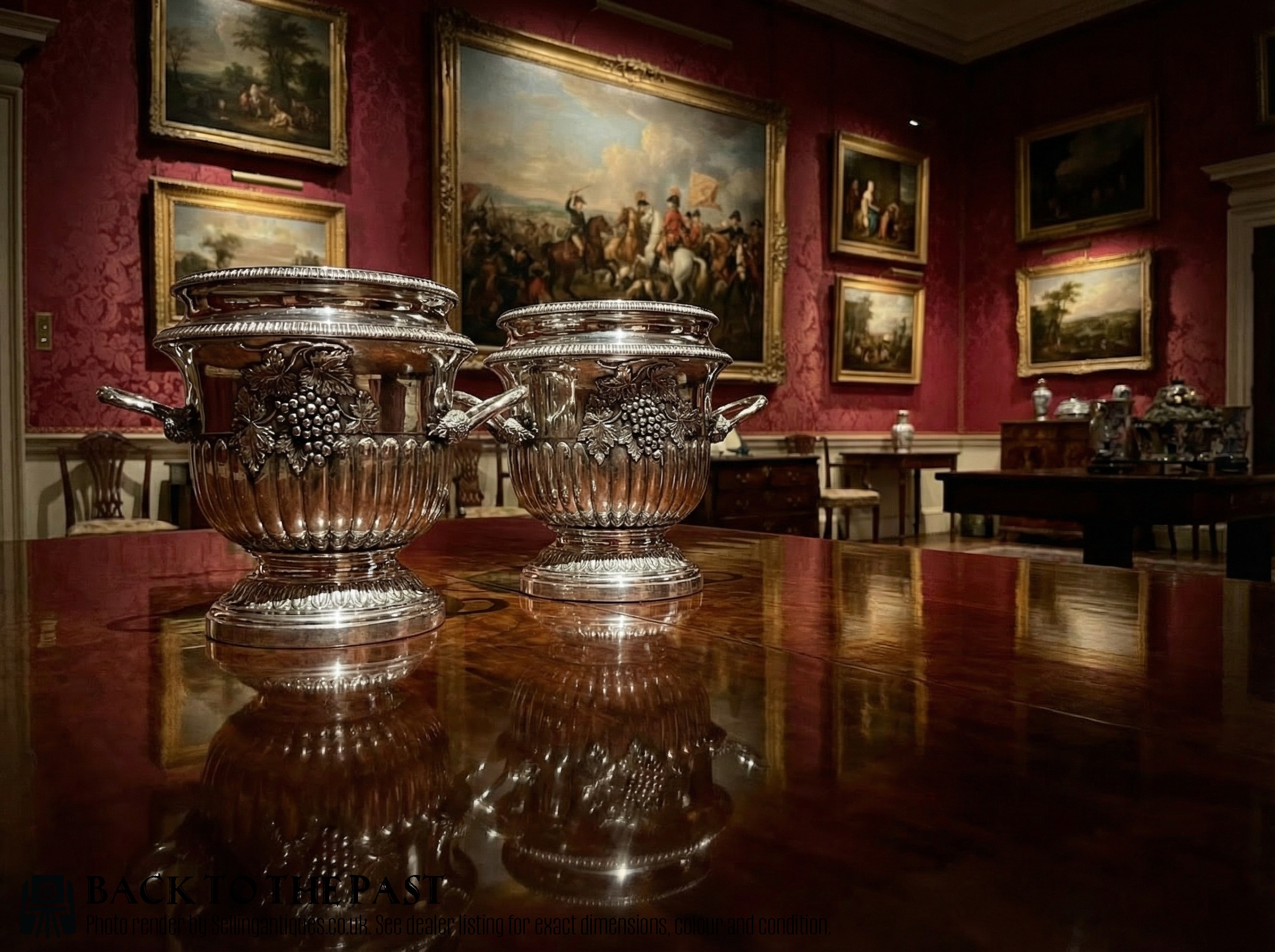
A georgian silver wine cooler is a substantial vessel designed for chilling wine at the table during formal meals. The examples found here span the nineteenth century, including the Regency and William IV periods, alongside pieces dated around eighteen hundred.
Most items appearing on this page take the form of the campana design or standard wine cooler shapes, often offered as pairs. Makers working in solid silver or Old Sheffield plate created these forms to serve wealthy households during dining rituals.
The archive shows that solid silver iterations emerged from London and Dublin workshops, while current listings feature significant numbers of Old Sheffield plate and copper pieces. Buyers seeking either solid metal or plated alternatives will find both represented across these dates.
Materials and construction methods
Silversmiths and plated-ware manufacturers utilised silver, silver plate, Old Sheffield plate, and copper to construct these vessels. Old Sheffield plate involved fusing a thin sheet of silver to a thicker copper base, a technique that produced durable items with the appearance of solid silver.
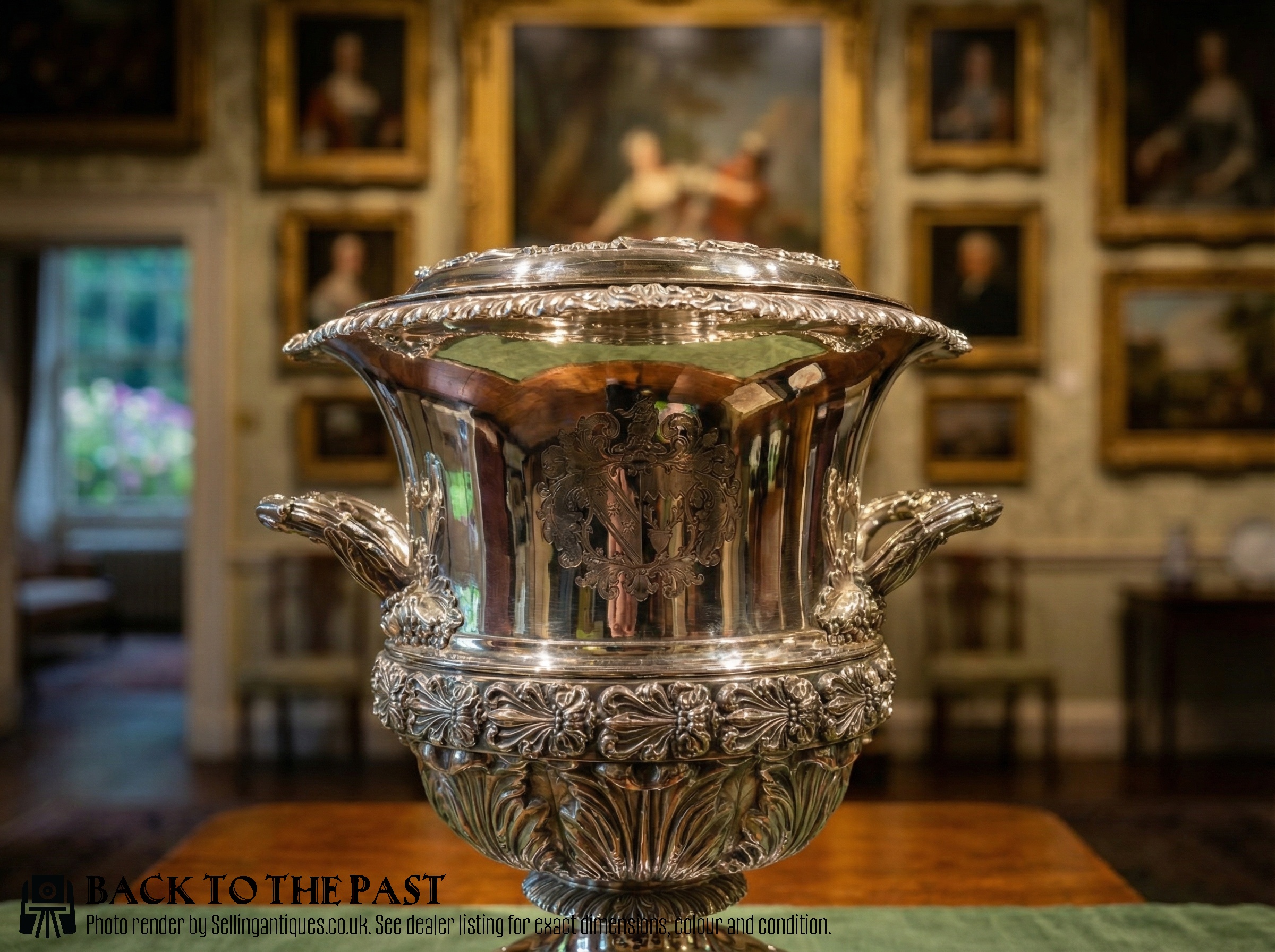
Makers applied decorative elements such as floral chasing, grapevine details, and figural designs onto the bodies of the coolers. Handles were cast separately and soldered or riveted to the main body, ensuring the vessels could hold heavy ice and liquid loads.
Retail Price Guide 2026
Typical UK retail prices for georgian silver wine cooler, calculated from the Sellingantiques database of over a million retail prices indexed since 2003. This retail price guide relies exclusively on Sellingantiques data; no external sources or auction records are used, so the figures do not describe the wider market.
Materials recorded across these entries include solid silver, silver plate, Old Sheffield plate, and copper.
Judging quality and craftsmanship
Quality in a georgian silver wine cooler rests upon the crispness of the chased decoration and the integrity of the base metal. Pieces featuring deep floral chasing or complex figural motifs demand higher skill than plain surfaces.
The preservation of the silver layer on Old Sheffield plate specimens dictates the distinction between standard examples and the finest works. Workshops such as those of Matthew Boulton and Paul Storr achieved superior definition in casting and hammering.

Matthew Boulton Co·Paul Storr London·Barnards·J W Story W Elliott
The Georgian Silver Wine Cooler Glossary
- Campana
- An inverted bell-shaped vessel form common in classical design. This profile appears frequently among Regency wine coolers.
- Old Sheffield plate
- A composite material made by fusing silver to copper. This technique preceded modern electroplating and creates a warm surface tone.
- Chasing
- A metalworking technique where the artisan hammers details from the front to create raised decorative patterns. Floral and figural scenes rely on this method.
- Regency
- A British design period spanning the early nineteenth century. Pieces from this era often display classical revival motifs.
Frequently Asked Questions
What is a georgian silver wine cooler?
A georgian silver wine cooler is a large vessel used to keep wine bottles cold during meals in the eighteenth and nineteenth centuries. These items were essential for elite dining.
They appear in solid silver or Old Sheffield plate, often featuring classical shapes like the campana urn and decorated with handles and chased motifs.
Were these coolers made in pairs?
Many listings show pairs of wine coolers designed to sit symmetrically at opposite ends of a large dining table. Symmetrical dining arrangements were a hallmark of formal Georgian entertaining.
Single coolers also appear in the record, often larger pieces meant to stand on sideboards or the floor.
How do I care for Old Sheffield plate?
Old Sheffield plate requires gentle cleaning with non-abrasive silver polishes to protect the thin silver layer over the copper base. Aggressive scrubbing can wear through the plating.
Regular dusting and careful handling keep the fused metal bright without harming the underlying structure.
What is the difference between silver plate and solid silver?
Solid silver pieces are made entirely of precious metal and bear hallmarks indicating the maker, town, and date of assay. These items represent the highest tier of production.
Silver plate and Old Sheffield plate use a base metal like copper coated with silver, offering the visual appeal of solid silver at a different cost of production.