


Silver Dining Centerpieces
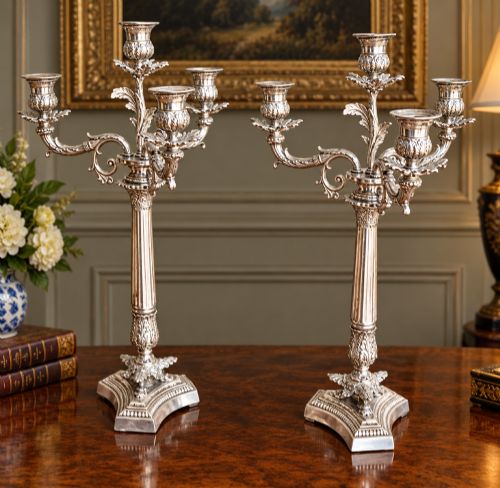
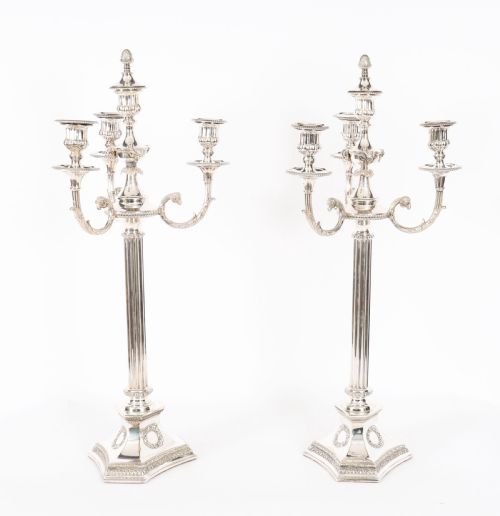
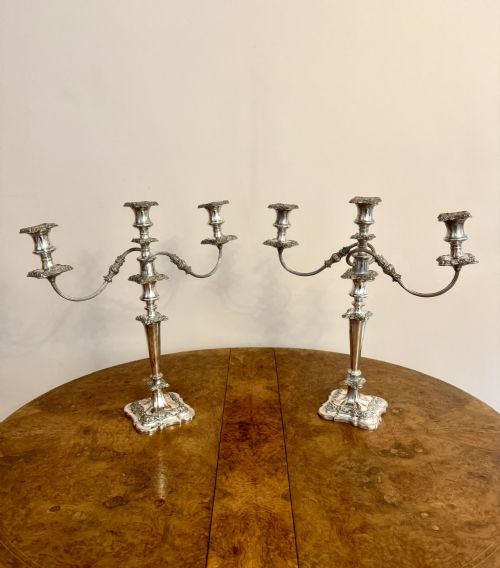
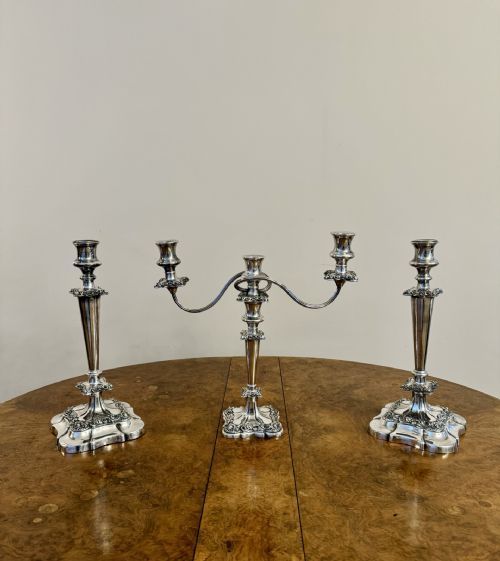
Silver dining centerpieces bring architectural scale and gathered brilliance to a dining table, spanning ornate candelabras, cut glass bowls, and elaborate épergnes.
Silver Dining Centerpieces
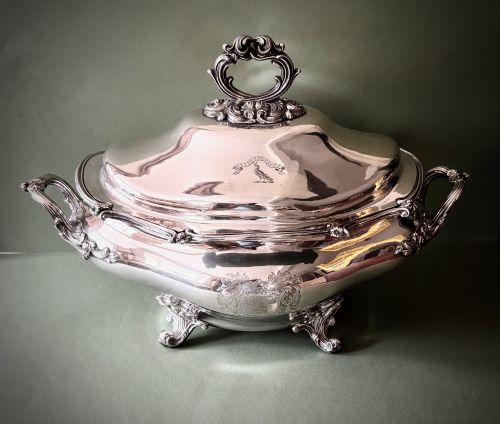
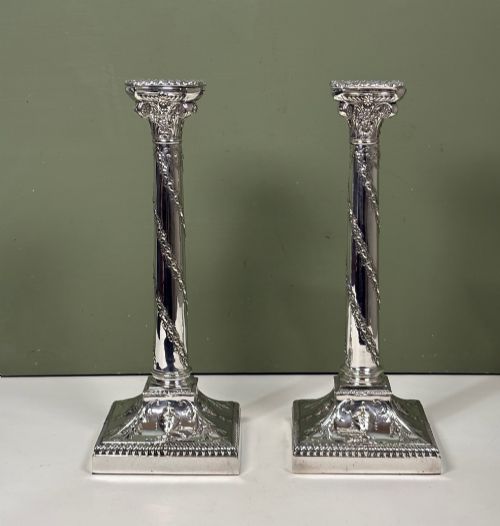
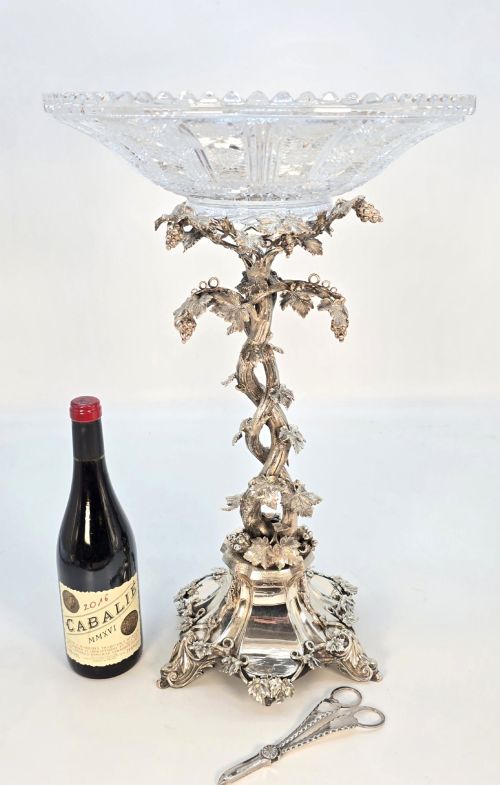
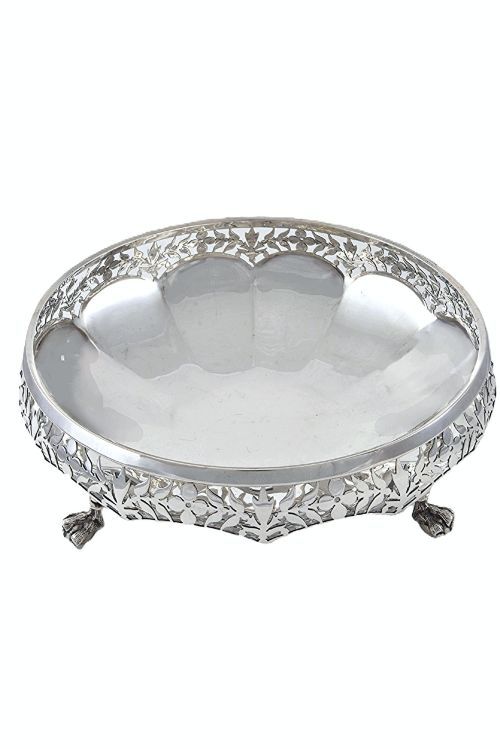
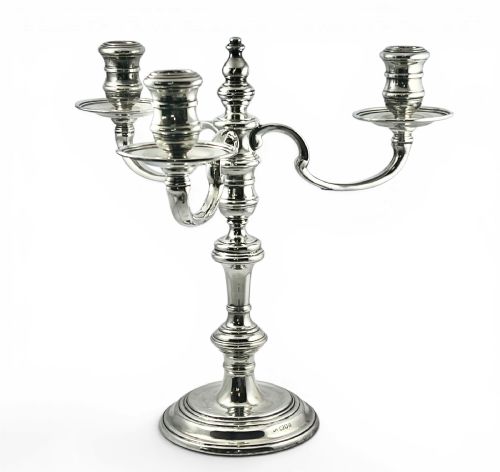
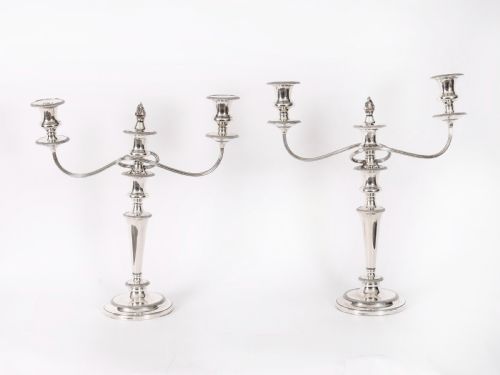
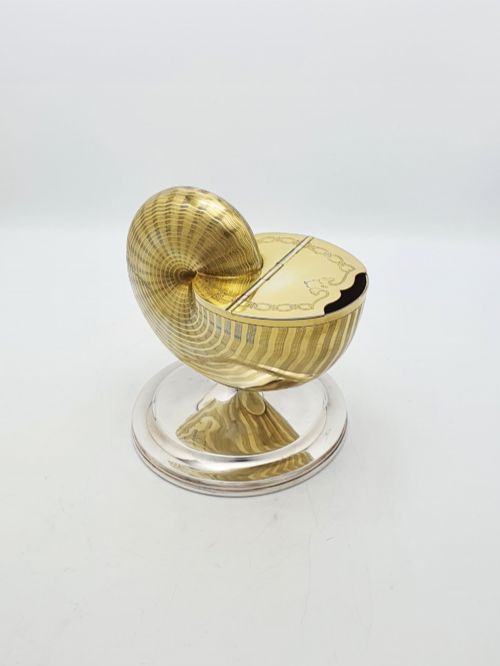
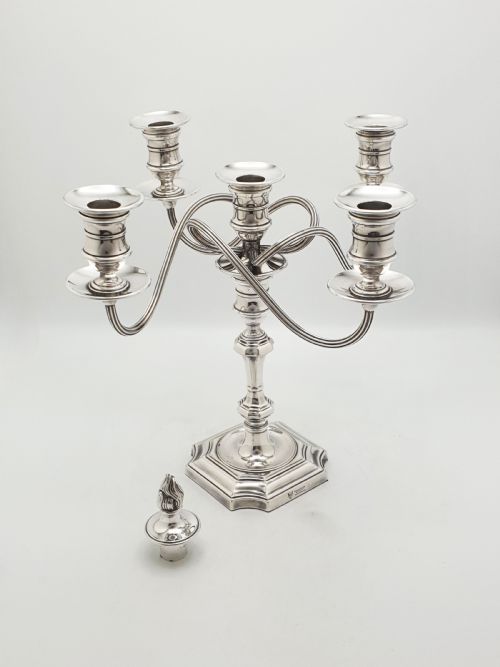
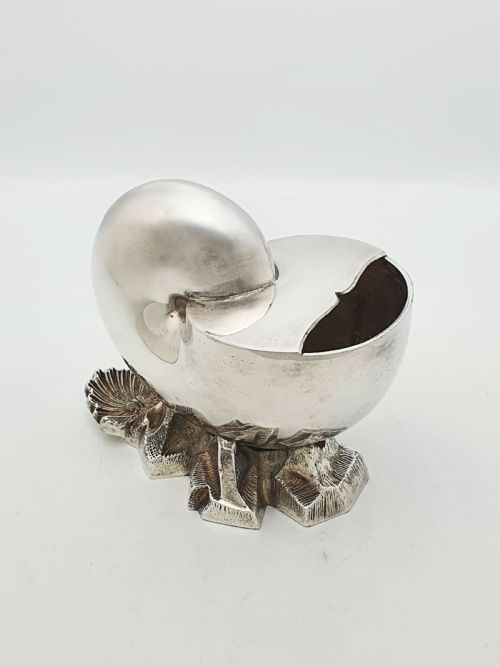
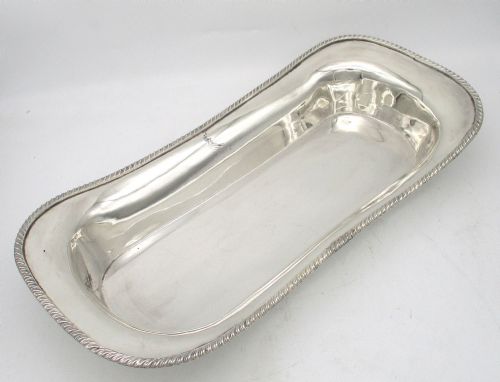
Silver dining centerpieces encompass heavy table service ornaments designed to anchor formal dining arrangements. The pieces found here range from substantial Victorian multi-branch candelabras and etched glass épergnes to solid silver fruit baskets and low table branches.
Victorian and Edwardian versions dominate the selection, bringing considerable weight and detailed casting to the dining room. Alongside these sit Georgian style reproductions and twentieth-century interpretations, showing how the form evolved across decades.
Makers focused their attention on creating focal points that combined illumination and display. Candlestick sets, cruet sets, and large centrepiece bowls form the core of what collectors encounter in this category.
Materials and construction methods
Silversmiths worked primarily in sterling silver and silver plate, often utilising electroplated nickel silver and old Sheffield plate for larger forms. Cut and etched glass components frequently combine with the metalwork, particularly in épergnes and centrepiece bowls where glass vessels sit within silver frames.
Casting and piercing techniques allowed artisans to produce intricate borders, detachable sconces, and structural stands. Silvered bronze and copper also appear, demonstrating the range of metals utilised by period workshops.
Listings feature items spanning the nineteenth century through to the mid-twentieth century, executed in silver plate, sterling silver, cut glass, and copper.
Distinguishing quality in silver table pieces
Quality rests in the crispness of the chased and cast ornamentation, where hands have defined foliage, scrollwork, and figural details without softening the edges. Weight and balance also dictate standard, as substantial gauge metal prevents wobble in tall multi-branch candelabras.
The integration of materials reveals craftsmanship, particularly in how securely glass bowls fit their metal mounts and how cleanly silver plating adheres to base metals over decades of polishing.
Garrard & Co·Walker & Hall·William Hutton & Sons·Martin Hall·Barker Ellis
The Silver Dining Centerpieces Glossary
- Candelabra
- A branched candlestick holding multiple lights. These fixtures formed the centrepiece of dining room illumination before electric lighting took over.
- Épergne
- An ornamental centrepiece featuring a central bowl surrounded by smaller hanging baskets or arms. Makers used them for fruit, sweets, or floral displays.
- Sheffield Plate
- An early method of fusing a thin sheet of silver to a copper core. Pieces made this way show characteristic copper bleed along edges where the silver wore thin.
- Sconce
- The detachable cup at the top of a candlestick that catches dripping wax. On better pieces, these fit snugly and match the registry numbers of the main body.
- Cruet Set
- A matched collection of glass bottles for condiments mounted in a silver or plated frame. They sat at the centre of the table for easy access during meals.
Silver Dining Centerpieces: Frequently Asked Questions
How were silver centerpieces used during Victorian dinners?
Hosts placed these large objects directly in the middle of the dining table to create visual height and architectural interest during extended multi-course meals.
Elements like épergnes and baskets held fruit or sweetmeats, serving a functional purpose alongside their decorative role.
How do I care for silver plated dining pieces?
Regular dusting with a soft cloth prevents tarnish build-up, and occasional cleaning with a specialist silver polish maintains the reflective surface without removing the plating.
Harsh abrasive dips should be avoided, particularly on antique silver plate and Old Sheffield Plate, to protect the underlying base metal.
How can I tell Victorian pieces from later reproductions?
Victorian items show heavier gauge metals, hand-finished chasing work, and specific hallmarks or maker marks associated with nineteenth-century firms.
Later Georgian style reproductions often use modern machinery marks, lighter construction, or stamps that indicate twentieth-century production dates.