

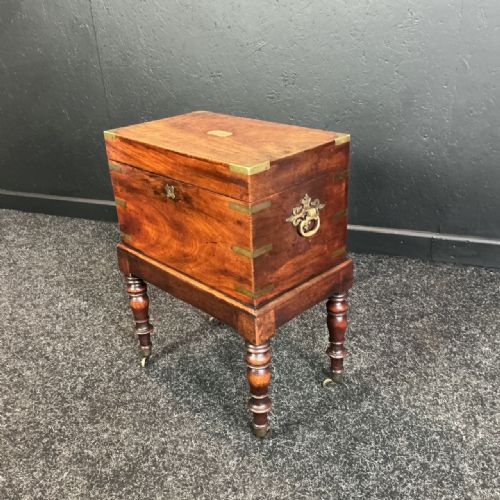


Antique Drinks Chest
When you search for an antique drinks chest, you are looking at centuries of ingenious vessels designed to safeguard and pour fine liquor.
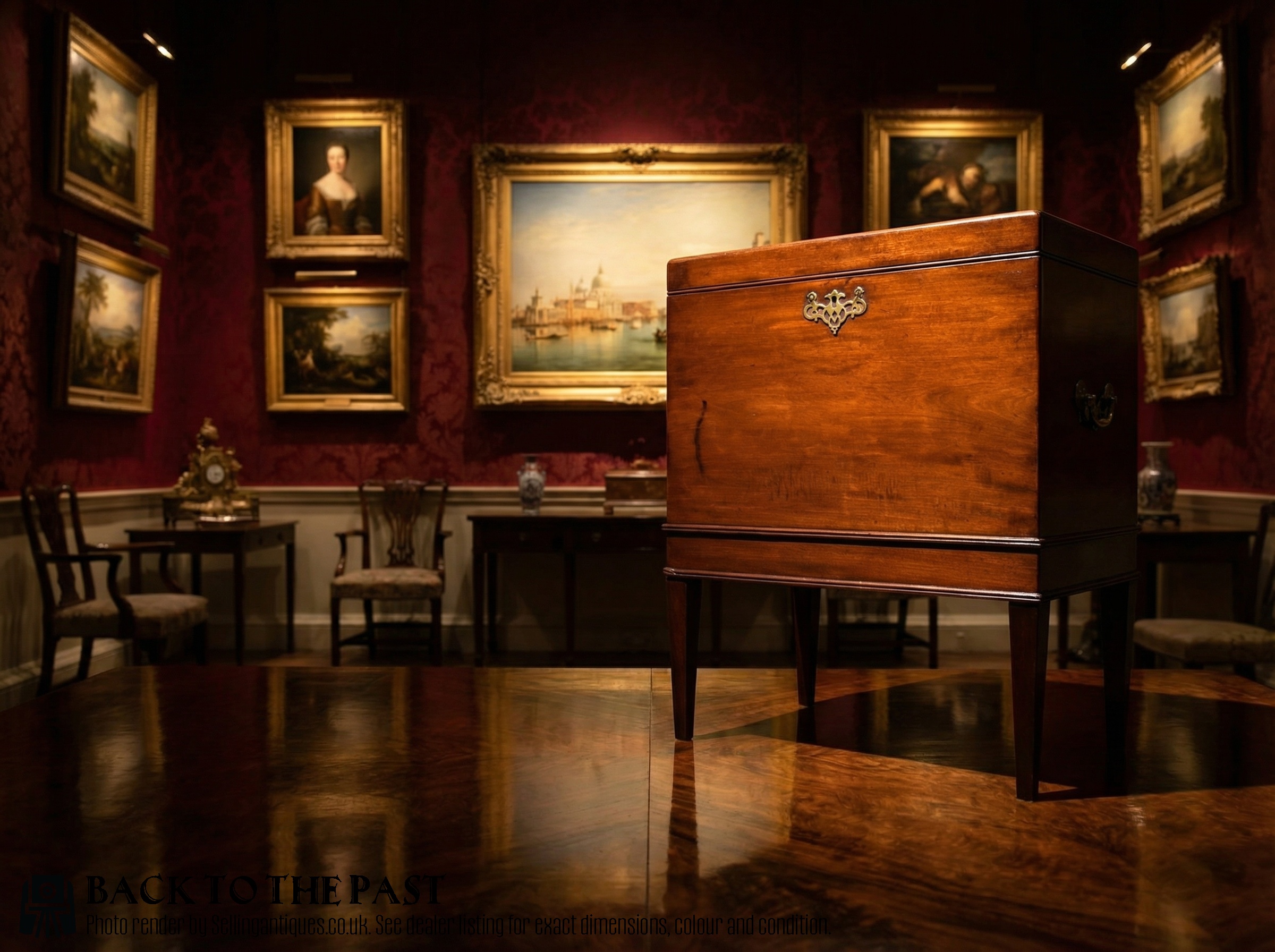
Antique Drinks Chest
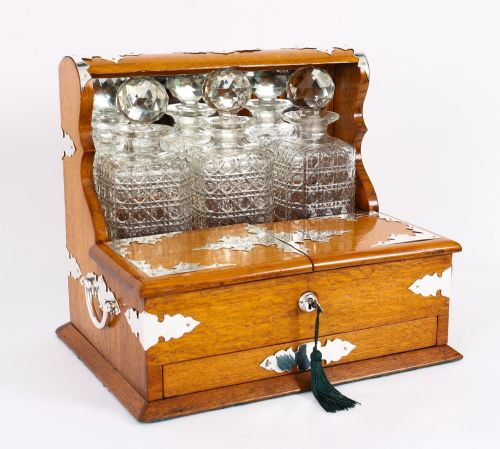
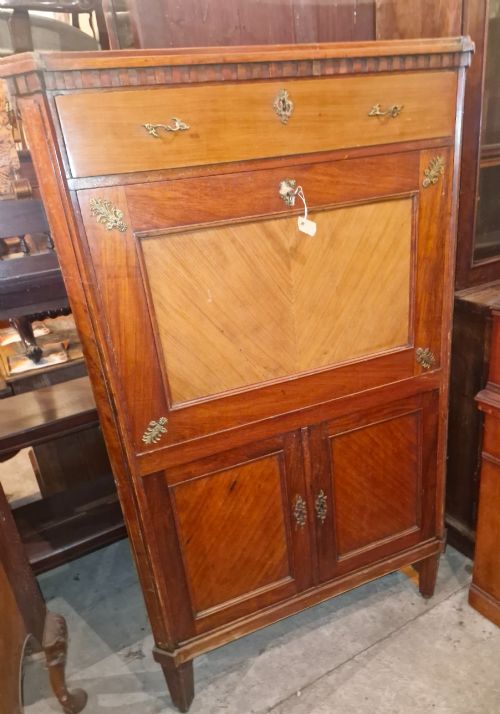
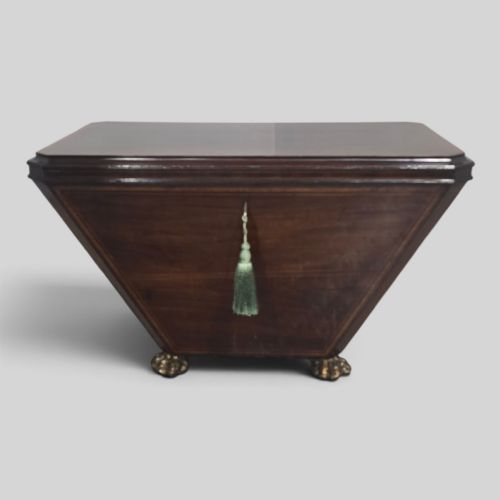
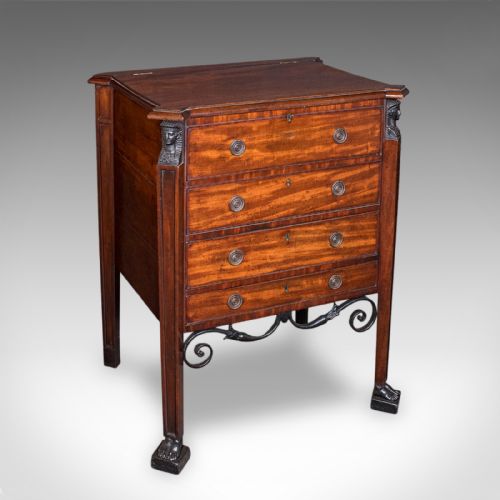
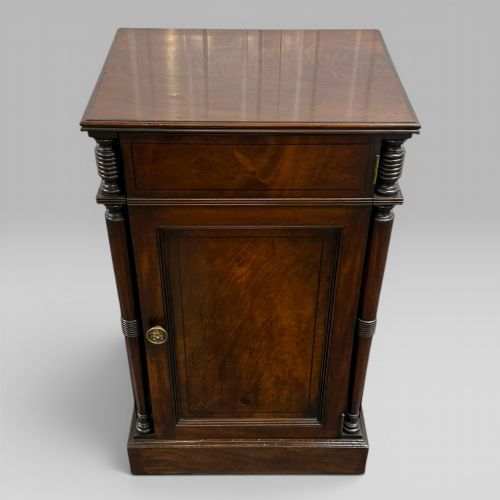
An antique drinks chest encompasses a diverse range of forms, from eighteenth-century mahogany cellarettes and wine coolers to twentieth-century cocktail cabinets and tantalus sets. You will most frequently encounter nineteenth-century mahogany cellarettes and Edwardian or Art Deco walnut cocktail chests on this page.
These pieces originated to store bottles securely, chill wine, or lock away precious spirits from domestic staff. Over time, the form evolved from heavy Georgian timber boxes to elaborate standing cabinets equipped for modern entertaining.
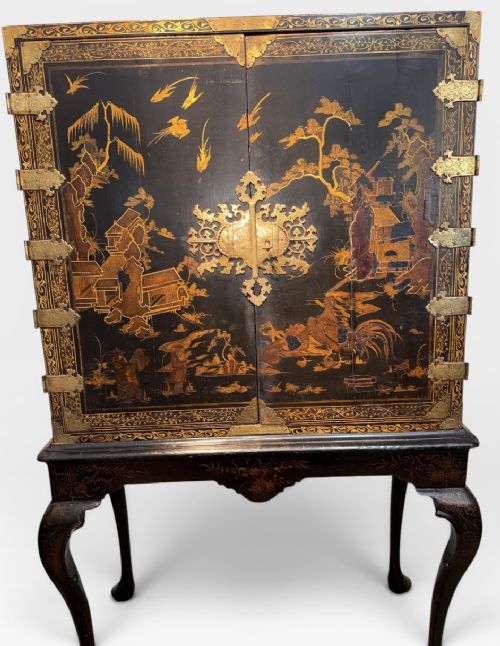
The materials span dense hardwoods such as mahogany and oak, decorated with burr walnut, satinwood, and ormolu mounts. Interiors often contain fitted glass decanters, mirrored backings, and compartments for games compendiums.
Materials and Construction
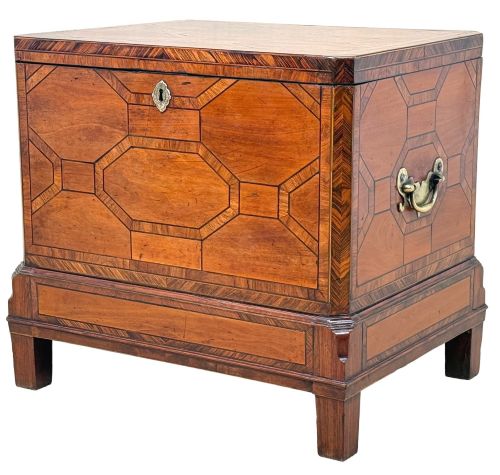
Cabinetmakers relied heavily on solid mahogany, oak, and walnut, often applying decorative veneers like burr walnut and satinwood to the exterior surfaces. Brass banding, handles, and lock plates reinforced the structural corners and protected the timber.
Joinery techniques ranged from traditional dovetailing in the construction of cellar boxes to sophisticated cabinetwork for standing cocktail units. Interior fittings frequently involved mirrored glass, specialised cut crystal decanters, and velvet linings designed to cushion fragile glassware.
Antique Drinks Chest Retail Price Guide 2026
Typical asking prices for drinks chest among the pieces listed under this phrase on Sellingantiques today, from the lower quarter to the upper quarter. They describe what is for sale here now, not the wider market.
Several pieces combine the temptation of fine whiskey with the challenge of a games compendium, ensuring guests play fairly before pouring.
Judging Quality and Execution
The division between ordinary and exceptional pieces lies in the selection of timber figures, such as highly figured mahogany or rich burr walnut, and the precision of the cabinetwork. Superior examples retain original brassware, working locks, and complete sets of matched cut crystal decanters.
Design ambition also separates standard items from the best work, with finer examples featuring serpentine shapes, marquetry stringing, or specialised mechanisms like metamorphic actions and secure tantalus locking bars. The integrity of the original finish and a rich patina signal superior survival through the centuries.
Edwards and Roberts·Gillows·Incorporall·Epstein
The Antique Drinks Chest Glossary
- Cellarette
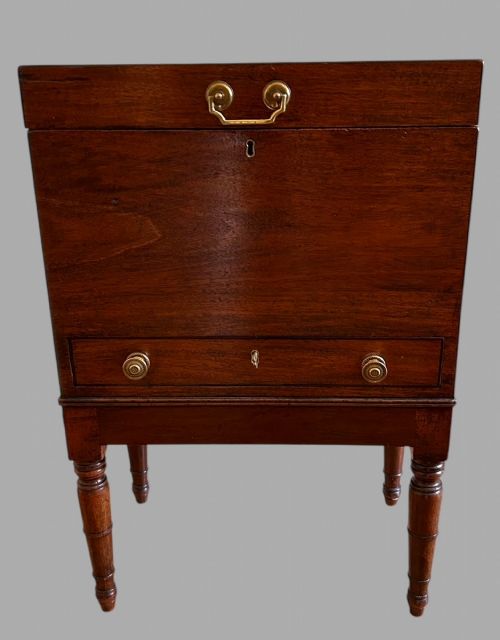
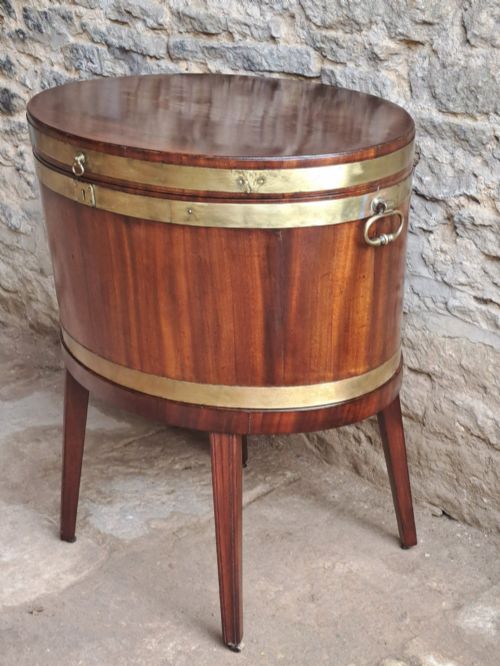
- A lockable container used to hold bottles of wine or spirits near the dining table. They frequently appeared as oval, octagonal, or sarcophagus-shaped boxes on legs.
- Tantalus
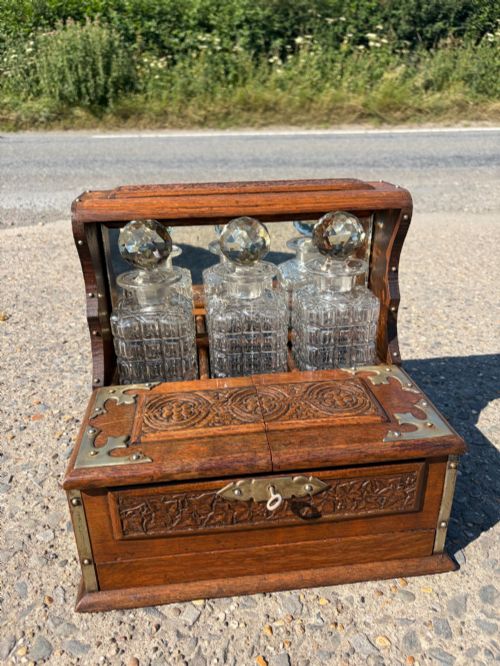
- A locking beverage stand that holds decanters securely in a wooden frame so they cannot be removed without a key. The ingenious metal bar design keeps guests from helping themselves.
- Liquor Cave
- A portable fitted case, often French in origin, containing a set of liqueur glasses and decanters. These boxes relied on fine marquetry and velvet interiors.
- Compendium
- A multi-functional box containing games equipment alongside spirit decanters and glassware. They demonstrate Victorian and Edwardian versatility for entertaining.
- Ormolu
- Gilded bronze applied as decorative mounts and feet on high-status furniture. It added bright metallic contrast to dark woods like mahogany.
Antique Drinks Chest: Frequently Asked Questions
What is a tantalus?
A tantalus is a locking wooden frame that holds decanters securely behind a metal bar to prevent unauthorized access to the spirits inside. A key releases the mechanism, allowing the bottles to be lifted.
First appearing in the Victorian era, these clever devices earned their name from the mythological figure Tantalus because the drinks remained visibly in reach yet impossible to sample without the key.
How were cellarettes used?
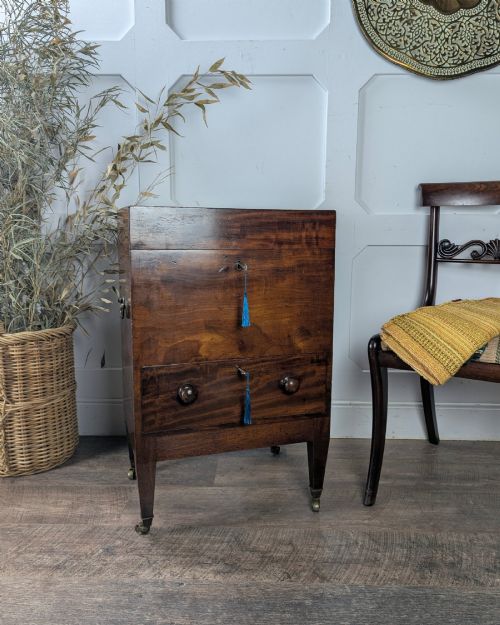
Cellarettes served as secure storage for wine and spirits in the dining room when sideboards lacked sufficient space. Servants kept bottles chilled inside lined compartments until needed for the meal.
Many Georgian and Victorian examples featured lead linings for ice and water, allowing them to function as portable wine coolers before the invention of modern refrigeration.
How do I date an antique drinks chest?
Dating relies on examining the primary timber, construction methods, hardware, and prevailing decorative style. Georgian pieces favour solid mahogany and brass banding, while Edwardian and Art Deco versions introduce walnut veneers and specialised internal mechanics.
Secondary woods, lock types, and the presence of original maker stamps or labels also help narrow the decade of manufacture. Comparing the joinery against known stylistic periods provides the surest guide.
Where should I place a cocktail cabinet?
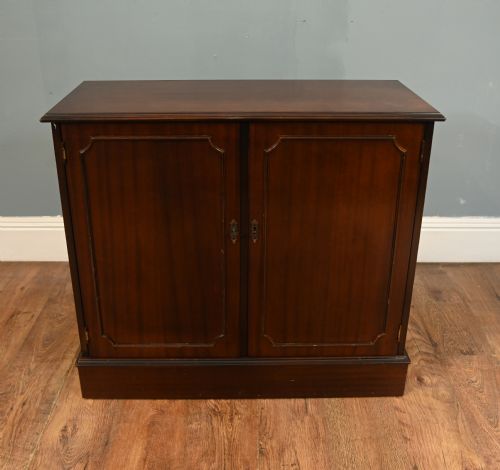
Cocktail cabinets and standing drinks chests suit principal reception rooms, dining spaces, or home bars where entertaining takes place. Their finished backs and decorative exteriors allow them to stand independently against a wall.
Ensure the piece sits away from direct heat sources and strong sunlight to protect delicate veneers and original finishes from drying out or fading over time.