
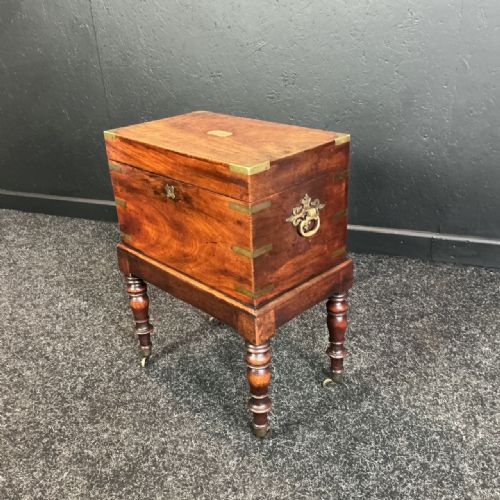
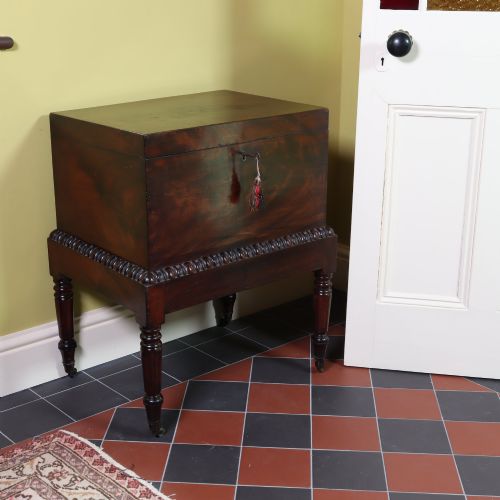


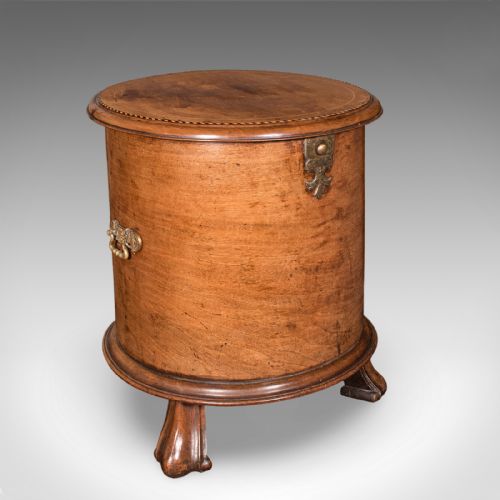
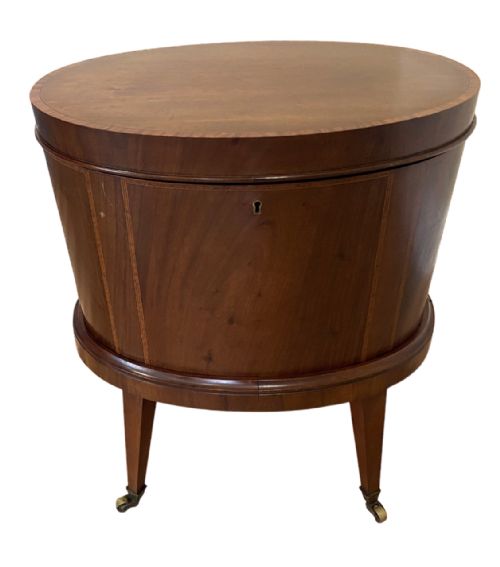

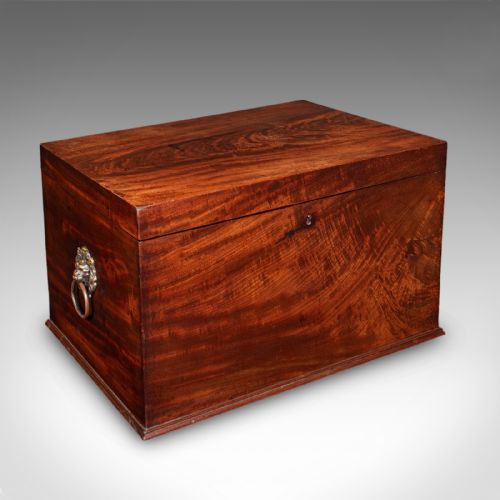
Georgian Liquor Cabinet
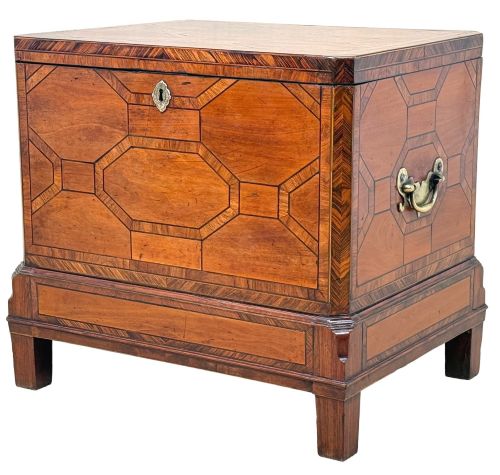
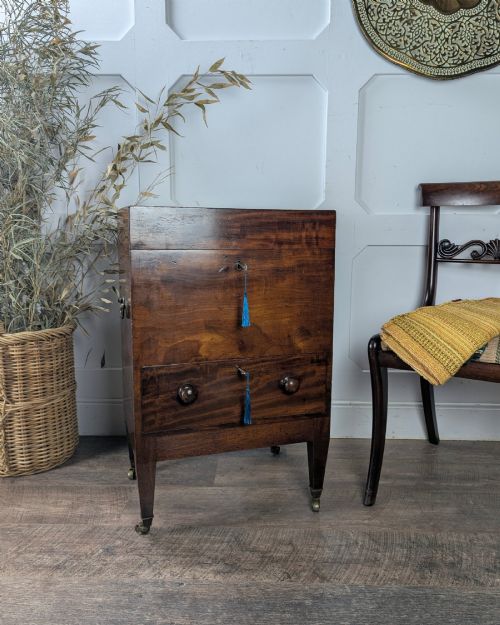
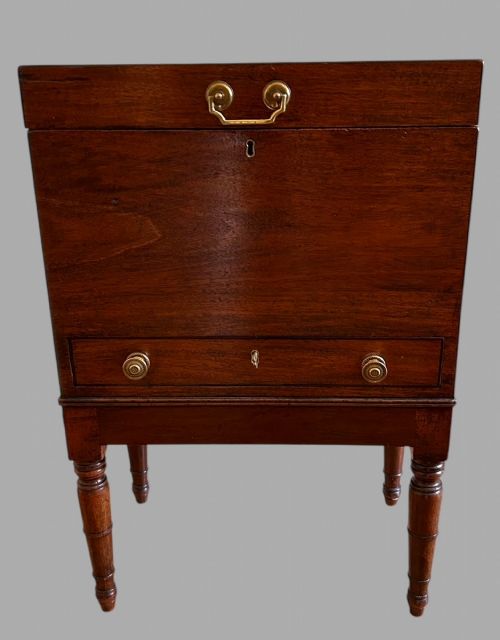
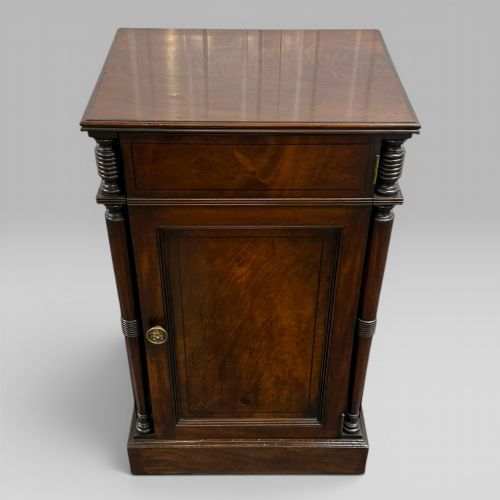
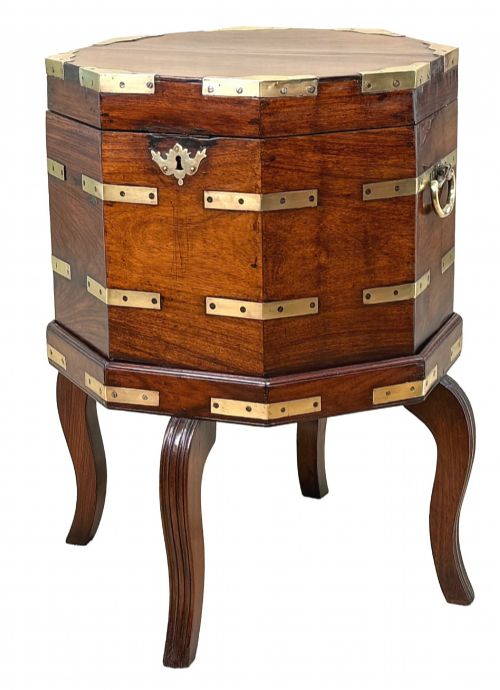
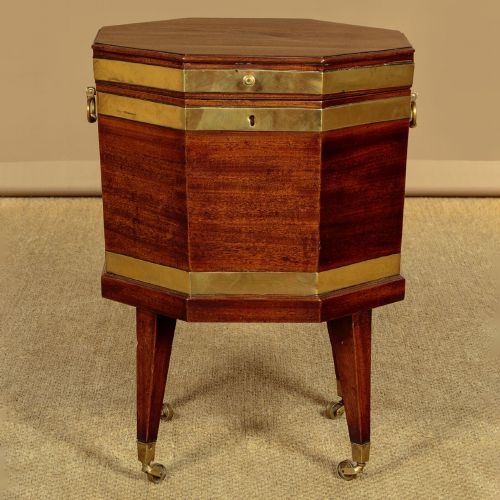
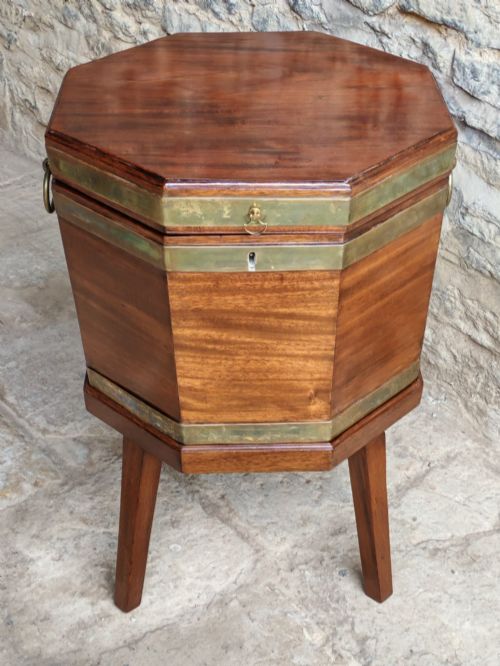
These Georgian liquor cabinet examples are cellarettes and wine coolers designed to hold bottles securely in dining rooms during the Georgian and Regency periods.
What They Are
A georgian liquor cabinet on this page typically takes the form of a cellarette or wine cooler intended for domestic entertaining. These pieces date primarily from the Georgian era, around eighteen hundred, and into the nineteenth century under the Regency style.
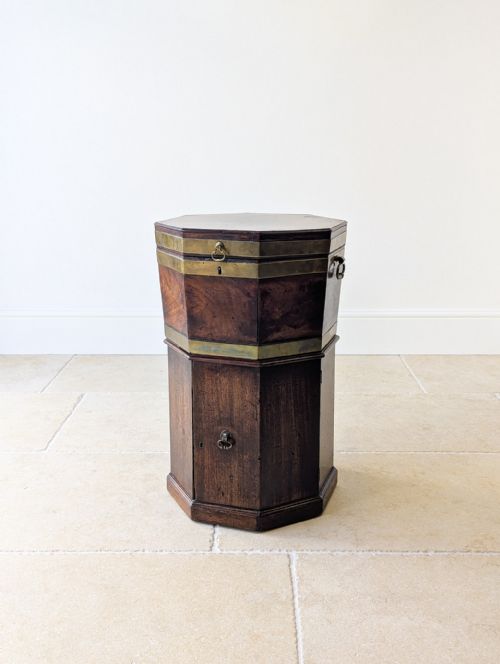
The dominant forms seen among these listings are octagonal cellarettes and fitted spirits cellarettes. They range from simple timber constructions to sophisticated inlaid designs intended to sit beneath sideboard tables or in dining room corners.
How They Were Made
Cabinet makers utilised choice hardwoods such as mahogany, pollard oak, and burr elm to construct the bodies of these pieces. Timber selection prioritised rich grain figures, sometimes enhanced with decorative satinwood inlay.
Structural reinforcement and decorative contrast frequently came from brass bands, mounts, and fittings applied to the exterior of the timber bodies.
Retail Price Guide 2026
Typical UK retail prices for georgian liquor cabinet, calculated from the Sellingantiques database of over a million retail prices indexed since 2003. This retail price guide relies exclusively on Sellingantiques data; no external sources or auction records are used, so the figures do not describe the wider market.
The listings span the Georgian and Regency periods, utilising mahogany, pollard oak, burr elm, and brass.
What Varies in Quality
The distinction between standard examples and superior pieces rests on the choice of timber and the complexity of the cabinet work. Highly figured burr elm or pollard oak elevate a piece above plain mahogany timber.
Quality also appears in the refinement of details such as satinwood inlay work and the integration of substantial brass binding rather than simpler utilitarian fixtures.
The Georgian Liquor Cabinet Glossary
- Cellarette
- A lockable container or cabinet designed for holding bottles of wine and spirits in the dining room. They frequently feature internal divisions to keep bottles separated.
- Wine Cooler
- A vessel or cabinet originally lined to hold ice and water for chilling wine bottles during meals. Many share forms with cellarettes from the same period.
- Regency
- An English design style spanning the early nineteenth century characterised by classical restraint and rich cabinet timbers. Pieces from this period often incorporate bold grain patterns like burr elm.
- Satinwood Inlay
- A decorative technique where contrasting light satinwood is inserted into the primary timber surface to form geometric or linear patterns. This adds visual depth to the cabinet exterior.
Frequently Asked Questions
What is a georgian liquor cabinet?
A georgian liquor cabinet is a period cellarette or wine cooler used to store and protect bottles in the dining room.
These pieces reflect the social dining habits of the eighteenth and early nineteenth centuries.
How were cellarettes used?
They sat in the dining room to keep wine and spirits close at hand during meals without requiring constant trips to the cellar.
Internal compartments kept individual bottles secure and organised.
How do I spot Regency style?
Regency pieces often utilise distinctive decorative woods such as pollard oak and burr elm.
The overall aesthetic draws on classical lines and heavier timber grains.
What materials are common?
Mahogany is the most frequent timber seen, accompanied by pollard oak and burr elm.
Brass banding and satinwood inlay provide functional and decorative contrast.