
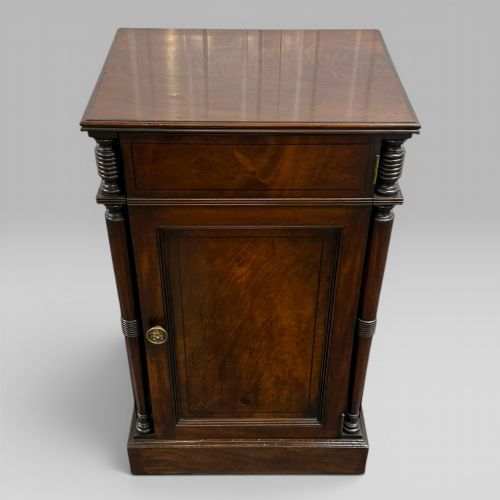
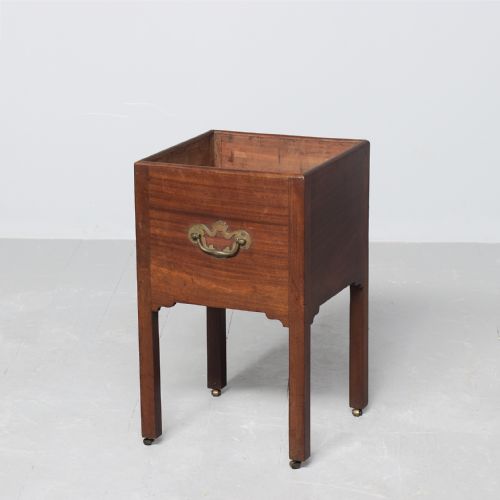
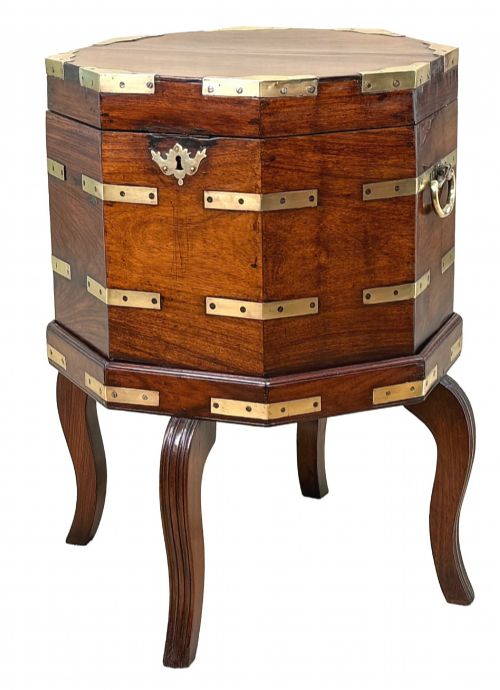

Georgian Mahogany Wine Cooler
A georgian mahogany wine cooler holds bottles safely at table, combining rich timber and metal banding for period elegance.
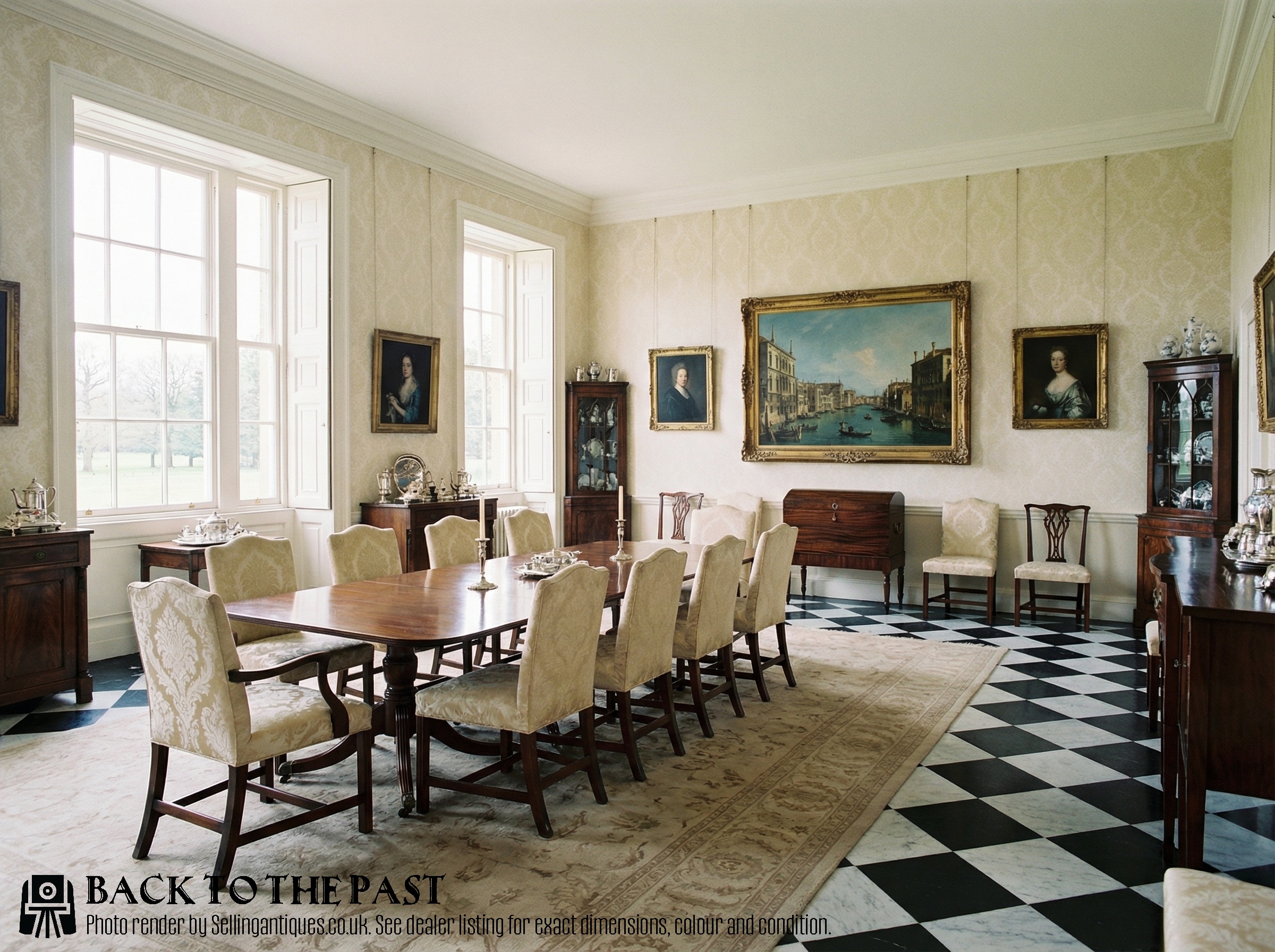
Georgian Mahogany Wine Cooler
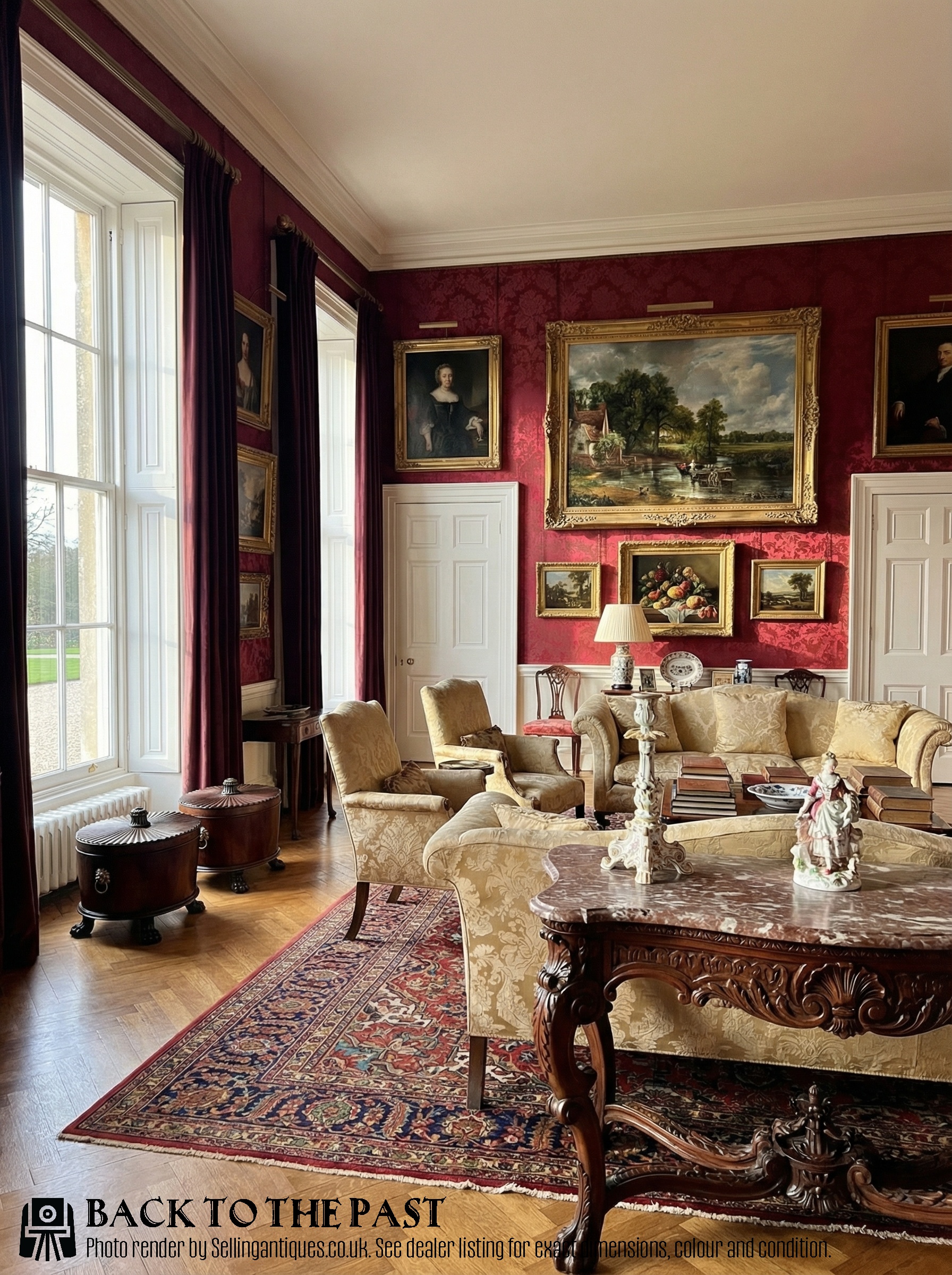
When searching for a georgian mahogany wine cooler, buyers encounter functional cellar furniture designed to chill bottles with ice or snow during elite dining.
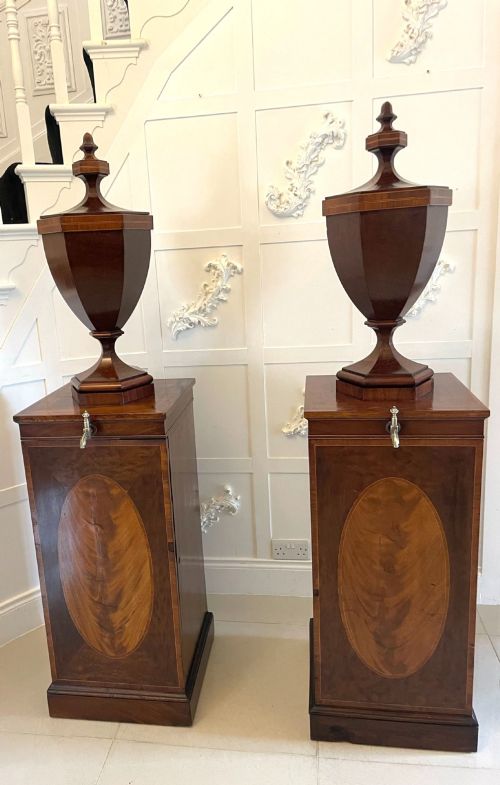
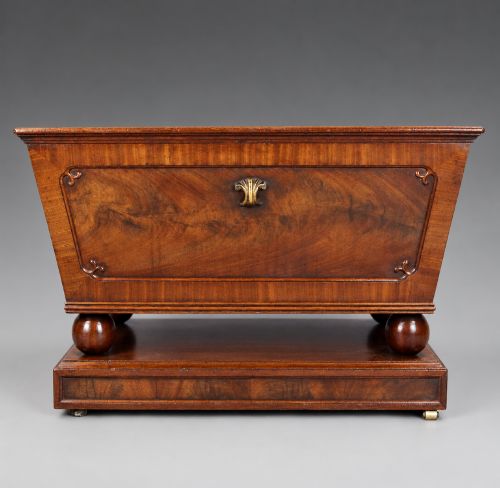
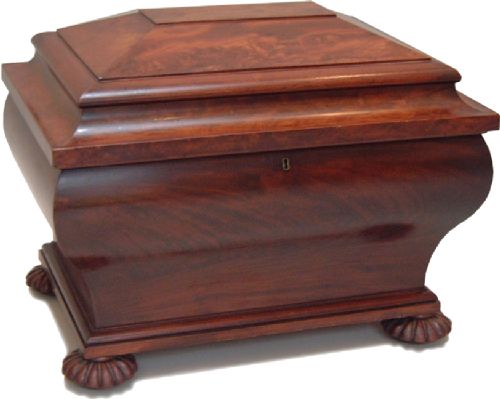
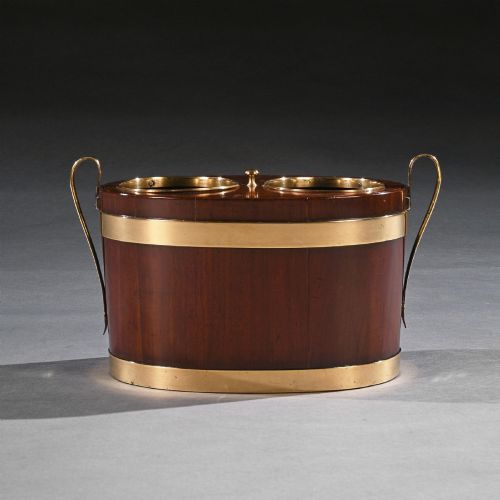
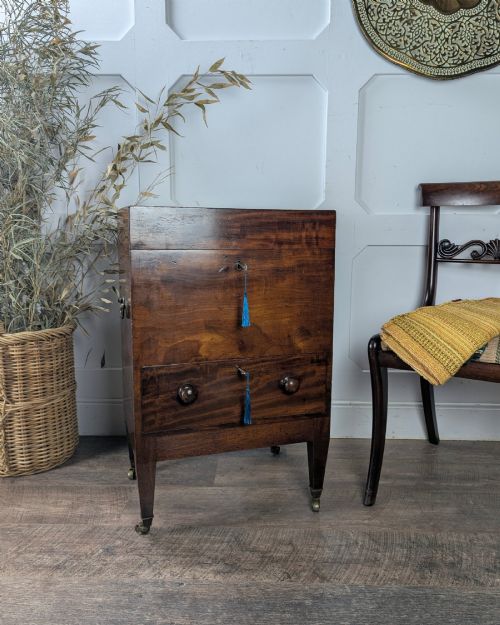
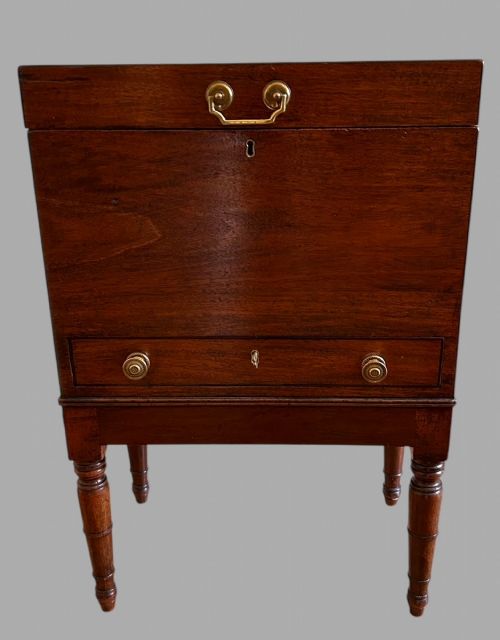
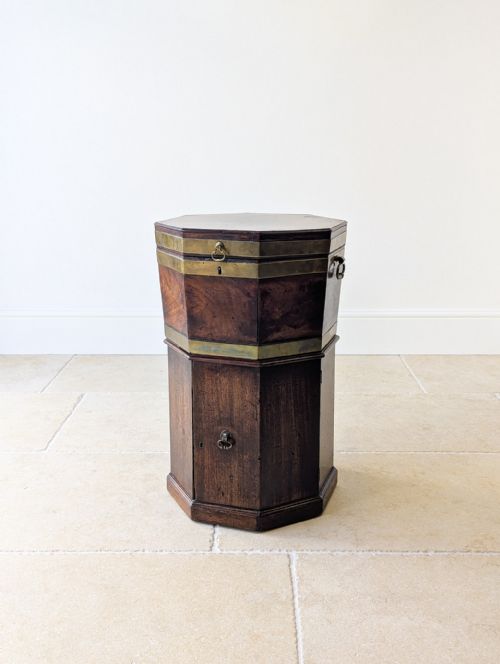
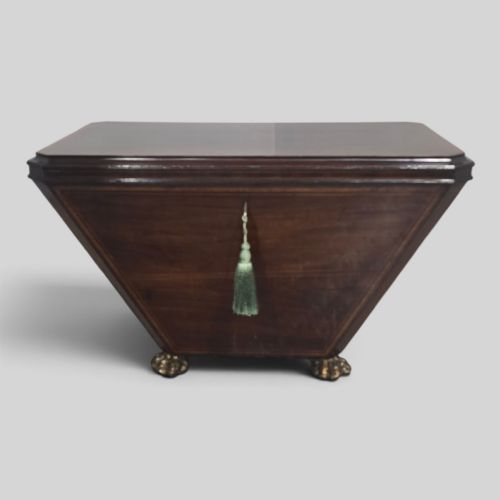
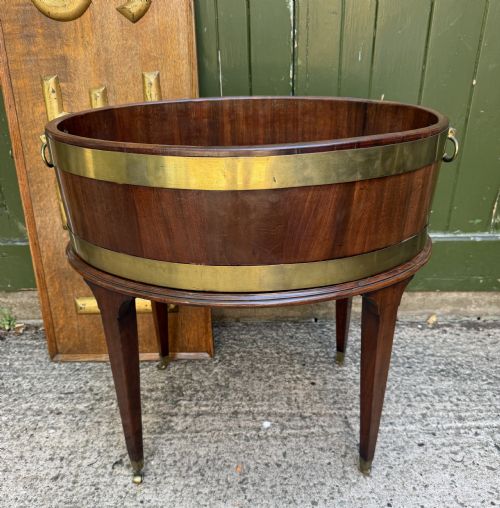
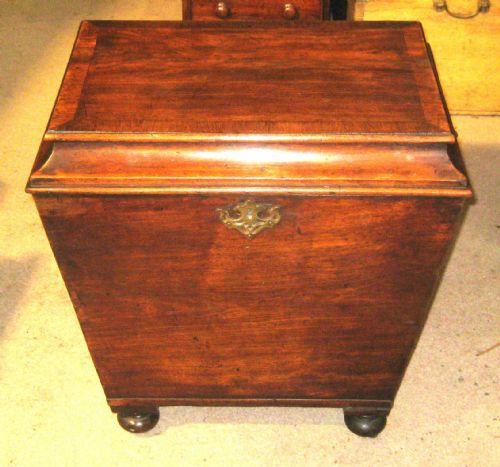
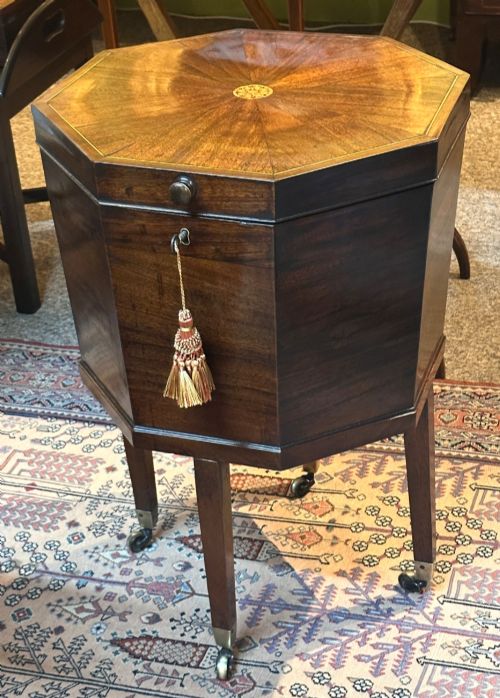
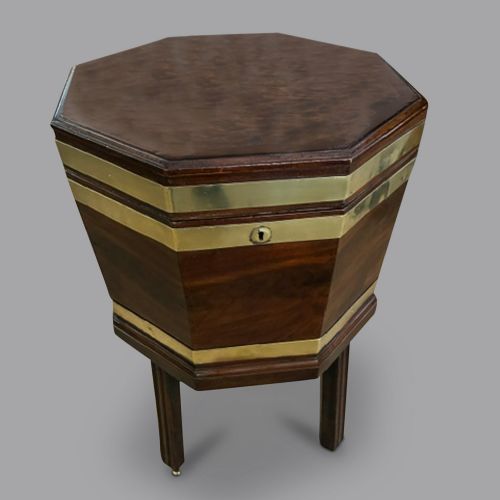
The most common forms on this page include octagonal or oval brass-bound buckets, sarcophagus-shaped boxes on feet, and urns set on pedestals.
Originating largely in the eighteenth and early nineteenth centuries during the Georgian and Regency periods, these vessels reflect the meticulous hospitality requirements of country houses.
Materials and Techniques
Cabinetmakers utilised dense solid timber and flame veneers, often selecting mahogany for its deep grain and resilience against damp environments.
Vessels frequently incorporated structural coopered staves or solid joinery secured by heavy brass bands and drop handles.
Many interiors retain original lead linings designed to hold melting ice without leaking onto dining room floors.
Georgian Mahogany Wine Cooler Retail Price Guide 2026
Typical asking prices for georgian mahogany wine cooler among the pieces listed under this phrase on Sellingantiques today, from the lower quarter to the upper quarter. They describe what is for sale here now, not the wider market.
Listings feature mahogany, satinwood, and padouk woods alongside brass mounts and boxwood inlay.
Evaluating Craftsmanship
Quality rests upon the crispness of boxwood and satinwood inlay, the integrity of the timber figure, and the weight of the brass mounts.
Superior examples retain their original internal lead compartments and matching stands rather than relying on later adaptions or replacements.
Refined pieces display tight cooperage, hand-cut dovetailing, and proportions that balance utility with architectural grace.
Edwards and Roberts·Gillows·Gillingtons·T.Feetham
The Georgian Mahogany Wine Cooler Glossary
- Cellarette
- A lockable container used for storing and cooling wine before it was served at the dining table. They frequently stood beneath sideboard tables or directly on the floor.
- Coopered
- Constructed using vertical wooden staves bound together by metal hoops, following the traditional method for making barrels and buckets.
- Sarcophagus
- A distinct box shape featuring a domed lid and flared base, mimicking ancient stone tombs which became popular during the Regency period.
- Jardiniere
- An ornamental stand or container used to hold plants and flowers. Many wine coolers were later adapted for this domestic purpose.
Georgian Mahogany Wine Cooler: Frequently Asked Questions
How were these used?
Bottles were placed inside the lead-lined compartment and surrounded with ice or snow to chill the wine before serving.
Servants kept them positioned conveniently near the dining table or sideboard during long formal meals.
What is a cellarette?
A cellarette is a specific type of storage chest designed to hold wine bottles securely in domestic dining spaces.
They often featured internal partitions and locks to protect valuable vintages from household staff.
Are original linings common?
Original lead or metal linings survive in a number of pieces, showing evidence of period use and waterproofing.
Many interiors have been removed or replaced over the centuries as their functional purpose shifted.
How do I spot a sarcophagus style?
Sarcophagus pieces feature prominent domed lids, shaped panel sides, and often paw feet reminiscent of classical antiquity.
This specific silhouette became widely fashionable during the Regency and George IV eras.