


Walnut Wine Cooler
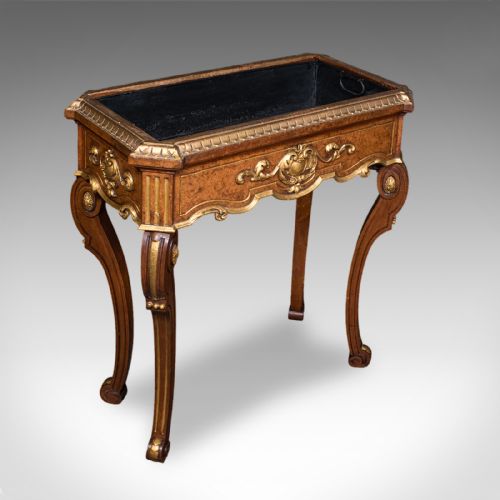
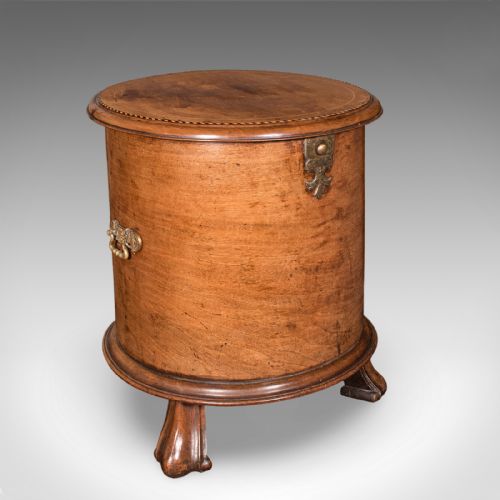
A walnut wine cooler brings a handsome, rich tone to a room, serving as a striking receptacle for bottles or plants.

Walnut Wine Cooler
A walnut wine cooler is a specialised vessel designed to chill or hold bottles, appearing across periods from the Georgian and Regency eras through to the Victorian age. When you search for this phrase, you encounter pieces that double as cellarettes, tea stoves, or jardinieres, reflecting how multi-functional these wooden containers often were.
The versions most commonly met on this page span the eighteenth and nineteenth centuries, exhibiting distinct regional characters from English sarcophagus forms to Dutch coopered buckets and French revival styles. They range from formal stand-mounted cellarettes to floor-standing planters and occasional tables fitted for liquid containment.
Many examples utilise burr walnut, marquetry inlay, or contrasting ebony banding to elevate their appearance, whilst others rely on simpler coopered stave construction. Whether configured with a zinc lining or open for botanical displays, each piece showcases the deep grain and warm patina characteristic of walnut furniture.
Construction and materials
The foundational structure of these pieces frequently relies on coopered staves of walnut, sometimes combined with mahogany or ebony, bound together with brass hoops or straps. This traditional barrel-making technique provided the water-tight integrity necessary for holding ice and bottles or wet soil.
Cabinetmakers utilised figured walnut veneers and intricate marquetry inlay, particularly on Victorian and Dutch examples, to create decorative surface patterns. Ormolu mounts and cast brass handles were frequently applied to enrich the design and facilitate lifting.
Walnut Wine Cooler Retail Price Guide 2026
Typical asking prices for walnut wine cooler among the pieces listed under this phrase on Sellingantiques today, from the lower quarter to the upper quarter. They describe what is for sale here now, not the wider market.
Some vessels served to chill wine by night and display parlor ferns by day.
Quality factors
Quality in a walnut wine cooler is determined by the selection of timber, such as highly figured burr walnut, and the precision of the cabinetwork. Pieces that retain their original internal linings, whether metal, zinc, or wood, command greater interest than those altered or stripped of their functional interiors.
The sophistication of decorative details, from hand-cut marquetry to substantial brass mounts and coopered staves, distinguishes standard utility items from exhibition-grade pieces. Proportions and the crispness of carved elements further separate the finer workshops from simpler regional output.
Whytock & Reid
The Walnut Wine Cooler Glossary
- Cellarette
- A lockable container or box used for storing wine and spirits near the dining table. They frequently sat on floor stands or directly on the floor during the Georgian and Regency periods.
- Coopered
- Constructed using vertical wooden staves fitted together and bound by metal hoops, similar to barrel-making. This method ensured durability and resistance to leaking.
- Jardiniere
- An ornamental pot or stand designed to hold plants and flowers. Many wine coolers were later adapted for this domestic use.
- Marquetry
- The art of applying pieces of veneer to a structure to form decorative patterns and pictures. It appears frequently on nineteenth-century walnut surfaces.
- Ormolu
- Gilded bronze used for decorative mounts on fine furniture. It adds a bright metallic contrast to dark wood.
- Tea stove
- A heated container or vessel used to keep water warm for tea, sharing similar forms with small wooden buckets and coolers.
Walnut Wine Cooler: Frequently Asked Questions
What is the difference between a cellarette and a wine cooler?
A cellarette traditionally refers to a lockable box or chest designed to hold wine bottles securely near the dining table. A wine cooler often encompasses open buckets, coopered tubs, and stand-mounted vessels intended for chilling bottles with ice.
While their functions overlap significantly in historical usage, cellarettes tend to emphasise secure storage whereas coolers focus on presentation and temperature control during meals.
Were these pieces used exclusively for wine?
Many examples served multiple purposes over their lifetimes, transitioning from holding wine to containing peat for tea stoves or acting as planters. The inclusion of zinc or metal linings allowed them to hold damp soil and plants without damaging the wood.
Consequently, surviving items frequently appear in dealer inventories under various descriptive titles including jardinieres and occasional tables.
How do I date a walnut wine cooler?
Dating relies on observing the stylistic characteristics, construction methods, and timber types specific to periods like the Georgian, Regency, or Victorian eras. Earlier eighteenth-century pieces often display restrained lines and solid brass banding, whereas Victorian examples frequently feature elaborate marquetry and burr walnut veneers.
Hardware styles, foot designs, and internal lining remnants also provide reliable clues to the decade of manufacture.
How should I care for a walnut wine cooler?
Walnut benefits from stable room temperatures and protection from direct sunlight to preserve the rich tone and prevent veneer drying. Regular dusting with a soft cloth keeps the surface clean without requiring heavy polishes.
If utilising the piece for plants or liquids, ensure appropriate protective liners are employed to prevent moisture damage to historical wood.