



French Chateau Furniture
French chateau furniture brings grand salons into private rooms through stately oak, gilded gesso and marble surfaces.
What these pieces are
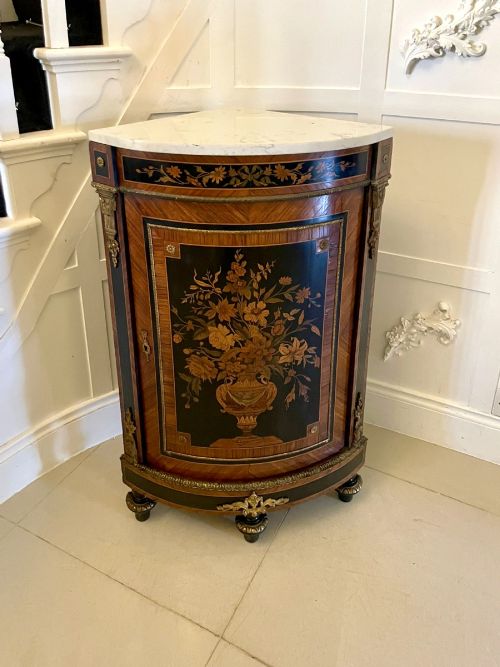
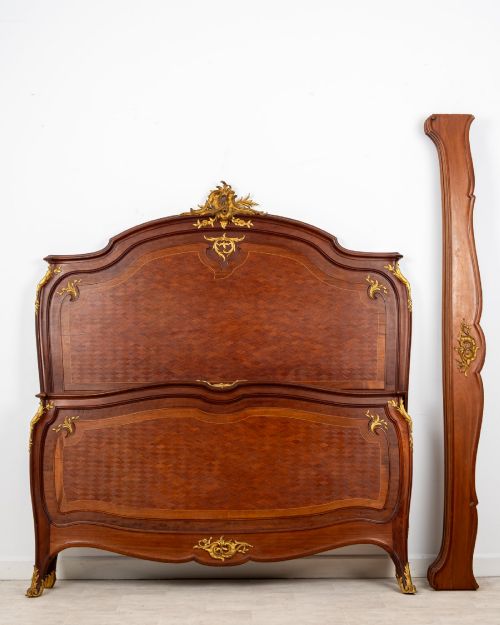
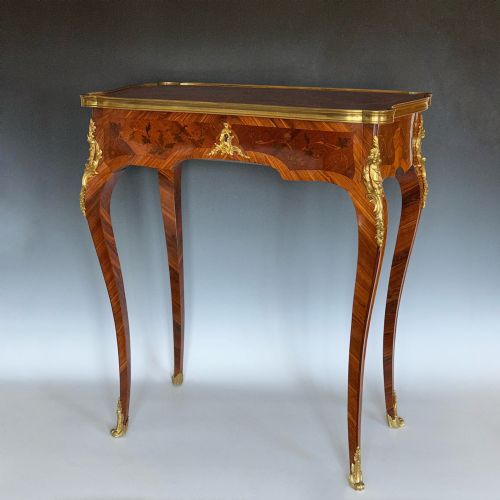
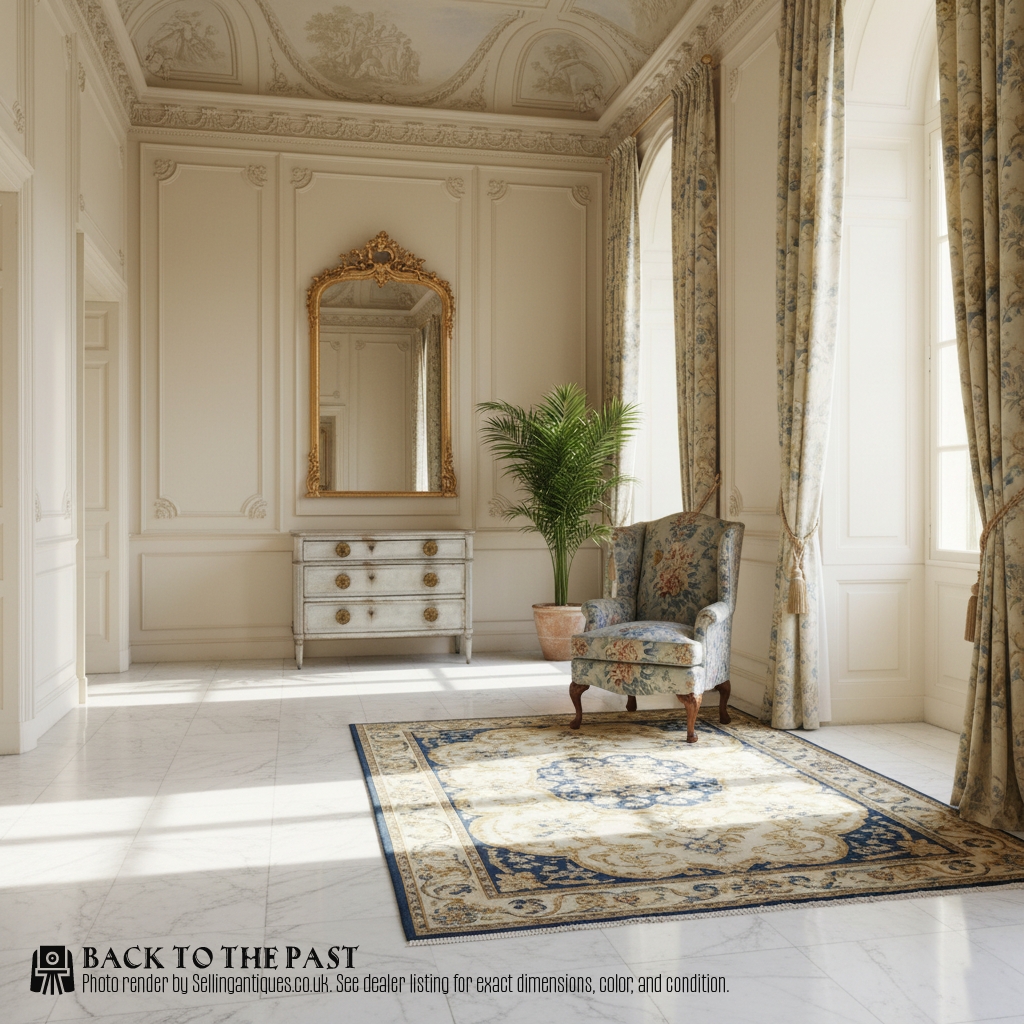
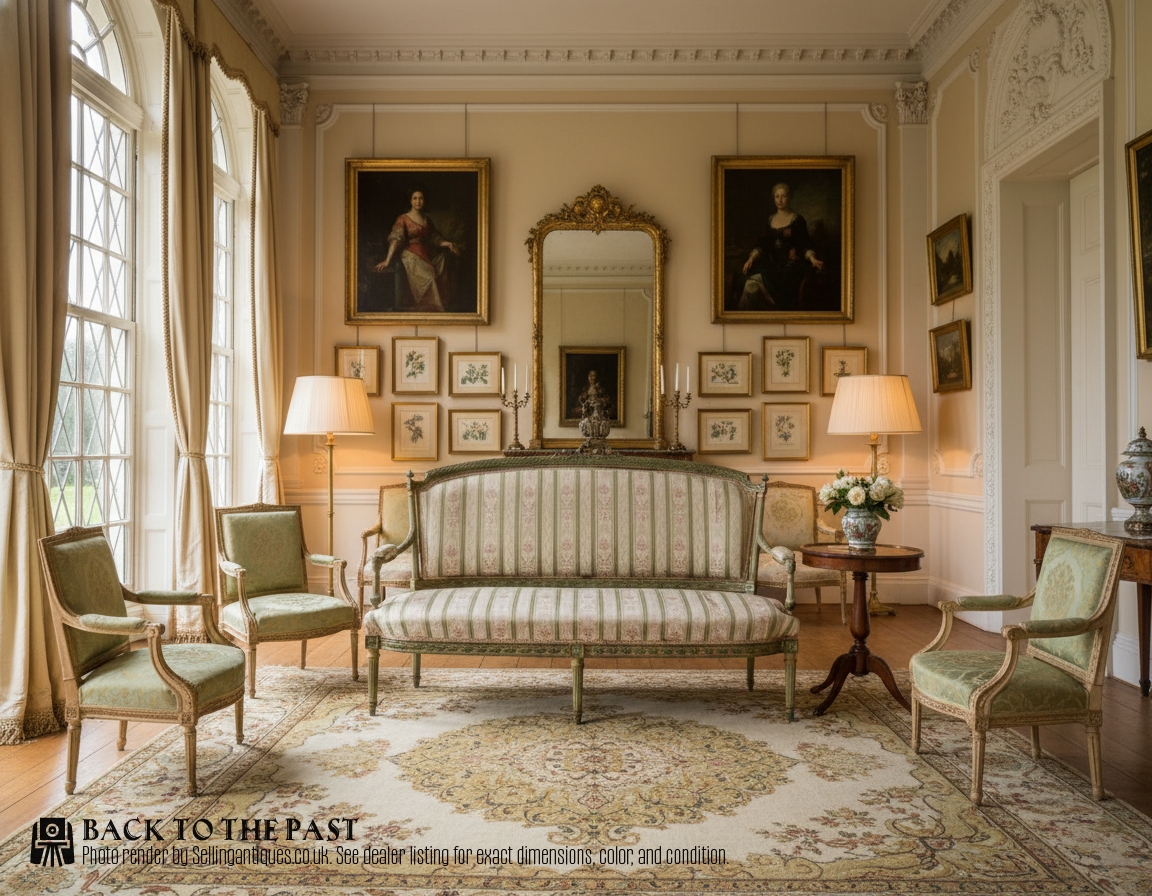
French chateau furniture encompasses substantial seating, storage and display pieces designed for formal domestic interiors. The selection available on this page draws primarily from the nineteenth century alongside select eighteenth-century and Regency examples.
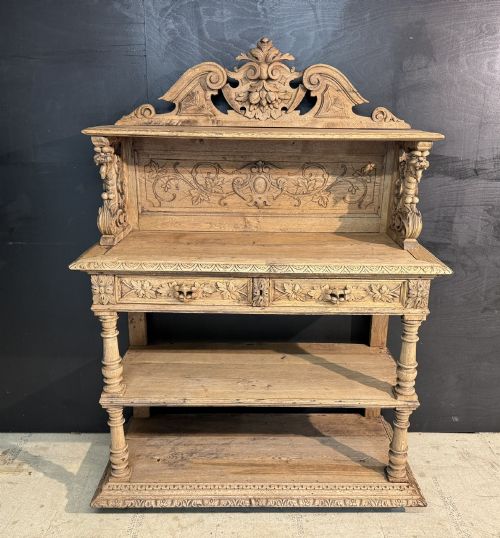
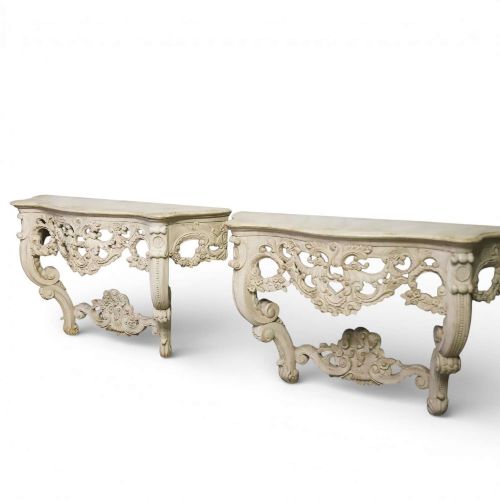
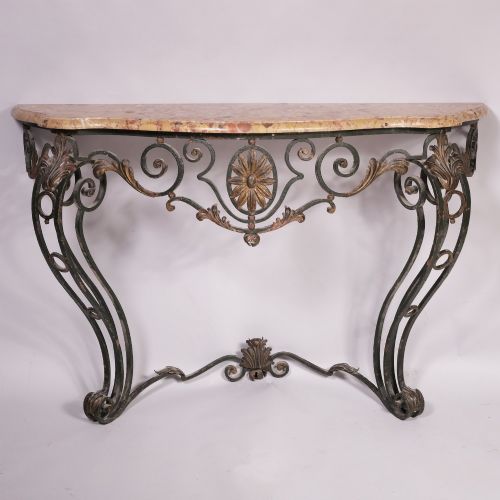
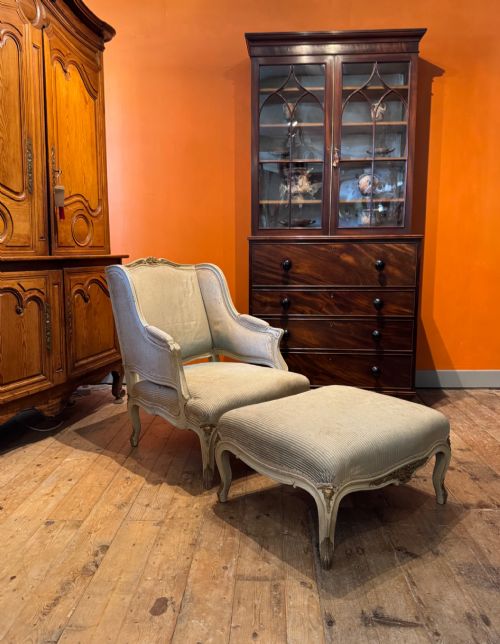
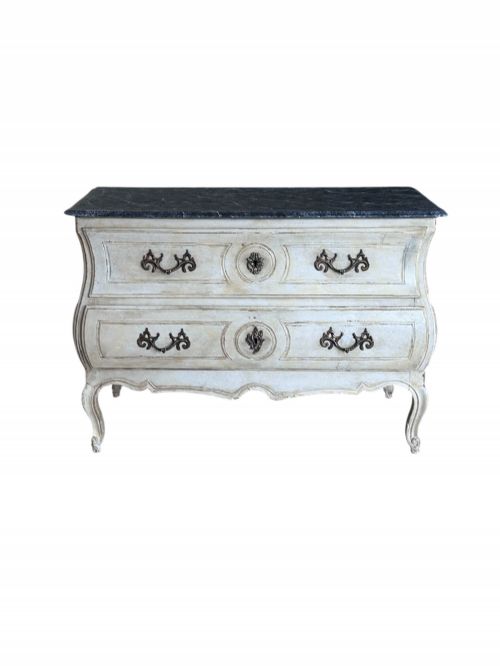
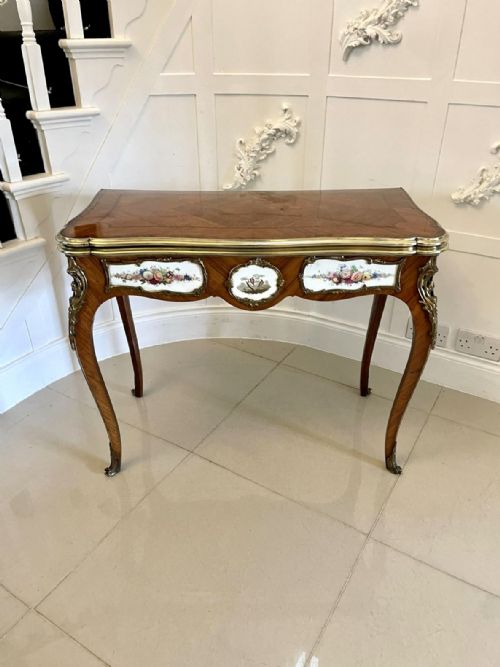
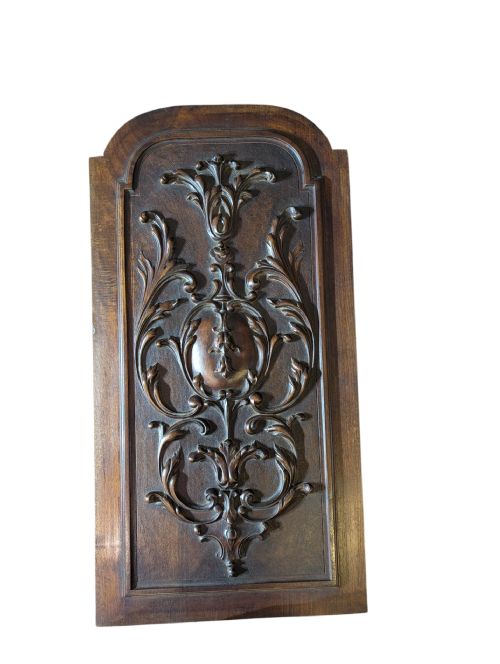
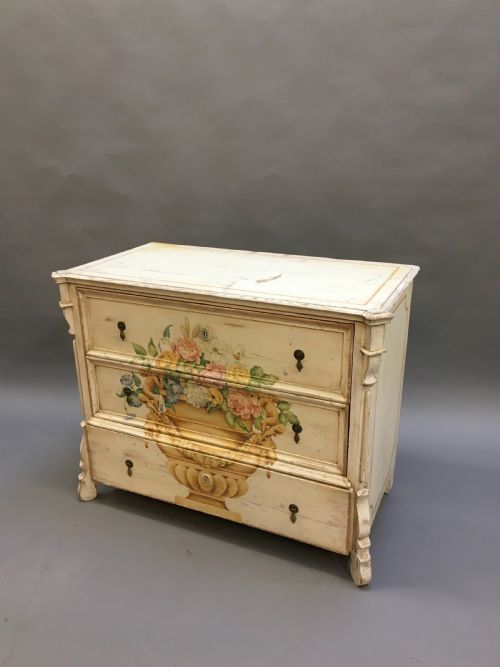
Buyers encounter notable diversity across forms, ranging from carved oak buffets and painted commodes to gilded console tables and empire-style sofas. Occasional tables and armchairs complete the domestic repertoire found within these listings.
The aesthetic leans heavily into classic continental idioms, including Louis XVI Revival, Louis XV Revival, and French Empire styles. These historical revivals capture the ornate proportions and decorative ambition of earlier royal courts.
How they were made
Cabinetmakers utilised robust native and imported timbers, relying predominantly on oak, walnut and rosewood for structural integrity and rich surface grain. These wooden frames were frequently painted, gilded with gesso, or fitted with contrasting marble tops.
Decorative elements often incorporate cast bronze mounts and intricate hand-carved details that reflect traditional joinery methods of the period. Skilled artisans combined structural carpentry with ornate surface ornamentation to achieve the desired aristocratic aesthetic.
Retail Price Guide 2026
Typical UK retail prices for french chateau furniture, calculated from the Sellingantiques database of over a million retail prices indexed since 2003. This retail price guide relies exclusively on Sellingantiques data; no external sources or auction records are used, so the figures do not describe the wider market.
Several pieces arrive with hidden compartments originally designed for concealing love letters from wandering courtiers.
What varies in quality
Quality differentiates itself through the crispness of hand-carving and the integration of decorative finishes like gilding and painted treatments. Superior examples demonstrate confident execution in their proportions and ornamental detailing.
The choice and handling of primary materials also dictate overall distinction, particularly in the selection of marble tops, bronze mounts and timber figure. Pieces that retain their original structural harmony and decorative integrity sit at the upper end of the range.
The French Chateau Furniture Glossary
- Commode
- A low chest of drawers or cabinet, typically standing on legs and featuring decorative surface treatments. These pieces served both functional storage and display purposes in formal rooms.
- Console table
- A wall-mounted or freestanding table supported by decorative brackets or legs, often placed beneath a mirror. They frequently feature elaborate gesso and giltwood decoration.
- Buffet
- A substantial storage sideboard designed for dining spaces, used for serving food and storing tableware. They are commonly constructed from heavy carved oak.
- Giltwood
- Wood that has been coated with a thin layer of gold leaf or powder over a preparation of gesso. This technique creates a brilliant reflective surface characteristic of formal French seating and tables.
- Bombe
- A term describing furniture with a convex, bulging front and sides. This swelling profile requires advanced woodworking skill to achieve balanced proportions.
Frequently Asked Questions
What is French chateau furniture?
French chateau furniture comprises grand decorative and utilitarian objects inspired by the interiors of historic French country houses and royal palaces. These pieces span seating, storage and display forms designed for formal domestic use.
Items typically feature traditional materials such as oak, walnut, marble and giltwood, reflecting historical periods from the eighteenth century through the Victorian era.
How do I identify Louis XVI style?
Louis XVI style is characterised by straight lines, classical symmetry and architectural motifs drawn from antiquity. Furniture from this tradition often displays fluted legs and restrained geometric ornamentation.
This aesthetic contrasts with the more curving, asymmetrical lines of earlier Rococo designs found in similar chateau interiors.
Where should I place a console table?
Console tables are traditionally positioned against a wall in hallways, drawing rooms or reception spaces, often paired with a wall mirror above. Their shallow depth makes them suitable for narrow circulation areas.
Freestanding or wall-fixed versions provide a surface for decorative objects while adding architectural presence to a room.
How do I care for gilded wood?
Gilded wood requires gentle handling to protect the delicate gold leaf and underlying gesso layers from moisture and physical abrasion. Dusting should be performed with a soft, dry brush without chemical polishes.
Keeping these pieces away from direct sunlight and fluctuating humidity helps preserve the brilliance of the metallic surface.