


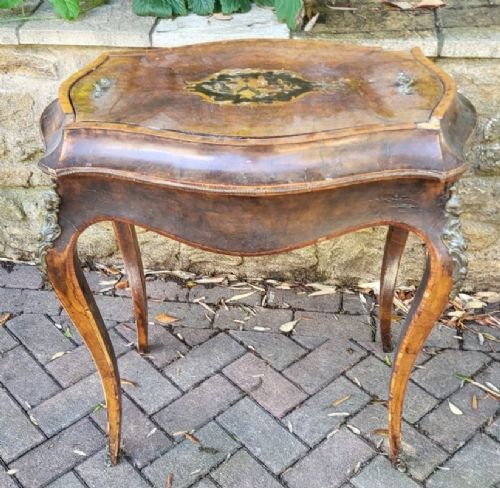
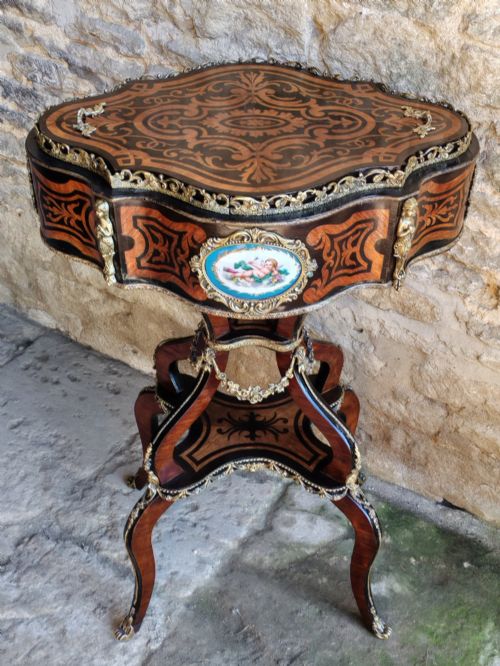

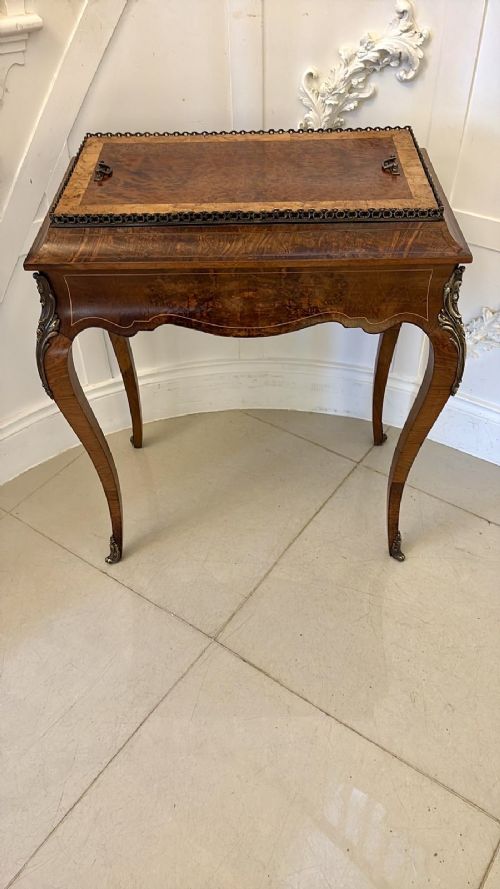


Marquetry Planter Stand
A marquetry planter stand brings botanical life indoors with the elegance of 19th-century cabinetmaking and fine timber veneers.
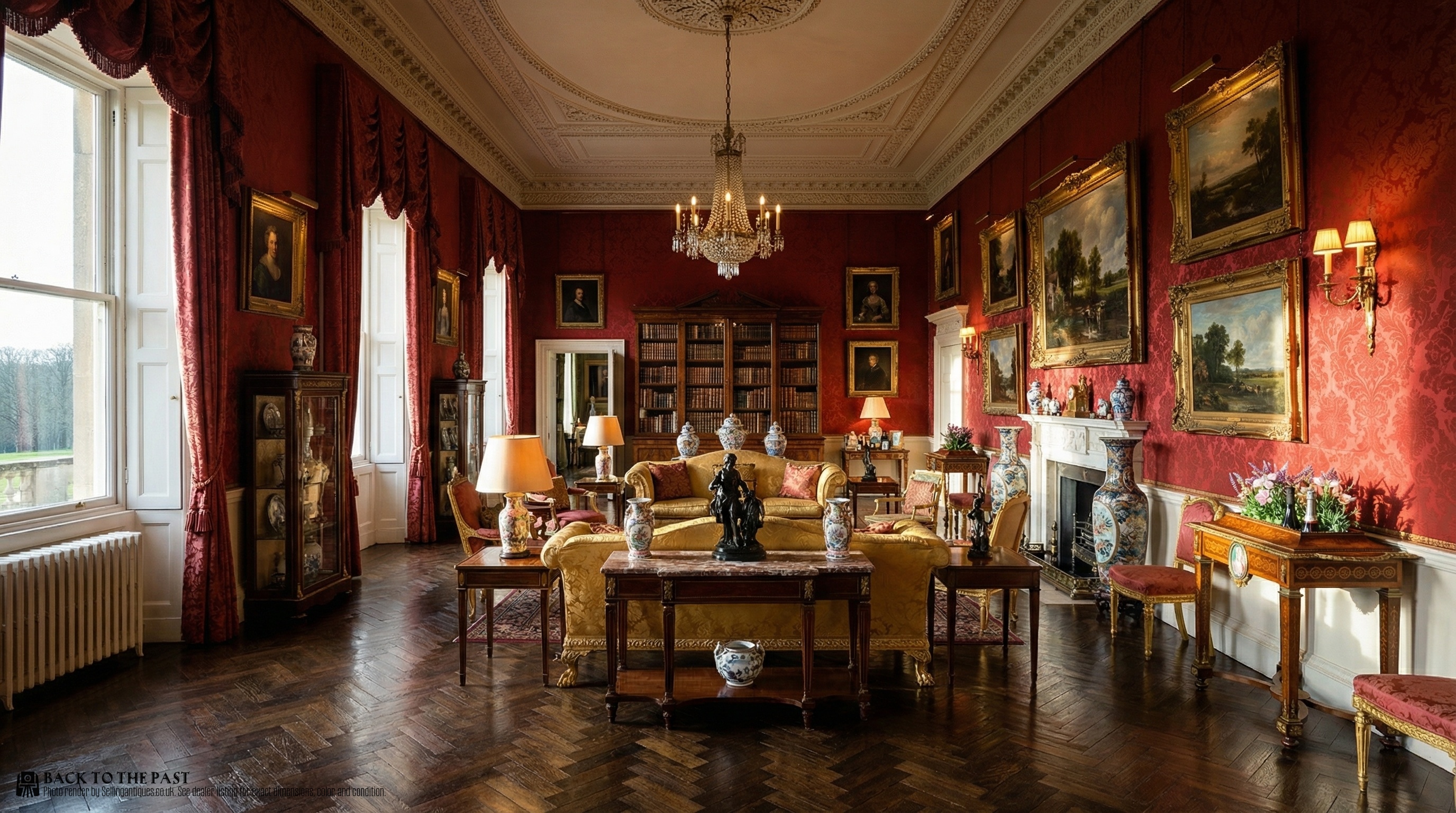
Marquetry Planter Stand
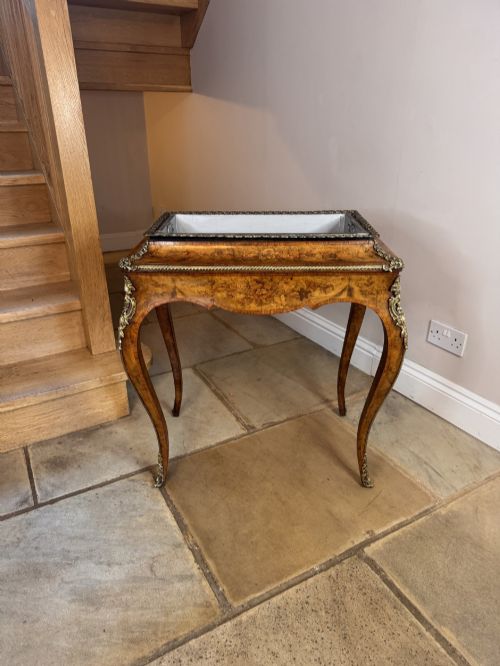
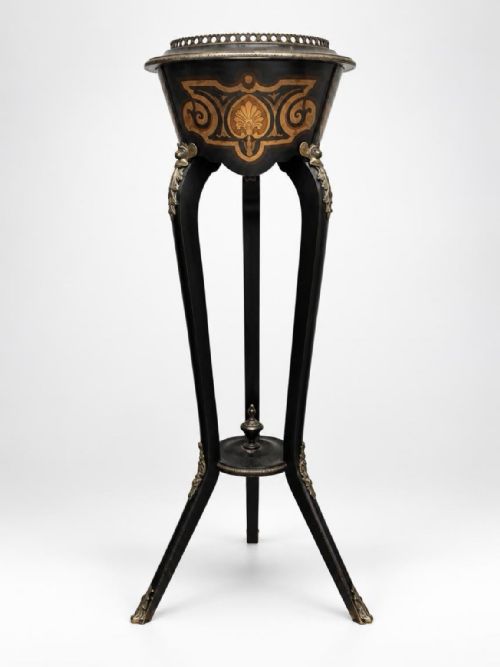
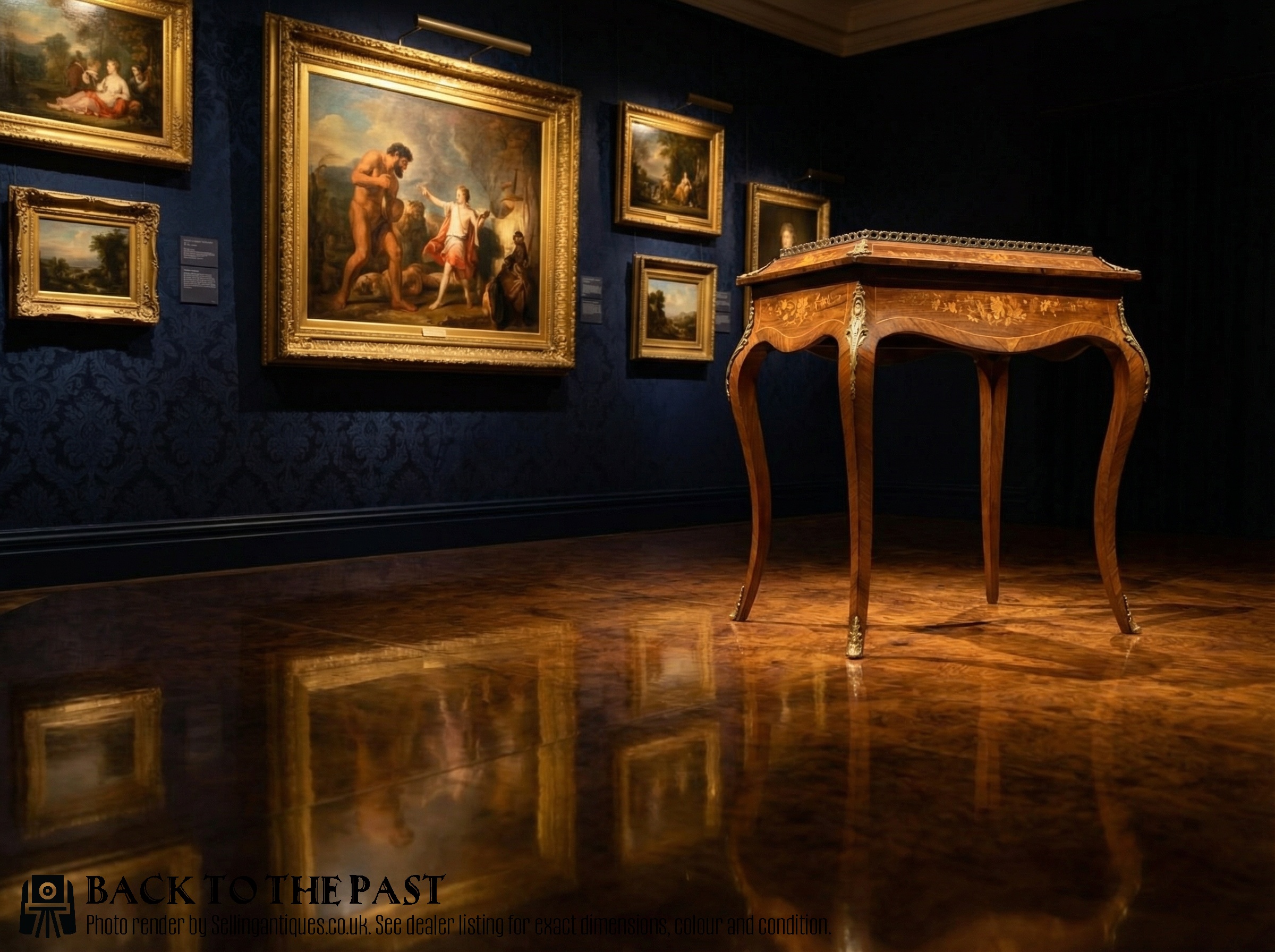
A marquetry planter stand, often listed as a jardiniere, jardiniere table, or wine cooler, serves as an ornamental holder for plants and floral displays within the principal rooms of a grand interior.
The pieces appearing here are predominantly of 19th-century origin, spanning the Victorian era and French revivals including Napoleon III and Louis XV styles.
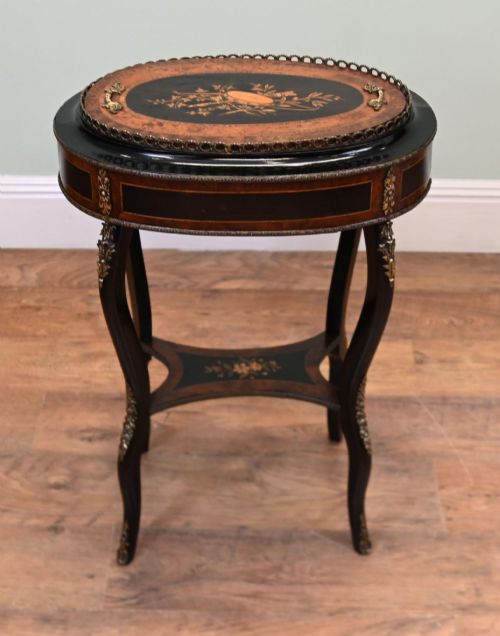
Most examples function as occasional tables or side tables featuring a recessed top or lift-off lid designed to contain a removable metal liner for watering.
How they were made
Cabinetmakers constructed these stands using substantial timber carcases of walnut, burr walnut, kingwood, rosewood, satinwood, and ebonised wood, overlaid with intricate marquetry and floral inlays.
Gilt metal, ormolu, and brass mounts edge the rims, corners, and legs, providing structural reinforcement and a decorative contrast to the rich wood veneers.
Many incorporate porcelain plaques set directly into the timber frame, combining ceramic artistry with fine woodworking techniques.
Marquetry Planter Stand Retail Price Guide 2026
Typical asking prices for marquetry planter stand among the pieces listed under this phrase on Sellingantiques today, from the lower quarter to the upper quarter. They describe what is for sale here now, not the wider market.
Some of these botanical stands doubled as wine coolers, keeping roots hydrated while chilling bottles at dinner.
What varies in quality
The distinction between standard and exceptional pieces rests upon the crispness of the marquetry cutting and the variety of contrasting timbers employed in the floral motifs.
The weight and chasing of the ormolu or gilt metal mounts indicate the workshop standard, where heavier, more detailed cast bronze hardware denotes superior production.
The integrity of the timber carcase and the survival of the original interior liner or drop-in tray affect the completeness and historical accuracy of the piece.
The Marquetry Planter Stand Glossary
- Marquetry
- The art of applying pieces of veneer to a structural structure to form decorative patterns and pictorial designs. This technique relies on contrasting natural wood colours to create visual depth.
- Jardiniere
- A decorative pot or stand for holding plants or flowers. In 19th-century furniture, this form frequently integrates into a table or cellarette structure.
- Ormolu
- Gilded bronze used for decorative mounts on furniture. It provides a bright metallic accent against dark woods like walnut and ebonised timber.
- Kingwood
- A dense, heavy exotic timber featuring dark violet-brown tones with lighter streaks. Cabinetmakers utilised this wood for high-status French and Victorian revival pieces.
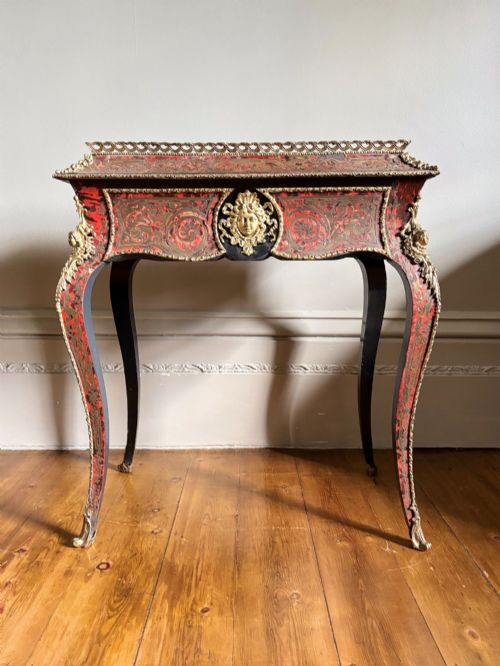
- Boulle
- A form of marquetry consisting of tortoise-shell and brass inlay developed in France. It appears on elaborate Napoleon III period stands.
Marquetry Planter Stand: Frequently Asked Questions
What is a marquetry planter stand used for?
These pieces were designed to hold live plants and floral arrangements inside reception rooms without damaging the surrounding flooring or furniture.
They often include a metal liner to catch water drainage, and many double as side tables or wine coolers when fitted with a solid lid.
Are these stands waterproof?
While the interior typically houses a removable metal or zinc liner to contain moisture, the wooden exterior and marquetry work are not waterproof.
Spills and standing water should be wiped away immediately to protect the antique polish and veneer.
How do I distinguish French and Victorian pieces?
French pieces frequently display Louis XV or Napoleon III revival styles with exuberant ormolu mounts, kingwood, and Boulle work.
Victorian English equivalents often lean towards burr walnut and straightforward inlaid marquetry patterns integrated into side table formats.