

Antique Mahogany Jardiniere
An antique mahogany jardiniere brings natural timber warmth and structural elegance to domestic plant display.
Antique Mahogany Jardiniere
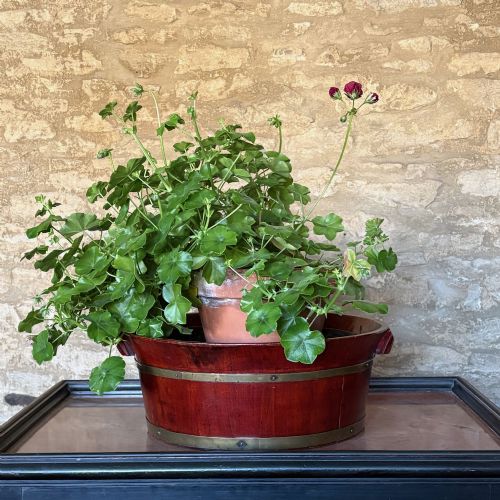
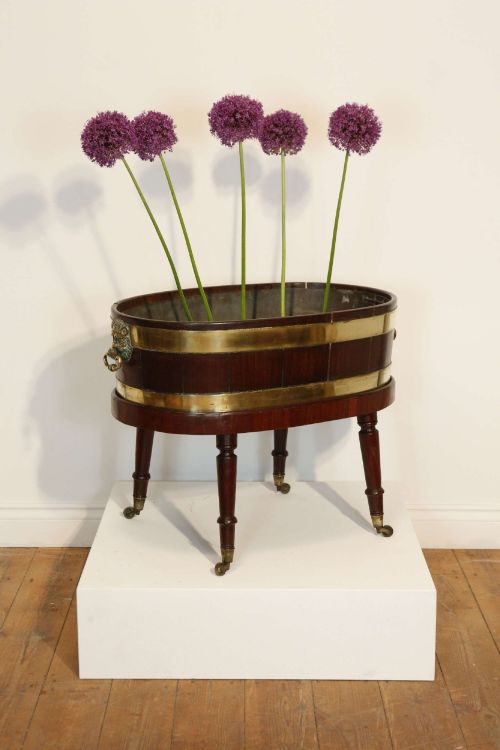
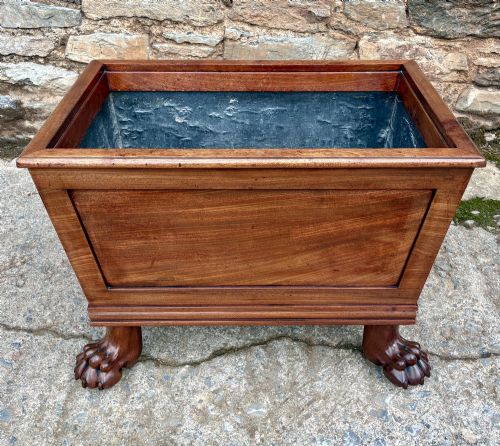
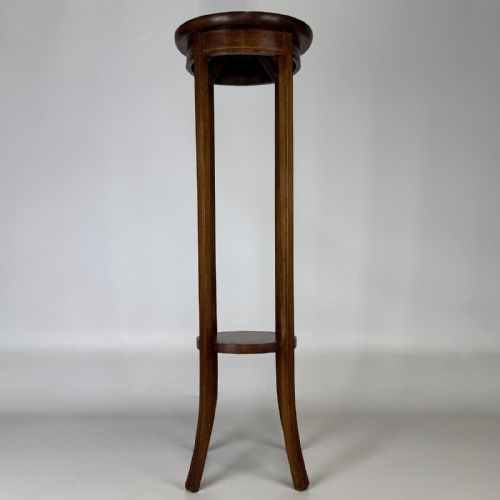
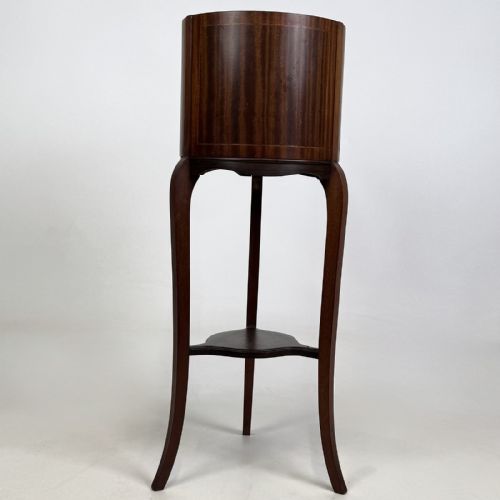
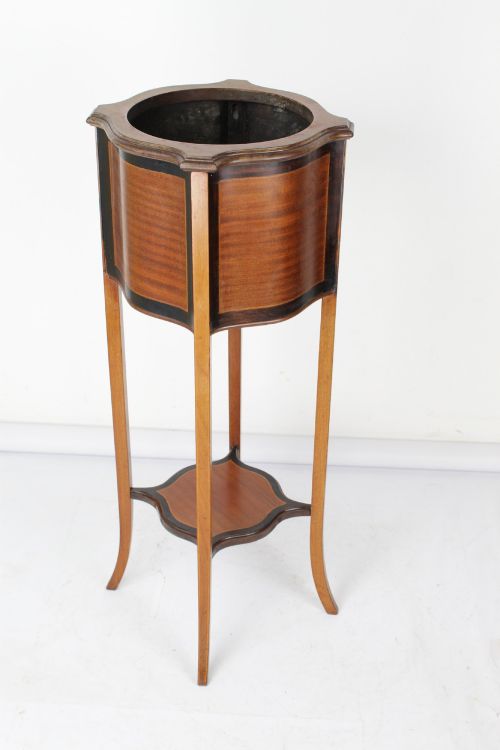
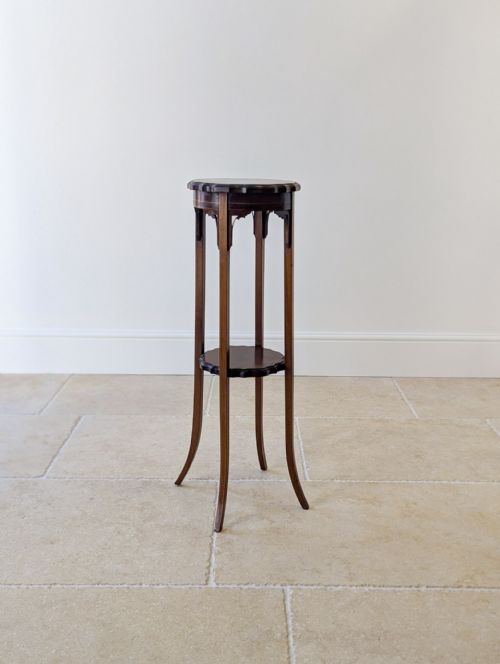
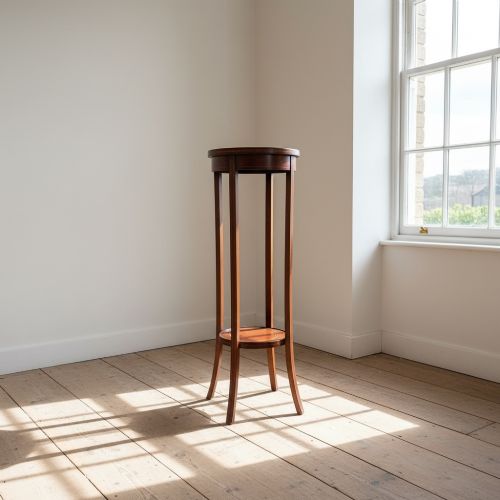
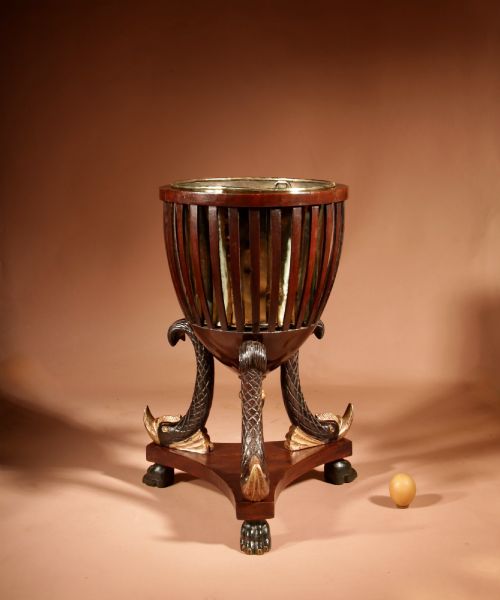
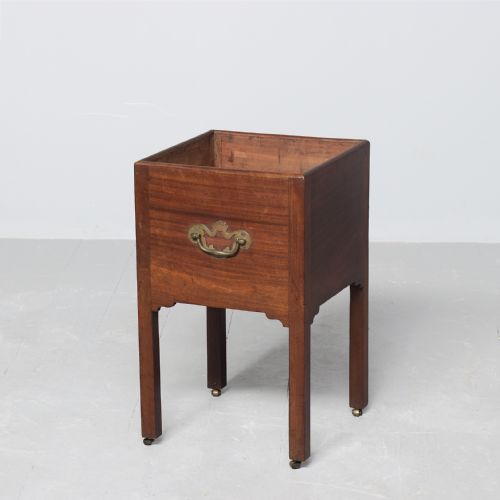
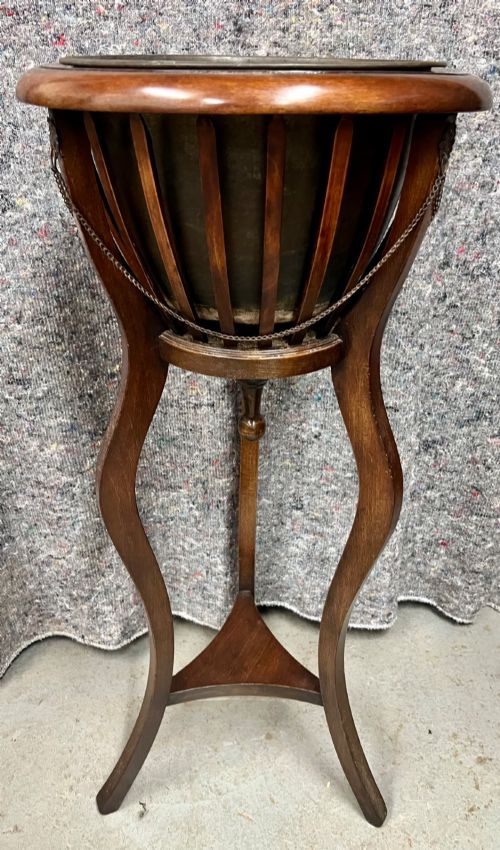
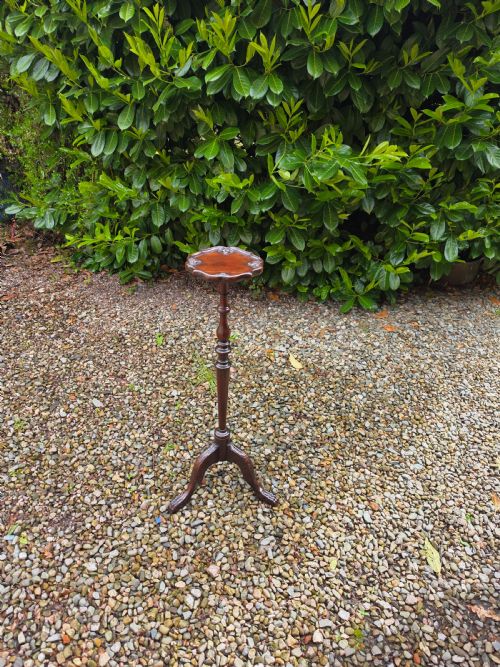
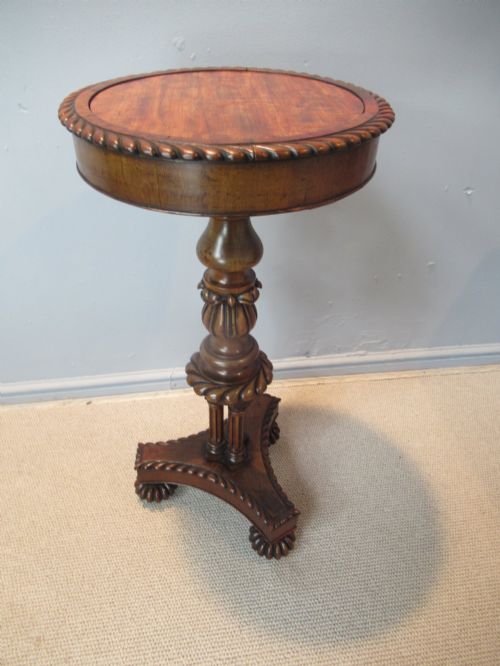
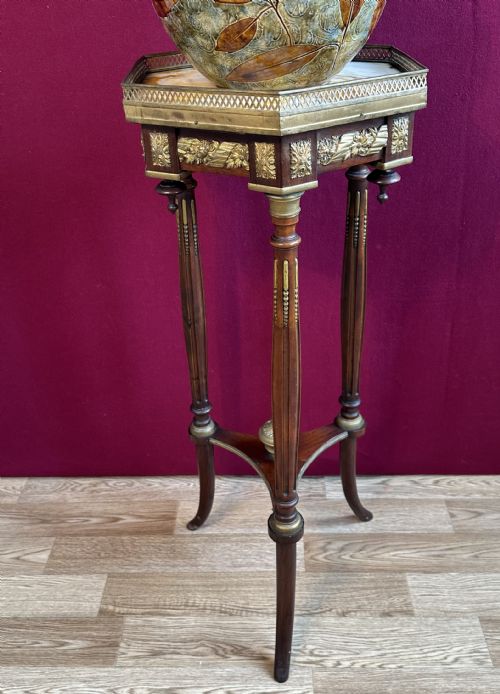
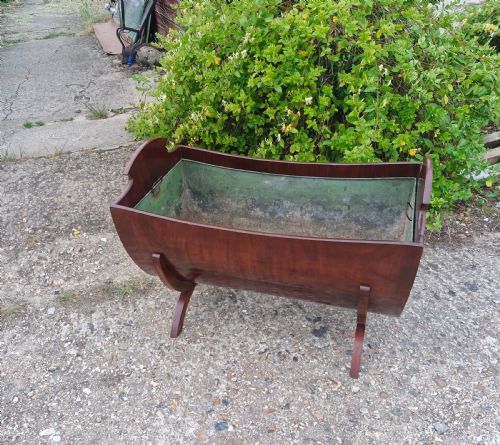
When searching for an antique mahogany jardiniere, buyers encounter elevated wooden vessels designed to hold potted plants, flowers, or foliage within period interiors. The forms range from tall torchère and plant stands to low coopered buckets, wine coolers, and tea stoves adapted for botanical display.
Edwardian and Victorian examples predominate on this page, alongside Georgian, Regency, and nineteenth-century pieces. These items serve as functional furniture that elevates greenery off the floor while adding architectural interest to a room.
The objects combine cabinetmaking skill with horticultural utility, often sharing forms with wine coolers, cellarettes, and torchères. They cross over into plant stands and pedestals, reflecting the Victorian and Edwardian obsession with indoor plant cultivation.
How they were made
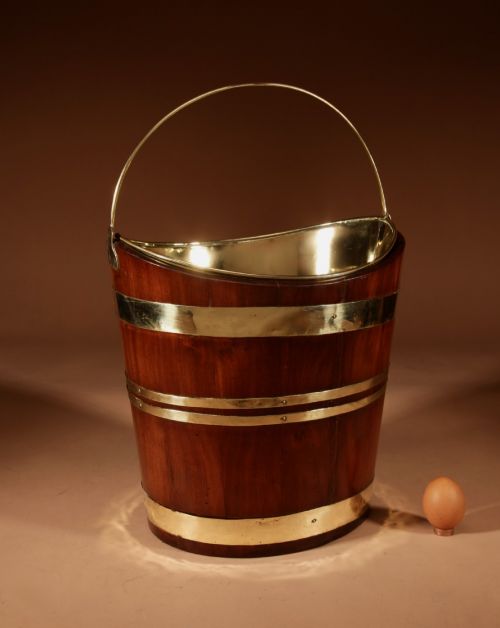
Cabinetmakers constructed these pieces primarily from solid and veneered mahogany, frequently incorporating contrasting timbers such as satinwood for inlay and decorative banding. Metal elements such as brass bands, liners, and handles appear on coopered bucket forms to provide structural strength and protect the wood from moisture.
Coopered vessels utilise tight stave construction held together by metal hoops, mirroring the methods of traditional barrel makers. Other pieces employ turned pedestals, tripod bases, and carved details executed in hardwood, sometimes paired with marble tops or interior liners.
Antique Mahogany Jardiniere Retail Price Guide 2026
Typical asking prices for mahogany jardiniere among the pieces listed under this phrase on Sellingantiques today, from the lower quarter to the upper quarter. They describe what is for sale here now, not the wider market.
Several mahogany jardiniere buckets started life holding peat or wine bottles before retiring to a peaceful life supporting ferns.
What varies in quality
Quality rests in the crispness of the timber grain, the precision of the joinery, and the integrity of any brass banding or inlaid details. Superior examples display thoughtful proportions, balanced figure in the mahogany, and well-executed carving rather than mechanical replication.
The presence of original metal liners, sturdy coopered construction, and untouched patination elevate certain items above standard production pieces. Finer specimens maintain structural rigidity in their pedestals and legs, whereas lesser examples show compromise in secondary timbers or heavy modern restoration.
The Antique Mahogany Jardiniere Glossary
- Jardiniere
- An ornamental pot or stand for holding plants or flowers. Originating from the French word for gardener, these vessels take many forms from tall pedestals to low table stands.
- Coopered
- Constructed from curved wooden staves joined edge-to-edge and bound with metal hoops. This technique is typical of wine coolers, peat buckets, and tea stoves.
- Torchere
- A tall, slender stand designed to hold a light, lamp, or plant. In mahogany, these pieces often feature tripod bases and slender shafts.
- Cellarette
- A lockable container used for storing bottles of wine or spirits. Many antique cellarettes share identical forms with jardiniere planters and brass-bound buckets.
- Inlay
- A decorative technique where contrasting materials such as satinwood are inserted into recesses in the mahogany surface. This detail defines many Edwardian and Georgian decorative pieces.
Antique Mahogany Jardiniere: Frequently Asked Questions
What is an antique mahogany jardiniere?
It is a decorative wooden vessel or stand designed to hold indoor plants and flowers. These pieces combine cabinetmaking with domestic horticulture.
They appear as tall pedestals, torchères, or low coopered buckets across various eighteenth and nineteenth-century periods.
How were they used in period homes?
Victorians and Edwardians utilised these stands to bring botanical specimens indoors while protecting interior flooring and furniture. They positioned them in reception rooms, halls, and drawing rooms.
Some dual-purpose vessels also functioned as wine coolers, log baskets, or tea stoves before being adapted for plant display.
How do I care for an antique mahogany jardiniere?
Protect the timber from excessive moisture by using waterproof liners inside the vessel rather than planting directly into the wood. Regular dusting and occasional waxing preserve the polished mahogany surface.
Keep the piece away from direct heat sources and sudden humidity changes to prevent warping or splitting in the old timber.
How can I tell the period of a plant stand?
Dating relies on stylistic clues, construction methods, and timber characteristics. Georgian pieces often display restrained classical lines and solid mahogany construction, while Edwardian versions frequently feature delicate satinwood inlay.
Victorian and nineteenth-century examples tend toward heavier turned pedestals, brass banding, and coopered stave construction.