



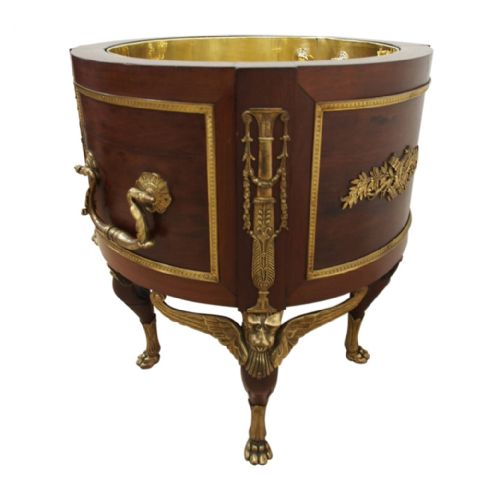


Antique Wooden Cachepot
These antique wooden cachepot items are historic plant holders crafted from timber, offering a classic way to house indoor flora.
Antique Wooden Cachepot
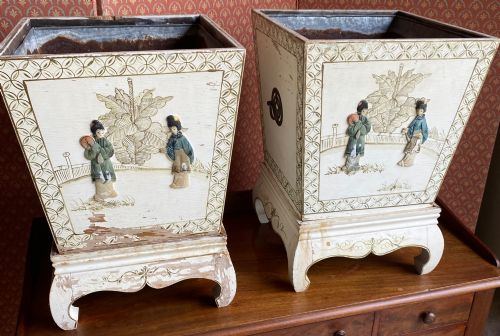
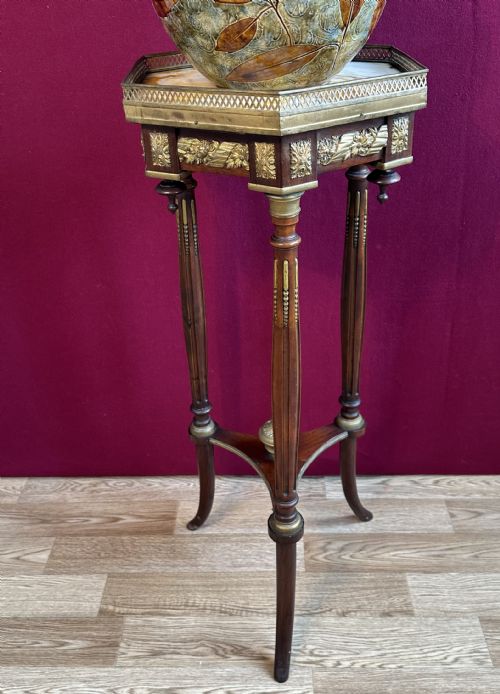
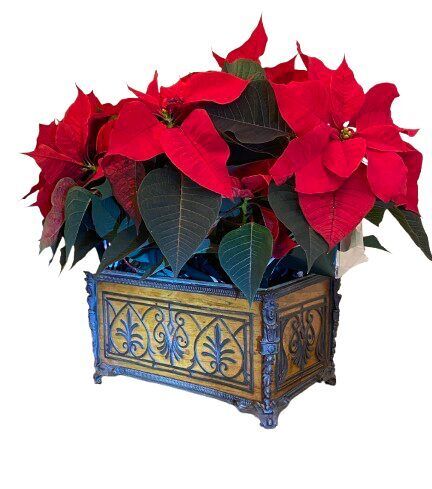
When you search for an antique wooden cachepot, you encounter historic vessels designed to conceal ordinary flower pots, often taking the form of coopered buckets, plant stands, and jardinieres. The pieces listed on this page span the nineteenth century, the Edwardian era, and the nineteen thirties, encompassing English, French, and Dutch origins.
You are most likely to meet mahogany, walnut, pine, or olive wood examples featuring distinct stylistic revivals such as Louis XVI, Dutch Empire, and Georgian styles. Many of these timber vessels incorporate metal liners or mounts, serving both decorative and practical functions within domestic interiors.
Materials and construction methods
The construction of these planters relies on traditional cabinetmaking techniques, utilising timbers such as mahogany, kingwood, walnut, and olive wood shaped into staves or solid bodies. Coopered vessels utilise tongue and groove joints held by metal bands, while other pieces feature carved details and turned forms.
Metalwork plays a significant structural and decorative role, with brass liners, copper bands, and ormolu mounts fitted to protect the timber from moisture and enhance the exterior appearance.
Antique Wooden Cachepot Retail Price Guide 2026
Typical asking prices for wooden cachepot among the pieces listed under this phrase on Sellingantiques today, from the lower quarter to the upper quarter. They describe what is for sale here now, not the wider market.
Current listings feature pieces spanning the nineteenth century, the Edwardian period, and nineteen thirty, utilising mahogany, olive wood, pine, and brass.
Assessing quality in timber planters
Quality in these items is determined by the selection of figured timber veneers or dense solid hardwoods, alongside the precision of the joinery and cooperage. Superior examples display refined proportions, clean lines, and integrated brass or bronze mounts that complement the grain of the wood.
The presence of original fitted metal liners and matched stands indicates a higher grade of manufacture, showing that the piece was created as a complete ensemble for formal reception rooms.
The Antique Wooden Cachepot Glossary
- Cachepot
- A decorative container used to cover an ordinary flower pot, typically lacking drainage holes at the base. This French term translates literally as hide pot.
- Jardiniere
- An ornamental stand or large container designed to hold growing plants or flowers. These vessels often sit on the floor or upon dedicated table stands.
- Coopered
- Constructed from wooden staves joined edge to edge and bound with metal hoops, much like a traditional barrel or bucket. This method provides strength for holding damp soil.
- Ormolu
- Gilded bronze mounts applied to furniture and decorative objects for ornamentation. The technique involves treating metal with a mercury and gold amalgam.
Antique Wooden Cachepot: Frequently Asked Questions
What is an antique wooden cachepot used for?
These decorative vessels were traditionally designed to hold potted plants and flowers, concealing standard terracotta pots within domestic interiors.
They allowed homeowners to display greenery in reception rooms and parlours without risking water damage to fine furniture surfaces.
How do I care for a historic timber planter?
Protect the wood by ensuring potted plants sit within a waterproof liner rather than pouring water directly into the vessel.
Apply suitable wax polish occasionally to maintain the finish and prevent the timber from drying out in heated rooms.
How can I tell the period of a planter?
Examine the timber species, construction methods, and decorative mounts to align the piece with known stylistic periods like the Victorian era or Dutch Empire style.
Hand-cut joints, traditional cooperage techniques, and patination on the wood surfaces provide strong indications of nineteenth-century manufacture.
What is the difference between a cachepot and a jardiniere?
While both terms describe plant containers, cachepots are generally smaller and intended to sit on tables, whereas jardinieres often refer to larger vessels or floor-standing planters.
Many antique pieces cross between these definitions depending on their scale and whether they include an associated stand.