

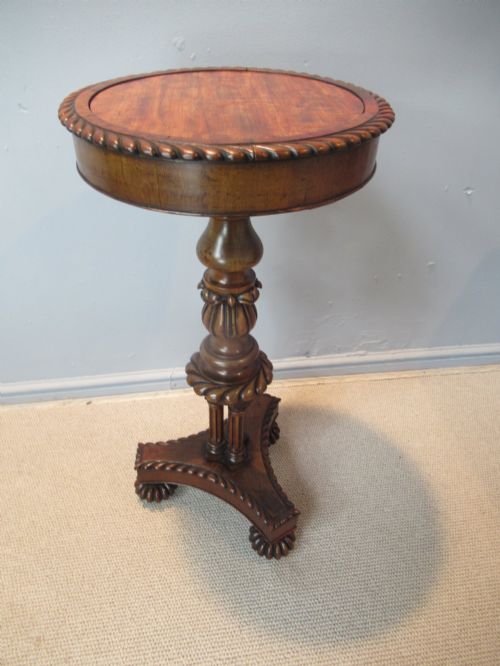


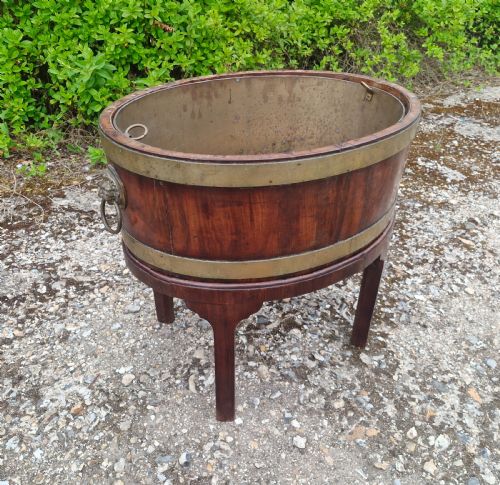
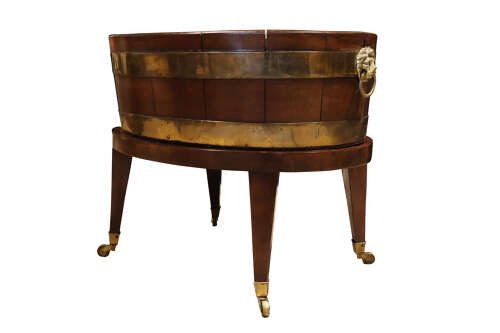


Mahogany Jardiniere Planter
A mahogany jardiniere planter brings living greenery or cut stems inside, combining timber craftsmanship with functional metal linings.
Mahogany Jardiniere Planter
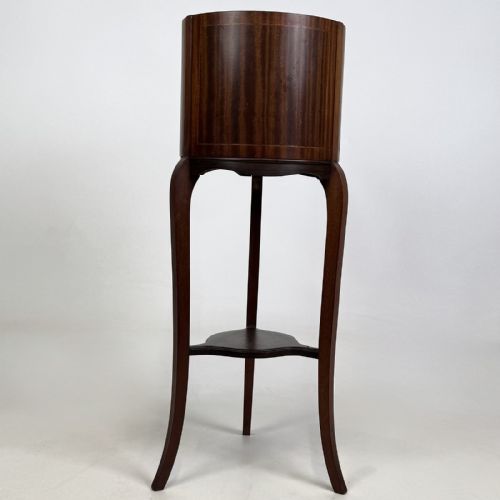
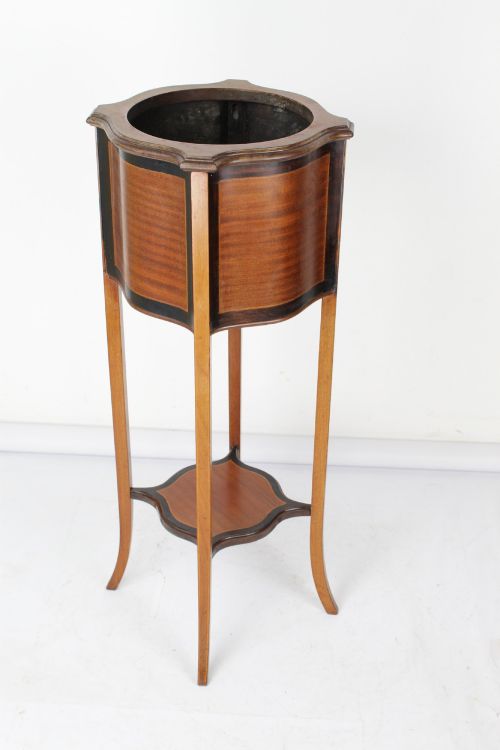
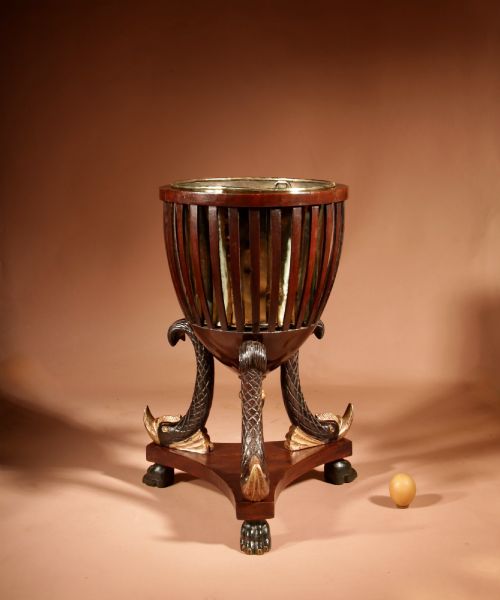
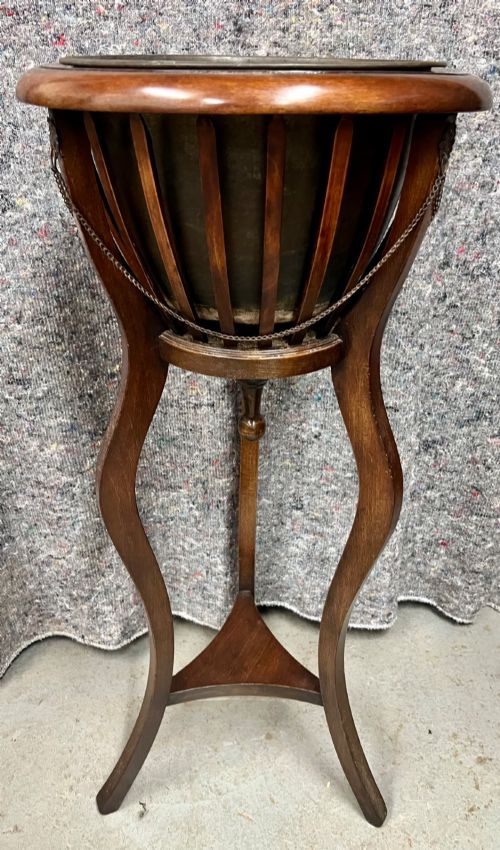
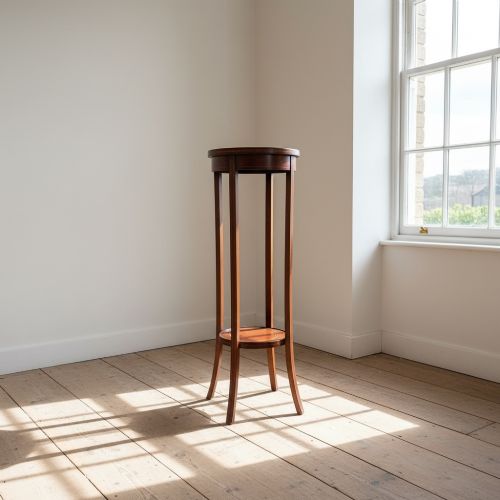
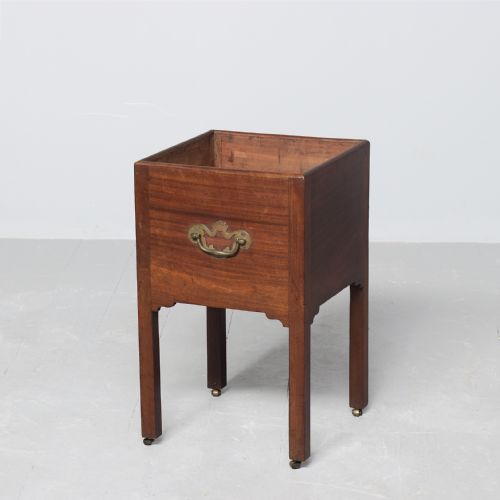
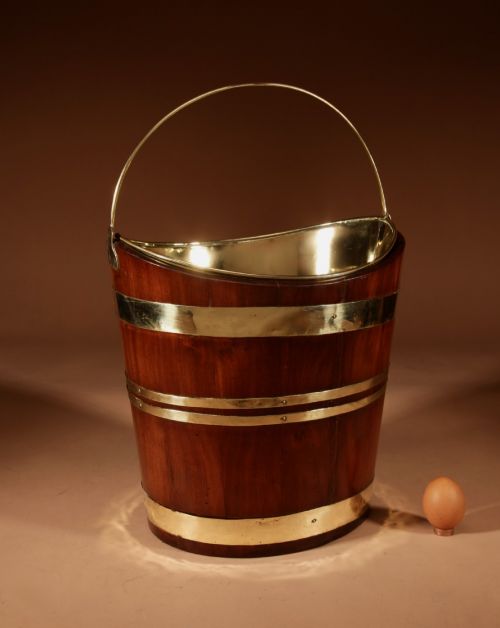
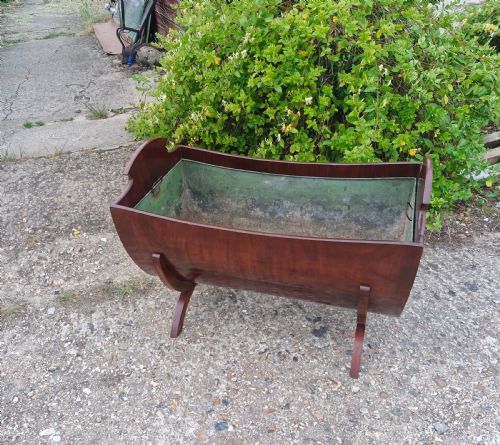
A mahogany jardiniere planter is a vessel designed to hold plants, flowers, or occasionally ice and bottles, drawing on forms developed across the eighteenth, nineteenth, and early twentieth centuries. When you search for this phrase, you encounter everything from tall plant stands to floor-standing coopered buckets and low table vessels.
The Edwardian period supplies many of the examples seen here, often featuring lighter timber work and delicate inlay. Alongside these, pieces from the Georgian, Regency, and Victorian eras appear, bridging the gap between domestic utility and formal parlour display.
What varies in quality
The standard of a mahogany jardiniere planter rests upon the crispness of its timber figure and the integrity of its construction. Pieces displaying rich flame mahogany or precise boxwood inlay show greater artisan investment than plain, utilitarian versions.
Hardware and secondary materials also dictate distinction. Solid brass banding, well-fitted original metal liners, and balanced proportions separate standard production items from finer workshop pieces.
Mahogany Jardiniere Planter Retail Price Guide 2026
Typical asking prices for mahogany jardiniere planter among the pieces listed under this phrase on Sellingantiques today, from the lower quarter to the upper quarter. They describe what is for sale here now, not the wider market.
The listings here span multiple centuries, uniting Georgian wine coolers, Regency boat-shaped buckets, and Edwardian inlaid plant stands under one functional category.
The Mahogany Jardiniere Planter Glossary
- Coopered
- Constructed from vertical wooden staves fitted together with metal bands, similar to barrel-making. This technique allowed wooden buckets to hold damp contents without leaking.
- Cellarette
- A lockable container used originally for storing bottles of wine or spirits. Many antique examples share forms with jardiniere planters.
- Jardiniere
- A large ornamental pot or stand designed to hold flowers or growing plants. The term derives from the French word for gardener.
- Inlay
- A decorative technique where contrasting woods like satinwood or boxwood are inserted into recesses cut into the main timber surface. This creates flat geometric or floral patterns.
- Tea stove
- A small portable container, often coppered and brass-bound, originally used to keep tea warm or hold peat for fuel before being adapted as a planter.
Mahogany Jardiniere Planter: Frequently Asked Questions
How do I care for the wood and metal interior?
Protecting the timber requires keeping the interior metal liner properly sealed and preventing standing water from sitting directly on the polished mahogany. Using a plastic pot saucer inside the liner catches stray moisture.
Applying a traditional beeswax polish to the exterior maintains the grain and lustre of the mahogany. Avoid placing the vessel in direct sunlight or beside heat sources that could dry out the wood.
How can I tell a Georgian piece from an Edwardian one?
Georgian examples often lean towards heavier, robust proportions, featuring dark solid mahogany, sturdy brass banding, and architectural feet. They frequently double in form as wine coolers or peat buckets.
Edwardian pieces, by contrast, frequently appear as slender plant stands with delicate satinwood or boxwood inlay. They utilise lighter framing and are tailored specifically for indoor potted displays rather than heavy cellar utility.
Can I use these planters outdoors?
Antique mahogany jardinieres are strictly intended for indoor use, as fluctuating outdoor weather and dampness will damage the polished timber and loosen the constructed joints. They were designed for parlours, drawing rooms, and heated country house hallways.
Placing them in a stable indoor environment protects the glue, veneer, and metal liners from corrosion and warping. Their natural habitat remains sheltered interior spaces.