



Regency Wooden Wine Cooler
A regency wooden wine cooler is a sturdy, elegant piece designed to chill bottles at table, bringing period character to a dining room.
Regency Wooden Wine Cooler
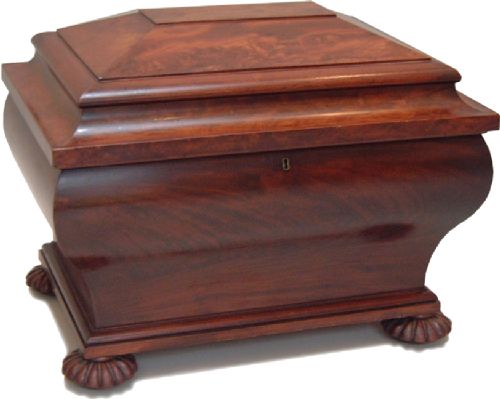
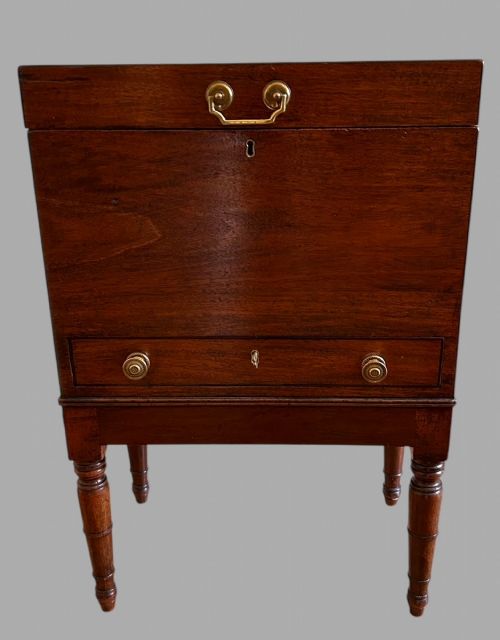
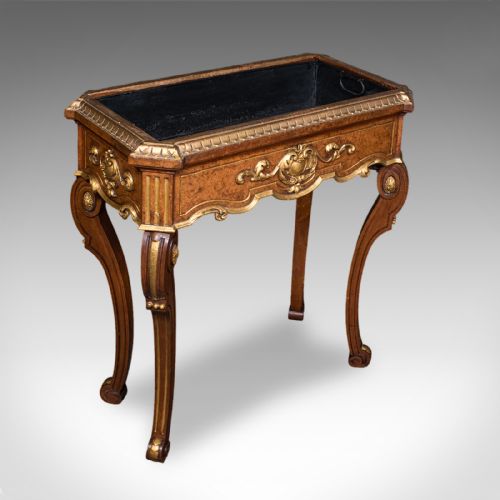
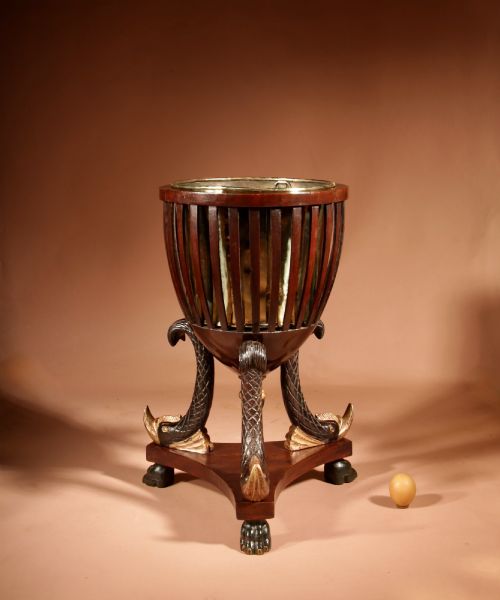
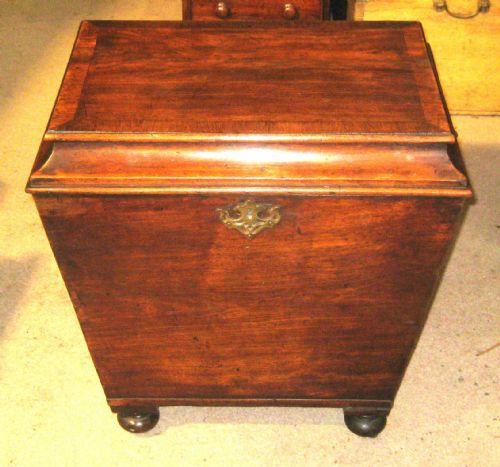
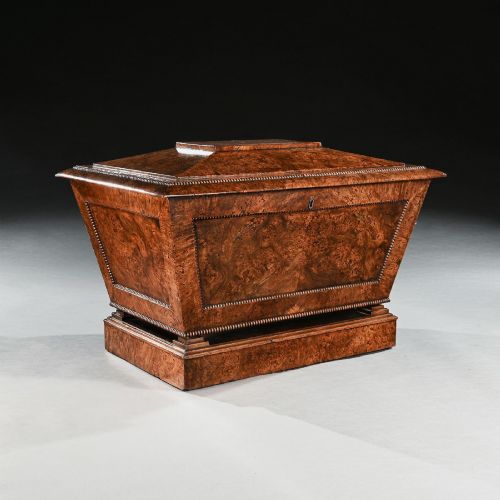
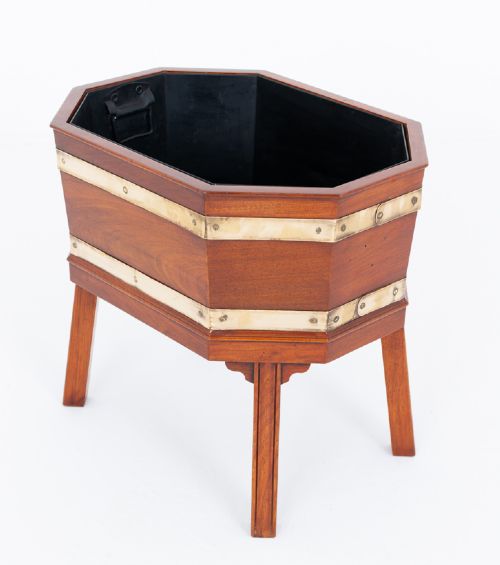
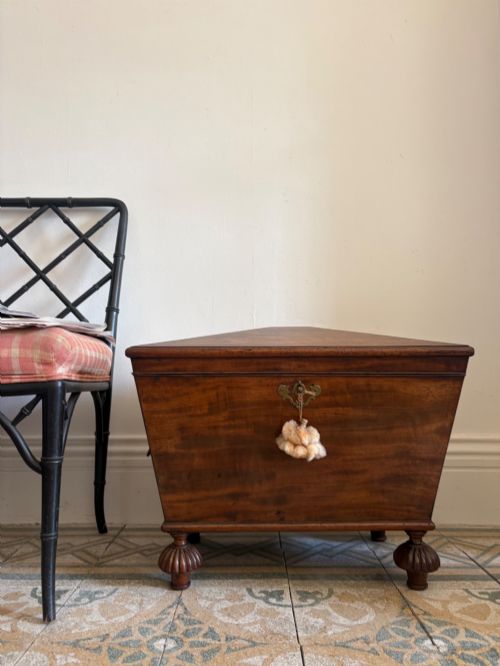
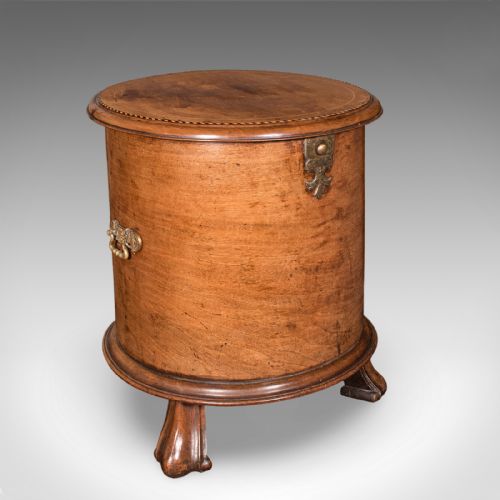
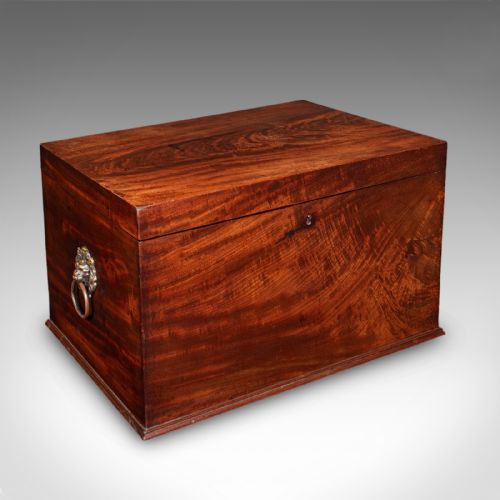
A regency wooden wine cooler, often listed as a cellarette, is a period receptacle built to hold wine bottles and ice during meals. These pieces appear primarily in mahogany, walnut, and oak, taking forms such as sarcophagus shapes, boxes, and jardinière stands.
Most examples date from the Georgian and Regency eras, spanning the late eighteenth and early nineteenth centuries, though later revival pieces also emerge. Buyers encounter sarcophagus forms most frequently, often resting on carved paw feet or plinth bases.
Makers designed these items for dining rooms where hosts served wine directly from the sideboard or floor. The presence of interior liners indicates their original function of holding ice alongside glass bottles.
Assessing quality in period coolers
Quality rests upon the choice of timber and the depth of the figure in the wood, with flame mahogany and pollard oak commanding attention. Finer pieces display careful grain matching across the panels and crispness in carved details such as paw feet or reeded moulding.
The integrity of the interior lining and the survival of original brass fittings indicate higher grade manufacture. Workshops that supplied bespoke pieces used heavier gauge metals and superior joinery compared to later revival or utility items.
Many pieces retain their original lead linings, quietly holding the icy echoes of Georgian dinner parties two centuries later.
Gillingtons·Thomas Hope·T Feetham·Gillows of Lancaster and London·Maples and Co·Robert Strahan and Co
The Regency Wooden Wine Cooler Glossary
- Cellarette
- A lockable container used for storing and cooling wine bottles near the dining table. They frequently double as wine coolers in period listings.
- Sarcophagus
- A coffin-like shape with a domed lid and tapered sides popular for large nineteenth century coolers. This form mimics ancient stone tombs adapted for domestic dining furniture.
- Jardinière
- A decorative stand or receptacle for holding plants and flowers rather than wine. These share similar timber construction and metal liners with cooler boxes.
- Ormolu
- Gilded bronze mounts applied to furniture for decorative contrast against dark wood. This technique appears on high status pieces from the Regency and Empire periods.
- Pollard oak
- Timber taken from trees that were cut back to promote dense branch growth, creating a mottled grain pattern. Cabinetmakers used this wood for decorative veneer work.
Regency Wooden Wine Cooler: Frequently Asked Questions
What is a regency wooden wine cooler used for today?
Buyers repurpose these sturdy boxes as side tables, log baskets, or magazine holders in living spaces. Their deep interiors make them practical storage chests for modern homes.
Some collectors continue to use them for chilling wine during dinner parties, utilising the original metal liners for ice.
How can I tell a genuine period piece from a revival?
Examine the construction methods, timber patination, and interior wear to determine age. Period pieces from the nineteenth century show hand-cut joinery and signs of historical use on the timber.
Revival pieces often display machine-made elements, lighter secondary woods, and standardised hardware that differs from authentic Georgian examples.
What is the difference between a cellarette and a wine cooler?
The terms often overlap in antique listings, though cellarettes traditionally feature locking lids to secure expensive wine from servants. Wine coolers may lack locks and sometimes incorporate open planter forms like jardinières.
Both items served the same function in the dining room and share identical construction materials from the Regency period.
How do I care for the wood on an old wine cooler?
Keep the wood away from direct heat sources and strong sunlight to prevent the timber and veneer from splitting. Apply a quality wax periodically to maintain the surface sheen and nourish the dry grain.
Avoid placing melting ice directly onto unlined wooden sections if the original zinc or lead liner is missing.