



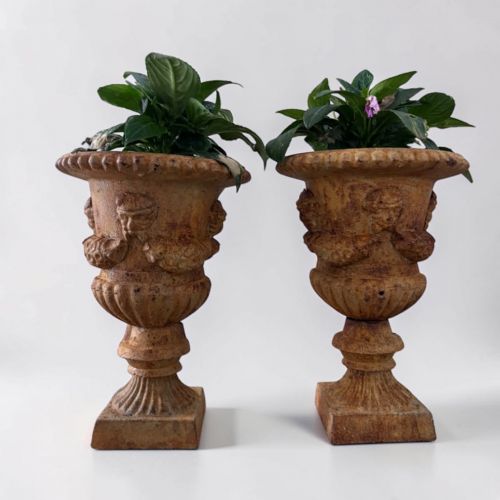


Nineteenth Century Planter
A nineteenth century planter brings living greenery indoors with enduring craftsmanship, uniting decorative ceramics, warm metals and rich timbers.
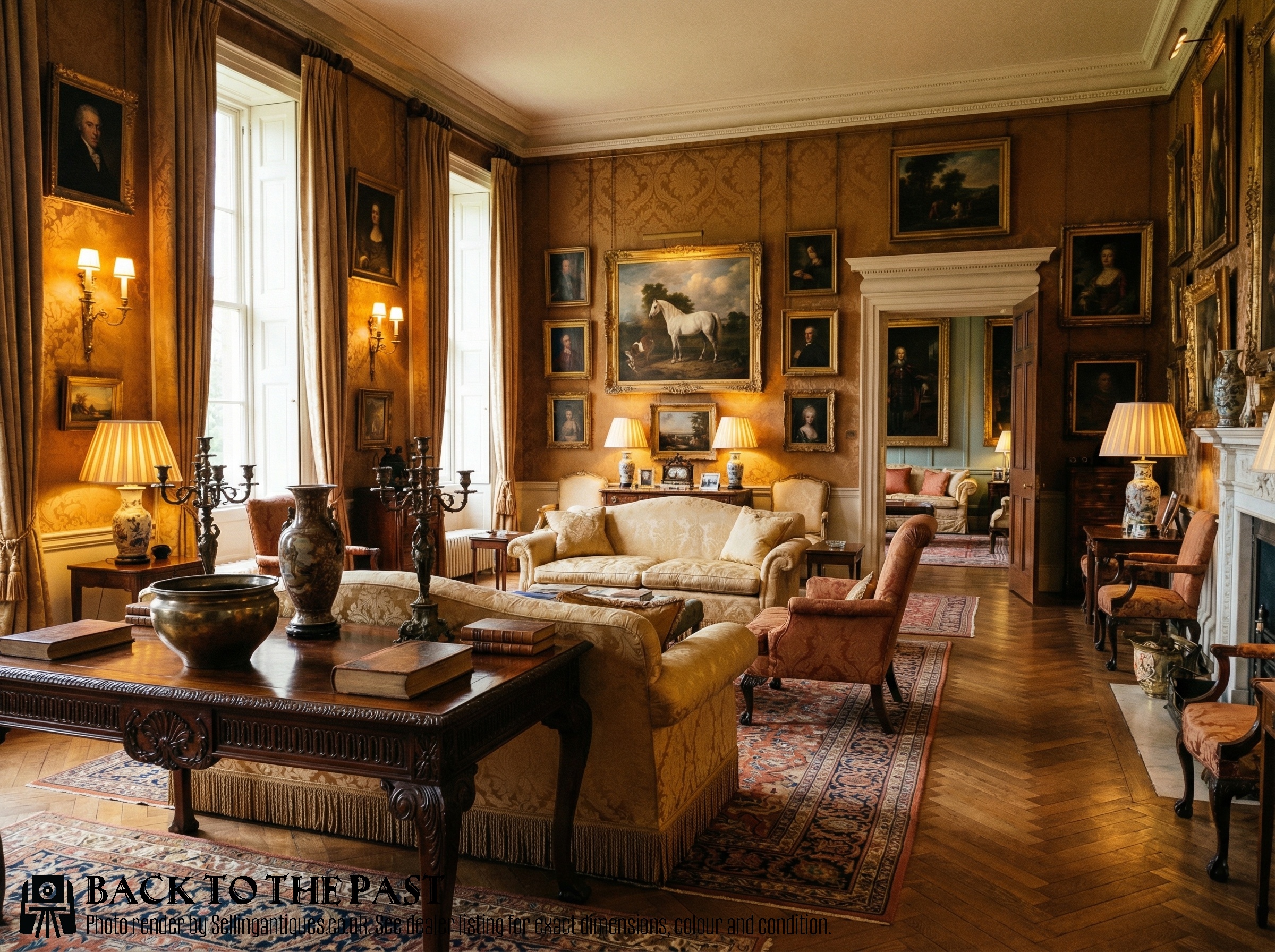
Nineteenth Century Planter
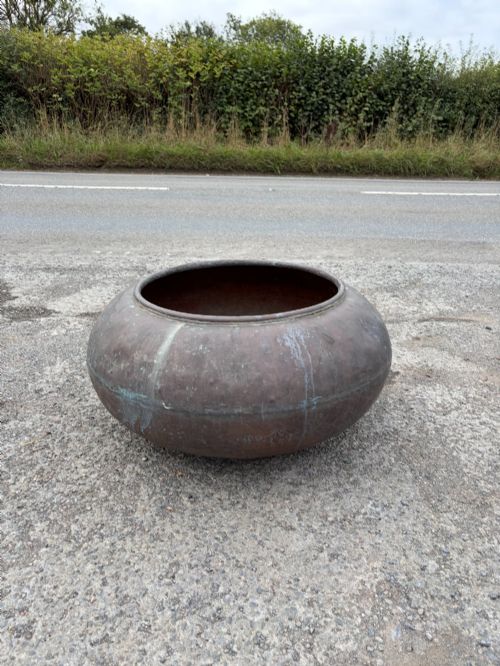
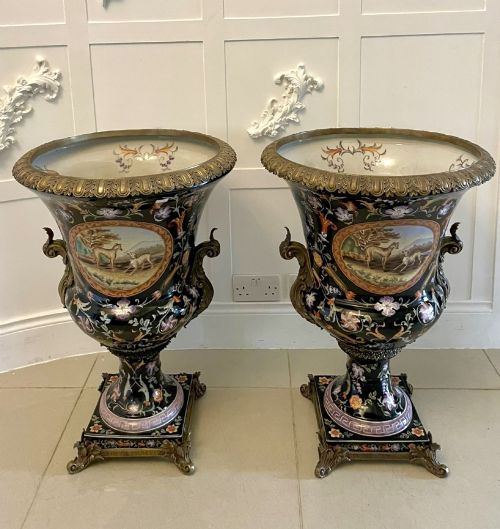
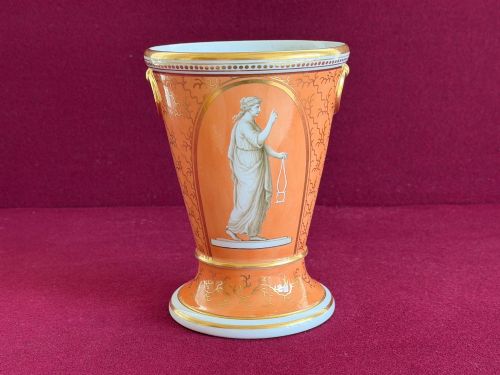
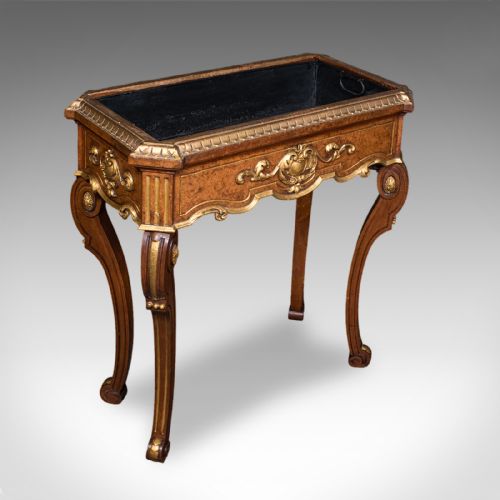
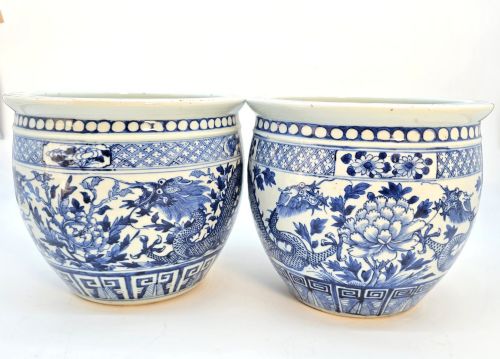
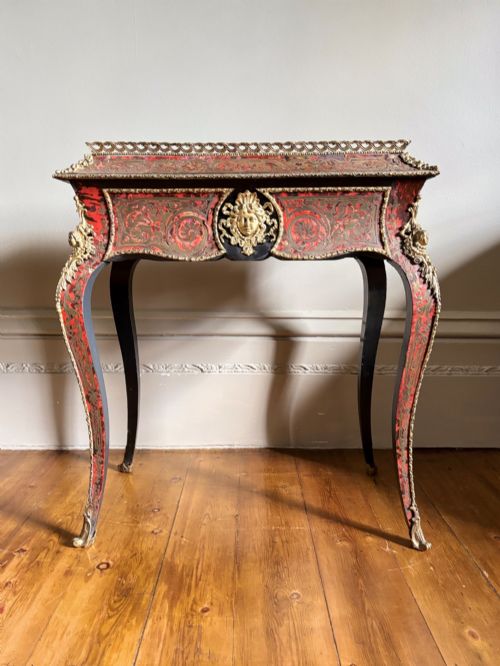
A nineteenth century planter encompasses a diverse range of vessels designed to house indoor plants, including porcelain jardinières, copper pots, and grand garden urns. These pieces span various cultural aesthetics, from French Rococo Revival and Japanese Meiji bronzes to classical English walnut stands.
Buyers most frequently encounter ceramic vessels and metal jardinières resting upon dedicated stands or tables. The form shifts fluidly from small tabletop bowls to substantial floor-standing bronze vases and cast iron terrace urns.
Materials and construction
Makers utilised a rich palette of materials combining structural timbers such as walnut, mahogany, and ebonised wood with decorative veneers like kingwood and marquetry inlay. Metalwork played a central role, employing cast iron, copper, brass, ormolu, and bronze for durability and ornamentation.
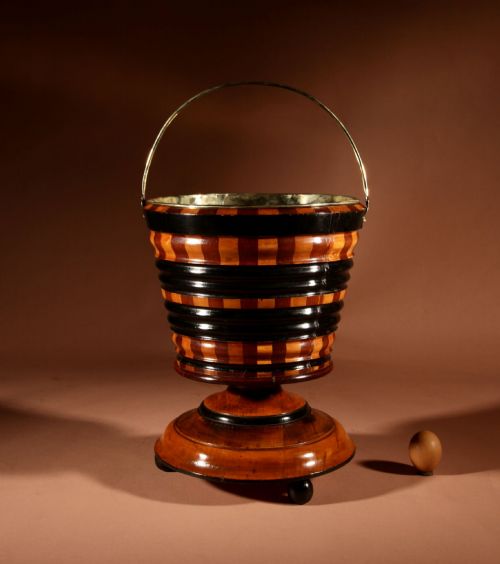
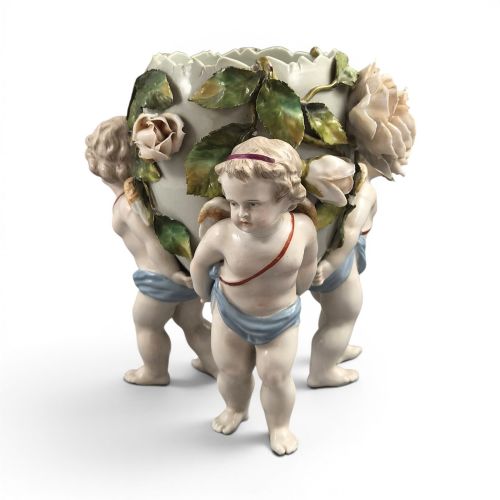
Ceramic vessels relied on fine porcelain and earthenware traditions, produced by notable factories utilising transfer printing, hand painting, and applied relief. Coopered construction appeared in wooden buckets, while bronze pieces often involved intricate casting and patination techniques.
Nineteenth Century Planter Retail Price Guide 2026
Typical asking prices for nineteenth century planter among the pieces listed under this phrase on Sellingantiques today, from the lower quarter to the upper quarter. They describe what is for sale here now, not the wider market.
Object types include jardiniere tables, garden urns, plant stands, decanter caddies, and footbaths.
Distinctions in quality
Quality rests upon the crispness of detail in cast metal mounts, the depth of bronze patination, and the precision of marquetry inlay on timber tables. Superior pieces demonstrate integration between the container and its stand, maintaining structural integrity alongside decorative refinement.
Hand-painted ceramic jardinières reveal artistry through brushwork control and glaze consistency, distinguishing bespoke studio output from standard commercial wares. The weight of the metal and the thickness of the timber indicate the original intended tier of patronage.
Flight & Barr Worcester·Sitzendorf·Barbedienne
The Nineteenth Century Planter Glossary
- Jardiniere
- An ornamental pot or stand designed to hold plants or flowers. They often take ceramic, metal, or wooden forms.
- Ormolu
- Gilded bronze mounted onto furniture or decorative vessels for ornamental effect. The technique involves applying a mercury and gold amalgam to bronze.
- Boulle
- Marquetry style utilising tortoiseshell and brass inlay developed in France. This technique adorns luxury stands and cabinets.
- Coopered
- Wood construction made from curved staves bound together with metal hoops, traditionally used for buckets and tubs.
Nineteenth Century Planter: Frequently Asked Questions
What is a nineteenth century planter used for?
These vessels originally housed potted plants, ferns, and floral displays within parlours and drawing rooms. They protected delicate interior surfaces from moisture while adding a formal decorative accent.
Today, they serve similar horticultural purposes or function as striking standalone decorative objects in modern living spaces.
How do I care for a metal planter?
Metal planters require gentle cleaning with a dry or slightly damp cloth to preserve their original patina. Avoid abrasive polishes that strip historical surface finishes.
Protect interior metal surfaces from direct moisture contact by using a separate plastic liner pot for live plants.
Where should I place a jardiniere table?
Jardiniere tables suit hallways, drawing rooms, or bright corners where natural light highlights the timber grain and metal mounts. Their sturdy construction supports heavier floral arrangements comfortably.
Ensure wooden and veneered surfaces stay away from direct heat sources to prevent timber splitting.
How do I identify a Meiji period bronze?
Meiji period bronzes originate from late nineteenth century Japan and display exceptional casting quality with deep, rich patination. They often feature naturalistic motifs such as birds, flora, or dragons.
Examining the weight and the underside casting marks helps confirm the period origin.