
Vintage Brass Vessel
A vintage brass vessel brings warmth and heavy metal texture into a room, spanning periods from the eighteenth century to the twentieth.
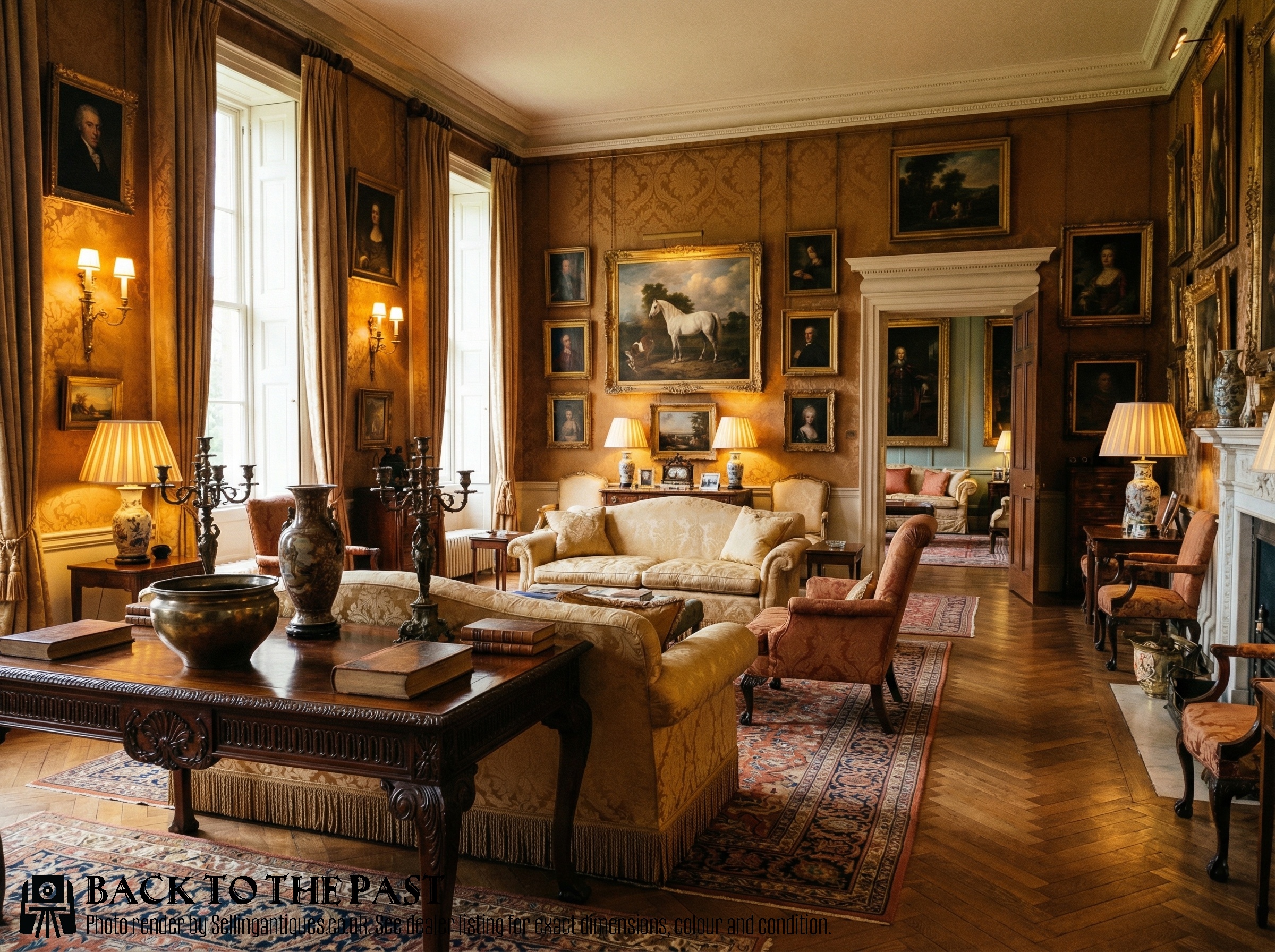
Vintage Brass Vessel
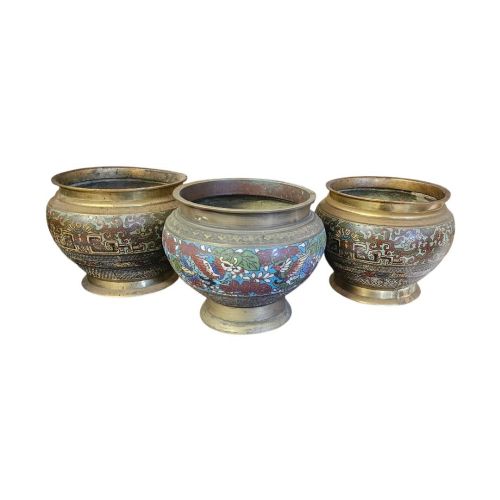
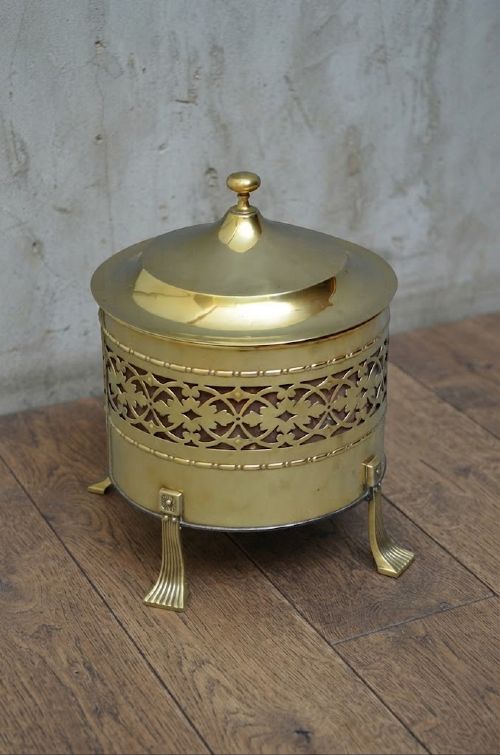
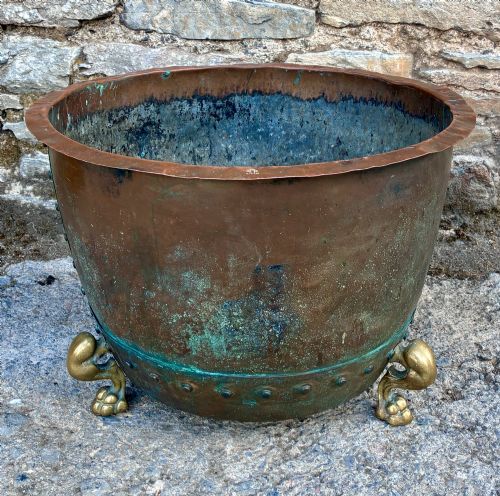
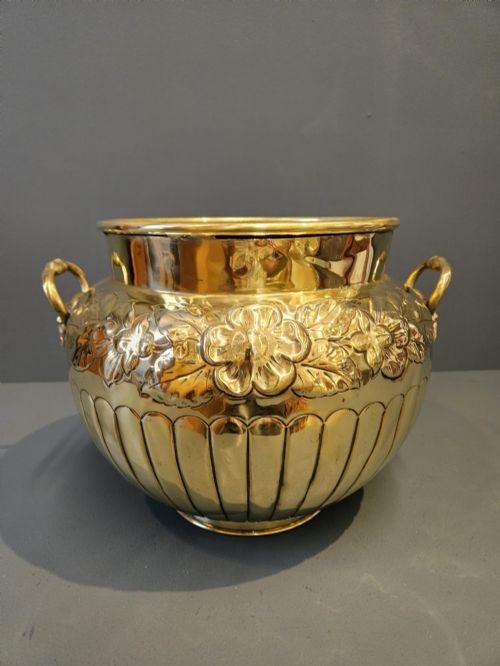
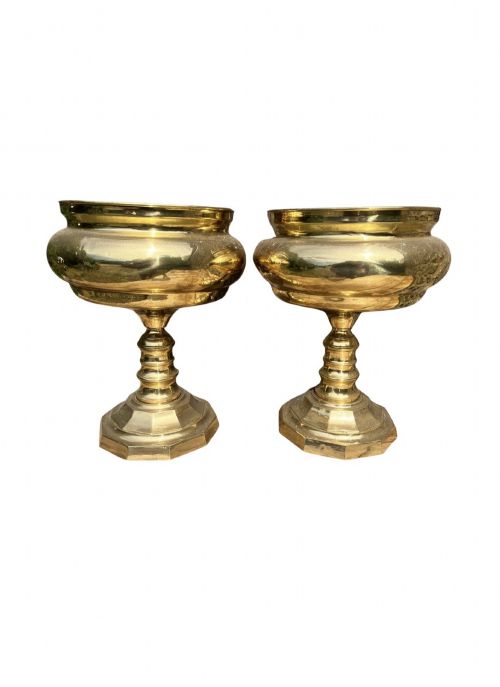
A vintage brass vessel encompasses a wide range of functional and decorative metal objects, including planters, jardinières, cauldrons, kettles, and ewers. Buyers seeking a vintage brass vessel encounter forms originating from Victorian domestic spaces, Edwardian reception rooms, and international workshops.
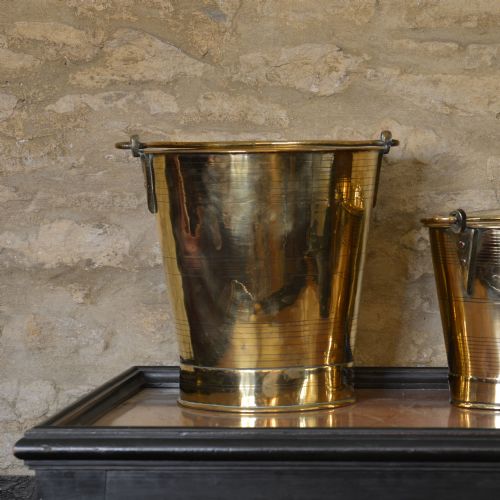
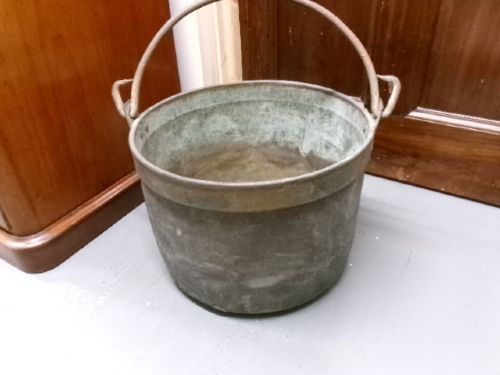
The selections span distinct historical eras, most notably the nineteenth century, alongside pieces labelled Georgian, Victorian, and Edwardian. Common physical manifestations include coal buckets, campaign vessels, and heavy display pans shaped by hand or turned on a lathe.
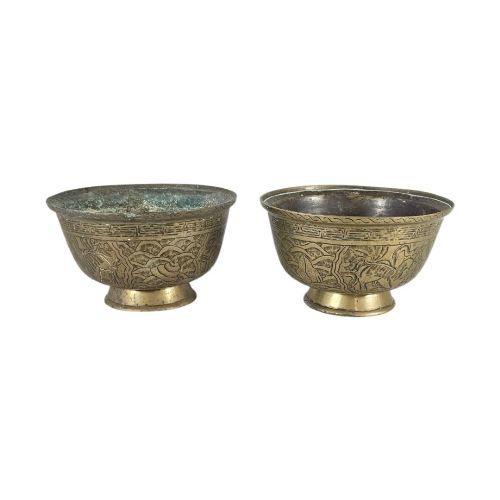
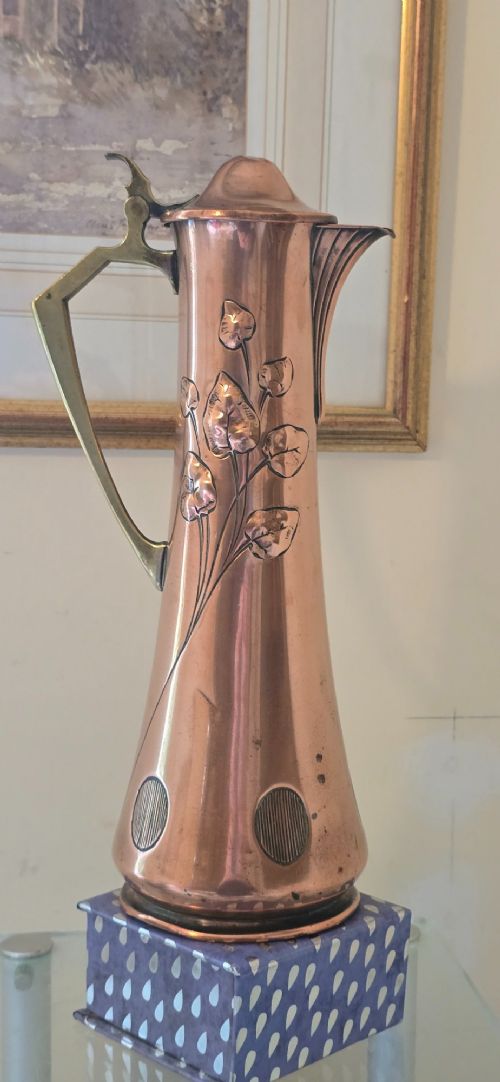
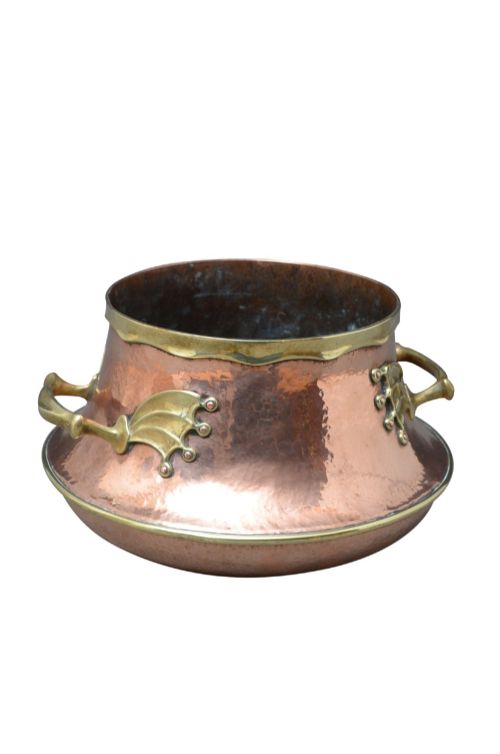
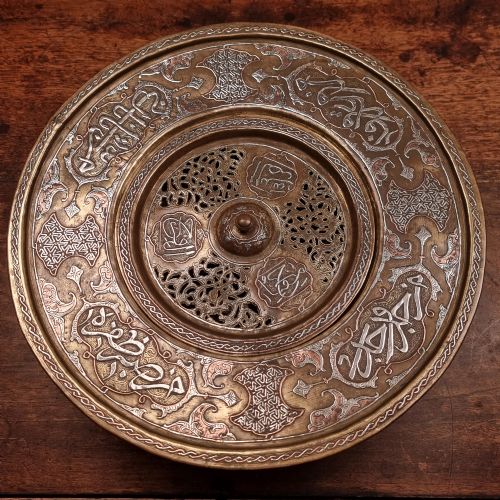
Origins vary significantly across the listings, incorporating English country house items, Dutch containers, Anglo-Indian items, and Chinese bronze or brass pieces. This diversity means a buyer might select a utilitarian dairy cream can, a decorative Islamic silver inlaid wash bowl, or an Art Nouveau copper-plated sugar bowl.
What varies in quality
Quality rests in the substance of the metal and the integrity of the construction, distinguishing heavy, thick-walled cast or hammered pieces from lighter, mass-produced alternatives. Objects featuring robust dovetailing, secure riveting, and substantial weight demonstrate superior original purpose and durability.
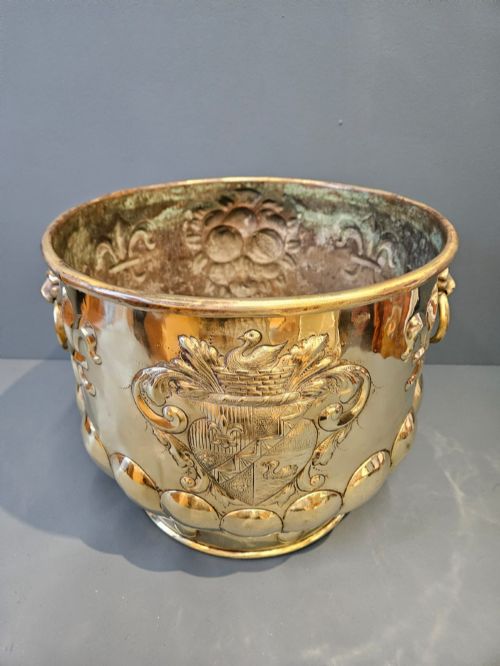
Artistic execution and decorative detail drive the upper tier of pieces, where embossed motifs, crests, or mixed metal inlay show deliberate hand skill rather than mechanical repetition. Maker attribution and well-preserved surface patination further elevate the standing of an individual vessel.
Vintage Brass Vessel Retail Price Guide 2026
Typical asking prices for vintage brass vessel among the pieces listed under this phrase on Sellingantiques today, from the lower quarter to the upper quarter. They describe what is for sale here now, not the wider market.
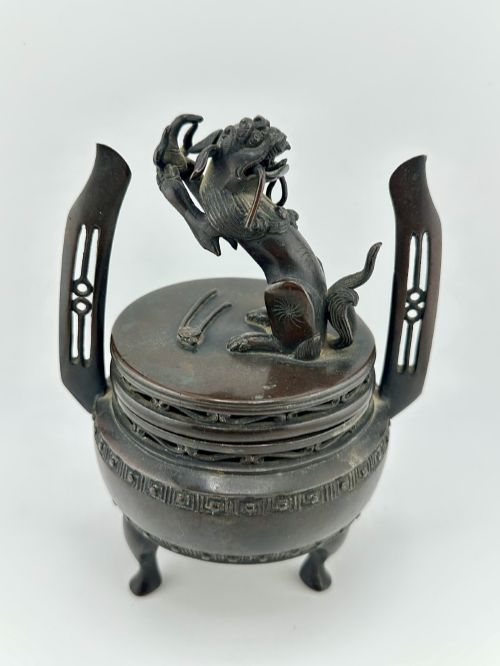
A Surrey dairy cream can sits comfortably alongside an Islamic wash bowl and a Chinese censer.
William Soutter and Sons·WMF
The Vintage Brass Vessel Glossary
- Jardiniere
- An ornamental pot or stand for holding plants or flowers. These vessels often feature heavy brass or copper construction with embossed detailing.
- Cairoware
- Brass metalware inlaid with silver, copper, or gold, produced in Egypt and the Middle East during the nineteenth century. The technique creates intricate geometric and calligraphic patterns across the surface.
- Cloisonne
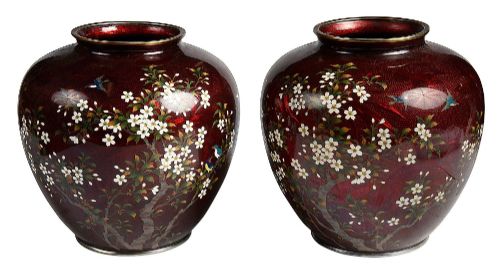
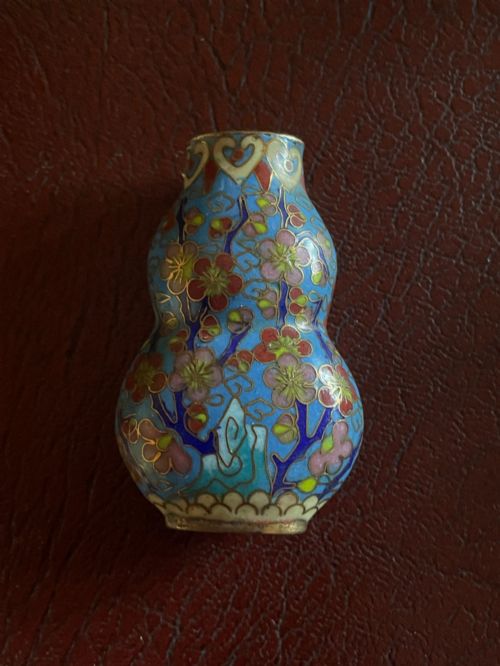
- An ancient technique for decorating metalwork objects with coloured material held in place by thin metal strips. It appears frequently on vases and vessels from eastern origins.
- Coopered
- Made by a cooper using wooden staves bound together with metal hoops, typical of buckets and barrels. This method ensured liquid tightness in utility items.
- Dinanderie
- European brass and bronze wares, particularly medieval and revival domestic items produced by hammering and casting. The term describes decorative vessels shaped by skilled metalworkers.
Vintage Brass Vessel: Frequently Asked Questions
What were vintage brass vessels used for?
Many of these vessels served practical domestic or agricultural functions, holding coal by the hearth, boiling water, or containing liquids and dry goods.
Others were purely decorative, intended to house plants as jardinières, display fine metalwork, or hold holy water in cultural practices.
How do I clean a brass vessel?
Cleaning depends entirely on the desired finish and the presence of historic patination, which many collectors prefer to leave undisturbed.
Gentle washing with warm soapy water removes surface dirt safely, while chemical polishes should be avoided on pieces with delicate inlays or ancient surfaces.
Are all these vessels made of solid brass?
The listings show a frequent combination of metals, pairing brass with copper, bronze, or pewter within the same item.
Other examples incorporate organic materials, such as oak staves bound with brass bands or wooden handles swinging from metal bodies.
How can I tell the age of a vessel?
Age is indicated by construction methods like hand-hammering, early riveting styles, and the specific mix of design movements.
Historical markers include Victorian crests, Edwardian fretwork, or stylistic influences such as Art Nouveau and Mamluk Revival.