

Antique Pedestal Planters
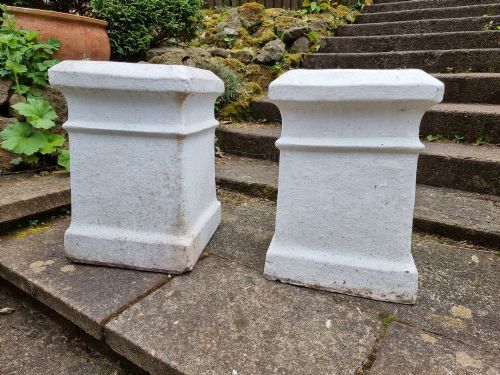
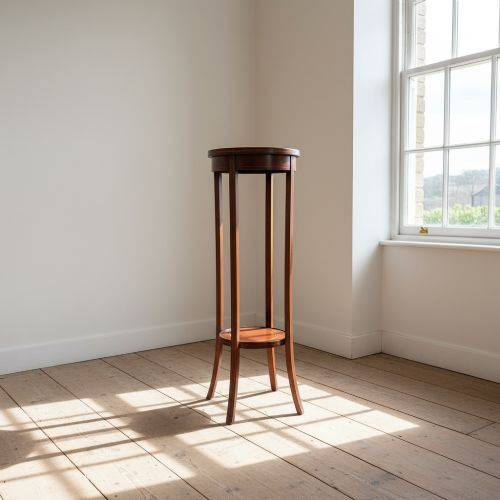
Antique pedestal planters elevate greenery on stone, iron, terracotta or timber columns, bringing classical presence to gardens and interiors.
Antique Pedestal Planters
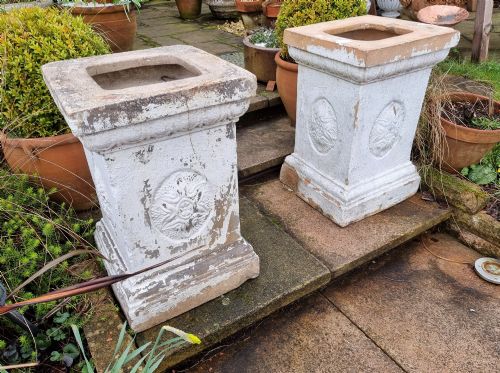
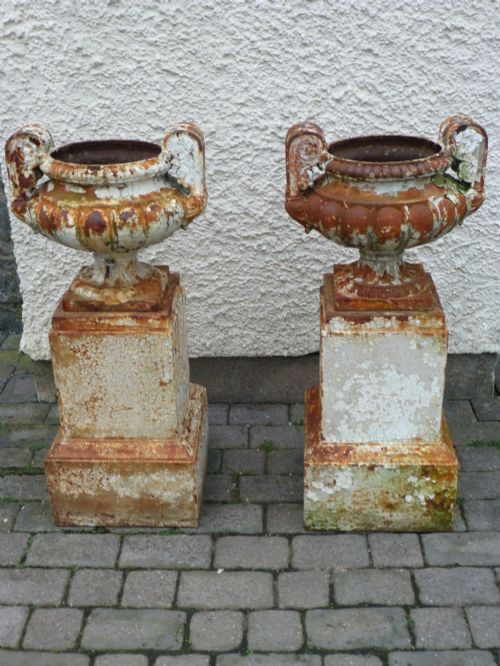
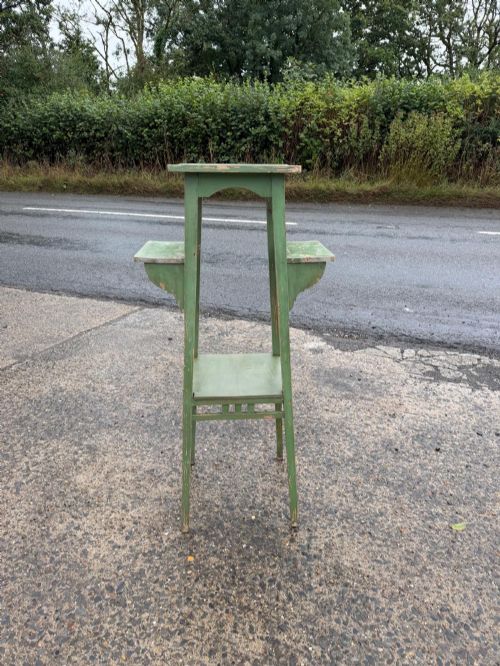
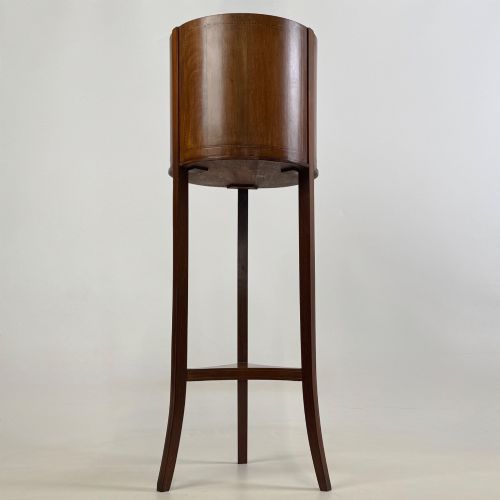
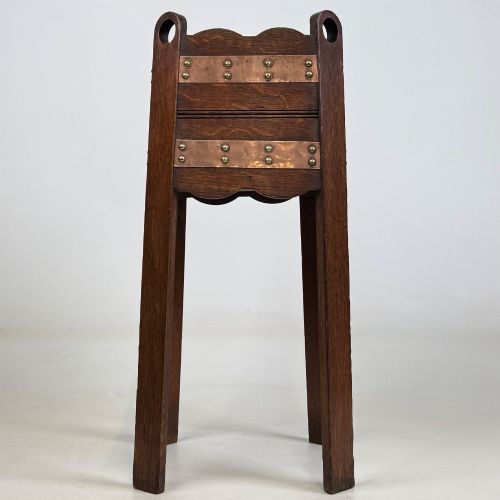
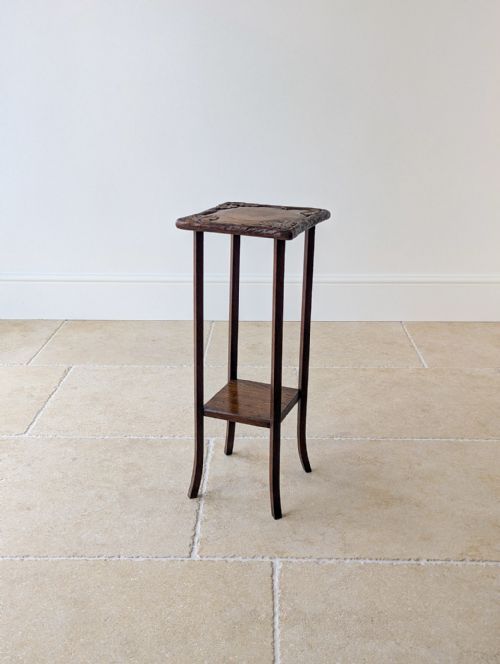
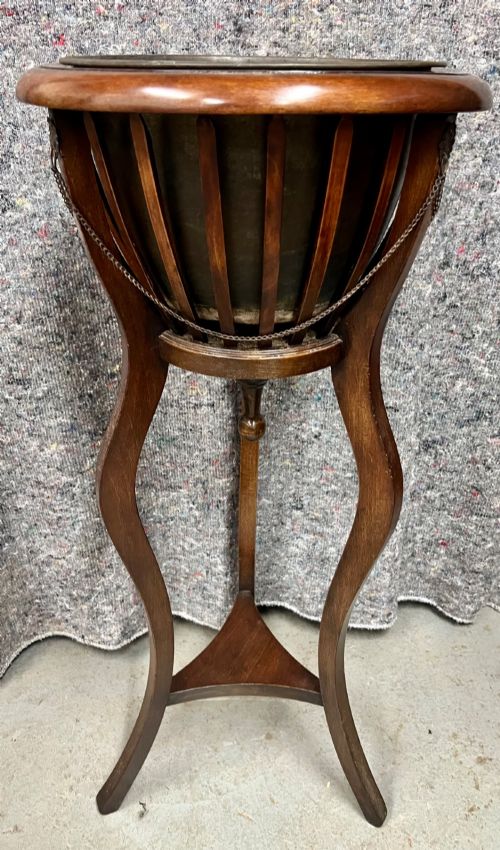
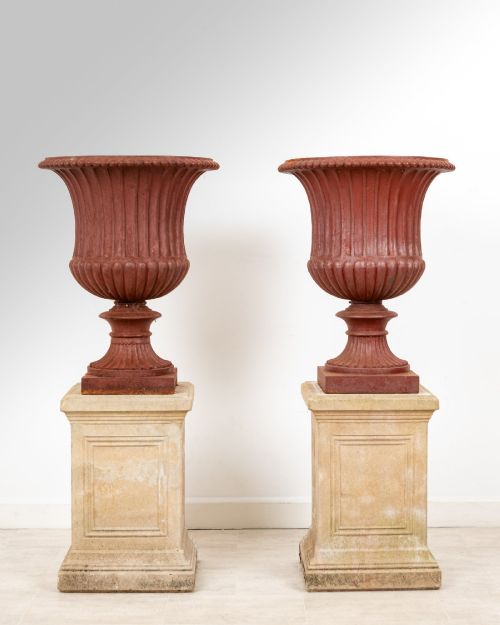
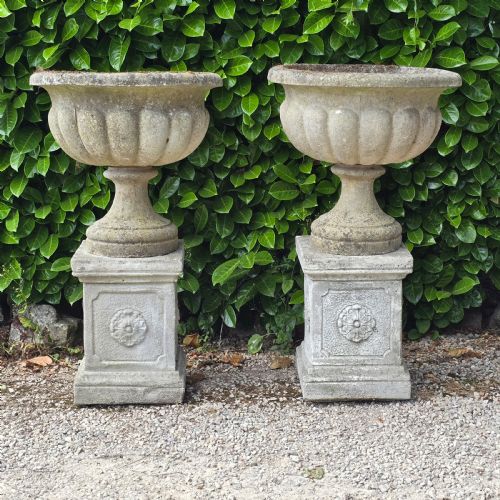
These pieces combine an elevated stand with an upper vessel for displaying plants, featuring forms such as campana urns, jardiniere stands, plant stands and garden pedestals. The selection spans the Georgian, Victorian and Edwardian eras, alongside pieces from the early twentieth century.
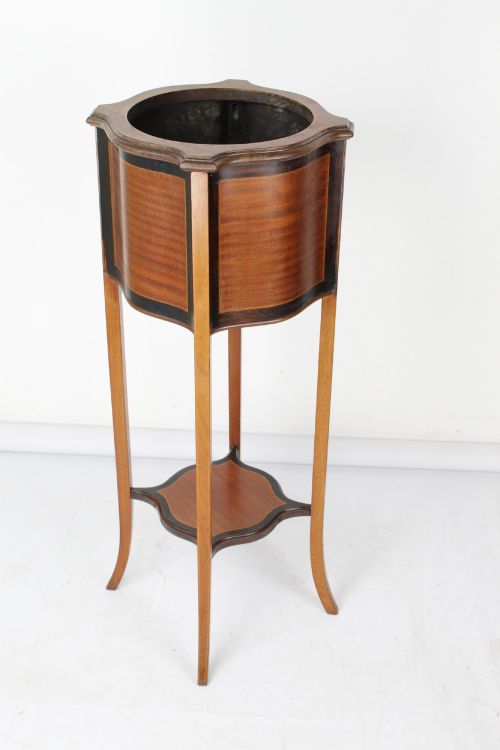
Indoor examples appear in timber such as mahogany and oak, while outdoor pieces rely on durable outdoor mediums. Buyers encounter matched pairs designed for grand entrances as well as single stands intended for corners or halls.
How they were made
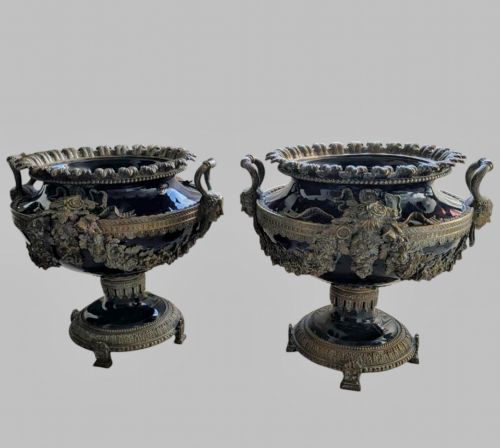
Metal vessels and stands utilise cast iron, brass and wrought iron, often worked by notable foundries using traditional moulding techniques. Ceramic and terracotta planters employ earthenware and majolica glazes, shaped and fired in kilns.
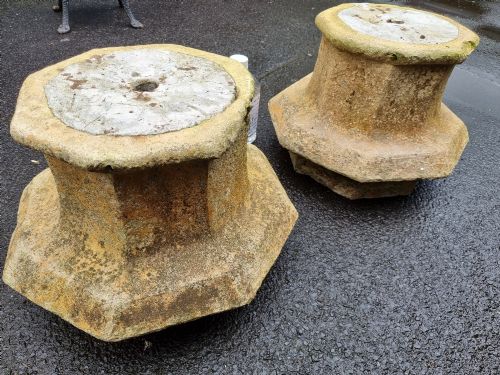
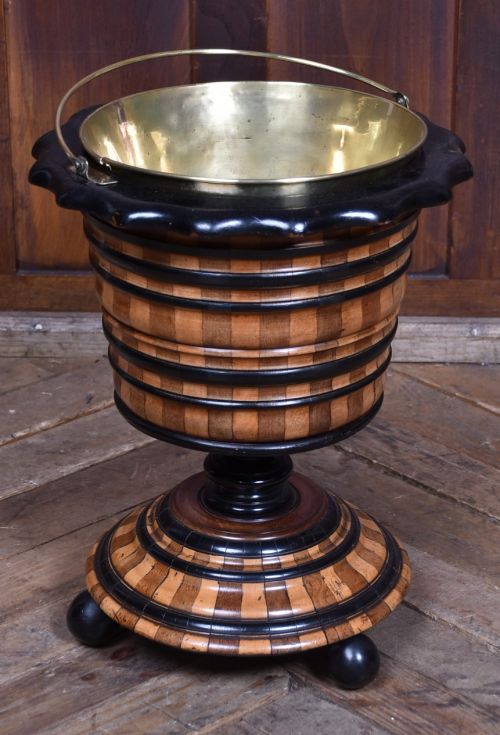
Timber plant stands rely on mahogany and oak construction, incorporating inlaid details or carved elements. Stone and composite materials are cast to achieve neoclassical and Gothic architectural details.
Listings feature materials spanning cast iron, brass, mahogany, terracotta, earthenware, glazed ceramic and cast stone across multiple centuries.
What varies in quality
The standard of a piece depends upon the crispness of its cast ornament or the depth of its hand-carved woodwork. Foundry marks and maker attributions elevate certain iron and ceramic examples above unmarked commercial work.
Original surfaces, such as weathered patination on stone and iron or original paint on timber, dictate the desirability of the piece. Complete pairings of urns with their matching original plinths command greater interest than assembled or mismatched sets.
Dunfermline Clay Company·Falkirk Carron foundry·Coalbrookdale·Andrew Handyside·Burmantofts·Royal Doulton
The Antique Pedestal Planters Glossary
- Campana urn
- A bell-shaped garden vessel with an everted rim, commonly mounted on a pedestal base. This classical shape originates from antiquity and remains popular in nineteenth-century cast iron and terracotta.
- Jardiniere
- An ornamental ceramic, metal or wooden pot designed to hold a plant or flower arrangement. These vessels frequently rest on dedicated tall stands or column bases.
- Majolica
- A type of earthenware coated with an opaque tin-glaze and painted with bright colours. This technique produces vibrant, glossy garden and indoor planters from the Victorian period.
- Terracotta
- Fired unglazed clay possessing a characteristic reddish-brown earthen tone. Weathered examples show porous surfaces acquired through outdoor exposure.
- Plinth
- A heavy rectangular or square block supporting a column, urn or statue. These solid bases raise the display height of garden planters.
Antique Pedestal Planters: Frequently Asked Questions
Are pedestal planters suitable for outdoor use?
Cast iron, terracotta and cast stone pieces tolerate garden conditions well, especially when protected from severe frost. Weathered surfaces develop naturally outdoors over decades of exposure.
Wooden plant stands and delicate brass or majolica jardiniere sets remain best suited for interior display rooms and conservatories.
How do I identify the period of a planter?
Stylistic clues such as Gothic revival arches, Arts and Crafts simplicity or neoclassical acanthus leaves point to specific design eras. Material choices and foundry marks offer further chronological context.
Nineteenth-century ironwork often displays registration numbers or foundry stamps, while Edwardian pieces frequently utilise mahogany or oak timber.
Can I separate the urn from the pedestal?
Many traditional garden urns rest on their plinths by gravity alone, held in place by their substantial weight. Large cast iron or stone campana pieces often lift off their bases for easier transport.
Indoor wooden plant stands are typically constructed as single fixed units rather than detachable assemblies.
How should I care for antique brass and bronze?
Dust metal jardinieres regularly with a soft dry cloth to prevent the accumulation of surface dirt. Avoid harsh chemical polishes that strip away historical patination.
Lined brass pieces should be kept dry inside to prevent moisture damage to the internal seams.