


Brown Mahogany Planter
These brown mahogany planters bring rich timbers and classical forms into a room, offering a practical home for large interior plants.
Brown Mahogany Planter
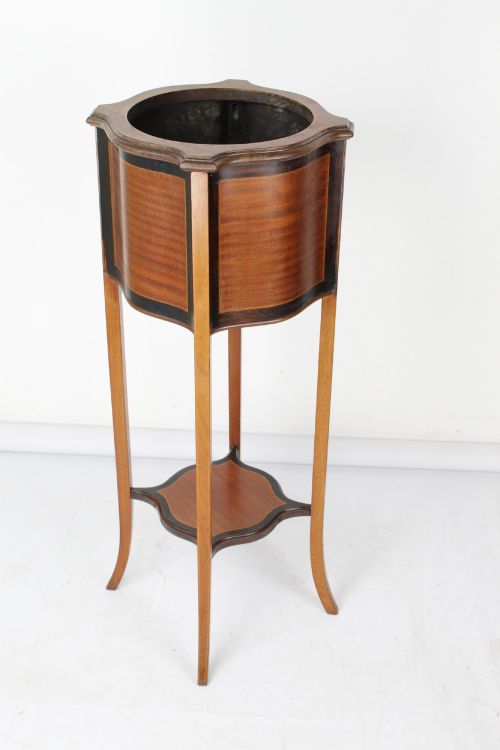
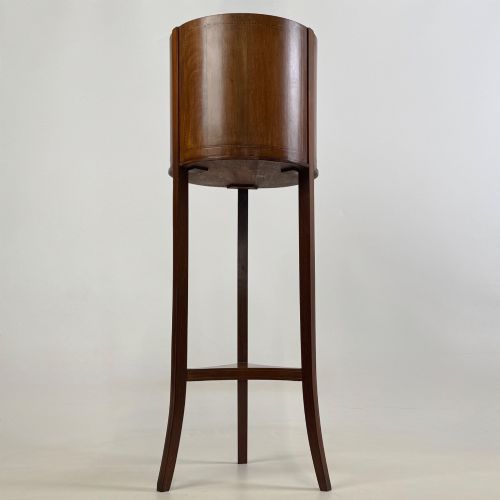
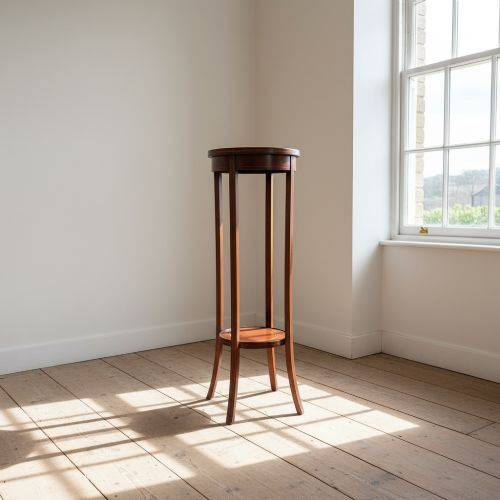
A brown mahogany planter encompasses versatile wooden vessels and stands designed to hold greenery, including plant stands, jardiniere stands, and repurposed wine coolers or buckets. These items span periods from the eighteenth century through the Edwardian era, showing both Georgian proportions and later revival styles.
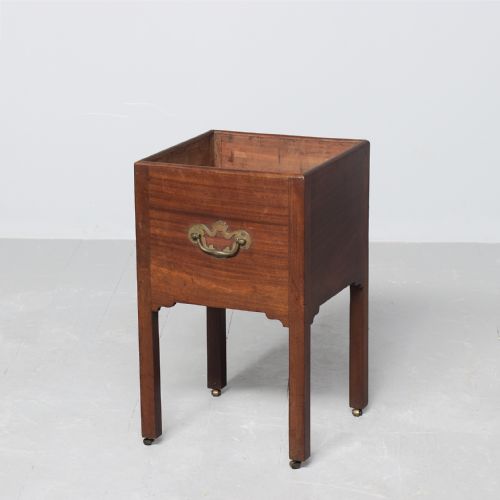
The selections available here rely heavily on Edwardian and Georgian examples, alongside nineteenth-century adaptations that often double as wine coolers or cellarettes. Buyers frequently encounter traditional mahogany jardiniere stands, alongside brass-bound buckets and plant stands featuring satinwood or boxwood inlay.
Makers and designers across these periods utilised the deep grain of mahogany to create functional display pieces for the principal rooms of a house. Whether opting for a tall plant stand or an open wine cooler adapted for planting, each form reflects the domestic habits of its period.
How they were made
Cabinetmakers constructed these pieces primarily from solid mahogany and mahogany veneers, often selecting timber with a rich, dark grain. Structural elements relied on traditional joinery to support the weight of wet soil and large plants.
Many examples incorporate secondary materials such as brass bands, metal liners, and studs to secure the construction and manage moisture. Decorative details frequently include boxwood and satinwood inlay, adding contrast to the dark body of the wood.
Materials appearing across the inventory include solid mahogany, satinwood inlay, boxwood, brass bands, and iron studs.
What varies in quality
The standard of a brown mahogany planter depends on the crispness of its cabinetwork and the selection of the timber. Finely figured mahogany grain and precise boxwood or satinwood inlay elevate a piece far above simpler, utilitarian workshop output.
Original brass fittings, handles, and liners also distinguish superior examples from later replacements or heavily restored pieces. The integrity of the internal structure and the retention of period patination determine the overall presence of the object.
The Brown Mahogany Planter Glossary
- Jardiniere
- A decorative pot or stand designed to hold plants or flowers indoors. These vessels often sit on dedicated stands or form part of larger architectural furniture groups.
- Cellarette
- A lockable container used originally for storing bottles of wine, frequently lined with metal to hold ice. Many such vessels now serve as plant holders.
- Inlay
- A technique where pieces of contrasting timber, such as boxwood or satinwood, are inserted into the mahogany surface to form decorative patterns.
- Brass bound
- A construction method utilising metal bands encircling wooden buckets or tubs to provide structural strength and decorative contrast.
Brown Mahogany Planter: Frequently Asked Questions
Can I use an antique wine cooler for live plants?
Many period wine coolers and cellarettes feature metal linings originally intended for ice, which make them suitable containers for potted plants today. It remains sensible to use a modern inner pot to protect the historic timber from direct moisture.
Ensuring proper drainage and avoiding standing water inside the antique vessel preserves the integrity of the mahogany and any internal metal components over time.
How do I date a mahogany plant stand?
Dating relies on examining the construction methods, timber selection, and stylistic details such as inlay patterns or leg forms. Georgian pieces generally show different proportions and carving techniques compared to later Edwardian revivals.
Comparing the secondary woods used inside the construction alongside the wear patterns helps confirm the period of manufacture.
What is the difference between a jardiniere and a plant stand?
A jardiniere typically refers to the vessel or bowl itself designed to hold soil and plants, whereas a plant stand is the elevated piece of furniture created to support it.
Over time, many listings combine these terms because numerous surviving examples integrate the container directly into a tall supporting frame.