



Gothic Column Stand
These gothic column stand examples bring historic ecclesiastical presence into a room, offering robust display plinths for sculpture and plants.
Gothic Column Stand
When you search for a gothic column stand, you encounter architectural display pieces derived from nineteenth-century ecclesiastical and domestic revival designs. These forms include pedestals, torcheres, plant stands, and garden plinths constructed during the nineteenth century and the early twentieth century.
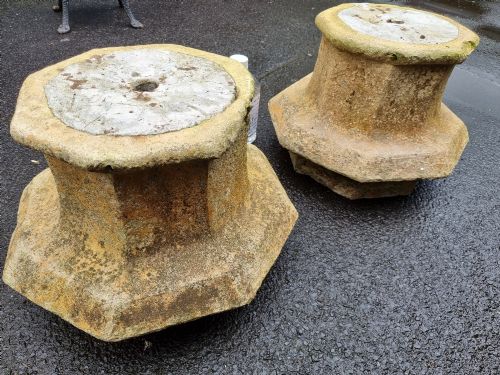
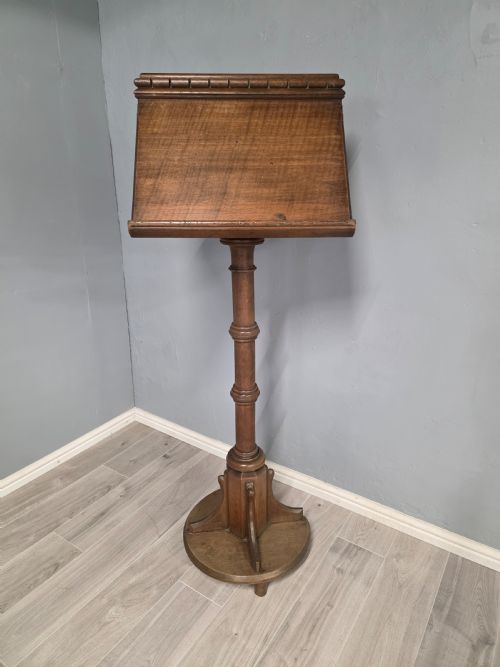
The pieces on this page lean heavily into Victorian Gothic Revival and related styles such as Byzantine and Renaissance revivals. You meet solid oak pedestals featuring architectural columns, composite stone garden plinths, and carved wood torchere stands.
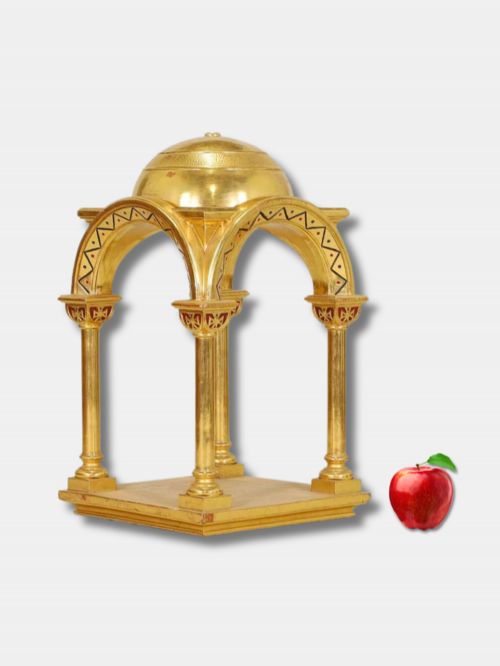
Makers and manufacturers utilised timber, gesso, paint, brass, and composite stone to build sturdy vertical supports. Forms range from spiral columns and octagonal pedestals with arched details to church lecterns and tabernacles.
How they were made
Craftsmen shaped these stands primarily from solid oak and rosewood, employing traditional carving techniques to render columns, caryatids, and structural arches. Timbers were selected for density and grain to support heavy architectural ornaments and display objects.
Surface treatments included gesso, paint, pigment, and giltwood applications to enhance ecclesiastical and revival decorative schemes. Composite stone was also utilised for garden examples, cast to endure exterior environments while maintaining classical column profiles.
Gothic Column Stand Retail Price Guide 2026
Typical asking prices for gothic column stand among the pieces listed under this phrase on Sellingantiques today, from the lower quarter to the upper quarter. They describe what is for sale here now, not the wider market.
Listings feature oak, gesso, brass, and composite stone across nineteenth-century Victorian Gothic Revival and Byzantine Revival styles.
What varies in quality
Quality in a gothic column stand rests upon the depth of the carving and the architectural integrity of the column construction. Pieces featuring hand-carved caryatids or precise tracery outclass simpler turned timber supports.
The choice of material dictates longevity and aesthetic weight, with dense solid oak and finely finished giltwood commanding attention over simpler painted surfaces. Balance and structural proportion define the successful transition from a functional support to a sculptural interior focal point.
T Thomason & Co
The Gothic Column Stand Glossary
- Gothic Revival
- An architectural and decorative style popular during the nineteenth century that revived medieval forms, pointed arches, and ecclesiastical motifs. This style informs the structural ornament of these stands.
- Pedestal
- A vertical support or plinth used to elevate a bust, sculpture, or plant pot. These objects form the primary structural category of the current selection.
- Torchere
- A tall ornamental stand originally designed to carry a torch or candle, later adapted as a lamp or plant pedestal. The evidence includes carved wood examples from the nineteenth century.
- Caryatid
- A sculpted female figure serving as an architectural support taking the place of a column or a pillar. A carved oak caryatid pedestal represents this sculptural tradition in the listings.
- Giltwood
- Wood that has been coated with gold leaf or a gold-coloured finish. This material highlights architectural details on revival tabernacles and stands.
Gothic Column Stand: Frequently Asked Questions
What is a gothic column stand used for?
These pieces serve primarily as structural plinths to elevate sculptures, decorative urns, lamps, and plants within an interior or garden setting. Their vertical proportions draw the eye upward and create distinct focal points in a room.
Historically, similar forms supported ecclesiastical books, candles, or liturgical objects in churches and domestic chapels before transitioning into nineteenth-century drawing-room display furniture.
How do I date a gothic column stand?
Dating relies upon identifying period styles, timber characteristics, and construction methods associated with the nineteenth century and the Victorian era. Revival movements often combined medieval architectural vocabulary with contemporary Victorian manufacturing techniques.
Evidence on this page spans the early nineteenth century through to circa nineteen-twenty, encompassing oak, giltwood, and composite stone examples. Examining surface finishes like gesso and pigment helps contextualize the period of production.
Where should I place a gothic column stand?
These vertical supports suit corners, entrance halls, or flanking positions beside fireplaces where architectural presence enhances the room. Their substantial form anchors heavier display items securely.
Garden plinths made of composite stone suit exterior courtyards or patios, while carved oak and giltwood pedestals belong strictly indoors away from excessive moisture.
Are these stands suitable for heavy items?
Solid oak and composite stone stands offer high structural stability capable of bearing substantial weights such as heavy bronze sculptures or large ceramic planters. The wide base plates typical of column designs prevent tipping.
Lighter torcheres and giltwood stands require more thoughtful placement to ensure stability when supporting top-heavy display objects.