



Yellow Painted Pedestal
A yellow painted pedestal brings architectural presence and vibrant colour to a room, lifting heavy objects into view with distinct visual authority.
Yellow Painted Pedestal
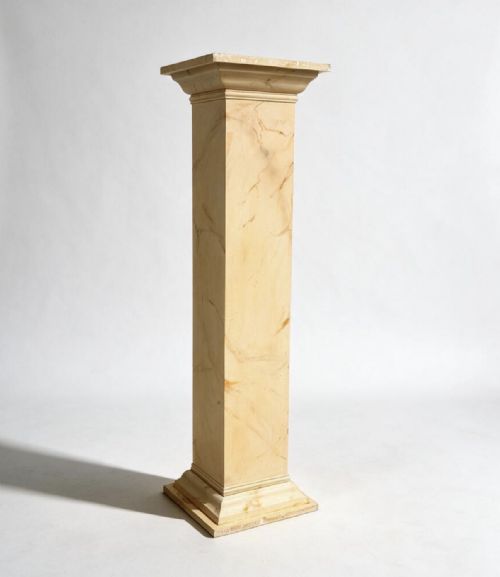
When you search for a yellow painted pedestal, you are looking for vertical display supports finished with distinctive yellow pigments, spanning column forms and cylinder cupboard stands. The pieces seen here emerge from the nineteenth century and the Victorian era, carrying diverse historical expressions.
You are most likely to meet faux marble painted columns and simulated marble pine pedestals on this page, reflecting nineteenth century taste for imitation stone. These supports range from circular profiles to architectural stands designed to elevate items effectively.
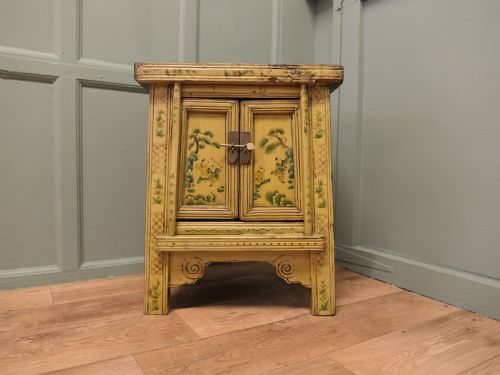
The selection extends to related furnishings like painted pine dog kennel dressers and faux marble cylinder cupboard stands, showing how nineteenth century makers applied yellow and decorative paint finishes across various practical forms.
Materials and construction methods
Craftsmen built these pieces primarily from pine and painted wood, shaping solid timbers into sturdy columns, cylinders, and architectural stands. Surfaces received layers of paint to achieve simulated marble effects, bright yellow pigments, or decorative Chinoiserie schemes.
Makers integrated secondary elements such as brass fixtures and cast iron components, adding structural support and decorative contrast to the wooden bodies. Painters utilised careful brushwork to mimic the complex veining of stone and the rich lustre of gold leaf where appropriate.
Yellow Painted Pedestal Retail Price Guide 2026
Typical asking prices for yellow painted pedestal among the pieces listed under this phrase on Sellingantiques today, from the lower quarter to the upper quarter. They describe what is for sale here now, not the wider market.
Nineteenth century dogs apparently needed their own dedicated architecture, judging by the painted pine dog kennel dresser.
Assessing quality and craftsmanship
The sophistication of the surface finish dictates the visual success of the piece, distinguishing masterly faux marble graining from plain or heavy-handed application. Skilled paintwork captures the translucency and natural irregularity of genuine stone, whereas lesser examples appear flat and opaque.
Structural integrity in nineteenth century joinery separates finer architectural columns from simpler utility stands, particularly in how well the timber seasons and holds its vertical load. The crispness of carved mouldings and the fidelity of revival styles, whether Neoclassical or Gothic, complete the measure of quality.
Helena Wolfsohn
The Yellow Painted Pedestal Glossary
- Torchere
- A tall ornamental stand designed to support a lamp or candle, often taking the form of a slender column.
- Faux marble
- A decorative paint technique intended to imitate the appearance of genuine stone, widely used on nineteenth century wooden furniture and columns.
- Chinoiserie
- European theatrical interpretation of Chinese and East Asian artistic traditions, frequently featuring decorative motifs on painted cabinets and furniture.
- Neoclassical
- A style drawing inspiration from the classical art and architecture of ancient Greece and Rome, characterised by formal balance and classical orders.
- Cylinder cupboard
- A cylindrical standalone storage piece combining a vertical columnar shape with an internal cupboard space.
Yellow Painted Pedestal: Frequently Asked Questions
What is a yellow painted pedestal used for?
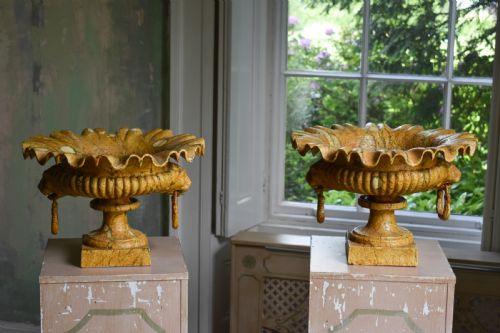
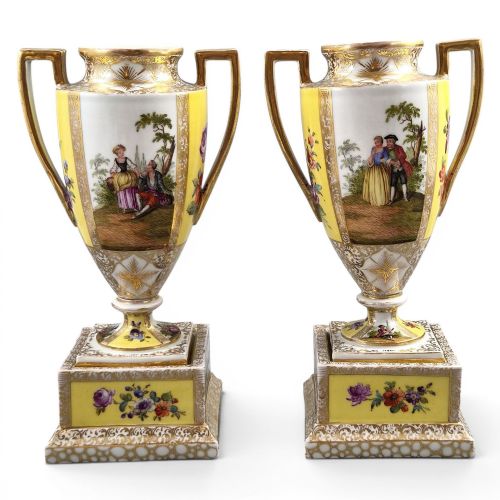
These pieces serve primarily as raised display platforms for heavy urns, sculptures, vases, or table lamps, bringing decorative objects up to eye level. They function as independent architectural elements within a room, adding vertical emphasis and colour.
Historically, nineteenth century interiors utilised such columns and stands in hallways, drawing rooms, and libraries to showcase prized decorative arts and ceramics. Today, they remain versatile supports that anchor corners and punctuate furniture layouts.
How do I tell nineteenth century pedestals apart?
Nineteenth century supports reveal their age through timber selection, construction methods, and the specific character of the painted finishes. Victorian and earlier pieces often display hand-mixed pigments and traditional joinery techniques distinct from modern reproductions.
Examining the wear patterns on the painted surface and the ageing of the underlying pine or wood provides clear clues to the period. stylistic details such as Neoclassical or Gothic Revival motifs also anchor the piece firmly in the nineteenth century.
Are painted wooden columns structurally sturdy?
Solid pine and painted wood construction gives these columns significant weight-bearing capacity when the underlying joinery remains sound and stable. Nineteenth century makers engineered them to support heavy porcelain urns, marble items, and substantial oil lamps without tipping.
Placing these pedestals on level flooring ensures their stability, as their tall vertical profile requires a balanced foundation. Regular placement of heavy objects directly over the centre of the top surface maintains their structural security.
How do I live with a faux marble pedestal?
Integrating a faux marble pedestal into a room involves using its strong visual presence to anchor plants, sculptures, or ceramics. The yellow painted surface introduces warmth and theatrical flair to both traditional and contemporary interiors.
Maintenance requires simple dusting with a soft cloth to protect the painted and simulated stone surfaces from abrasion. Keeping the piece away from direct heat sources and excessive moisture preserves the nineteenth century paint finish.