
Classical Corinthian Column
A classical corinthian column brings the formal order of ancient architecture into domestic lighting and decor through sturdy metal and warm timber.
Classical Corinthian Column
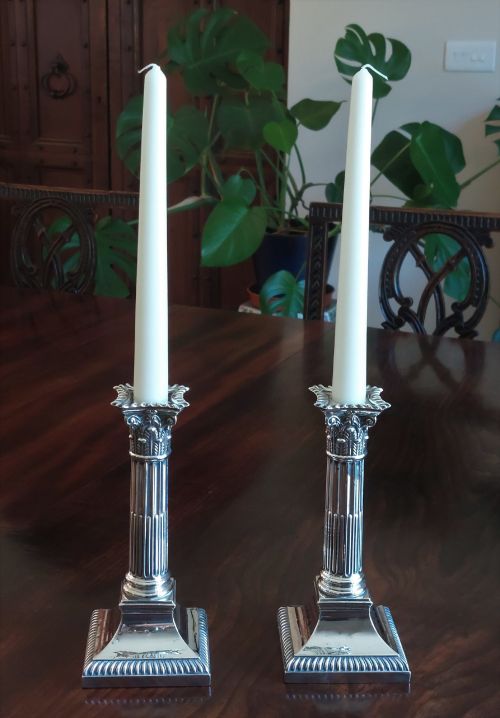
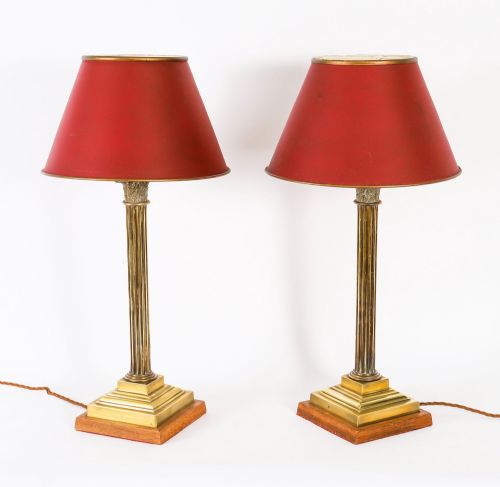
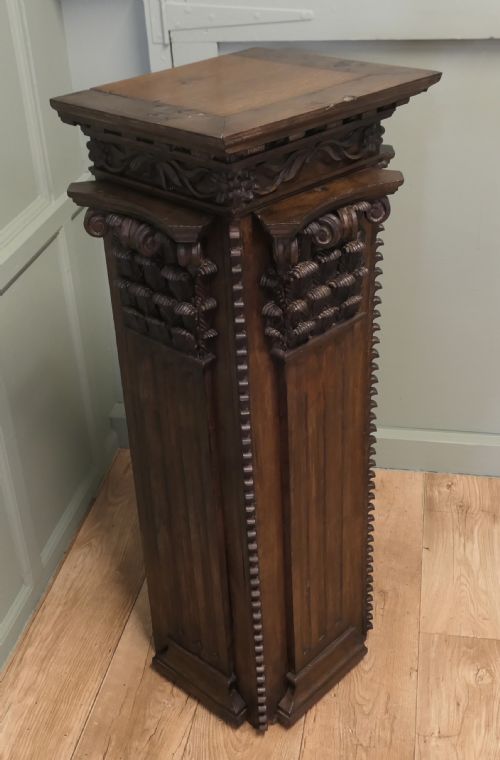
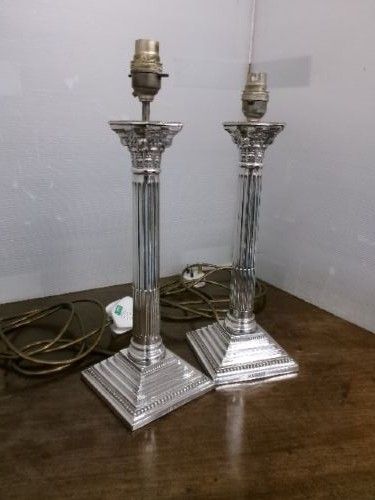
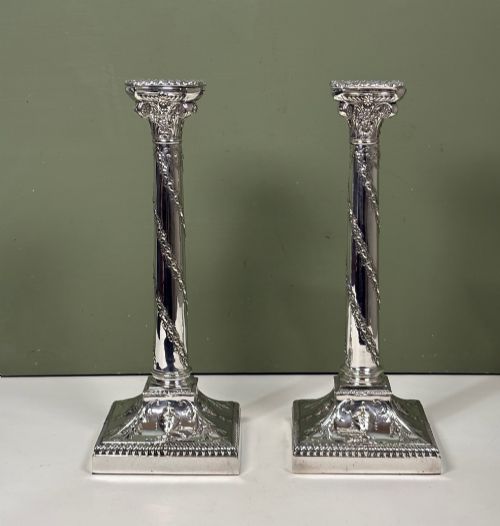
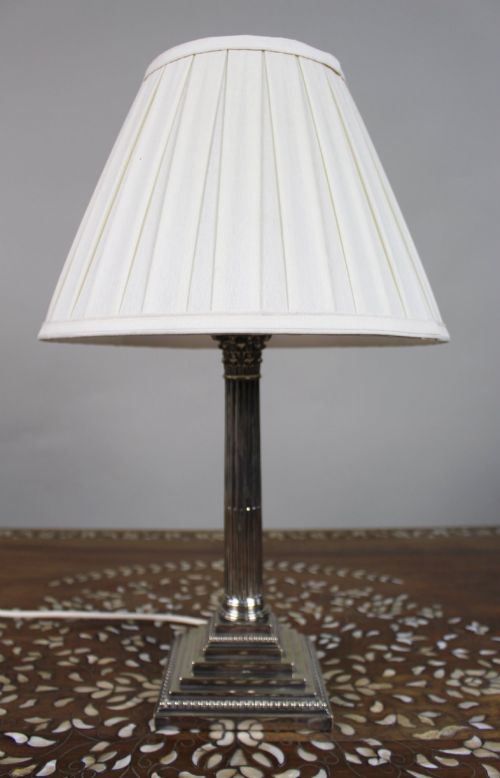
A classical corinthian column adapts ancient architectural proportions into functional domestic objects across the Victorian and Edwardian periods. Buyers encounter these most frequently as table lamps, candlesticks, and oil lamps cast in brass or silver plate, alongside occasional standard lamps and carved wooden display pedestals.
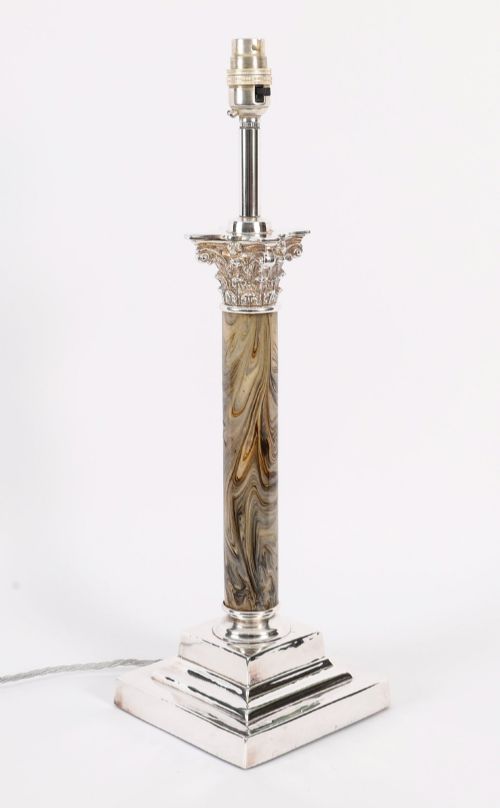
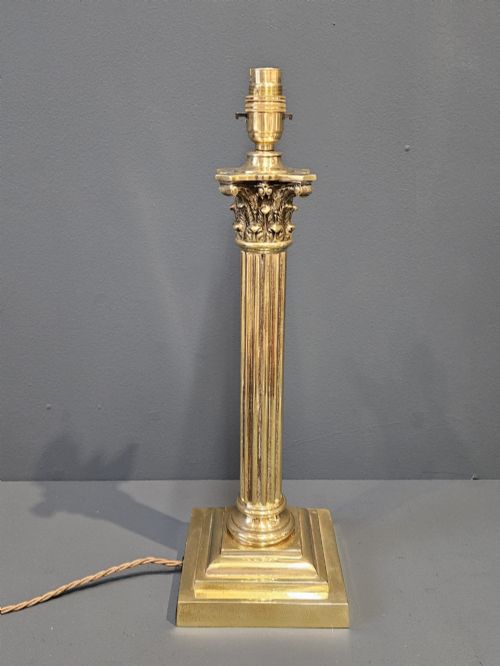
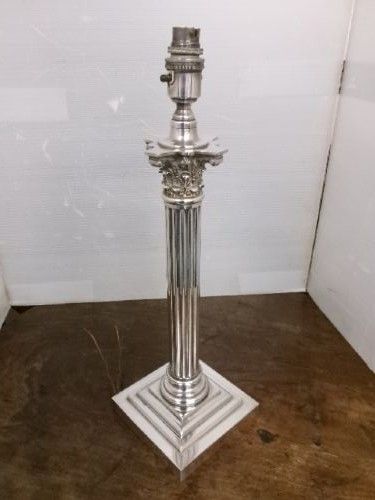
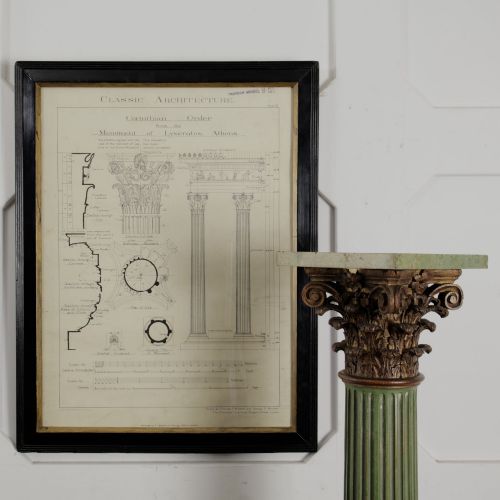
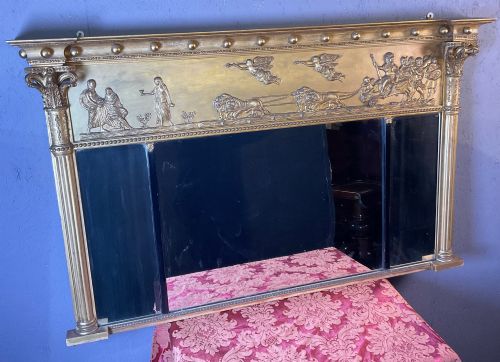
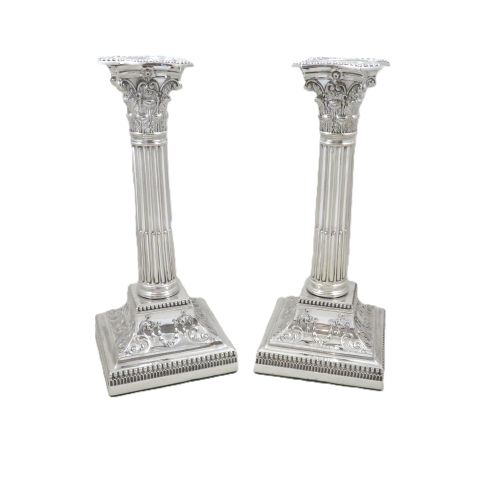
The architectural vocabulary relies on capitals adorned with acanthus leaves, sitting atop fluted or reeded shafts. These pieces often draw on Neoclassical and French Renaissance Revival styles, bridging the gap between classical antiquity and nineteenth-century interior design.
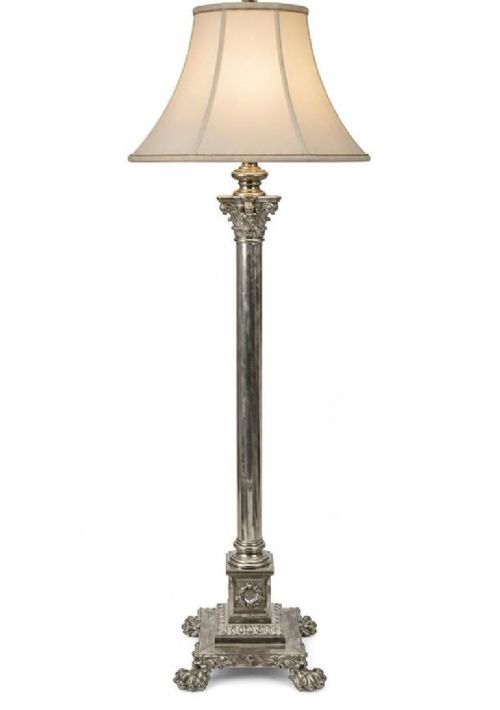
Makers adapted the order into various scales, from small sterling silver candlesticks to tall brass and marble floor lamps. The recurring presence of stepped plinths and lion's paw feet roots these domestic adaptations firmly in their Victorian origins.
Materials and construction
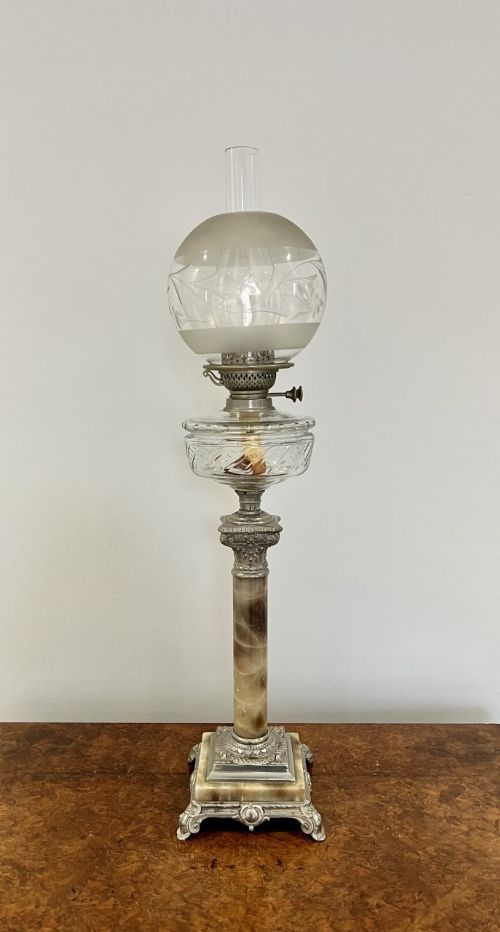
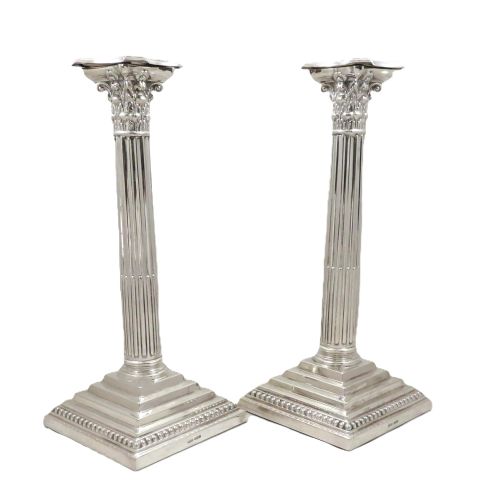
Metalworking dominates the evidence, with brass and silver plate cast into complex capitals and turned shafts. Silversmiths worked sterling silver into weighted candlesticks, while bronze and brass provided structural rigidity for taller oil and standard lamps.
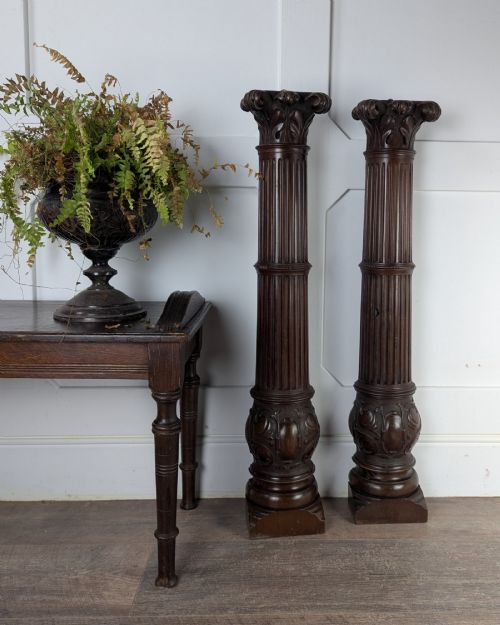
Carved timber pieces utilise oak, mahogany, and giltwood, showing traditional joinery and hand-carved fluting on wooden columns and display pedestals. Gesso and marble frequently supplement these materials, adding weight and contrasting textures to bases and mantels.
One Victorian silver-plated lamp stands firmly upon lion's paw feet, bridging classical architecture with domestic fauna.
Judging execution and finish
Quality rests primarily on the crispness of the casting in the acanthus leaf capitals and the precision of the reeding along the column shaft. Finer examples display sharply defined ornamentation without softness or blurring in the metalwork.
Material substance and base stability differentiate the standard production from more ambitious commissions. Pieces incorporating solid marble plinths, substantial silver weights, or maker stamps demonstrate superior workshop standards.
Garrard and Co·Hinks of Birmingham·Philippes Paris
The Classical Corinthian Column Glossary
- Capital
- The uppermost member of a column, typically featuring carved acanthus leaves in this order. It serves as the ornate transition between the vertical shaft and the load above.
- Reeded column
- A vertical cylindrical shaft decorated with parallel convex moulding running its length. This treatment adds texture and visual lightness to the support.
- Silver plate
- A thin layer of silver fused to a base metal core, such as copper or brass. It provided households with the appearance of solid silver at a reduced cost.
- Oil lamp
- A domestic lighting device burning liquid fuel through a wick, frequently converted to electricity in later periods. Many surviving examples utilise heavy metal columns for stability.
- Neoclassical revival
- An artistic movement drawing direct inspiration from the art and architecture of classical Greece and Rome. It experienced widespread popularity during the Victorian and Edwardian eras.
Classical Corinthian Column: Frequently Asked Questions
How do I date a brass column lamp?
Dating relies on manufacturing techniques, material combinations, and stylistic markers recorded across the nineteenth and early twentieth centuries. Heavy sand-casting and integrated burner assemblies often point towards Victorian production.
Later Edwardian examples frequently incorporate modified electrical fittings or lighter plated construction. Comparing the base weight and threading helps determine the manufacturing era.
Are these lamps safe for modern use?
Many surviving oil and table lamps undergo rewiring to meet contemporary electrical standards while preserving the original metal or wooden structure. Professional PAT testing ensures the internal wiring is secure.
Buyers should check that conversions respected the original metal components without causing irreversible structural damage. Rewired pieces integrate safely into modern domestic lighting schemes.
What is the difference between brass and silver plate?
Brass pieces consist of a copper and zinc alloy displaying a warm golden hue, either polished to a bright finish or left with a darker patina. Silver plate applies a thin silver coating over a base metal foundation.
Over time, silver plate develops tarnish that requires gentle cleaning to maintain its reflective surface. Brass requires similar maintenance to preserve its characteristic metallic tone.
Where were these columns placed originally?
Domestic columns functioned primarily as table lamps, candlesticks, or oil lamps positioned on sideboards, mantels, and occasional tables. Standard lamps stood in corners of reception rooms to provide ambient illumination.
Carved wooden pedestals and display columns held sculptures, clocks, or decorative vessels within period drawing rooms. Their architectural presence anchored interior spaces with a sense of classical symmetry.