



19th Century Pillar
A 19th century pillar brings architectural presence and solid proportions to a room, ranging from dining tables to decorative columns.
19th Century Pillar
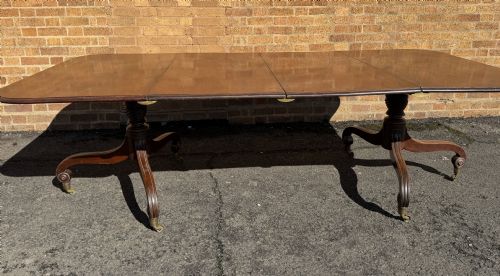
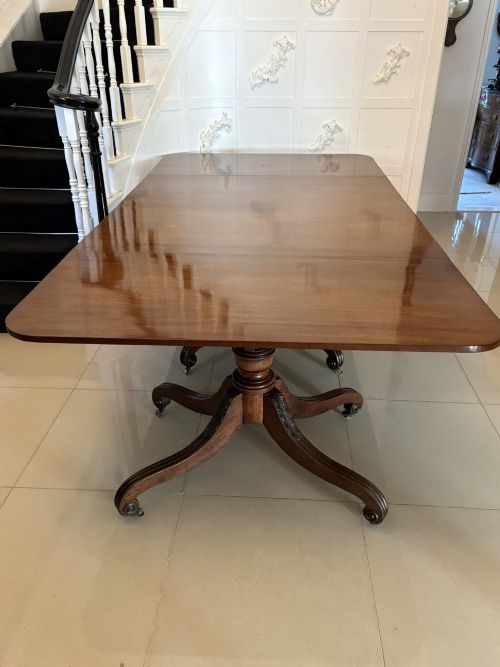
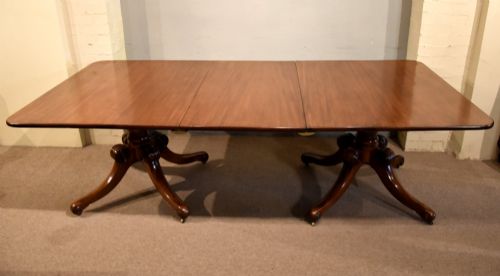
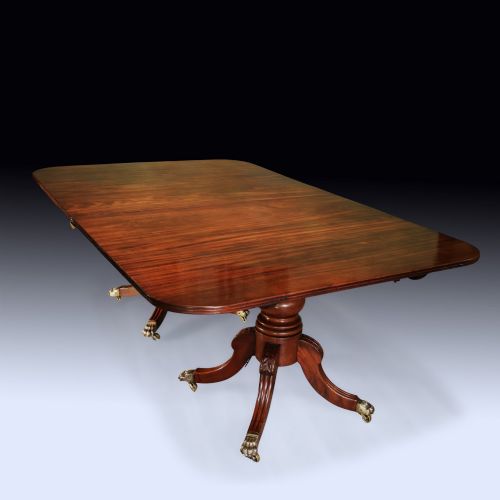
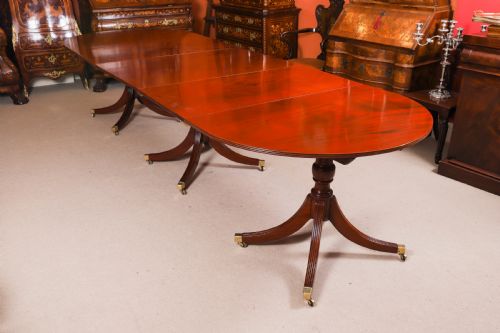
When searching for a 19th century pillar, buyers encounter a diverse selection of furniture, architectural elements, and decorative objects shaped by the Regency, Victorian, and Georgian periods. The most common forms on this page include multi-pillar dining tables, architectural columns, and freestanding pedestals.
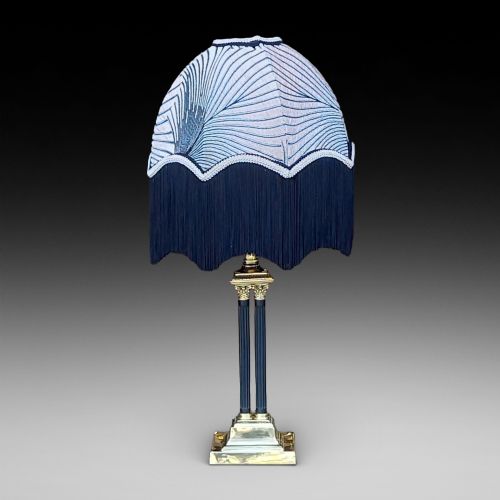
Dining tables featuring twin or triple pillars dominate the larger furniture selections, designed for practical scale and versatile use in reception rooms. Alongside these, buyers find individual columns, table lamps, and candlesticks that draw on classical architectural orders.
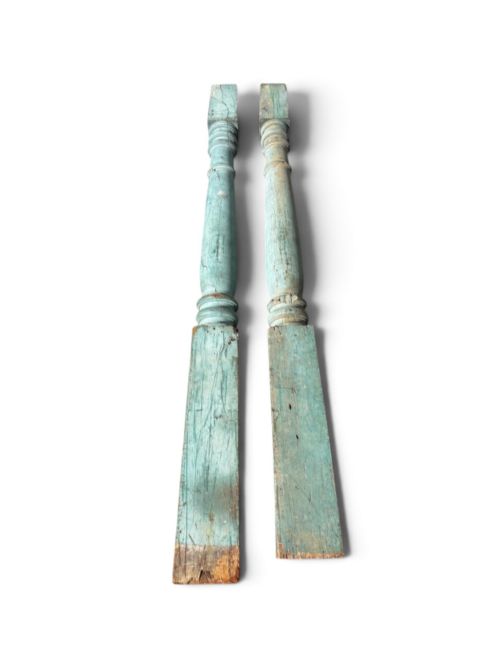
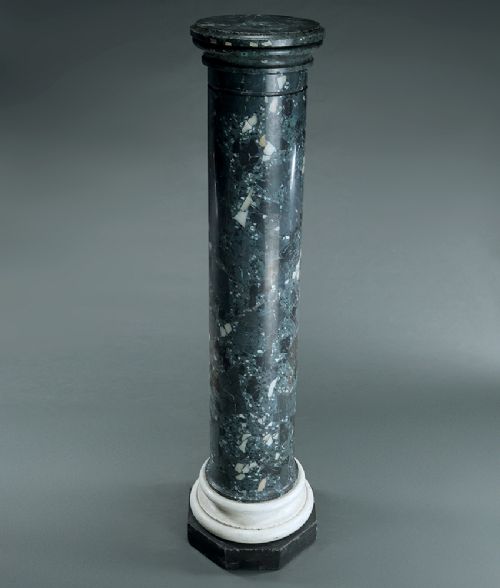
Architectural salvage items such as stone and wood columns, limestone capitals, and painted wooden posts offer structural character for interior schemes. Smaller decorative objects like scagliola marble columns and carved brackets represent the period's taste for classical antiquity.
Distinguishing quality across the range
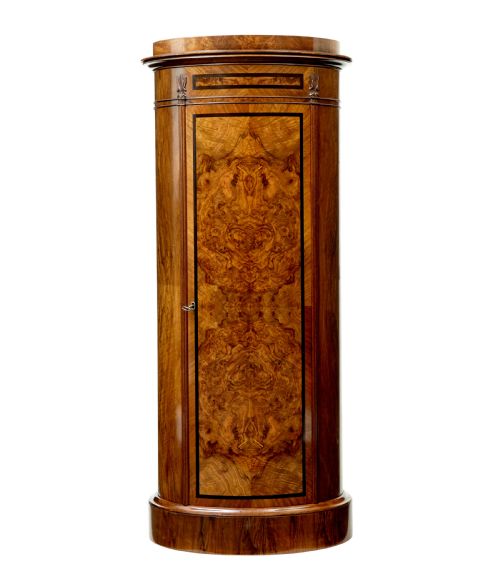
The standard of timber selection and joinery marks the difference between basic utility items and finer examples in dining tables and pedestal furniture. Figured mahogany with consistent grain patterns and substantial weight indicates higher workshop standards.
In metalwork and architectural pieces, the crispness of the casting on brass capitals or the depth of hand-carved detail in stone and wood separates standard production from superior craftsmanship. Original painted surfaces, parcel gilding, and intact marble finishes retain greater integrity.
Hopillart & Leroy Paris·Marguerite
The 19th Century Pillar Glossary
- Twin-pillar
- A dining table construction where the surface is supported by two distinct central pedestals rather than four corner legs. This arrangement allows greater legroom for seated guests.
- Scagliola
- A composite material made from selenite, glue, and pigments, painted and plastered to imitate marble. It was frequently utilised for decorative columns during the nineteenth century.
- Corinthian column
- A classical architectural order identified by an ornate capital decorated with acanthus leaves. This style appears frequently on nineteenth-century table lamps and candlesticks.
- Pedestal table
- A standalone table supported by a single central pillar resting on a weighted base or feet. These pieces function as breakfast tables, occasional tables, or washstands.
19th Century Pillar: Frequently Asked Questions
How do I seat guests around a multi-pillar table?
Multi-pillar dining tables utilise two or three central columns instead of traditional corner legs, which provides considerable flexibility for seating arrangements.
Extra leaves can often be added to these tables to extend their length for larger gatherings while maintaining structural balance.
Where should I place a decorative marble column?
Freestanding columns and pedestals serve effectively as display surfaces for sculptures, table lamps, or urns within a hallway or living space.
Their substantial weight requires solid flooring to ensure stability, particularly for taller stone or scagliola examples.
What is the difference between twin and triple pillar tables?
Twin-pillar tables use two central pedestals to support the top, suiting medium-length dining spaces.
Triple-pillar tables incorporate three pedestals to provide the necessary support for extended lengths found in large nineteenth-century dining rooms.
How do I identify a Regency period pillar table?
Regency pieces often feature architectural influences such as reeded pillars, brass mounts, and tripod or platform bases with brass paw feet.
Mahogany remains the predominant timber for tables from this specific design period.