


Architectural Salvage Columns
Architectural salvage columns bring structural weight and classical proportion into a modern room, drawn from centuries of dismantled buildings and gardens.
Architectural Salvage Columns
Architectural salvage columns comprise wooden pillars, stone shafts, and carved capitals rescued from period buildings, gardens, and theatrical sets. These pieces range from monumental 17th century continental wooden pillars to smaller 19th century pine and hardwood supports.
Buyers frequently encounter matched pairs of carved wooden or stone supports alongside single grand pillars adapted for interior display or lighting. The selection spans neoclassical, gothic revival, and baroque styles, reflecting centuries of classical design.
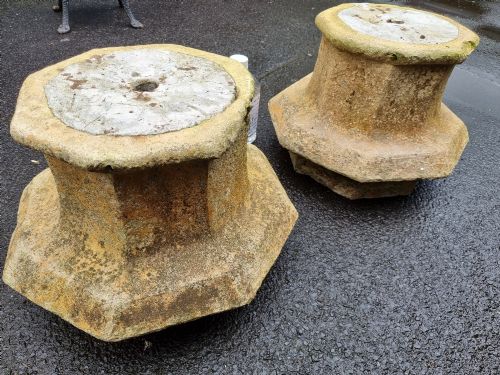
Many examples originate from domestic porticos, bedposts, or exterior garden settings, now repurposed as interior architectural statements or large lamp bases. Their forms vary from half columns designed to sit flush against a wall to freestanding fluted shafts.
Materials and construction methods
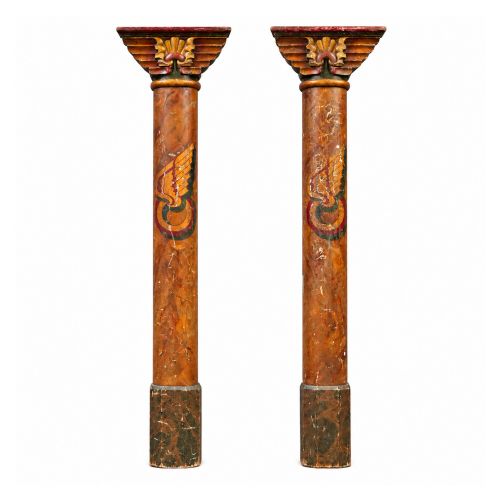
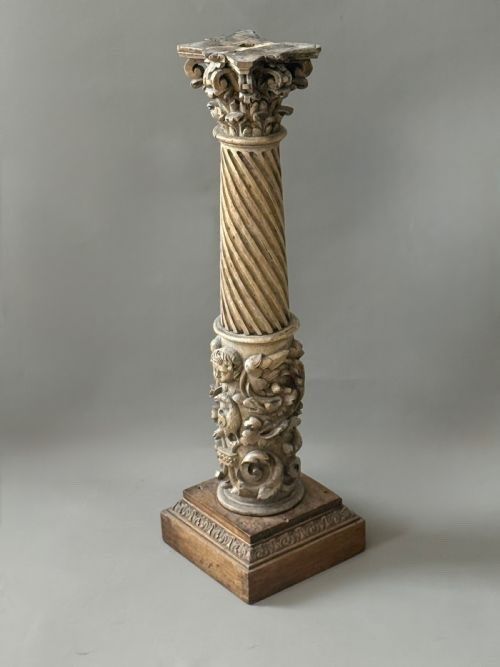
Makers shaped these architectural salvage columns from durable timbers such as pine, oak, mahogany, and hardwood, alongside composite and natural stone. Artisans carved intricate details by hand, applying gesso and paint finishes to mimic richer materials or protect the wood from the elements.
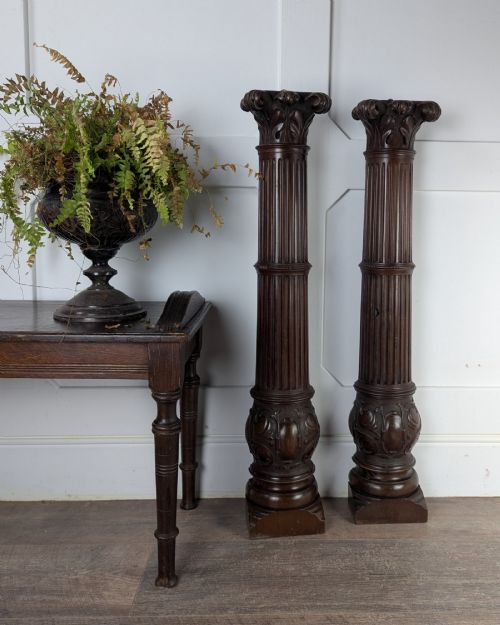
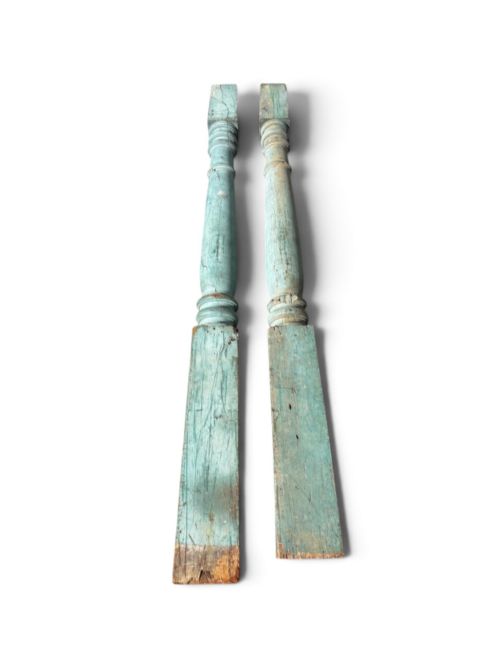
Turned wooden shafts demonstrate the use of lathes for precision work, paired with hand-carved capitals displaying Corinthian and Ionic orders. Stone examples rely on mason's chisels to define capitals and plinths from limestone, sandstone, and composite stone blocks.
Architectural Salvage Columns Retail Price Guide 2026
Typical asking prices for architectural salvage columns among the pieces listed under this phrase on Sellingantiques today, from the lower quarter to the upper quarter. They describe what is for sale here now, not the wider market.
Listings feature materials spanning carved wood, pine, mahogany, stone, limestone, sandstone, and gesso across the 17th, 18th, and 19th centuries.
Factors of quality and execution
The standard of carving in capitals and acanthus leaves dictates the visual strength of the piece, where deep undercut work reveals a practiced hand. Crisp detail in the fluting and turning separates masterwork supports from more utilitarian building elements.
The integrity of the material, whether solid hardwood or dense stone, determines how well the shaft has survived weathering and removal. Original surface treatments, such as historic paint or parcel gilt layers, add depth that modern refinishing often obscures.
The Architectural Salvage Columns Glossary
- Capital
- The uppermost member of a column, usually decorated with carved foliage or scrolls such as Corinthian acanthus leaves.
- Fluting
- Shallow vertical grooves carved into the shaft of a column to create rhythm and shadow.
- Plinth
- The heavy square block at the base of a column that elevates the shaft from the floor or ground.
- Parcel gilt
- A technique where selective areas of a wooden or stone surface receive a thin layer of gold leaf over paint.
- Reeded
- Formed with parallel convex mouldings running vertically along the column shaft, offering a textured alternative to fluting.
Architectural Salvage Columns: Frequently Asked Questions
How do I support a heavy stone column indoors?
Most salvaged columns sold for interior use function primarily as decorative architectural elements rather than structural load-bearing supports. Many are half columns, bedposts, or lamp bases designed to stand against walls.
For freestanding stone or monumental wooden pillars, consult a structural engineer or specialist builder to ensure proper weight distribution and secure floor anchoring.
Can I use exterior stone columns in the garden?
Stone and composite garden plinths and capitals withstand outdoor conditions well when placed on stable ground. Natural stone naturally weathers over decades in the open air.
Wooden columns require protective shelter and regular maintenance if placed outside to prevent moisture rot and paint degradation.
How do I date an architectural column?
Dating relies on tool marks, timber species, and stylistic details such as the proportions of the Corinthian or Ionic orders. 17th century and 18th century examples often display hand-hewn joinery and dense local hardwoods.
Later 19th century and 20th century pieces show machine turning combined with cast composite elements or factory-mixed paints.
What is the difference between a capital and a plinth?
The capital sits at the very top of the column shaft, providing a decorative transition to whatever weight the pillar supports. Carved acanthus leaves and volutes typically adorn this upper section.
The plinth forms the solid base at the bottom of the column, anchoring the vertical shaft to the floor or ground.