


Antique Wooden Pillars
These antique wooden pillars bring striking architectural presence and rich period character into a room.
Antique Wooden Pillars
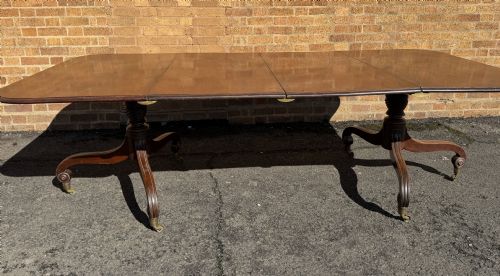
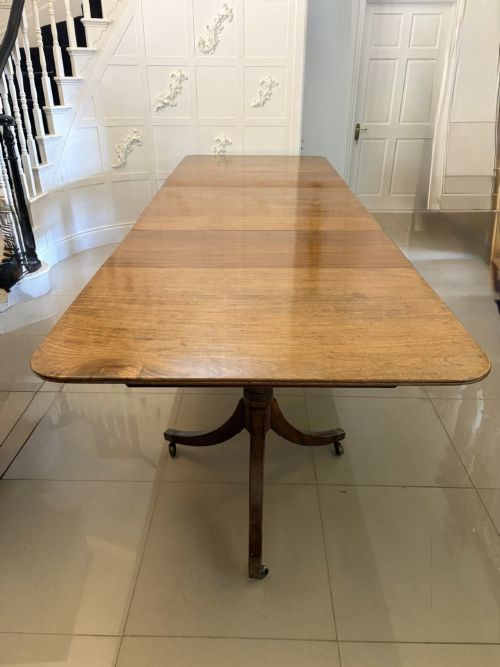
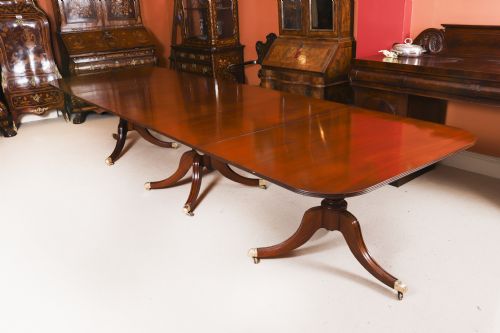
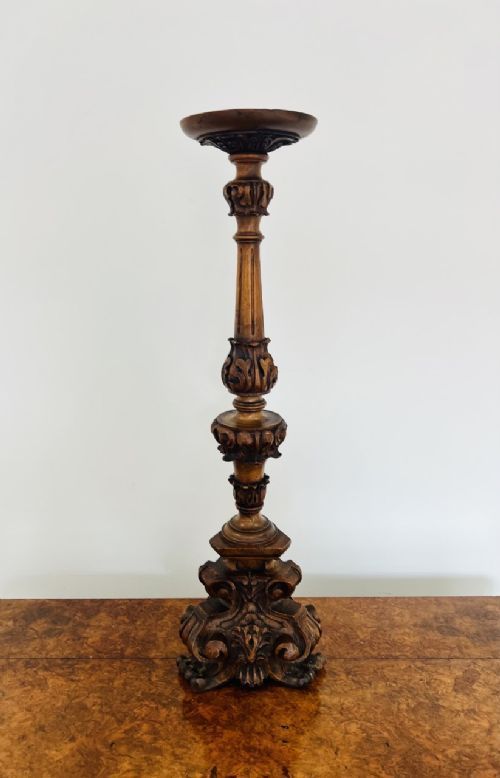
When you search for antique wooden pillars, you encounter a diverse selection of structural elements, architectural salvage, and converted supports drawn from several centuries. The pieces range from grand dining table pedestals and architectural columns to carved bed posts and decorative torchieres.
The selections available span from the 17th century through the Georgian, Regency, and Victorian eras into the early 20th century. Mahogany, oak, and assorted hardwoods dominate the offerings, frequently accompanied by painted finishes, gesso, or parcel gilt details.
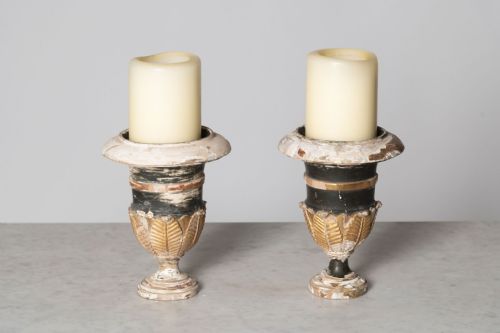
Dining table supports and architectural columns represent the most common forms you will meet within these listings. Many items originate as pairs, whether derived from architectural salvage or furniture components adapted for display.
Materials and construction methods
The construction of these pillars relies heavily on dense timbers such as mahogany, oak, walnut, and regional hardwoods chosen for structural stability and carving capacity. Cabinet makers and carvers shaped these materials using traditional hand-turned and hand-carved techniques.
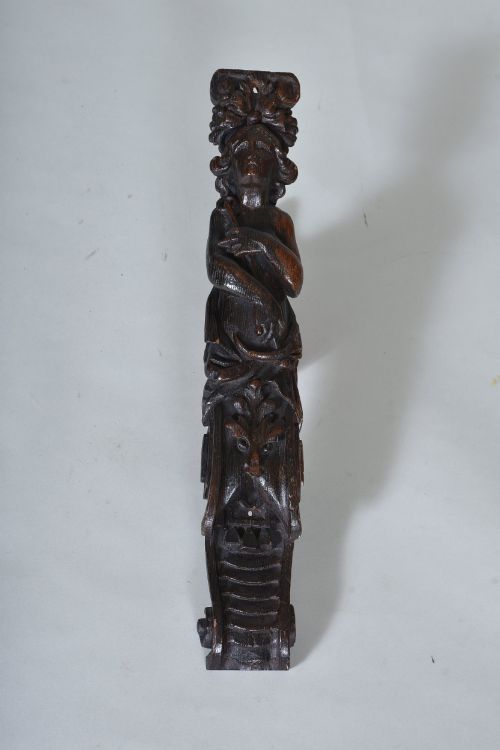
Many surfaces receive supplementary decoration through applied gesso, paint, or parcel gilding to enhance the visual depth of the carved motifs. Architectural columns and decorative bed posts often incorporate classical orders like the Ionic or Corinthian within their timber construction.
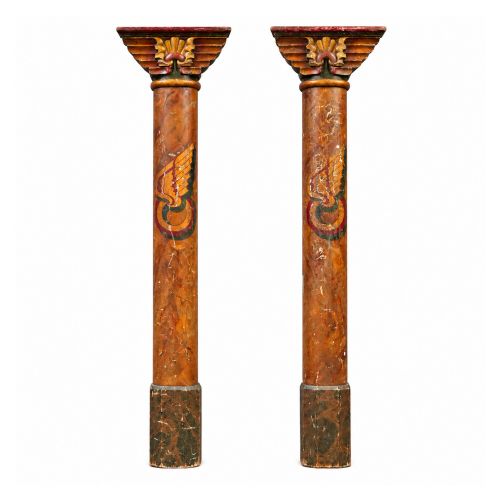
Carved carousel fairground columns bring unexpected carnival magic directly into a domestic living space.
Judging quality in wooden pillars
Quality rests primarily in the crispness and depth of the hand-carved detail, distinguishing fluid classical motifs from shallower or more mechanical execution. The selection of timber also dictates value, with well-figured mahogany or aged oak showing superior grain pattern and substance.
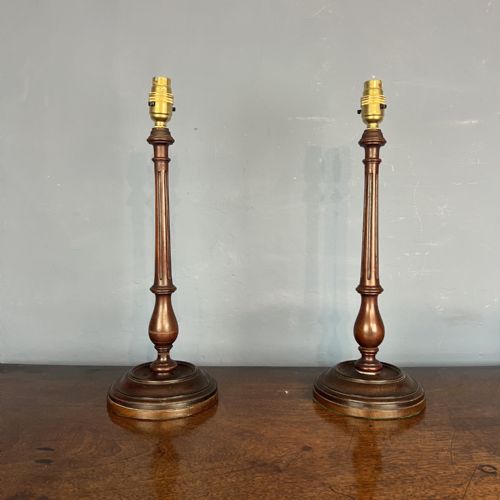
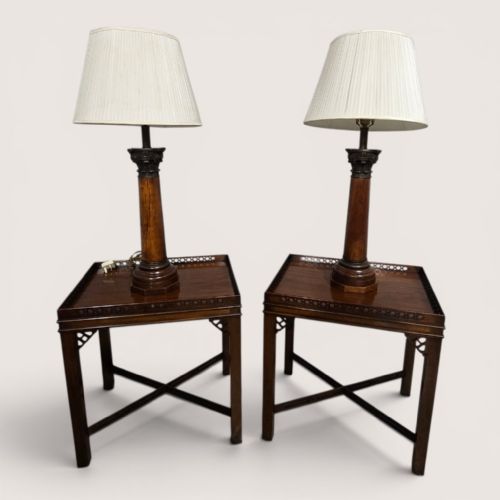
Proportion and integrity define the standing of a pillar, especially when pieces have undergone conversion from bed posts or architectural salvage into lamps and standalone supports. Original surfaces, whether polished wood or aged paint, retain higher aesthetic integrity than later interventions.
Whytock And Reid·Marguerite
The Antique Wooden Pillars Glossary
- Torchere
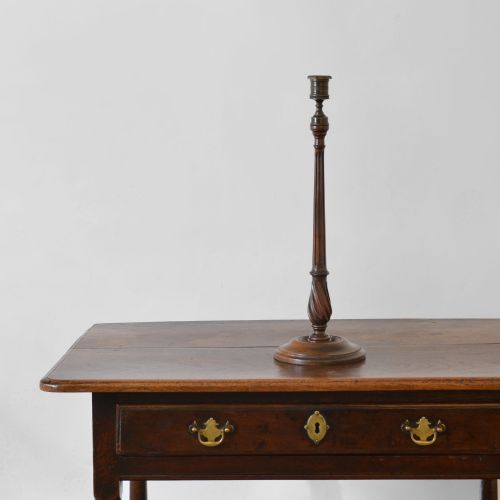
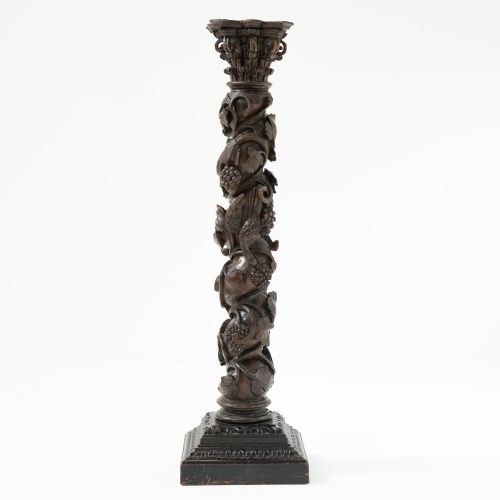
- A tall decorative stand or candlestick designed to hold a light source. These timber supports frequently feature elaborate carving and elevated proportions.
- Solomonic
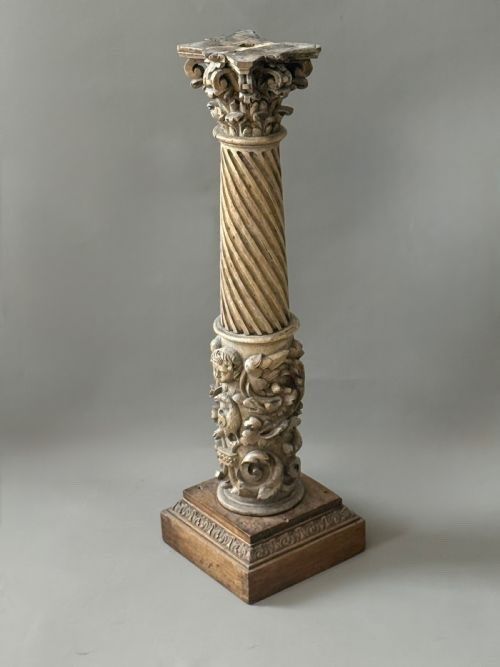
- A helical or spiral twist column form popular in Baroque design. This style brings dynamic movement to wooden pedestals and carved pillars.
- Capital
- The topmost member of a pillar or column, often decorated with classical architectural carvings like leaves or volutes.
- Parcel gilt
- A finishing technique where select areas of a wooden object receive a thin layer of gold leaf over paint or gesso.
- Pedestal
- A base or support for a statue, lamp, or column. These sturdy forms appear frequently in domestic interiors as display stands.
Antique Wooden Pillars: Frequently Asked Questions
What are antique wooden pillars used for?
These items serve primarily as decorative architectural elements, display pedestals, or converted bases for lighting. Buyers integrate them into interior schemes to create focal points or vertical emphasis.
Larger architectural columns frame doorways or divide interior spaces, while smaller turned posts function as table lamps or candleholders.
How do I identify the period of a wooden pillar?
Dating relies on observing the wood species, tool marks, stylistic motifs, and structural construction methods. Georgian and Regency pieces often feature rich mahogany with classical proportions.
Victorian and Edwardian examples frequently display heavier oak carving or eclectic revival styles, whereas 17th-century items show denser timbers and distinct hand-cut joinery.
Can I use architectural pillars outdoors?
Most antique wooden pillars are intended for interior display and lack resistance to prolonged moisture and severe weather conditions. Timber components like painted softwood or dry hardwood will degrade quickly outside.
Protecting them indoors preserves the original gesso, paint, and polished wood surfaces from environmental damage.
Are antique pillars sold in pairs?
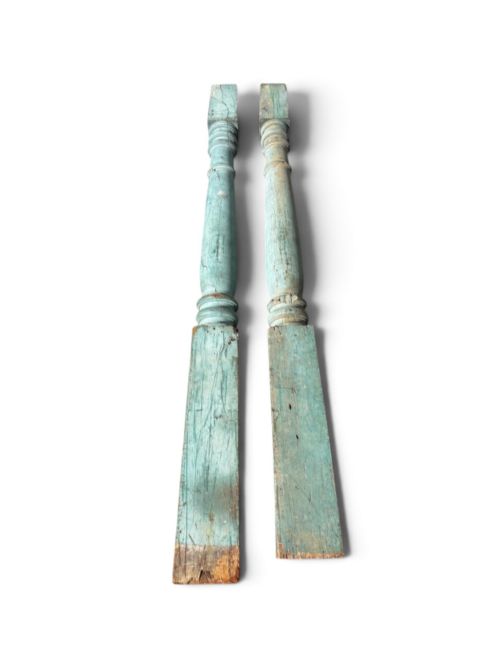
Many architectural columns and table supports survive as matched pairs from dining tables, bed posts, or porticos. Pairs offer balanced symmetry when used as flanking elements in a room.
Single pillars also appear frequently, usually functioning independently as torchieres, display stands, or sculptural table lamps.