



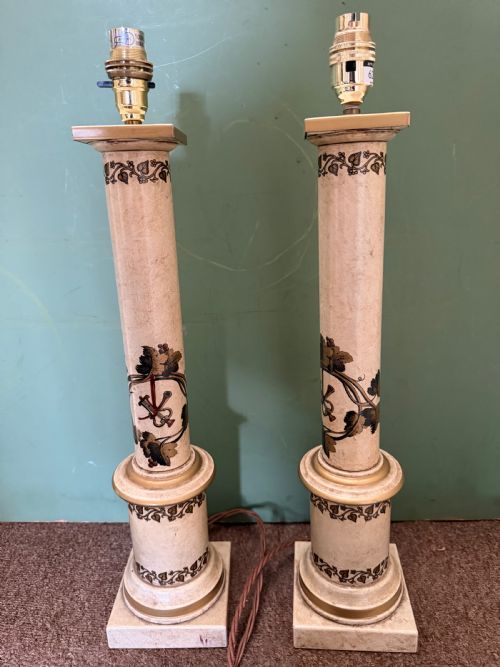


Early 20th Century Columns
These early 20th century columns bring architectural dignity to a room, shifting easily between structural uprights and sculptural lighting.
Early 20th Century Columns
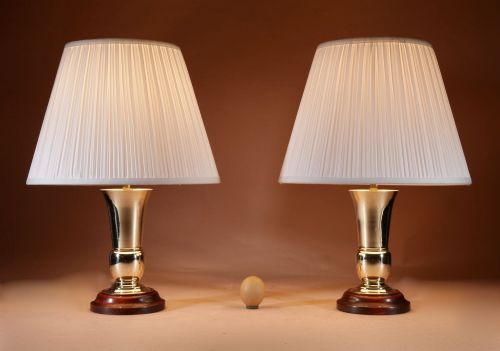
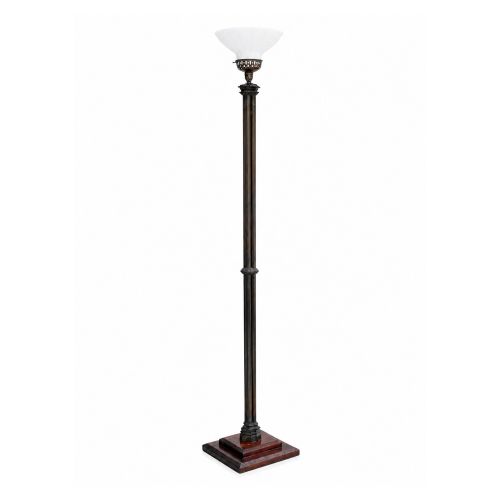
Early 20th century columns encompass a diverse group of objects, ranging from solid wooden pedestals and architectural fragments to tall floor lamps and table lamps modelled on classical orders. When searching for early 20th century columns, buyers frequently encounter brass table lamps styled as Corinthian columns, alongside tall pedestals and marble torcheres.
The selection includes pieces shaped by various design revivals, such as Neoclassical, Gothic Revival, and Empire Revival, as well as distinct regional interpretations from England, France, Italy, and Scandinavia. Forms shift from functional lighting fixtures to supportive stands, plinths, desks, and decorative display pieces.
Materials span traditional hardwoods like mahogany and ebonised wood alongside polished brass, crystal, alabaster, marble, and painted metal. This variety reflects a period where classical architectural forms were adapted for domestic interiors in both grand and understated ways.
How they were made
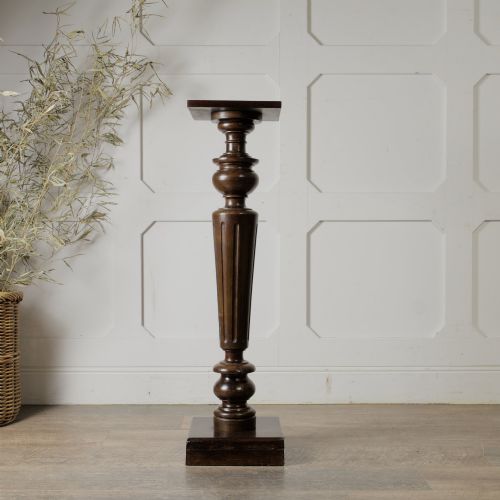
Construction relies heavily on traditional joinery for wooden pedestals and desks, utilising solid mahogany, birch, and ebonised wood, often enhanced with carved details, gilt accents, or painted finishes. Wood is turned or carved to emulate classical architectural proportions.
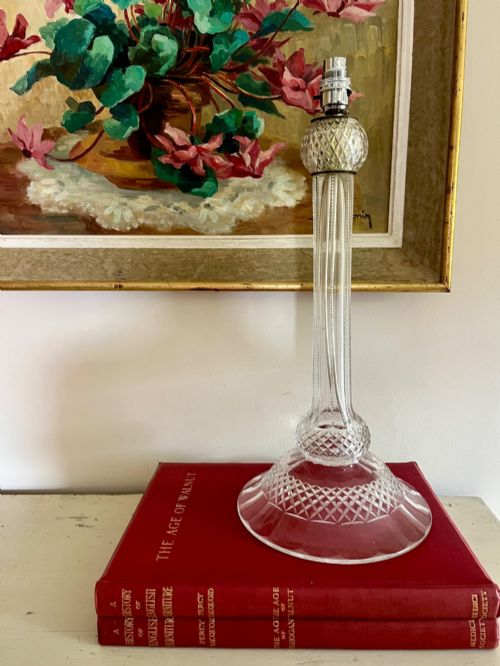
Metalwork forms a significant portion of the lighting and decorative objects, combining cast brass, gilt bronze or ormolu, silver plating, and patinated copper. These metals are frequently paired with glass, crystal, opaline, or fabric components to complete lamp bases and torcheres.
Stone and composite materials like Italian alabaster, rouge marble, and scagliola are shaped and polished for plinths, urns, and figural lamp bases. These dense materials provide the necessary weight and stability for tall columns and display stands.
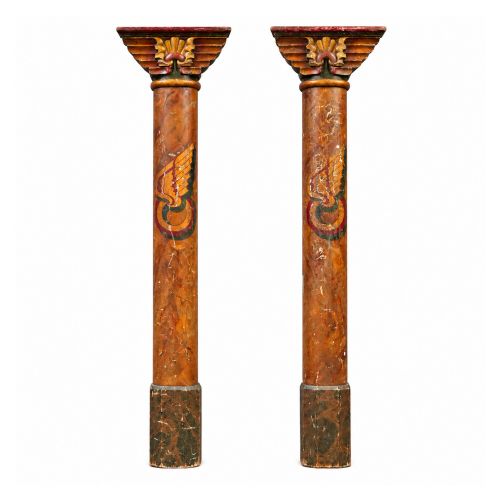
Fairground carousels occasionally contributed spare columns to domestic parlours, proving that architectural grandeur travels from the fair straight into the home.
What varies in quality
Quality rests primarily on the integrity of the materials and the precision of the casting or carving. Solid hardwoods, weighty metals such as heavy-gauge brass or bronze, and genuine carved alabaster or marble separate substantial pieces from lighter, more decorative alternatives.
The sophistication of the design execution dictates the character of each piece, distinguishing finely detailed Corinthian capitals and crisp turning from simpler, generic castings. Proportions and the crispness of surface ornament, whether gilt mounts, painted tole-peinte, or carved birch, reflect the maker's hand.
August Ungethüm·Tuduc
The Early 20th Century Columns Glossary
- Corinthian order
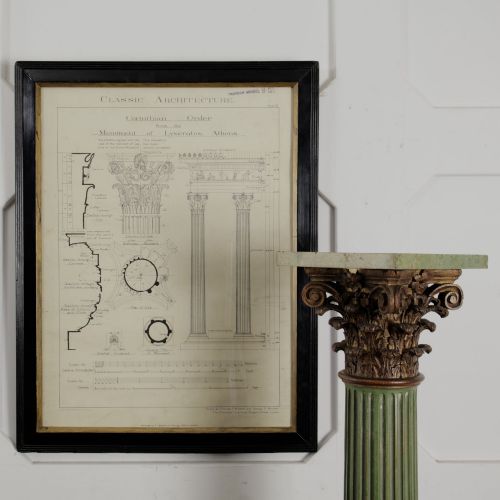
- A classical architectural style defined by slender fluted columns and elaborate capitals decorated with acanthus leaves. This motif appears frequently on table lamps in the collection.
- Torchere
- A tall ornamental stand or floor lamp designed to hold a light source high above the ground. These are often rendered in marble, metal, or carved wood.
- Ebonised wood
- Timber treated with a chemical stain or finish to simulate genuine ebony. It provides a deep, dark black surface seen on plinths and etageres.
- Tole-peinte
- Painted sheet metal, typically tin, used for decorative objects and lamp columns. French makers utilised this technique to introduce colour and pattern.
- Scagliola
- A composite material made from selenite, glue, and pigments, embedded to imitate marble and other fine stones. It is shaped into decorative urns and architectural details.
Early 20th Century Columns: Frequently Asked Questions
How were column table lamps used originally?
Column table lamps served as primary task and ambient lighting in Edwardian and interwar drawing rooms, studies, and hallways. Their elevated designs allowed light to cast widely across living spaces.
Placed on desks, sideboards, or dedicated pedestals, these lamps functioned simultaneously as functional light sources and miniature classical monuments reflecting the owner's taste.
What is the difference between a pedestal and a torchere?
Pedestals are rigid stands with flat tops built to support clocks, bronze figures, urns, or decorative objects. They prioritise structural stability and display.
Torcheres are specifically designed to carry a light source or resemble a tall lighting standard. While both share column forms, torcheres lean toward illumination rather than pure display.
How do I identify Neoclassical Revival pieces?
Neoclassical Revival pieces display strict symmetry, restrained ornamentation, and direct references to Greek and Roman architecture. Look for straight fluted shafts, Corinthian or Doric capitals, and gilt metal mounts.
Swedish and French examples from this group often utilise birch or mahogany, pairing clean structural lines with classical bronze or brass detailing.
Can these columns support heavy items?
Solid wood and stone columns, such as those carved from mahogany, birch, alabaster, or marble, are engineered to bear significant weight. They were built to securely hold heavy timepieces, bronze sculptures, and large urns.
Hollow metal or lighter composite lamps are structurally unsuited for supporting heavy objects and are strictly intended for illumination.