





Classical Timber Columns
Classical timber columns are architectural supports and display pieces in wood, bringing formal proportion and historic presence into domestic spaces.
Classical Timber Columns
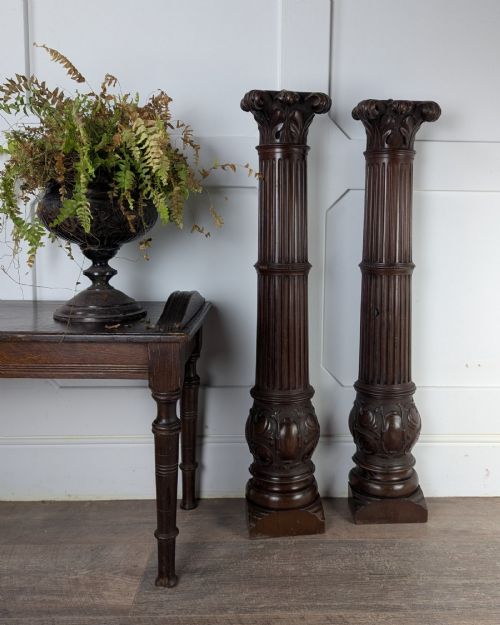
When you search for classical timber columns, you encounter architectural elements and display pieces drawn primarily from the nineteenth century alongside earlier Georgian and later periods. These forms range from structural half columns and portico supports to freestanding pedestals, capitals, and console tables.
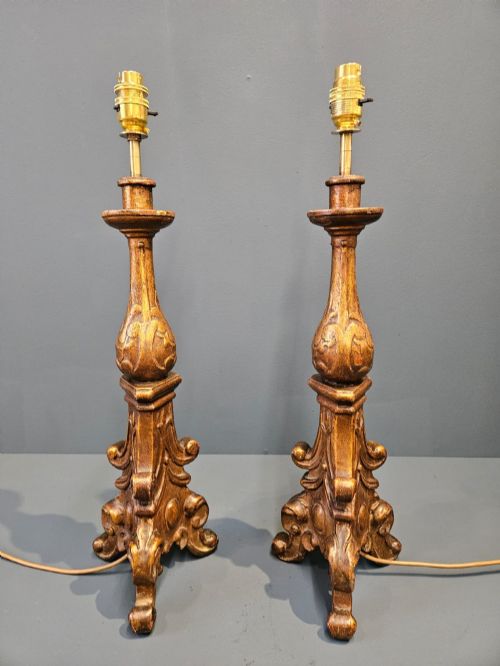
The selection on this page shows pieces executed in mahogany, pine, softwood, and hardwood, often finished with paint or faux marble effects. They function as pedestals for sculpture, display stands, table lamps, and decorative framing elements within a room.
How they were made
Maker's workshops shaped these pieces from solid timbers including mahogany, pine, and birch, utilising traditional turning on a lathe to achieve cylindrical shafts and reeded surfaces. Carved wooden capitals, particularly in the Corinthian and Ionic orders, demonstrate manual chisel work applied to softwood, hardwood, and mahogany.
Surface finishes include applied paint, gilt accents, and simulated marble effects, combining wood preparation with decorative painting techniques. Some architectural elements incorporate stone bases or brass details to anchor the timber structure.
Classical Timber Columns Retail Price Guide 2026
Typical asking prices for classical timber columns among the pieces listed under this phrase on Sellingantiques today, from the lower quarter to the upper quarter. They describe what is for sale here now, not the wider market.
Listings span the eighteenth, nineteenth, and early twentieth centuries, featuring mahogany, pine, brass, and painted wood forms.
What varies in quality
Quality in these pieces rests upon the depth and crispness of the carving, particularly within the acanthus leaves and volutes of the capitals. Fine detail distinguishes hand-carved elements from simpler turned forms, while the choice of dense timbers like mahogany elevates the material substance.
Proportion and architectural correctness dictate the visual success of each column or pedestal, reflecting the maker's adherence to classical design canons. Surface preservation, whether original paint, faux marble graining, or polished wood, further differentiates examples.
The Classical Timber Columns Glossary
- Capital
- The topmost member of a column, usually decorated with carved foliage or scrolls. It visually supports the load above and defines the architectural order.
- Corinthian
- An architectural style identified by ornate capitals decorated with carved acanthus leaves and small volutes. It represents the most decorative of the classical orders seen on these pieces.
- Pedestal
- A base or support for a column, statue, or urn, often standing as a standalone display piece. Many examples include internal cabinets or sculpture stands.
- Reeded
- Surface decoration consisting of parallel convex mouldings closely set together. This technique adds vertical texture to column shafts and furniture legs.
- Ionic
- A classical order characterised by twin spiral scrolls, known as volutes, on the capital. It offers a lighter, more restrained appearance than the Corinthian order.
Classical Timber Columns: Frequently Asked Questions
How were classical timber columns used?
These columns served as architectural supports in porticos and room dividers, or functioned independently as display stands for sculpture and large vases.
Today, freestanding pedestals and half columns operate primarily as decorative display surfaces in hallways and reception rooms.
How do I date a timber column?
Dating relies on timber selection, tool marks, and stylistic indicators such as the proportions of the capital and the presence of faux marble paint.
Nineteenth-century examples often display machine-assisted turning combined with hand-carved detailing, whereas eighteenth-century pieces show entirely manual construction methods.
Where should I place a column pedestal?
Freestanding pedestals suit corners or focal points where they can support lamps, bronzes, or decorative vessels without obstructing movement.
Pairing matching columns or half columns against a wall creates a sense of architectural framing and visual balance within an interior.
What is architectural salvage?
Architectural salvage refers to building elements rescued from older structures during demolition, remodelling, or restoration projects.
These components retain their original surface wear and material integrity, offering authentic period character for contemporary interiors.