





Classical Salvaged Columns
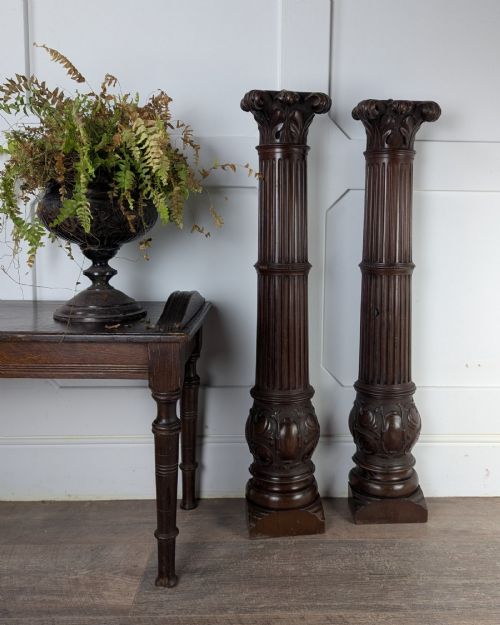
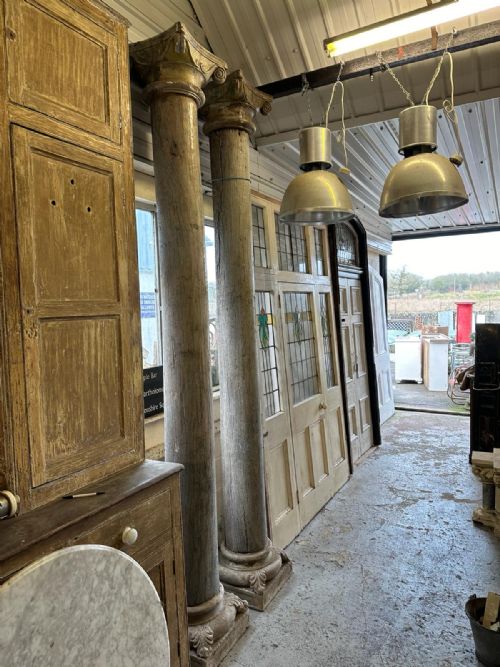
Classical salvaged columns bring architectural presence indoors, offering carved timber and weathered stone shaped by centuries of historic design.
Classical Salvaged Columns
Classical salvaged columns encompass architectural salvage ranging from fireplace surrounds and pedestals to architectural columns, drawn from periods including the eighteenth and nineteenth centuries, the Victorian era, and nineteen ten. These pieces manifest styles such as Neoclassical, Baroque Revival, and Italian Baroque, originating across diverse European traditions.
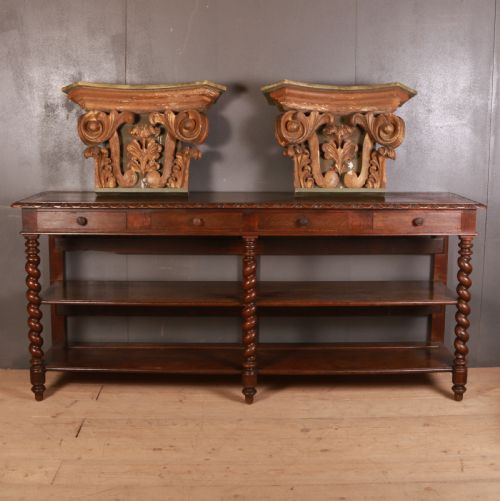
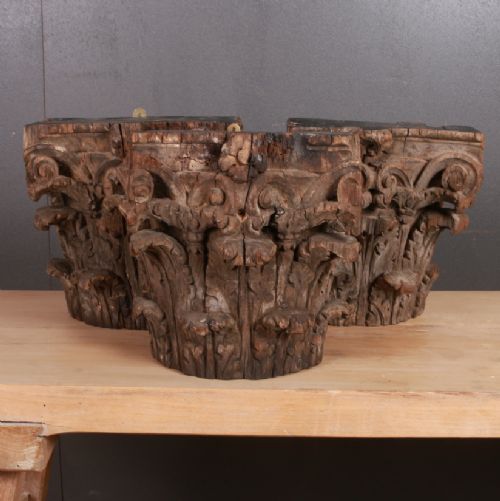
Buyers encountering this selection will most frequently meet nineteenth-century examples alongside Victorian pieces and items dated around nineteen hundred. Forms vary widely from half columns and portico softwood columns to architectural capitals and grand scale painted designs.
How they were made
The construction of these pieces relies on traditional woodworking and masonry, utilising materials such as carved wood, pine, mahogany, and hardwood alongside limestone and stone. Artisans shaped timber through turning and intricate carving, while stone elements required precise chiselling to form architectural capitals and bases.
Surface finishes applied to the primary materials include paint, gesso, and gold leaf, which enhance the carved details of parcel gilt columns and theatrical elements. These decorative layers interact with the underlying wood or stone to create textured visual depth.
Classical Salvaged Columns Retail Price Guide 2026
Typical asking prices for classical salvaged columns among the pieces listed under this phrase on Sellingantiques today, from the lower quarter to the upper quarter. They describe what is for sale here now, not the wider market.
Several sets originate from theatrical stages, bringing dramatic historic flair straight from the footlights into the living room.
What varies in quality
Quality in these architectural fragments depends upon the depth and precision of the carving, distinguishing masterwork acanthus leaves and fluting from simpler execution. The sophistication of the capital design, such as elaborate Corinthian or Ionic orders, dictates the sculptural merit of the piece.
The integrity of the original material and the preservation of historic surface treatments, including traces of gold leaf and period paint, separate standard architectural elements from finer examples. Scale and proportion also influence visual impact, particularly in grand scale pairs and architectural ensembles.
The Classical Salvaged Columns Glossary
- Capital
- The uppermost member of a column, serving as a decorative transition from the shaft to the entablature above. These are frequently carved in distinct architectural orders such as Corinthian or Ionic.
- Architectural salvage
- Building elements and decorative fragments rescued from historic structures for reuse in interior design or restoration projects. This category includes columns, capitals, and fireplace surrounds.
- Corinthian
- An order of classical architecture characterised by slender columns and ornate capitals decorated with acanthus leaves. It represents one of the most decorative ancient Greek and Roman styles.
- Parcel gilt
- A decorative technique where specific areas of an object are partially gilded with gold leaf while other surfaces display paint or exposed wood. This method highlights carved details and architectural mouldings.
- Neoclassical
- A Western cultural movement drawing inspiration from the classical art and culture of ancient Greece and Rome. This style manifests in columns and architectural ornaments through clean lines and formal symmetry.
Classical Salvaged Columns: Frequently Asked Questions
How were these columns used historically?
Historically, these architectural components served structural and decorative roles in porticos, grand interiors, and fireplace surrounds, supporting buildings or framing important spaces.
Many originated from significant architectural contexts, including theatrical settings and formal porticos, before being salvaged for preservation.
How can I live with salvaged columns?
Living with these pieces involves integrating them into modern interiors as sculptural floor displays, pedestals, or mounted architectural capitals.
Their substantial scale and historic surface finishes, such as weathered paint and gold leaf, allow them to function as focal points in large rooms.
How do I identify different periods?
Identifying periods involves examining the materials, carving techniques, and stylistic markers characteristic of eras such as the eighteenth century or the Victorian period.
Distinctive stylistic revivals, including Italian Baroque and Neoclassical Revival, provide clues regarding the manufacturing date and regional origin of each column.