



Reclaimed Architectural Columns
Reclaimed architectural columns bring structural presence and historical depth into a room, offering sturdy timber and stone forms ready for interior display.
Reclaimed Architectural Columns
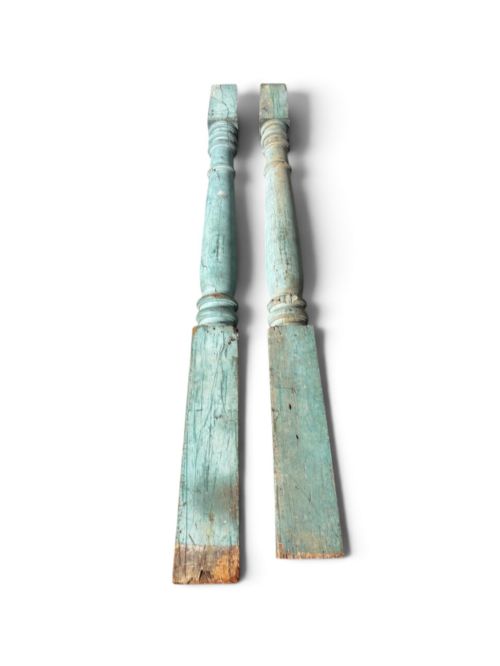
When you search for reclaimed architectural columns, you encounter salvaged supports originating from periods including the nineteenth century and the Regency era. These pieces manifest as pairs of hardwood bedposts, stone and wood pillars, softwood portico supports, and even iron lamp posts.
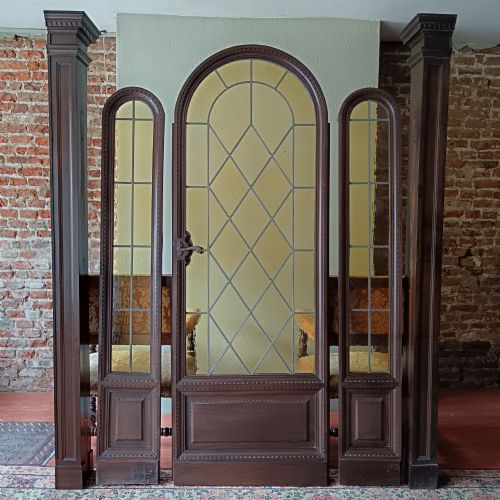
The version you are most likely to meet on this page is a nineteenth-century timber column or pilaster, often carved from mahogany or oak, alongside sandstone fragments and vestibule doorways. Such items serve equally well as decorative freestanding objects or as repurposed interior accents.
Materials and construction methods
The construction relies heavily on dense timbers such as mahogany, walnut, hardwood, and softwood, shaped through traditional carpentry and hand-carving techniques. Stone elements utilise sandstone and standard stone, often paired with lead components.
Many surfaces retain layers of original paint, showing the weathering of architectural salvage while preserving the underlying classical revival, Neoclassical, or Italianate styles.
Reclaimed Architectural Columns Retail Price Guide 2026
Typical asking prices for reclaimed architectural columns among the pieces listed under this phrase on Sellingantiques today, from the lower quarter to the upper quarter. They describe what is for sale here now, not the wider market.
Some columns come straight from grand vestibule doorways, ready to make your hallway feel like an Italianate palazzo.
Assessing quality in salvaged supports
Quality rests upon the crispness of the hand-carved detail and the integrity of the base material, whether solid hardwood or substantial stone. Pieces featuring intact proportions from the William IV or Victorian periods command greater visual weight.
The distinction between standard utility items and finer examples lies in the depth of the carving and the preservation of original finishes, such as aged paint or rich mahogany grain.
The Reclaimed Architectural Columns Glossary
- Portico
- A porch leading to the entrance of a building, supported by columns. Portico columns are typically designed to withstand exterior elements.
- Neoclassical
- A style inspired by the classical art and architecture of ancient Greece and Rome. This aesthetic heavily influences nineteenth-century column designs.
- Architectural salvage
- Building materials and decorative elements rescued from structures slated for demolition. This category encompasses the diverse pillars and posts found here.
Reclaimed Architectural Columns: Frequently Asked Questions
How were reclaimed architectural columns used originally?
Originally, these columns supported porticos, framed grand doorways, or served as structural and decorative pillars within nineteenth-century buildings. Bedposts also functioned as structural corners for large ceremonial beds.
Over time, many of these elements have been salvaged from older structures to be repurposed as interior design statements or freestanding decorative sculptures.
How do I live with architectural columns at home?
You can display wooden pillars freestanding in a hallway or mount pilasters against a wall to add architectural rhythm to a plain interior. Shorter bedposts work well placed on pedestals.
Pairing stone and wood columns with contemporary furnishings creates a striking contrast between historical texture and modern living spaces.
How do I tell the different periods apart?
Regency and William IV pieces often display refined mahogany carving and classical proportions dating around the early nineteenth century. Victorian examples frequently utilise heavier oak or cast iron.
Earlier nineteenth-century items tend to show bolder Neoclassical or Italianate influences, whereas later Victorian and 1920s pieces vary from rustic softwood to painted finishes.
What materials are common in these columns?
The listings show a heavy reliance on hardwoods like mahogany and walnut, alongside softwood and oak. Stone and sandstone also appear frequently in structural column fragments.
Additional materials include iron, lead, and glass, often accompanied by remnants of old paint that document the history of the piece.