




Pair Wooden Pillars
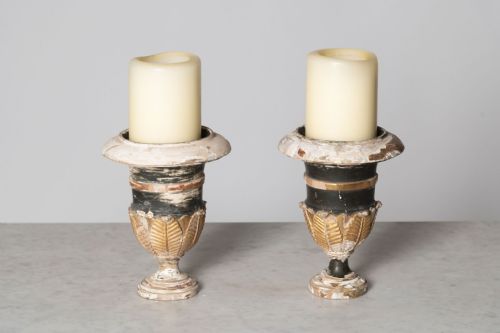
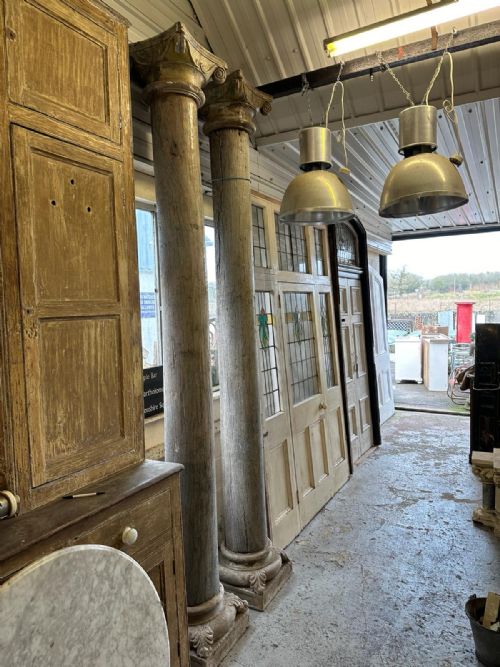
Pair wooden pillars bring architectural presence and sculptural balance into a room, spanning grand columns and small turned candlesticks.
Pair Wooden Pillars
When searching for pair wooden pillars, buyers encounter a diverse selection ranging from architectural salvage columns and bedposts to table lamps and altar-style candleholders. These matching pairs originate across various periods including the nineteenth century, Regency era, and the Edwardian epoch.
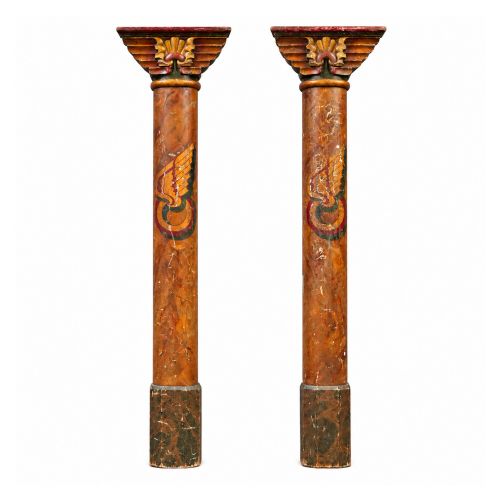
The assortment on this page includes French painted columns, Italian silvered carved wooden candlesticks, and English carousel fairground columns from nineteen twenty. Architectural forms sit alongside decorative objects like table lamps and carved pedestals with secret compartments.
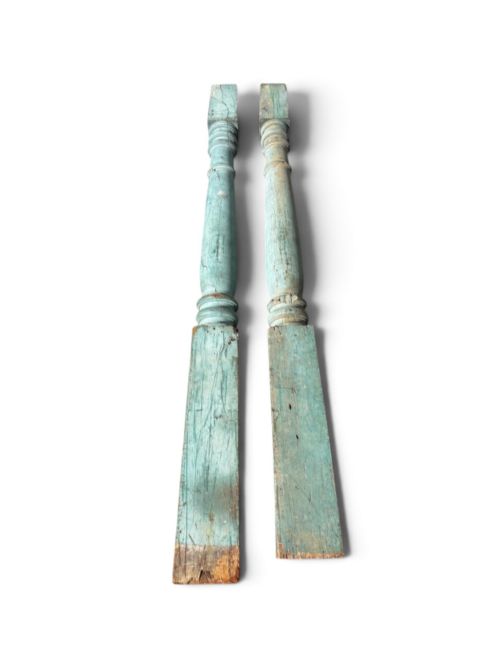
Origins stretch from England and France to Italy and India, offering both softwood and hardwood constructions with painted, gesso, or parcel gilt finishes. Buyers find items intended for display, illumination, or structural salvage use.
How they were made
Craftsmen utilised various woods such as mahogany, oak, hardwood, and softwood, shaping them through turning and intricate carving techniques. Surfaces frequently received treatments like paint, gesso, silvering, or parcel gilding to achieve specific aesthetic effects.
Certain pieces incorporate additional media, featuring brass sconces or carved stone bases integrated with the wooden structures. Simulated finishes also appear, notably faux verde antico marble effects applied to wooden display columns.
Listings feature woods including mahogany, oak, and softwood, spanning periods from the eighteenth century through nineteen twenty.
What varies in quality
The standard of a pair depends on the depth and crispness of the hand-carving upon capitals, columns, or candlesticks. Superior examples display refined proportions and well-executed surface treatments, whether original paint, parcel gilding, or silvering.
Integrity of the timber and the retention of original decorative elements distinguish finer pieces from those requiring heavy restoration, such as portico softwood columns intended for repair.
The Pair Wooden Pillars Glossary
- Capital
- The topmost member of a pillar or column, often carved with architectural orders such as Ionic or Corinthian details.
- Parcel Gilt
- A surface decoration technique where portions of an object are selectively covered with gold leaf, highlighting carved details.
- Verde Antico
- A dark green serpentine marble appearance, simulated here through painted decoration on wooden display columns.
- Architectural Salvage
- Building elements rescued from structures for reuse as decorative objects or interior furnishings.
- Gesso
- A plaster-like mixture applied to wood surfaces to provide a smooth base for painting or gilding.
Pair Wooden Pillars: Frequently Asked Questions
What are pair wooden pillars used for?
These items serve primarily as decorative objects, lighting fixtures, or architectural elements within interior spaces.
Larger columns function as display pedestals or room accents, while smaller turned wood items serve as candlesticks or table lamps.
How do I identify the period of wooden pillars?
Dating relies on stylistic clues, construction methods, and characteristic finishes associated with specific eras like the Regency period or Edwardian times.
Details such as carved capitals and regional carving styles help narrow down the century of origin.
Can wooden pillars be used as lamps?
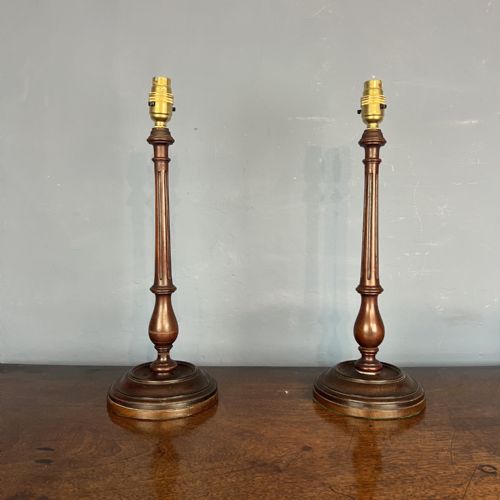
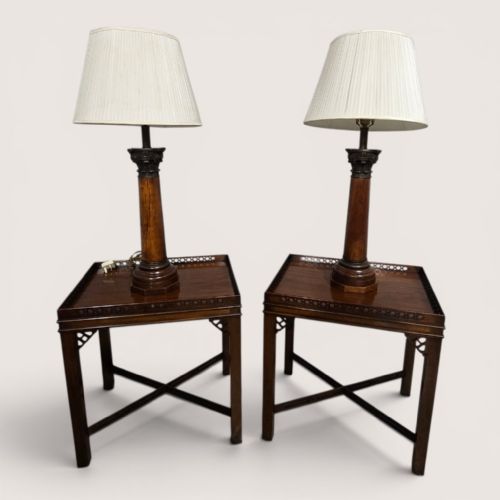
Several listed examples are specifically adapted or constructed as table lamps, combining turned timber with electrical fittings and brass sconces.
Larger architectural columns can also support interior illumination schemes when placed correctly.
Are painted wooden columns original?
Many columns feature historical paint finishes, including French painted surfaces and simulated marble effects like faux verde antico.
Examining the wear and integration of the paint with the underlying wood helps determine its age and authenticity.