


Vintage Carved Pillars
Vintage carved pillars bring immediate architectural presence to a room, offering striking vertical lines and historic character.
Vintage Carved Pillars
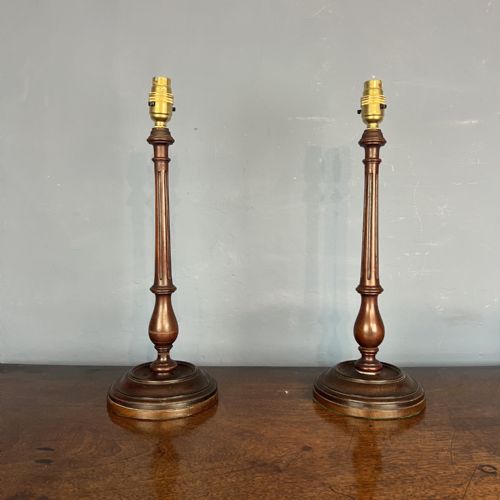
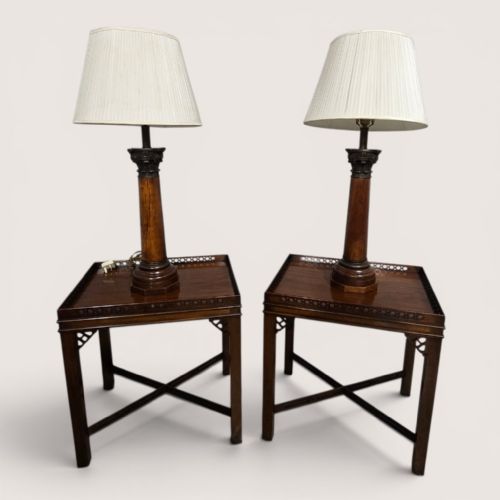
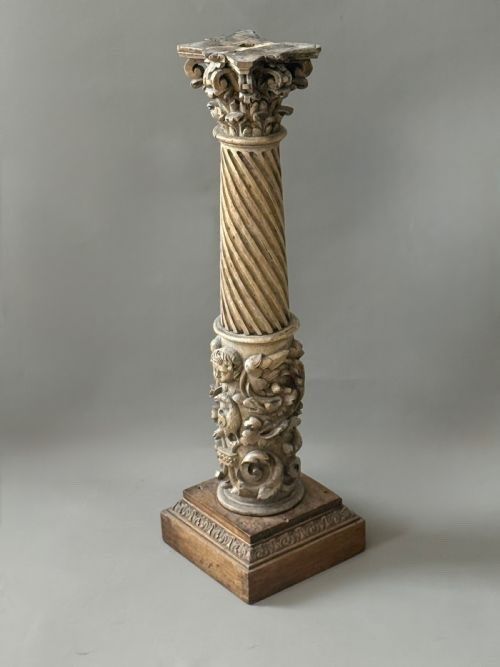
These vintage carved pillars encompass architectural salvage, columns, table lamps, pedestals, and table supports drawn from centuries of craftsmanship. When searching for vintage carved pillars, buyers encounter items ranging from monumental seventeenth-century wooden elements to early twentieth-century decorative stands.
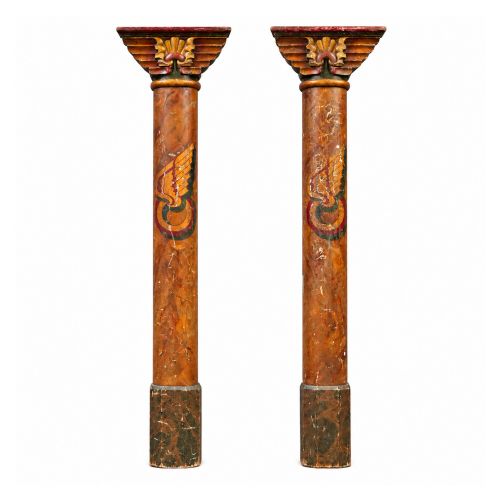
The selection on this page relies heavily on nineteenth-century pieces, alongside items from the eighteenth and early twentieth centuries. Hardwood, oak, mahogany, and sandstone appear frequently among the listed forms, alongside specialised items like carousel fairground columns and architectural fragments.
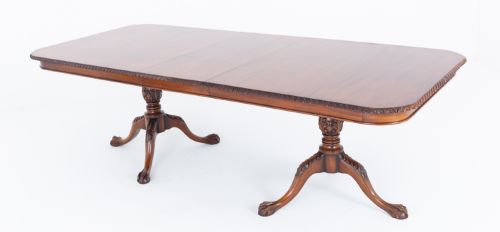
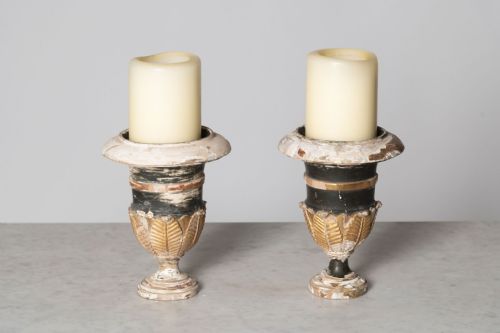
Forms span functional furniture supports, such as pedestal dining tables and breakfast tables on central pillars, as well as standalone decorative columns and lighting bases. Buyers find both matching pairs and singular monumental pillars ready for interior placement.
Evaluating Quality and Origin
The standard of carving dictates visual distinction, separating mechanically produced elements from deep, crisp hand-chutted detail on capitals and shafts. The depth of relief and the precision of classical proportions define the finer examples.
Material selection governs durability and presence, with figured mahogany, dense oak, and solid sandstone commanding attention above softer or composite woods. The integrity of matching pairs elevates utility for interior design schemes.
Provenance and structural honesty matter greatly, distinguishing genuine architectural salvage and period furniture components from later adaptations.
Materials documented across the catalogue include oak, mahogany, sandstone, onyx, marble, and alabaster alongside painted and stained hardwoods.
The Vintage Carved Pillars Glossary
- Capital
- The topmost member of a pillar or column, often decorated with carved foliage or scrolls. It visually supports the load above and defines the architectural order.
- Ionic
- A classical architectural style distinguished by scroll-shaped ornaments known as volutes on the capital. This order creates an elegant, slender appearance.
- Staddlestone
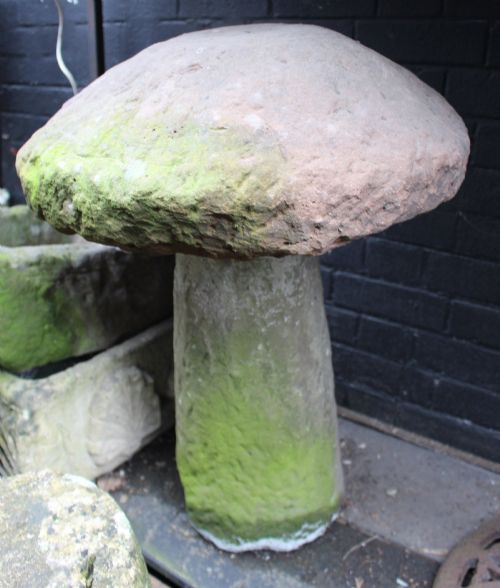
- A mushroom-shaped stone support originally used to elevate granaries and grain stores off the ground to prevent damp and vermin. These now serve as garden ornaments.
- Torchiere
- A tall stand or pedestal, typically designed to support a lamp or candleholder. They elevate light sources to illuminate larger spaces.
- Salvage
- Architectural elements rescued from buildings undergoing demolition or alteration. This category preserves historic columns, pillars, and stonework for reuse.
Vintage Carved Pillars: Frequently Asked Questions
How were antique pillars originally used?
These pieces served as structural supports in grand buildings, exterior elements in gardens, or decorative pedestals inside homes. Many functioned as table bases or architectural salvage.
Over time, craftsmen adapted many pillars into lamp bases, plant stands, or freestanding decorative sculptures for domestic interiors.
Can I use these pillars outdoors?
Sandstone and stone pillars tolerate outdoor settings if placed on stable ground away from standing water. Porous stones require consideration during freezing weather.
Wooden pillars and items finished with delicate paint or polish suit indoor display best to protect the historical surfaces from moisture.
How do I identify the period of a carved pillar?
The wood species, carving style, and tool marks offer clear clues to the date of manufacture. Hardwoods like oak and mahogany point toward specific furniture eras.
Architectural styles provide further context, as neoclassical, baroque, and art deco details align with distinct centuries and decades of production.
Are these pillars sold as matching pairs?
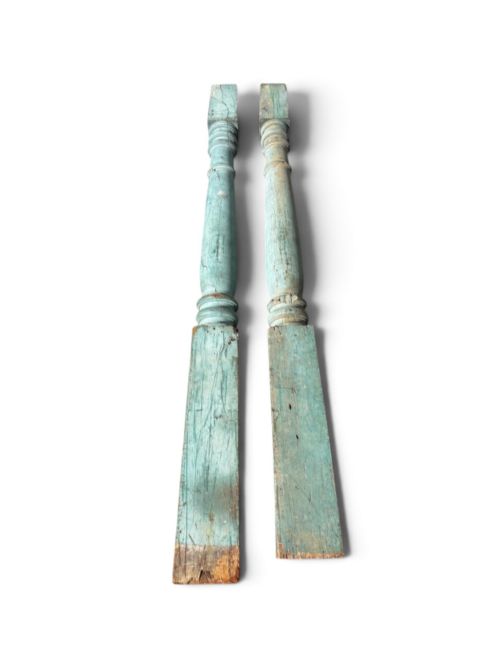
Many listings feature matched pairs sourced from fairgrounds, bed posts, or architectural salvage projects. Pairs suit symmetrical interior displays and balanced room layouts.
Single monumental pillars also appear, designed to stand alone as striking focal points in a hallway or living space.