



Antique Ionic Columns
Antique ionic columns bring classical proportion and architectural form indoors, offering striking height to display art or lighting.
Antique Ionic Columns
When you search for antique ionic columns, you find architectural elements, pedestals, and furnishings that adapt ancient Greek design for modern interiors. These pieces bring a distinct classical silhouette into domestic spaces through carved capitals and sturdy shafts.
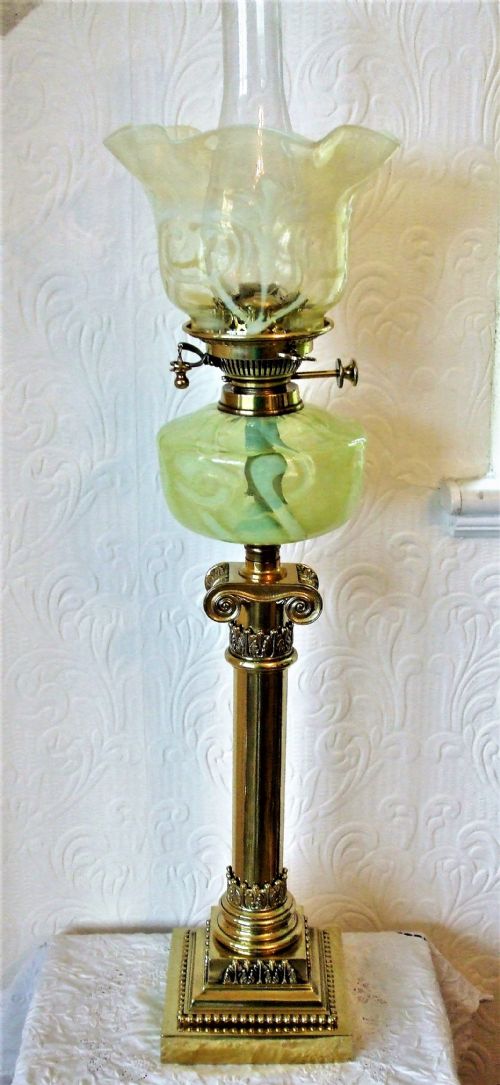
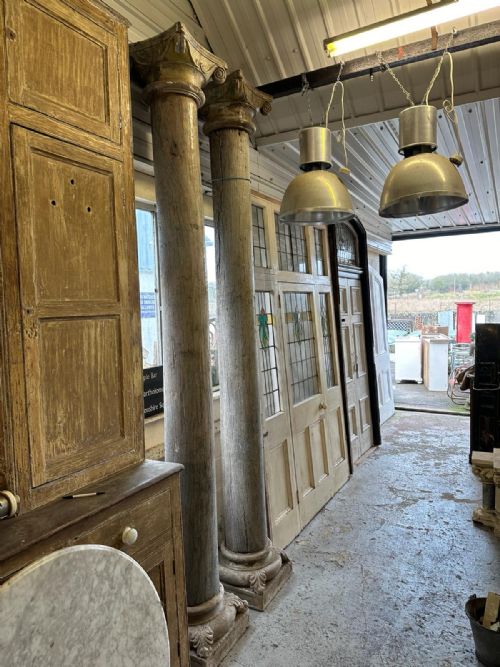
The versions you are most likely to meet on this page include nineteenth century pedestals, carved wood columns, and brass oil lamps incorporating the characteristic volute scroll. Makers across the eighteenth, nineteenth, and early twentieth centuries drew heavily on neoclassical and revival styles to create these forms.
Beyond standalone architectural salvage, the influence of the order appears on furniture legs, bedside tables, and washstands. These diverse objects share a common lineage rooted in classical architecture translated into wood, stone, metal, and plaster.
How they were made
Makers shaped these pieces from hardwoods like mahogany alongside cast and reconstituted stone, applying manual carving to capitals and bases. Woodworkers turned shafts on lathes while stone masons and plasterers cast or carved intricate decorative details.
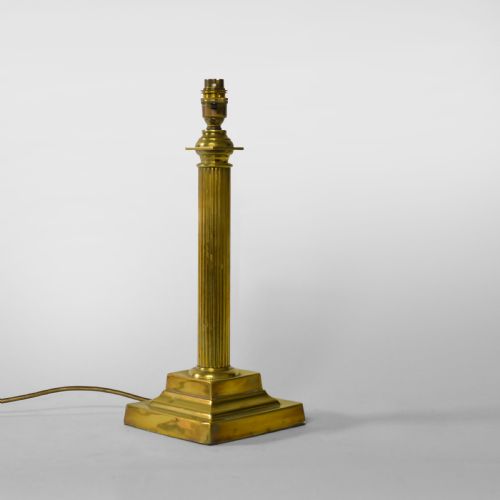
Metal components, particularly on nineteenth century lamps, involved cast brass and ormolu assembled to support glass reservoirs and shades. These mixed media constructions combined structural rigidity with fine ornamental detail on the volutes and fluting.
Listings feature items from the eighteenth, nineteenth, and early twentieth centuries, constructed in mahogany, brass, plaster, and stone.
What varies in quality
The distinction between ordinary examples and superior pieces rests on the crispness of the carving on the ionic capital and the depth of the fluting. Sharp, well-defined volutes demonstrate a higher degree of sculptural skill than softened or mass-produced alternatives.
Material selection and structural integrity also divide the range, with solid hardwoods and substantial cast bronze or brass outlasting painted plaster or composite builds. Proportion and balance dictate how successfully a piece translates monumental architecture into domestic scale.
Hinks
The Antique Ionic Columns Glossary
- Volute
- The spiral scroll ornament characteristic of the ionic capital. It sits at the top of the column shaft, defining the order.
- Neoclassical
- A style drawing on the art and architecture of classical antiquity. It dominated design revivals throughout the eighteenth and nineteenth centuries.
- Ormolu
- Finely ground high-carat gold-mercury amalgam applied to bronze objects. This technique creates a rich decorative surface on metal mounts.
Antique Ionic Columns: Frequently Asked Questions
What periods do these columns date from?
The pieces listed across this page span from the eighteenth century through to the early twentieth century. Many date specifically to the Victorian era and the nineteenth century.
Design revivals during these later periods frequently reinterpreted earlier neoclassical forms in wood, metal, stone, and plaster.
How were ionic columns used in homes?
These pieces served both structural and decorative roles, appearing as standalone pedestals for busts, components of lighting, and elements of furniture.
Architectural salvage and carved columns provided height for display, while oil lamps and washstands integrated the classical order into everyday household items.
What materials are commonly found?
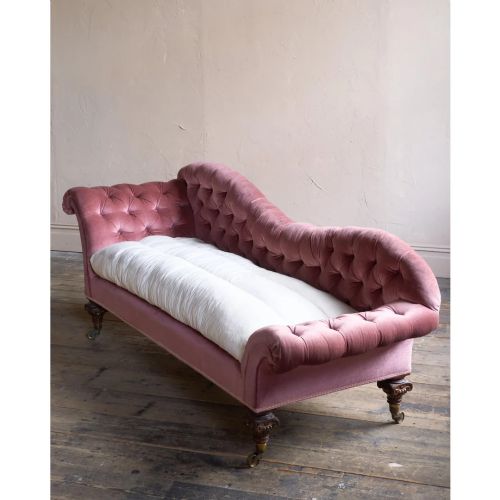
Makers utilised a diverse range of materials including mahogany, hardwood, brass, glass, and velvet. Other common substances include plaster, reconstituted stone, and cast stone.
Some objects combine several materials, pairing carved wood shafts with stone bases or mounting marble on ormolu frames.
How do you identify neoclassical revival styles?
Neoclassical revival pieces incorporate classical motifs such as column capitals, architectural engravings, and symmetrical proportions derived from antiquity. These designs reappear across nineteenth century furniture and decorative objects.
The presence of characteristic scrollwork and strict architectural form usually signals this stylistic influence.