



Edwardian Architectural Salvage
Edwardian architectural salvage brings substantial historic character to interior and exterior schemes through genuine period components.
Edwardian Architectural Salvage
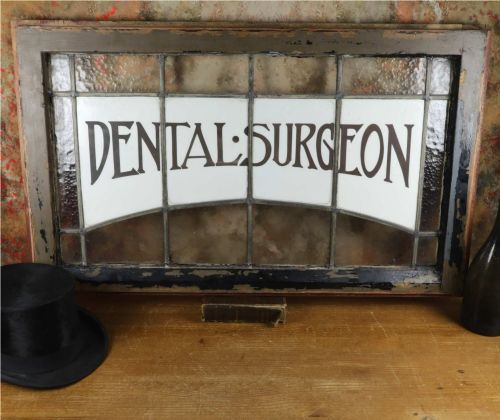
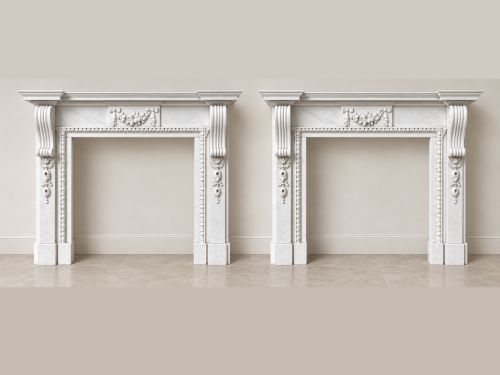
Edwardian architectural salvage encompasses original fixtures and structural fragments rescued from buildings, spanning the late nineteenth and early twentieth centuries. Pieces grouped under this heading often include stained glass windows, fire surrounds, and heavy door hardware.
The items most frequently encountered on this page derive from domestic and commercial settings of the period. Buyers select these elements to restore period properties or integrate authentic historic detailing into modern spaces.
Materials and construction methods
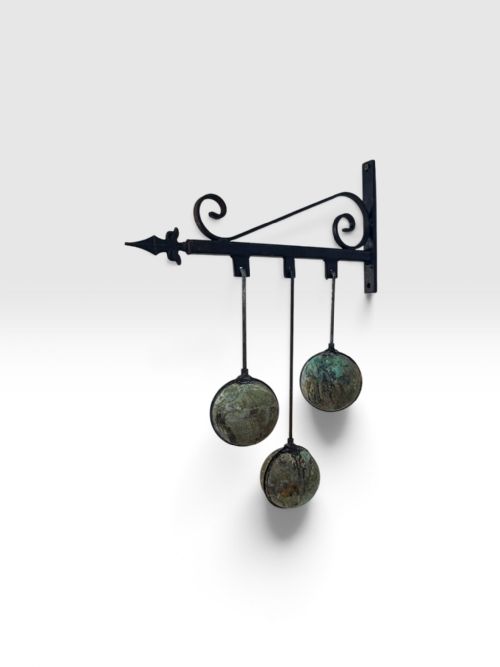
Makers utilised durable metals such as cast iron, wrought iron, brass, copper, and bronze for hardware, street lamps, and structural gates. Woodwork relies heavily on solid oak and other hardwoods, shaped through traditional carving and joinery techniques.
Current listings feature materials ranging from hand-painted glass and lead to wrought iron, brass, oak, and white marble.
Distinctions in quality
Quality rests upon the crispness of hand-carved details in wood and marble, alongside the complexity of leaded glass designs. Finer examples display meticulous hand-painted artistry within glass panels and robust casting in metals.
Preservation of original surfaces and patination dictates the standing of a piece. Items retaining their unpolished hardware finishes or intact structural integrity command greater attention.
A Foster & Pullen Bradford
The Edwardian Architectural Salvage Glossary
- Architectural salvage
- Building materials and decorative fixtures removed from structures slated for demolition or renovation. These elements allow modern projects to retain period authenticity.
- Leaded glass
- Individual panes of glass joined together by lead cames to form geometric or pictorial windows. This technique defines many historic window panels.
- Overdoor
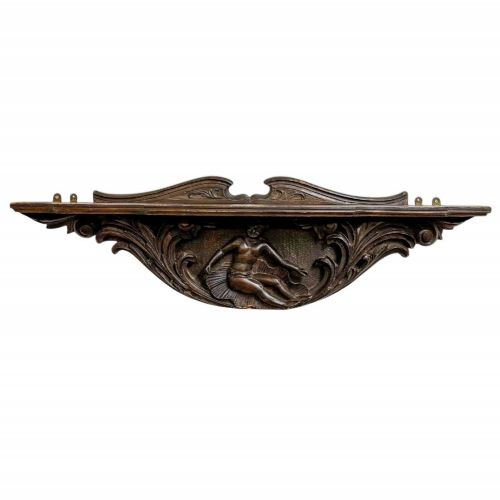
- A decorative pediment or panel positioned above a doorway. Carved wooden versions often incorporate display shelves.
- Vitriolite
- An opaque structural coloured glass popular in early twentieth-century signage and interior cladding. It provides a glossy, durable surface.
- Pediment
- A triangular or curved architectural element placed above entrances, windows, or furniture. Salvaged examples bring formal structure to interiors.
Edwardian Architectural Salvage: Frequently Asked Questions
How do I install salvaged fire surrounds?
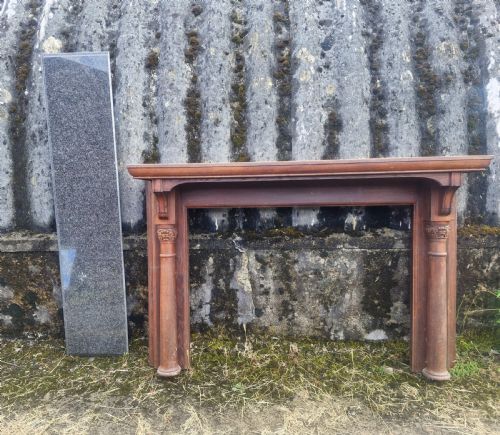
Professional installation is recommended for heavy stone and wooden fire surrounds to ensure structural stability against walls. Hearth compatibility with modern heating regulations must also be verified.
Surrounds often require careful alignment with existing chimney breasts and may need professional restoration of internal brickwork or plaster.
Can stained glass panels be hung as art?
Leaded and stained glass panels work effectively when suspended inside larger window frames or mounted against interior walls with backlighting. This method protects fragile lead cames from outdoor weather.
Careful consideration of weight distribution is necessary when hanging large glass pieces to prevent sagging of the lead framework.
Are door handles and hardware standardized?
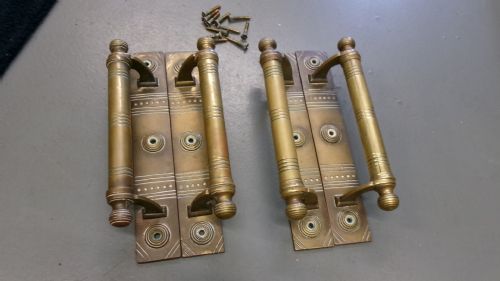
Period door hardware often differs significantly in spindle size and lock mechanism from modern standard doors. Adaptation by a specialist joiner is frequently required for retrofitting.
Matching push plates and handles should be checked for complete sets before undertaking installation work on internal doors.
How do I clean historic metalwork?
Gentle dusting and application of neutral wax help preserve the existing patination on brass, copper, and iron pieces. Abrasive polishes should be avoided to retain historical depth.
Stubborn grime on ironwork can be treated with light oils, ensuring the metal remains protected against future moisture exposure.