


Classical Wood Columns
Classical wood columns comprise architectural salvage, display pedestals, and column-framed mirrors that bring monumental order and proportion into domestic spaces.
Classical Wood Columns
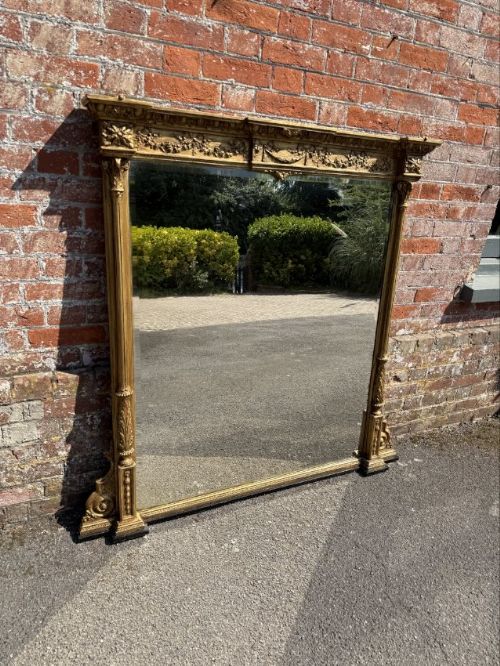
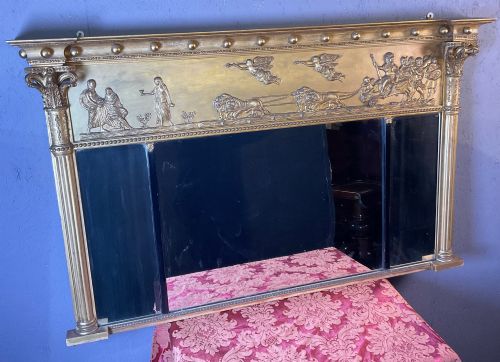
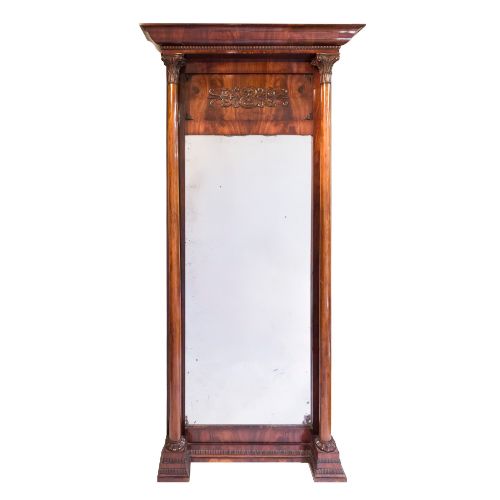
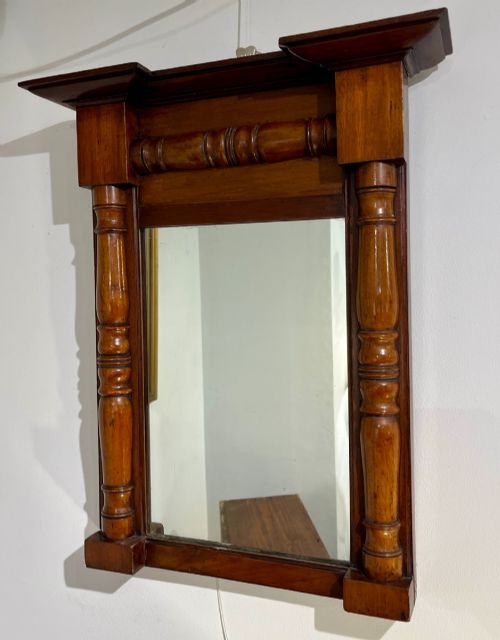
When searching for classical wood columns, collectors encounter a diverse selection of architectural elements, display furniture, and mirrors incorporating column forms. The items available range from 18th-century painted torchere stands and French theatrical columns to 19th-century mahogany display pedestals and pier mirrors framed with carved wooden columns.
The most common forms on this page include architectural salvage columns, carved wooden capitals in the Corinthian style, and decorative support pillars fashioned in mahogany, oak, and birch. Pieces span periods from the late 18th century through the Victorian era and into the early 20th century, drawing upon Regency, Neoclassical, and Empire revival aesthetics.
Alongside structural columns and floor-standing torcheres, buyers find console tables, portico tables, and overmantel mirrors where carved wooden columns form the primary decorative structure. These objects frequently integrate painted finishes, faux marble effects, and parcel-gilding to emulate heavier classical stone prototypes.
Materials and technique
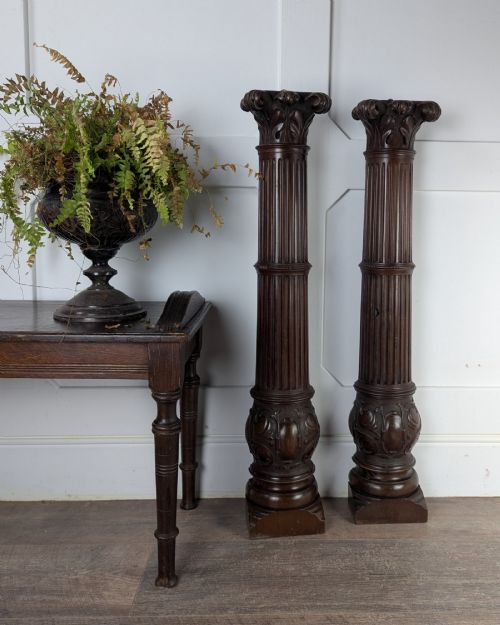
The items listed are principally fashioned from hardwoods such as mahogany, oak, birch, and assorted timber, often shaped with reeded, fluted, or ribbed shafts. Cabinetmakers and artisans utilised carving techniques to render intricate details upon capitals, particularly following Corinthian and Ionic orders.
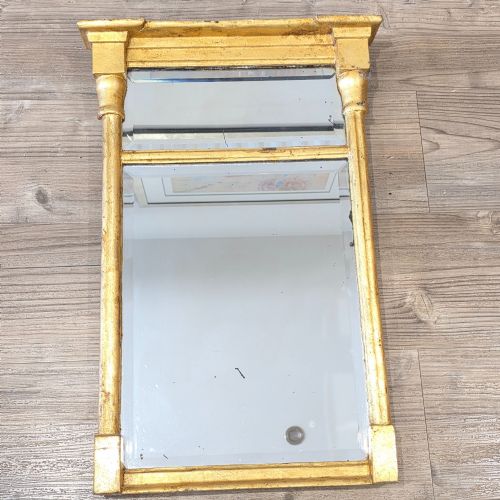
Surface decoration plays a major role across the inventory, combining carved wood with gesso, gold leaf, paint, and grain-painted effects to simulate marble or enhance parcel-gilt details. Glass plates are integrated into the pier and overmantel mirrors, set behind wooden column frames finished in gilt or dark polish.
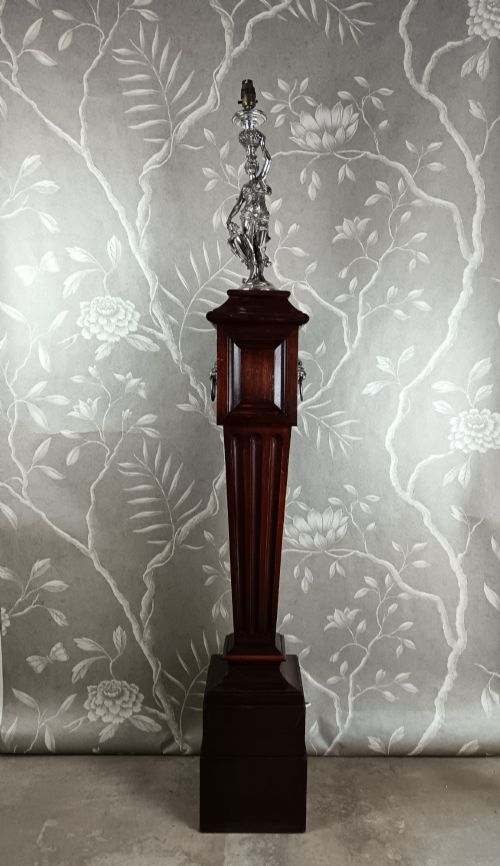
One extraordinary pedestal once held a silver-plated figural statue bearing the mark of the German metalwork manufacturer WMF.
Quality variations
The distinction between standard items and the finest pieces rests upon the crispness and depth of the wood carving, particularly visible in the acanthus leaves and volutes of Corinthian capitals. Superior examples display meticulous hand-tooling that maintains sharp architectural lines rather than softened, mass-produced contours.
The integrity of the original surface finish, whether fine gilding, gesso work, or grain painting, heavily influences the standing of a piece. Items retaining their untouched period painted or gilded schemes command greater appreciation than those subject to unsympathetic later overpainting.
The Classical Wood Columns Glossary
- Corinthian order
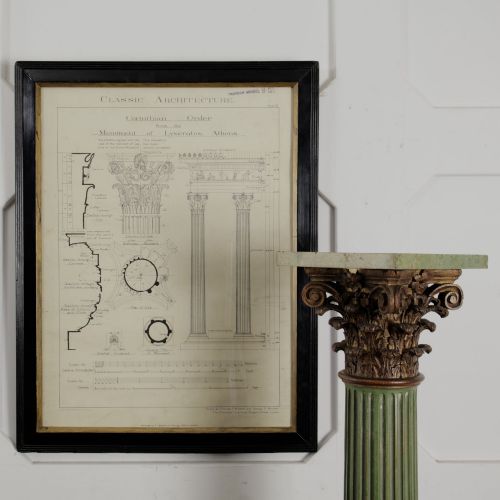
- An architectural order identifiable by an ornate capital decorated with rows of acanthus leaves and small volutes. It appears frequently on pedestals and mirror frames.
- Capital
- The uppermost member of a column, serving to spread load and provide decorative transition. Carved wooden examples often display classical foliage.
- Pier mirror
- A tall vertical glass designed to hang on the wall space between windows. These mirrors are frequently flanked by engaged columns or pilasters.
- Torchere
- A tall stand or floor lamp designed to hold a light source or display object. Antique examples take the form of decorated wooden columns.
- Gesso
- A plaster-based material applied to wood surfaces and carved or moulded before gilding. It provides a smooth base for gold leaf application.
Classical Wood Columns: Frequently Asked Questions
How were classical wood columns used originally?
In historical interiors, full columns and half columns served as structural supports or decorative wall framing within grand rooms. Lighter wooden versions and architectural salvage pieces were adapted to frame mirrors or elevate decorative arts.
Smaller column forms functioned as torcheres for lighting or as pedestals to display sculptures, urns, and porcelain. Their design allowed domestic spaces to echo monumental classical architecture.
How do I style a column pedestal at home?
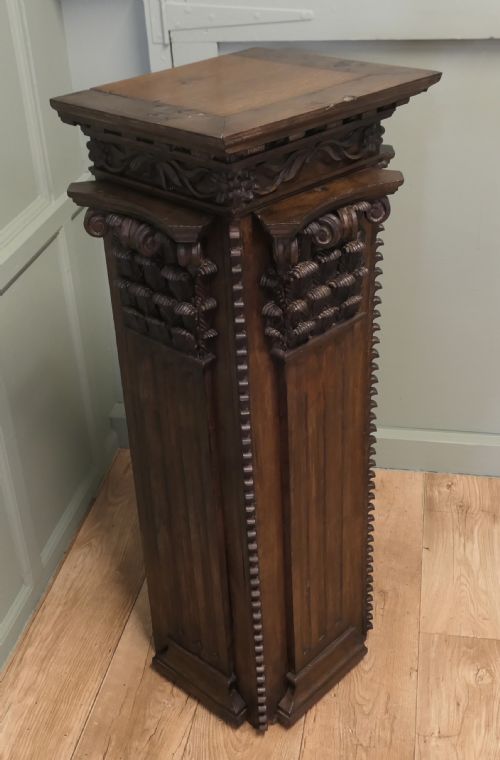
Column pedestals and torcheres suit corners or empty wall spaces where height and vertical emphasis are required. Placing a bronze figure, a ceramic bowl, or a lamp on top draws the eye upward.
Ensure the weight of the displayed object matches the sturdy capacity of the wooden base. Timber and faux marble finishes integrate well into both traditional and contemporary room schemes.
What is the difference between an Ionic and Corinthian capital?
Ionic capitals feature distinctive spiral scroll ornaments known as volutes on opposite sides. They present a lighter, more restrained classical appearance.
Corinthian capitals are more elaborate, adorned with carved acanthus leaves arranged in distinct tiers beneath smaller corner scrolls. Both styles were faithfully reproduced in carved wood during the nineteenth century.
How can I tell the period of a wooden column?
Dating relies upon examining the timber species, the tool marks left by the maker, and the underlying construction methods. Mahogany and oak dominate earlier pieces, while birch and stained hardwoods frequently appear in later revival items.
The style of the carving and the composition of the gesso or paint layers also indicate the period. Neoclassical and Regency pieces exhibit restrained classical proportions, whereas later revival items often display heavier proportions.