




Carved Architectural Pillars
Carved architectural pillars bring immediate structural presence and historic character to a room, spanning timber and stone from the seventeenth century to the twentieth.
Carved Architectural Pillars
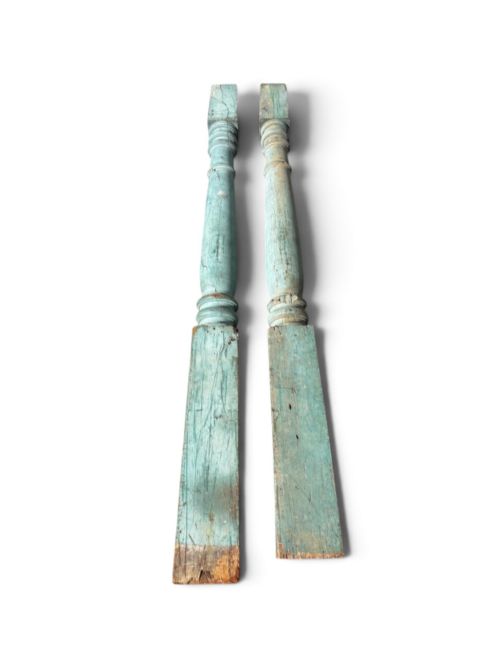
Carved architectural pillars encompass salvaged timber columns, stone staddlestones, pedestals, and bedposts drawn from vernacular, neoclassical, and baroque traditions. When exploring carved architectural pillars, buyers frequently encounter matched pairs originating from the nineteenth century alongside earlier oak and seventeenth century examples.
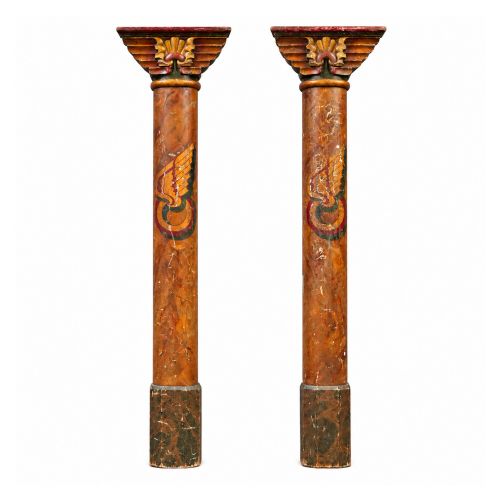
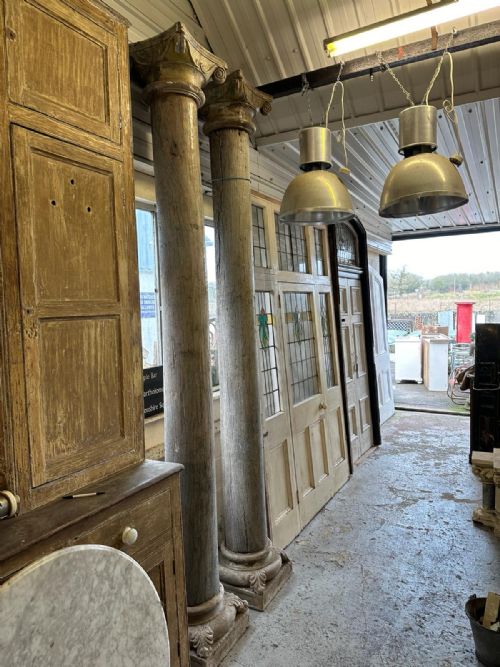
Forms range from grand scale painted wooden columns and ionic capitals to folk art slate columns and fairground pieces. These items transition easily from architectural salvage yards into domestic interiors as display pedestals or lamp bases.
Materials and construction methods
Makers shaped these pieces from dense hardwoods like oak and mahogany, alongside sandstones, limestones, and slate. Surface finishes vary from natural weathered grain to painted and parcel gilt treatments.
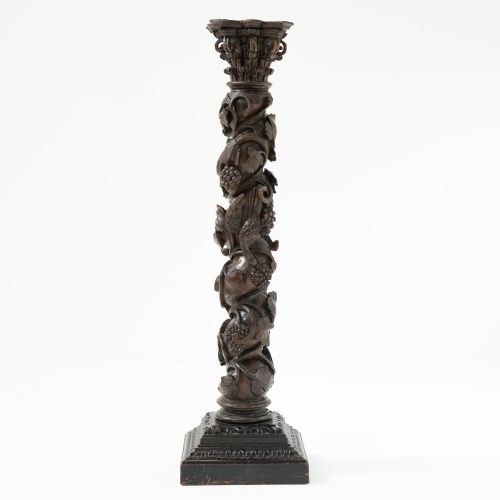
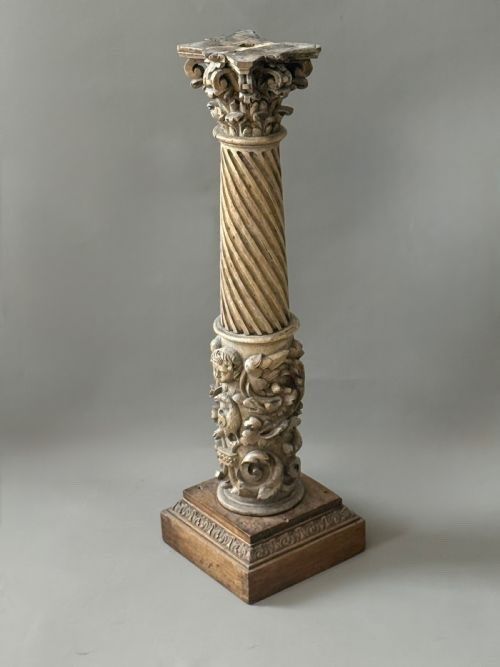
Carpenters and masons employed traditional hand carving techniques to execute fluted shafts, capitals, and twist turnings such as the Solomonic spiral. Structural elements often combine wood shafts with stone bases or incorporate hidden compartments.
The selection includes repurposed bedposts, fairground columns, and garden staddlestones alongside classical architectural salvage.
Evaluating quality and proportion
Quality rests upon the crispness of the hand carving, the structural integrity of the timber or stone, and the balance of proportions. Superior examples retain original surface treatments such as early paint or gilding rather than stripped or modern finishes.
Matched pairs command greater consideration than single columns due to the difficulty of original pairing. The depth of relief work and the execution of classical details like ionic capitals distinguish standard architectural salvage from exceptional decorative pieces.
The Carved Architectural Pillars Glossary
- Solomonic column
- A twisted, rope-like helical shaft associated with baroque design. This form gained popularity during the seventeenth century.
- Staddlestone
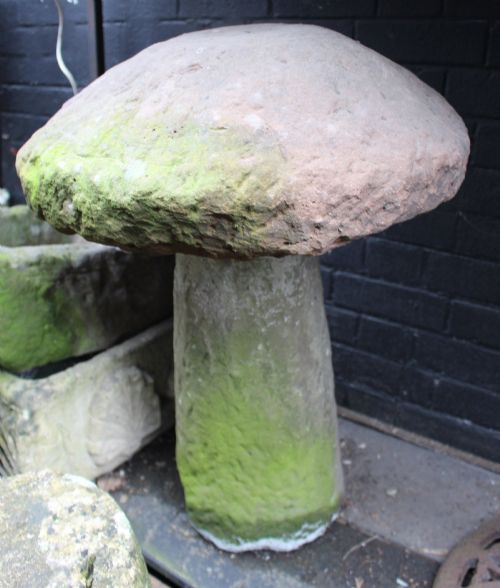
- A mushroom-shaped stone support formerly used to elevate granaries. These items function commonly as garden ornaments today.
- Capital
- The topmost member of a pillar or column. They often feature classical orders such as the ionic or corinthian style.
- Pilaster
- A rectangular architectural column projecting slightly from a wall. They appear frequently on furniture and salvaged architectural timberwork.
- Bedpost
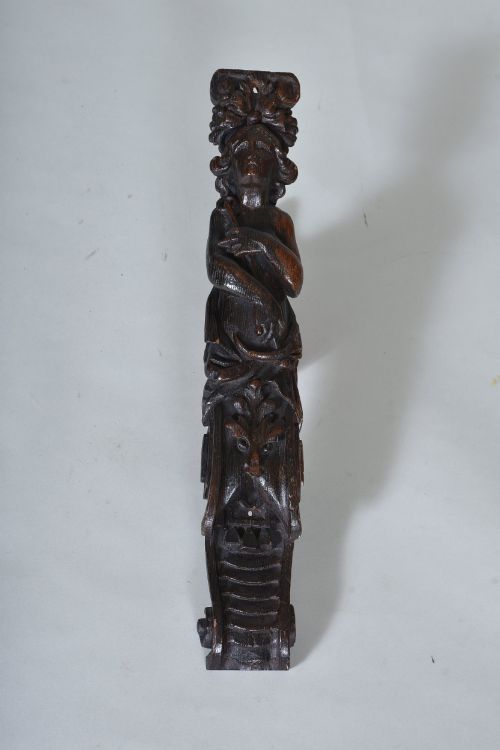
- A vertical support post from a historic bed frame. These are frequently repurposed as freestanding decorative pillars.
Carved Architectural Pillars: Frequently Asked Questions
How were staddlestones used originally?
Farmers employed staddlestones as foundations to raise granaries and rick stands off the ground. This elevation protected stored grain from dampness and vermin.
Today, these stone pieces find placement in gardens and landscape designs as decorative ornaments or low tables.
Can these pillars support structural weight?
Most antique wooden pillars and bedposts serve decorative and display functions rather than load-bearing architectural roles. Salvaged stone columns possess higher compressive strength but require professional assessment before supporting structural loads.
Buyers usually utilise them as lamp bases, pedestals, or interior design focal points.
What defines a Solomonic column?
A Solomonic column is characterised by a distinctive helical twist running the length of the shaft. This baroque form creates dynamic movement and caught favour in seventeenth century carving.
They appear as pedestal columns and structural elements in the available selection.