
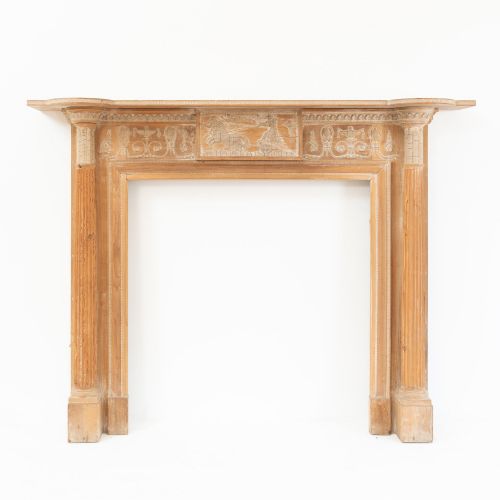
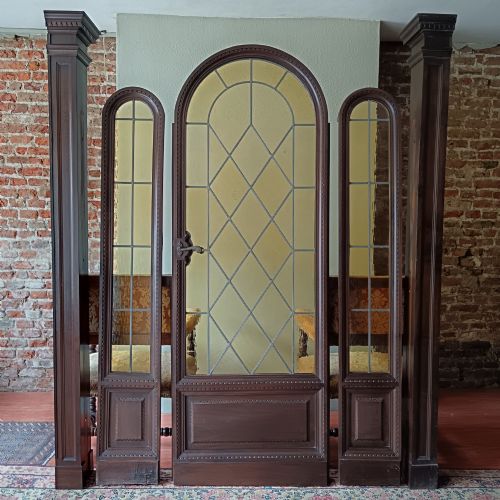


Fluted Timber Columns
Fluted timber columns are architectural supports and statement furnishings shaped by classical design, offering structural rhythm and ornamental presence.
Fluted Timber Columns
Fluted timber columns are architectural salvage and decorative supports rooted in classical design, bringing vertical emphasis to an interior space. When searching for fluted timber columns, a buyer encounters forms ranging from freestanding pedestals and console tables to architectural salvage and carved fireplace surrounds. The pieces listed on this page span the nineteenth century, the Victorian period, and nineteen-twenty, reflecting various regional interpretations including English, French, and Italian work.
The most common versions met here are architectural salvage pairs and pedestals, often shaped from pine or mahogany and finished with hand-carved details. Many items retain the hallmarks of Victorian classical revival and neoclassical styles, incorporating vertical channels that draw the eye upward. These objects function as standalone display plinths, structural framing elements, or repurposed hallway stands integrated with marble and glass.
Materials and construction
Makers shaped these columns primarily from solid hardwoods and softwoods such as pine, mahogany, walnut, and beech. Craftsmen utilised hand-carving techniques to cut precise vertical flutes down the shaft, creating shadows and depth along the wood grain. Surfaces frequently received painted treatments, polished wax finishes, or gilt accents depending on the regional workshop tradition.
Structural integrity often involved joining sections of timber or incorporating secondary materials like marble tops, lead weighting, and iron brackets. Architectural salvage pieces occasionally reveal structural adaptations from their original interior settings, such as mounting plates or concealed compartments built into the pedestals.
Current listings feature items from the nineteenth century, Victorian era, and nineteen-twenty, utilising materials including pine, mahogany, walnut, marble, iron, and glass.
Distinctions in craftsmanship
The distinction between standard utility joinery and superior craftsmanship lies in the crispness of the hand-carved fluting and the selection of the timber. Finely executed pieces display uniform channel depths and precise capital detailing that reflects the neoclassical vocabulary of the period. Lesser examples show simpler turning work or rely on heavy paint layers to obscure simpler timber selection.
Proportion and scale also separate ordinary architectural elements from distinguished examples. Balanced proportions in the shaft and capital demonstrate a maker's adherence to classical architectural proportions, whereas modified or cut-down salvage often exhibits irregular height or compromised profiles.
The Fluted Timber Columns Glossary
- Flute
- A shallow vertical groove carved into the shaft of a column. Multiple flutes run parallel to create rhythm and shadow along the timber surface.
- Capital
- The uppermost member of a column that serves as the transition between the vertical shaft and the load it carries. Classical examples often feature carved foliage or scrollwork.
- Neoclassical
- A style spanning the eighteenth and nineteenth centuries that revived the classical architectural forms of ancient Greece and Rome. It emphasises symmetry, proportion, and restrained ornamentation.
- Architectural salvage
- Building elements rescued from older structures before demolition or remodeling. These pieces retain historical patination and material integrity.
- Pedestal
- A structural support or plinth designed to elevate a sculpture, vase, or decorative object. In timber construction, these often incorporate hollow shafts or concealed compartments.
Fluted Timber Columns: Frequently Asked Questions
What rooms suit fluted timber columns?
These pieces integrate well into hallways, studies, and drawing rooms where vertical architectural accents create a sense of scale. Freestanding pedestals and console tables serve practical display functions against walls or flanking doorways.
Larger architectural salvage items, such as fireplace surrounds or doorway components, anchor a room's focal point and introduce historical character. Their presence complements traditional interiors as well as eclectic modern spaces seeking textural contrast.
How do I identify nineteenth century pieces?
Nineteenth-century columns typically display hand-carved tool marks, distinct wood species selection like old-growth pine or dense mahogany, and traditional joinery methods. Examining the finish reveals period-appropriate wax patination, hand-mixed paints, or oxidation consistent with age.
Stylistic cues such as Victorian classical revival or French neoclassical detailing help narrow the date of manufacture. Comparing the proportion and carving depth to documented examples from the era confirms authenticity.
Are these columns structurally load-bearing?
Most columns found on the market are decorative architectural salvage, carved wood stands, or pedestals designed for display rather than primary building support. While solid timber construction provides robust weight capacity for decorative objects, original load ratings should not be assumed without professional structural assessment.
Items integrated into console tables or fireplace surrounds function primarily as decorative framing rather than active support pillars. Buyers intending to use salvaged elements for structural purposes should consult a qualified builder.
How should I care for antique timber?
Maintain antique wooden surfaces by dusting gently with a dry, soft cloth and avoiding harsh chemical polishes or silicone sprays. Feeding the timber occasionally with a traditional beeswax polish preserves the moisture and natural sheen of the wood.
Keep pieces away from direct heat sources, radiators, and rapid humidity fluctuations to prevent wood shrinkage, warping, or splitting. Direct sunlight should also be minimised to protect painted or polished finishes from fading.