




French Architectural Salvage
French architectural salvage encompasses rescued building elements and decorative fragments, offering tactile history and character for modern interiors.
French Architectural Salvage
French architectural salvage brings historic building elements and decorative fragments into modern spaces. Buyers seeking french architectural salvage encounter items sourced from chateaux, provincial properties, and townhouses.
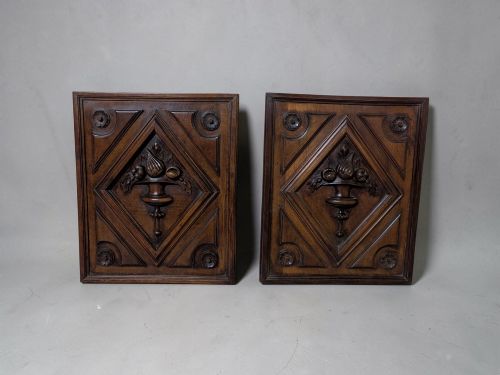
The selection ranges from structural pieces like stone corbels and cast iron balustrade panels to decorative components including carved wooden panels, boiserie, and overdoor carvings. Eighteenth and nineteenth-century examples dominate the offerings, alongside early twentieth-century ironwork and doors.
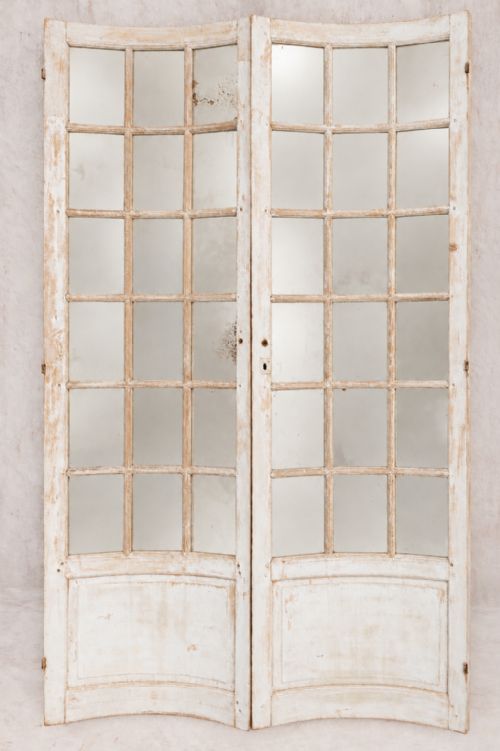
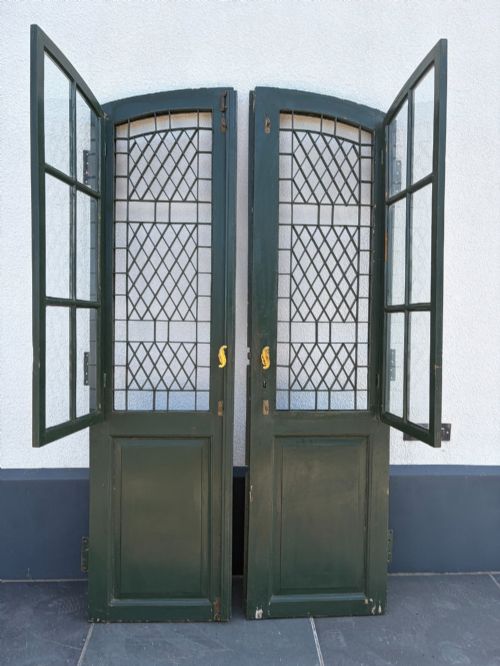
Objects often retain their original paint, gilt gesso, or weathered patinas acquired through decades of exposure or use. These pieces function as wall art, garden screens, mirrors, and doors, bridging historic craftsmanship with contemporary interior design.
Materials and Construction
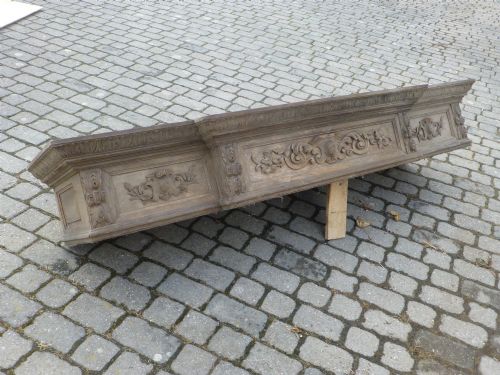
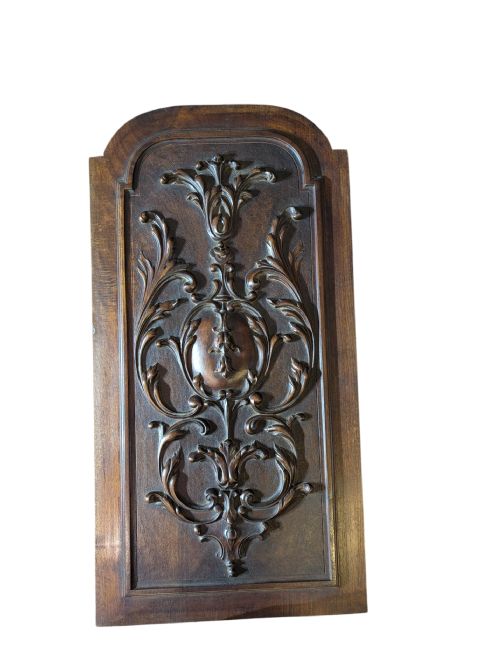
Craftsmen shaped these items using traditional methods suited to wood, stone, and metal. Timber elements like oak, walnut, pine, and general wood utilise hand carving and joinery techniques to create panels, brackets, pelmets, and doors.
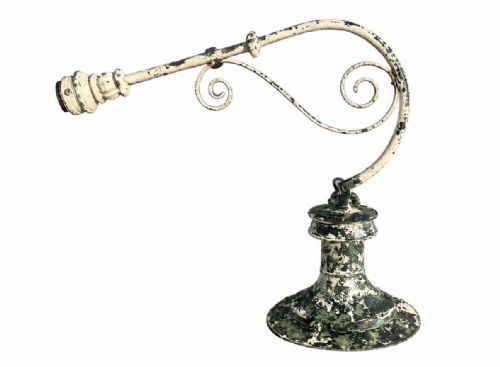
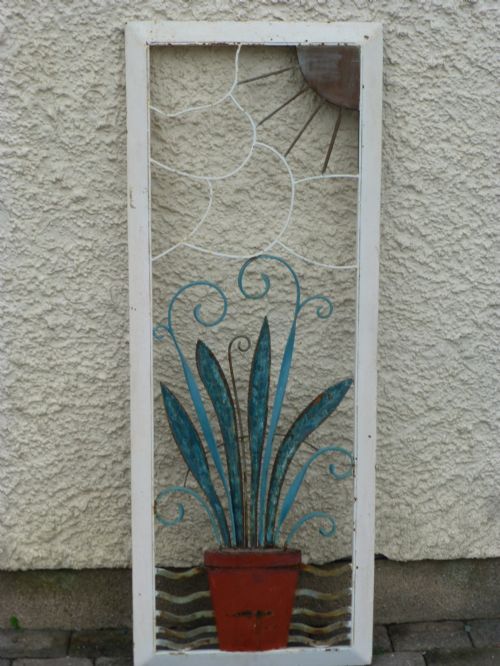
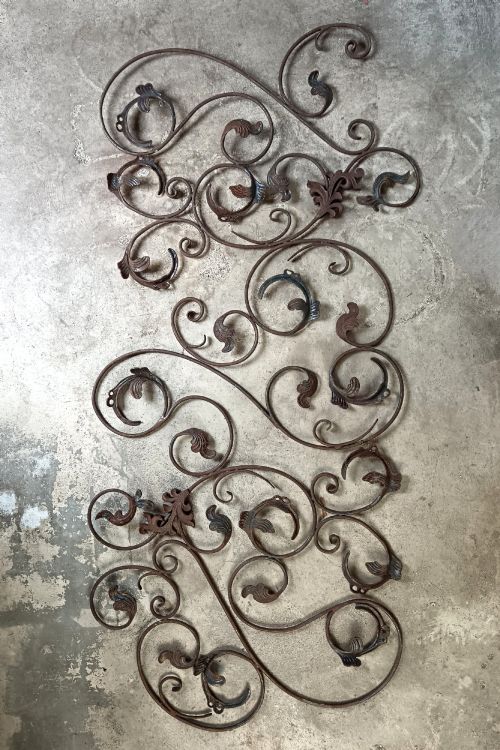
Metalwork relies on wrought iron, cast iron, bronze, and copper, often formed through forging and casting to produce scroll panels, garden screens, door pull handles, and balustrades. Finishes such as paint, gesso, and enamel were applied to wooden and iron surfaces for decoration and protection.
French Architectural Salvage Retail Price Guide 2026
Typical asking prices for french architectural salvage among the pieces listed under this phrase on Sellingantiques today, from the lower quarter to the upper quarter. They describe what is for sale here now, not the wider market.
A massive tower clock face stands ready to remind everyone that losing track of time in a French chateau was exceptionally stylish.
Assessing Quality and Execution
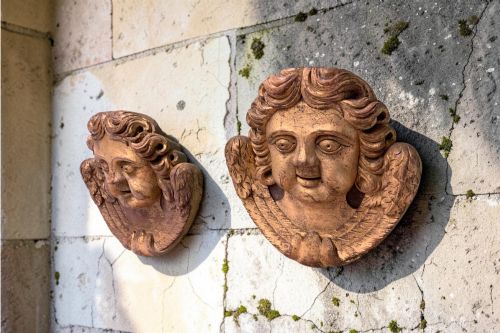
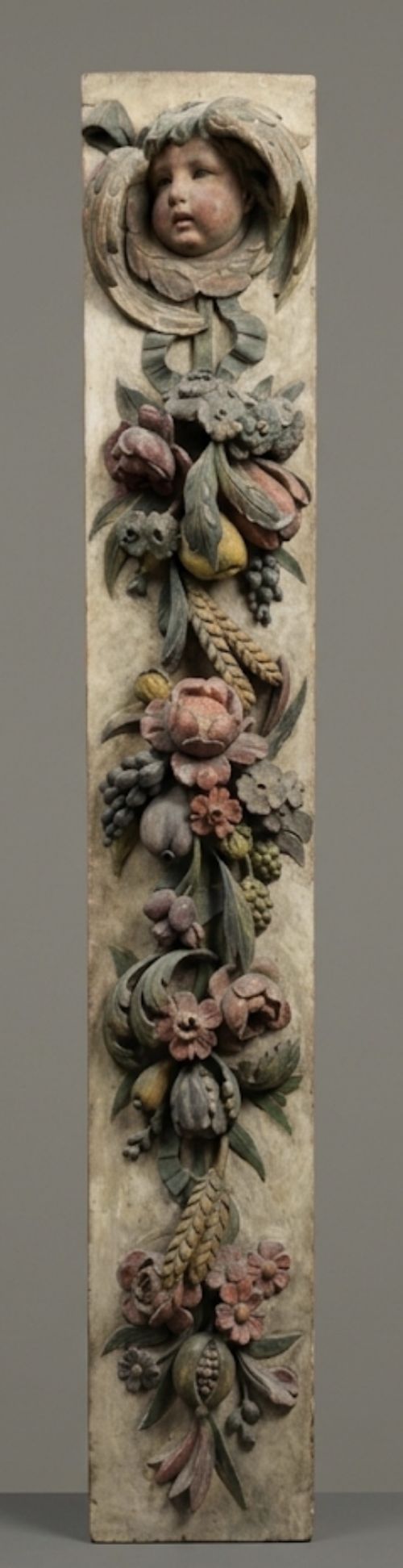
Quality rests upon the crispness of the hand carving, the weight and substance of the metal, and the integrity of the original surface. Master carvers achieved depth and anatomical precision in figures like putti, cherubs, and angel wings, whereas lesser pieces show shallower relief and blunt detailing.
The survival of original decorative layers, such as period paint, gilt gesso, or natural weathering on stone and iron, distinguishes superior examples. Construction methods, including traditional joinery in doors and robust forging in ironwork, separate utilitarian items from high status chateau fittings.
Raymond Subes
The French Architectural Salvage Glossary
- Boiserie
- Carved wooden panelling applied to interior walls. This decorative woodwork typically dates from the eighteenth and nineteenth centuries in French interiors.
- Corbel
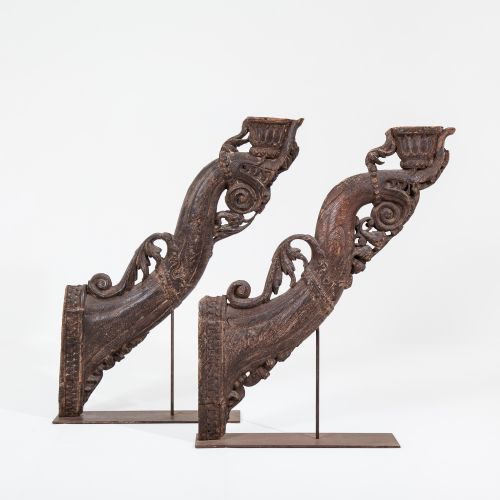
- A structural piece of stone, wood, or plaster projecting from a wall to support a weight. Many examples feature carved scrolls or figural motifs.
- Finial
- A distinctive ornament at the apex of a gable, spire, or architectural feature. These metal or stone elements terminate structural lines.
- Gesso
- A plaster mix used as a base for painting or gilding on wood. It allows for intricate relief ornamentation before the application of gold leaf.
- Spire
- A tapering conical or pyramidal structure on the top of a building. French chateau examples often terminate in decorative metal finials.
French Architectural Salvage: Frequently Asked Questions
What is french architectural salvage?
French architectural salvage consists of rescued structural and decorative elements from historic buildings across France. These range from heavy stone capitals and iron balustrades to carved wooden panels and doors.
Buyers utilise these fragments as wall art, mirrors, or functional fixtures in modern renovations to introduce period character and authenticity.
How were antique stone corbels used?
Stone corbels served as load-bearing architectural supports beneath beams, balconies, or mantelpieces. Masons carved them from stone to distribute weight while adding sculptural ornament to facades and interiors.
Today, collectors mount them as wall brackets or display them as standalone sculptures.
Can antique iron panels go outside?
Wrought iron and cast iron scroll panels, balustrades, and screens were originally built to withstand exterior conditions. Their robust metal construction makes them suitable for garden placement or exterior walls.
Weathering and oxidation over time often enhance the surface texture of these outdoor metal elements.
How do I date carved wooden panels?
Dating relies on timber species, tool marks, and stylistic indicators associated with periods like the eighteenth century or Victorian era. Oak and walnut were standard for earlier substantial carvings, while pine often appeared later.
Examining the depth of relief carving and the presence of original paint or gesso helps determine the age of the woodwork.