
Antique French Doors
These antique french doors and architectural fragments bring substantial timber, glass, and brass from the seventeenth century onward into modern interiors.
Antique French Doors
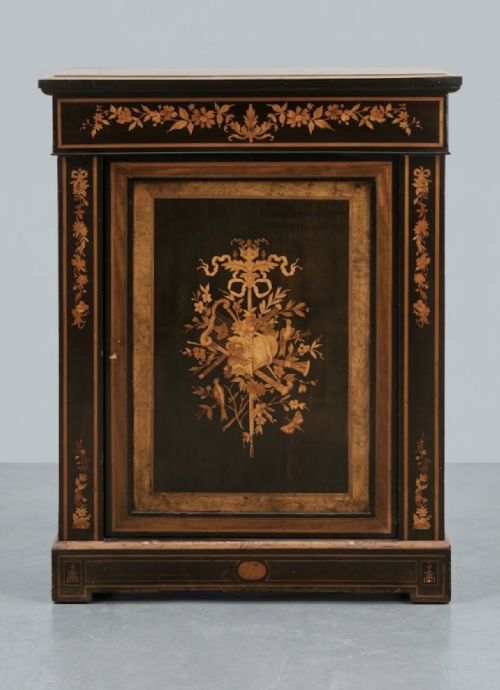
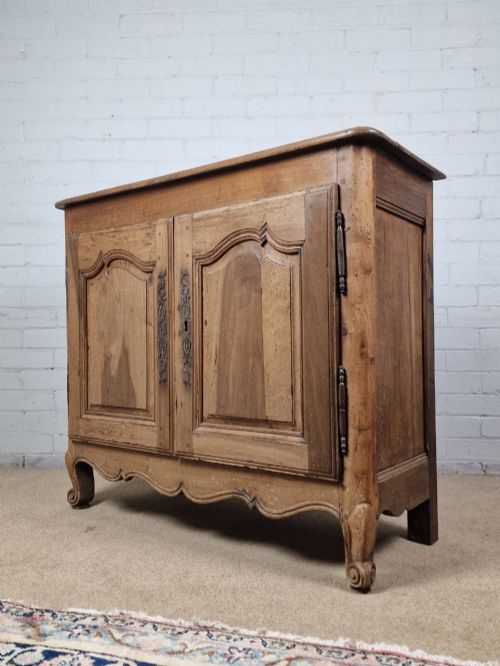
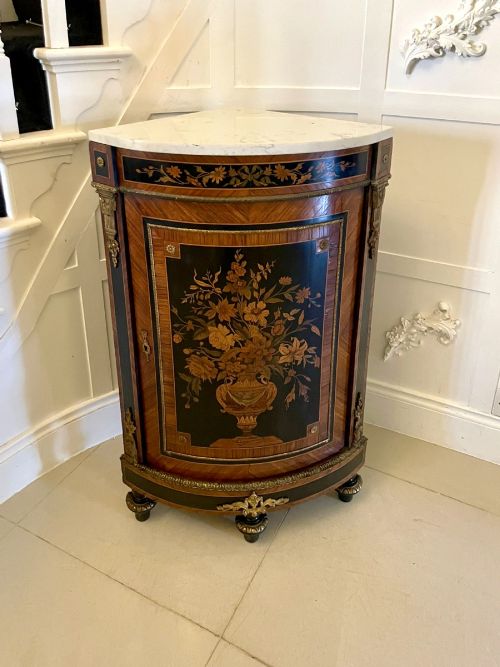
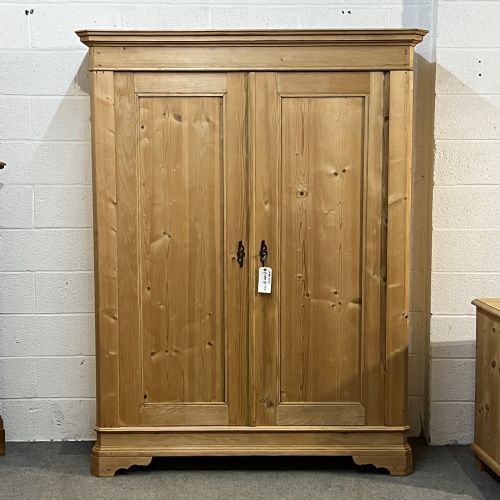
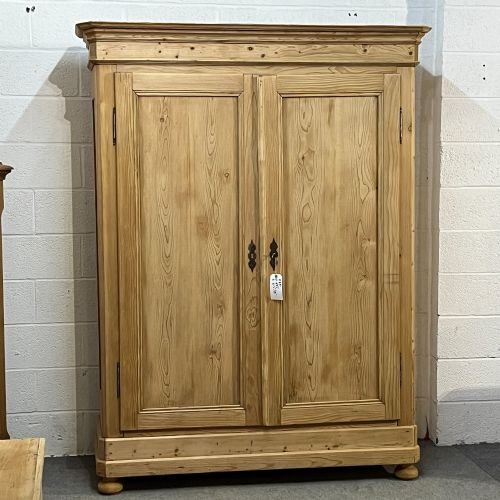
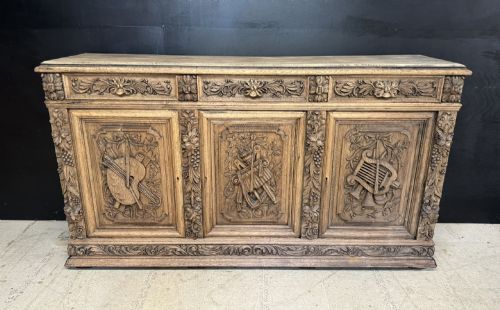
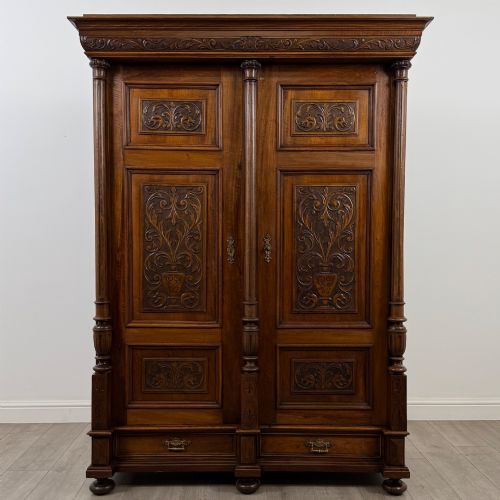
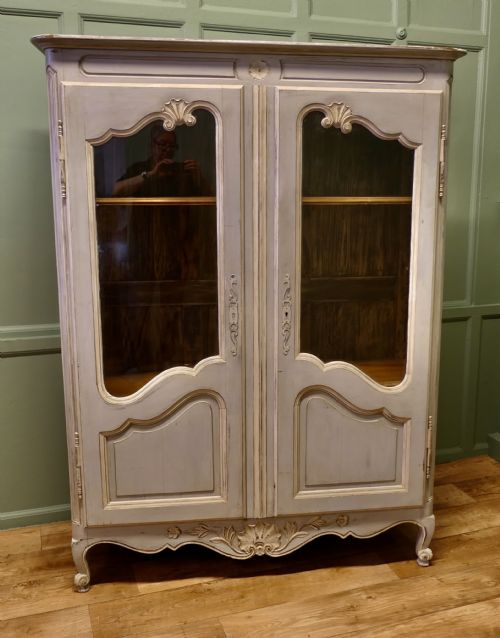
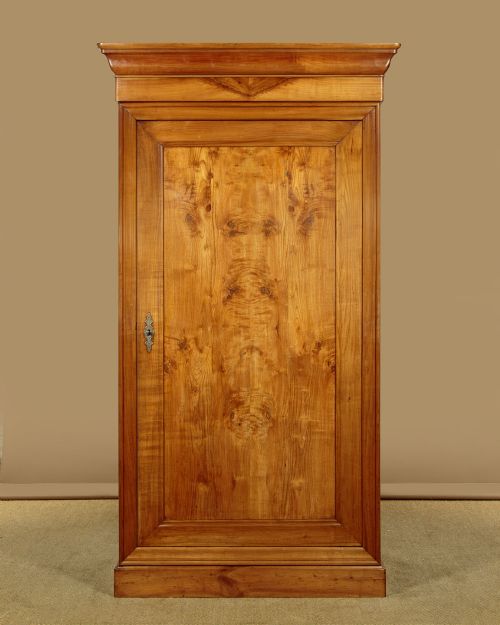
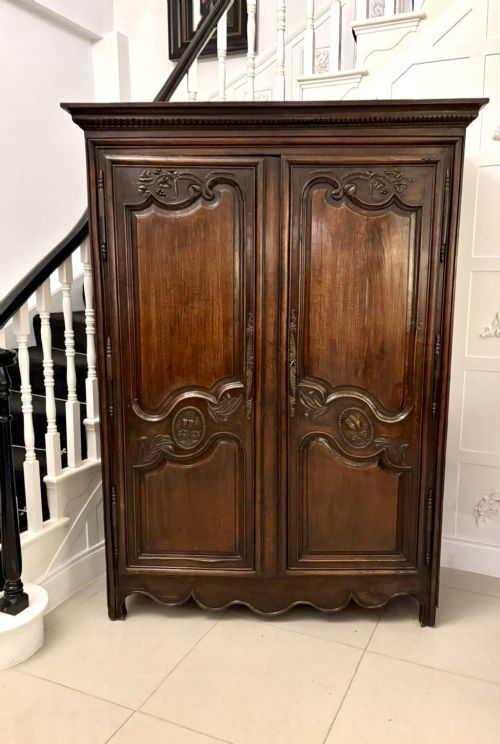
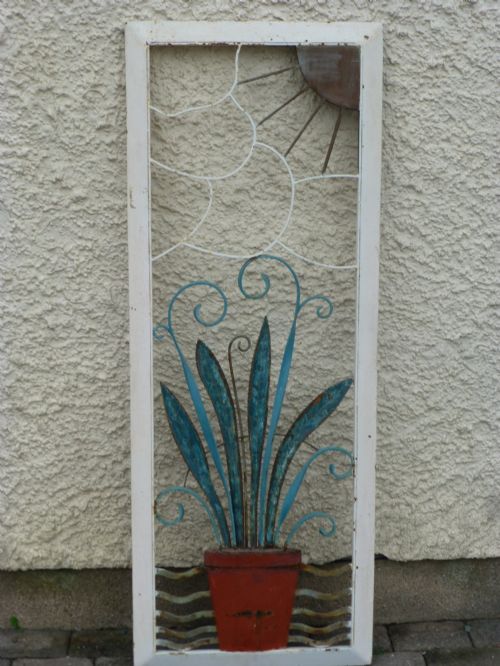
When you search for antique french doors, you encounter architectural salvage such as paired pine panels and painted screens alongside cabinet doors salvaged from armoires. The selection spans the seventeenth century through the early twentieth century, drawing largely from provincial oak, pine, and walnut examples.
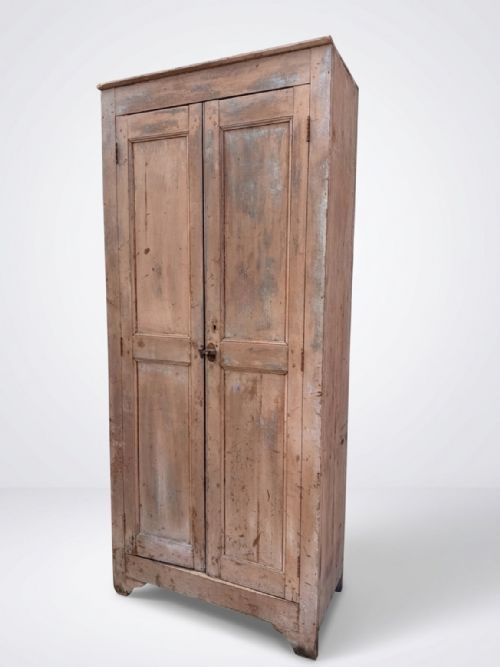
Most entries originate from structural salvage or dismantled cabinetry rather than standard modern joinery, showing the marks of long utility. You find arched top configurations in pine and substantial panelled oak variations designed for interior division or storage access.
How they were made
Makers utilised solid timbers including oak, walnut, pine, and fruitwood, constructing panels with traditional joinery methods suited to heavy daily use. Surfaces often carry original paint finishes, natural wax patination, or clear grain exposure developed over centuries.
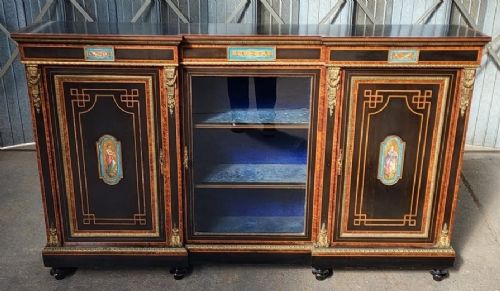
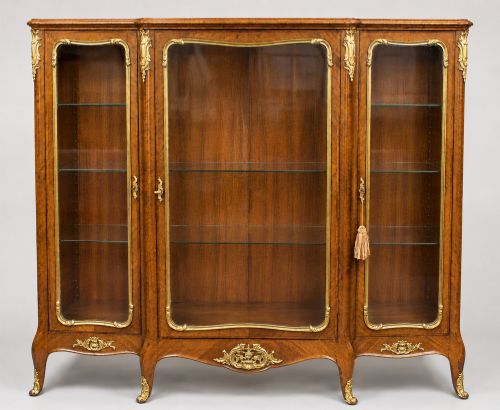
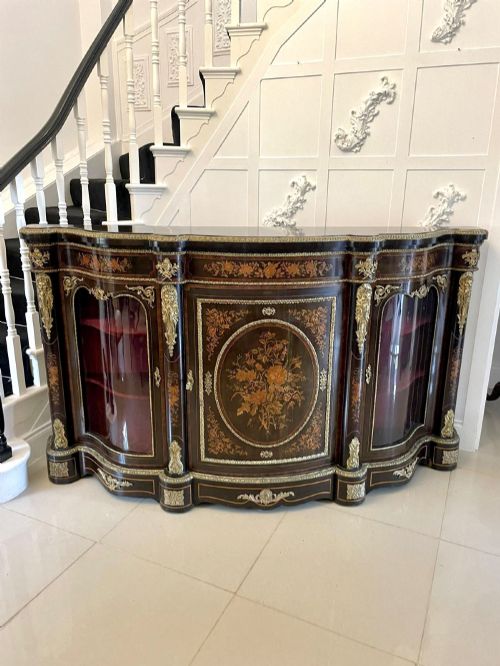
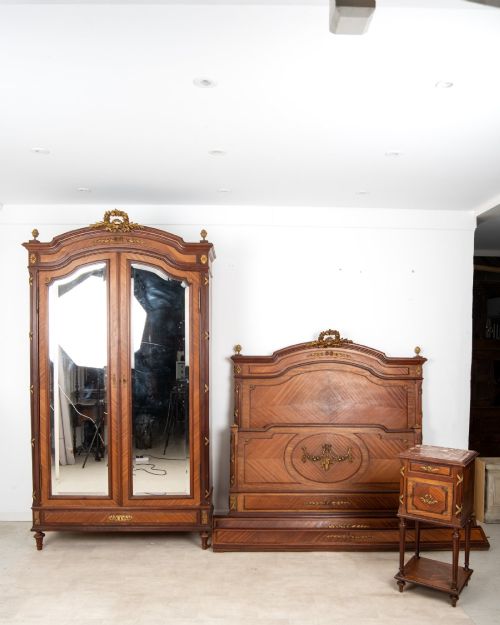
Hardware integrated into these pieces includes brass handles, ormolu mounts, and iron hinges, securing structural integrity while providing decorative contrast to the timber. Glazed sections incorporate clear or patterned glass panes held by slender wooden muntins.
An eighteenth-century pine panel occasionally carries the faint chalk mark of a carpenter measuring twice and cutting once.
What varies in quality
Quality rests upon the selection of timber and the integrity of the original joinery, separating utilitarian salvage from finer architectural elements. Superior examples retain their original hinges, brass mounts, and untouched painted surfaces without modern structural intervention.
Proportion and timber figure dictate the distinction between standard workshop output and exceptional commissions. Deeper carving, balanced panel ratios, and dense hardwoods like walnut elevate specific items above basic pine utility pieces.
Raymond Subes·H. J. Hatfield & Sons·Gillows
The Antique French Doors Glossary
- Architectural salvage
- Building materials recovered from structures slated for demolition or remodelling. These items retain historical timber and hardware suitable for adaptive reuse.
- Ormolu
- Finely chased and gilt bronze applied as decorative mounts on furniture and doors. This technique provides metallic contrast against dark woods.
- Panelled door
- A rigid structure composed of vertical stiles and horizontal rails enclosing thinner central panels. This design accommodates natural wood movement.
- Provincial
- Objects made in regional workshops outside capital cities using local materials and traditional designs. These pieces often exhibit simpler, robust construction.
Antique French Doors: Frequently Asked Questions
How do I hang antique doors?
Hanging heavy timber panels requires robust iron or brass hinges capable of supporting the weight without sagging over time. Careful measurement of the original rebate ensures proper alignment within existing frames.
Professional installation often involves reinforcing the jambs to bear the substantial load of solid oak or pine wood.
Can I use them outside?
Most antique wooden doors and architectural salvage pieces were designed for interior use and lack modern weatherproofing treatments. Exposure to moisture and direct sunlight degrades historical painted surfaces and causes timber to warp.
Sheltered locations or interior placement preserve the original patina and structural stability of the wood.
How do I clean old wood?
Maintenance requires gentle dusting with a dry cloth and occasional application of appropriate wax to nourish dry timber. Avoid harsh chemical cleaners that strip historical finishes and original paint layers.
Preserving the accumulated surface character maintains the authenticity and visual depth of the material.
Are original glass panes common?
Many glazed panels retain early glass featuring minor imperfections, bubbles, and subtle waviness. These characteristics indicate age and manual production methods used before modern industrial manufacturing.
Careful handling during installation protects fragile historical glass from accidental breakage.