
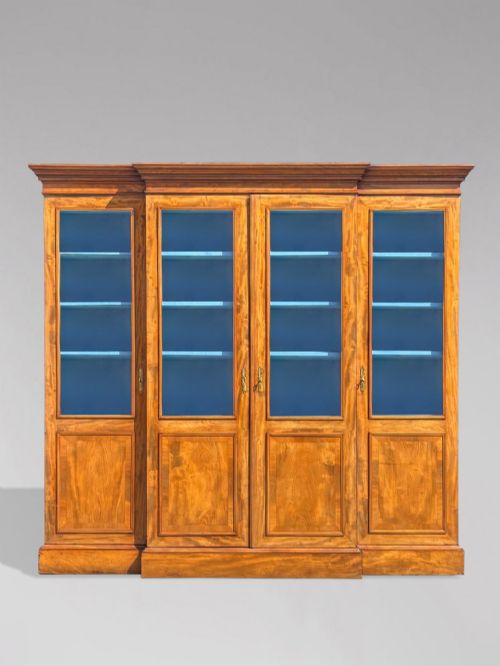
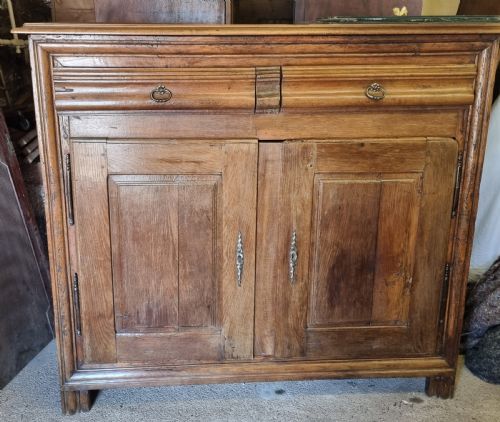
19th Century French Doors
These 19th century french doors bring architectural character and period proportion to a room, offering solid timber construction and original glazing.
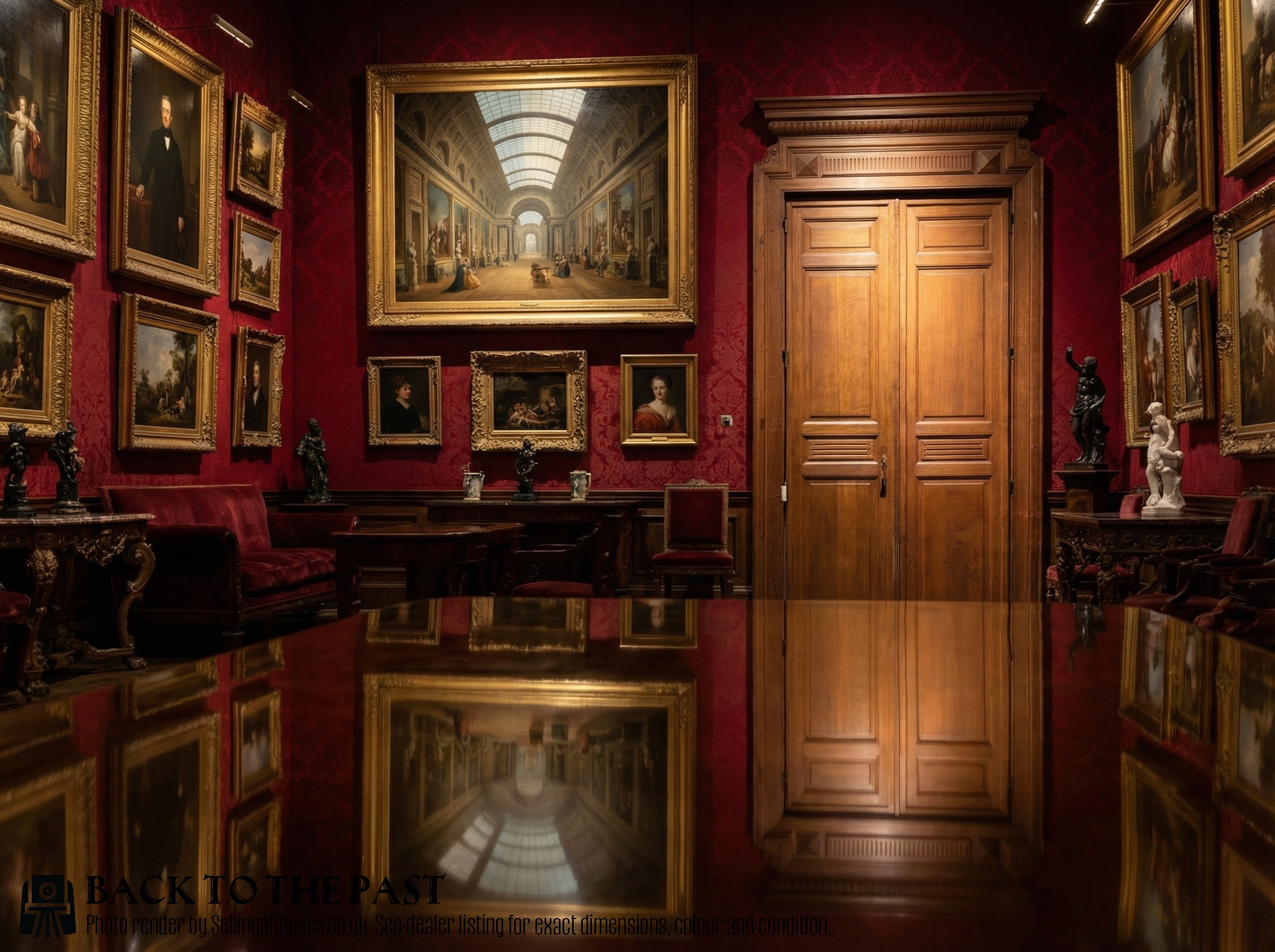
19th Century French Doors
When searching for 19th century french doors, buyers typically encounter architectural timber pairs designed to connect interior rooms or open onto gardens. The archive records genuine examples constructed from oak.
The pieces listed on this page reflect the broader material and stylistic vocabulary of the period, spanning provincial workshops to formal salons.
Materials and construction
The construction relies on traditional joinery techniques utilising dense timbers such as oak, joined to support substantial glazed panels.
Makers integrated glass within sturdy wooden frames, often combining functional iron hardware or brass details to secure the heavy panels.
Listings featuring 19th century french doors demonstrate the use of solid oak and architectural glass panels across European properties.
Distinctions in quality
Quality rests upon the selection of timber, the weight and clarity of the original glass, and the precision of the frame joinery.
Superior examples retain their original hinges and operational integrity, showing balanced proportions and well-seasoned wood that resists warping.
Gillows·Galle
The 19th Century French Doors Glossary
- Glazing bars
- The wooden strips that hold individual panes of glass within a sash or door. These structural dividers define the visual pattern of the window or door.
- Oak
- A durable hardwood commonly utilised in 19th century architectural joinery. Its strength makes it suitable for heavy doors and exterior applications.
- Brass
- A copper and zinc alloy frequently utilised for period hardware, hinges, and lock plates. It develops a natural patina through handling.
- Joinery
- The wooden connections used to assemble architectural elements without relying entirely on metal fasteners. Traditional joints allow timber to move naturally with seasonal humidity changes.
19th Century French Doors: Frequently Asked Questions
How do I clean antique glass?
Clean the glass gently using a soft cloth and a mild, non-ammonia solution to protect the surrounding wood finish.
Avoid applying excess liquid near the wooden rebates where moisture could seep into old putty or joinery.
Can these doors be fitted today?
These doors can be installed into standard architectural openings with appropriate carpentry adjustments by a skilled fitter.
Consider the weight of the timber and glass when selecting structural hinges and support frames for modern walls.
How do I maintain oak timber?
Maintain the wood by applying traditional beeswax periodically to nourish the dry fibres and protect the surface.
Keep the timber away from direct heat sources to prevent the historical wood from splitting or warping over time.
Are original fittings common?
Many examples retain their period hardware, though locks and hinges are occasionally replaced during centuries of use.
Examine the screw heads and patina on the metalwork to determine whether the furniture matches the age of the timber.