

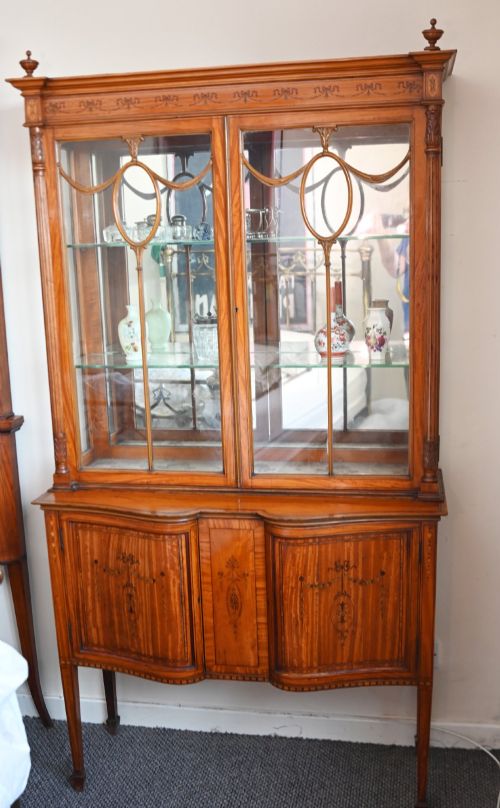
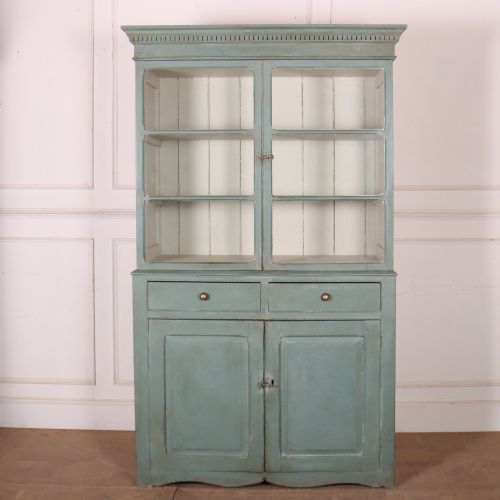
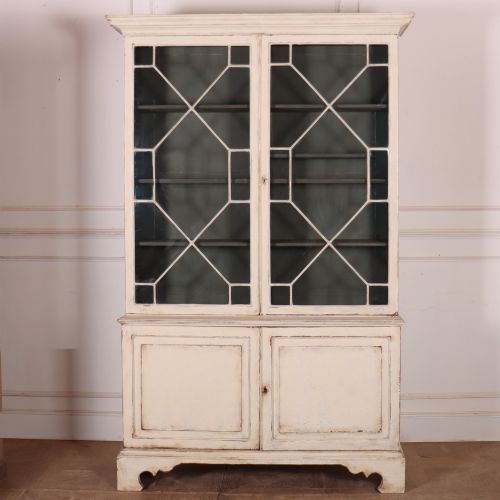
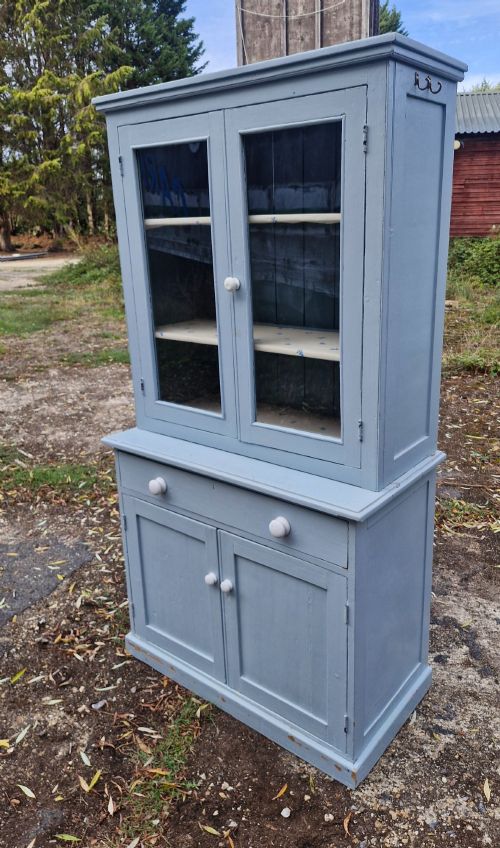
Painted Glazed Doors
Painted glazed doors bring light and architectural character into a room, filtering views through glass panels while framing books or displaying collections.
Painted Glazed Doors
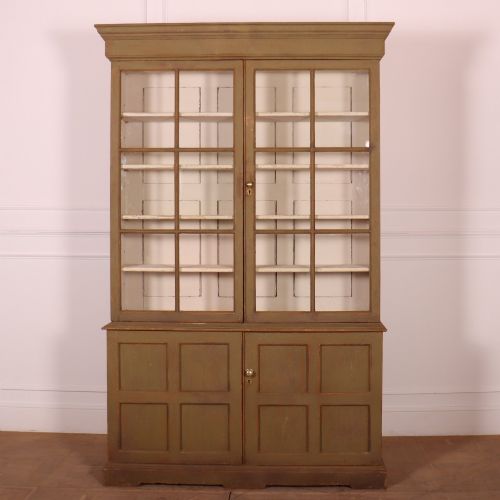
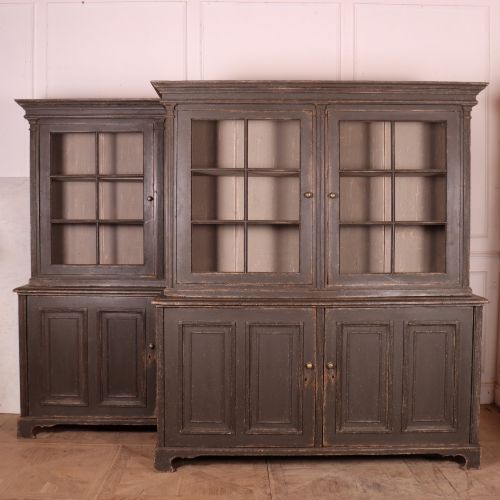
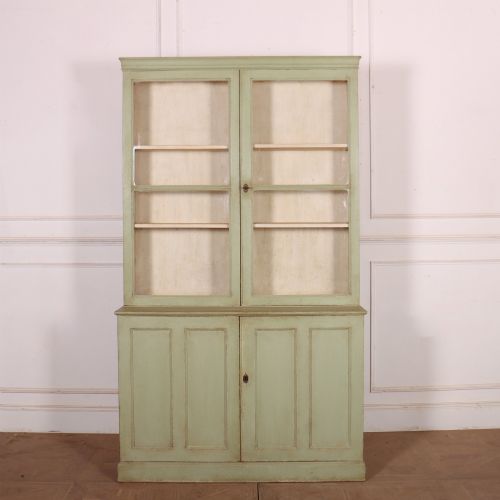
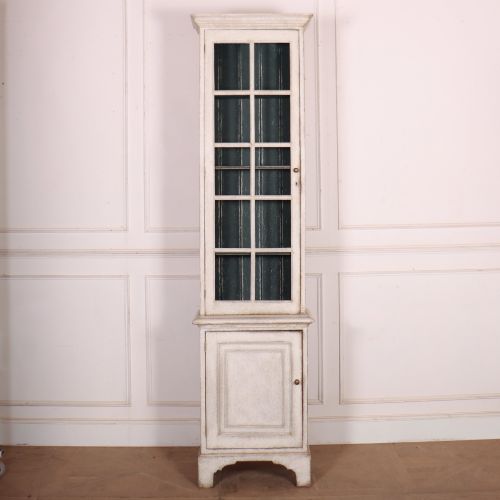
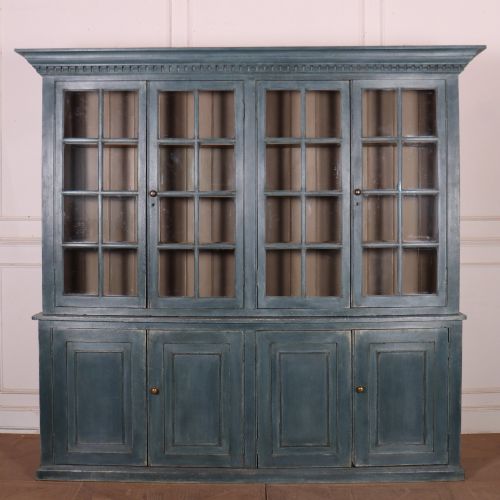
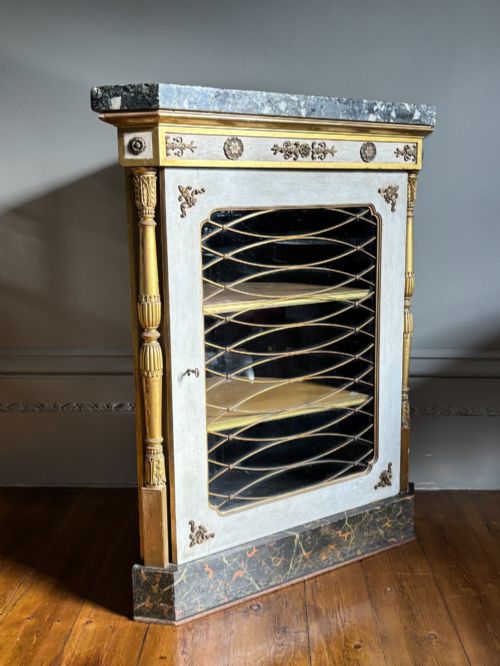
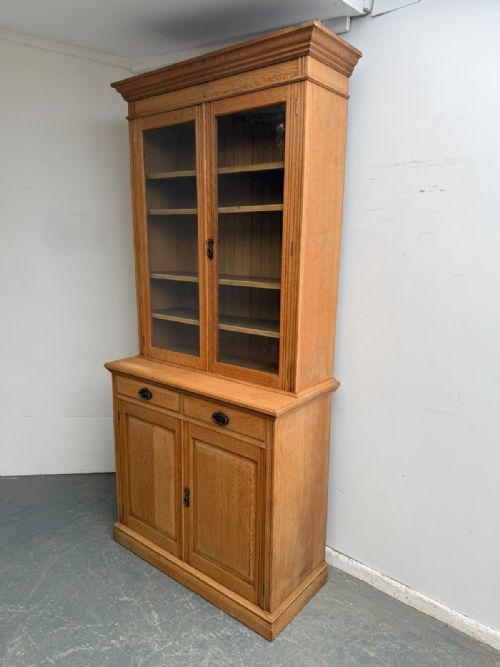
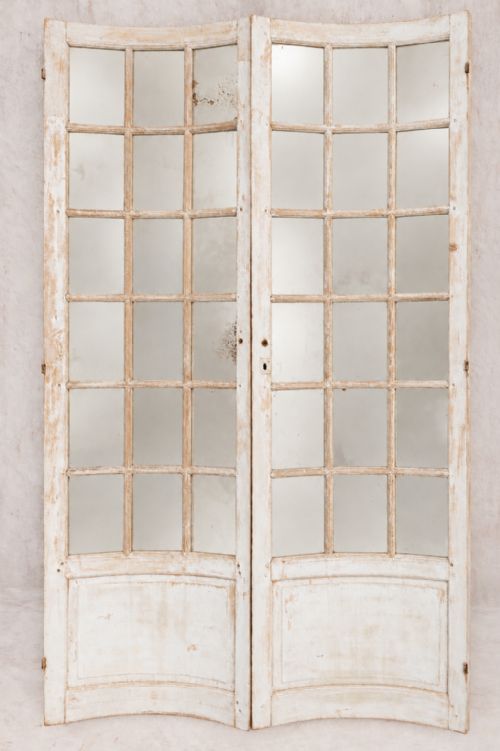
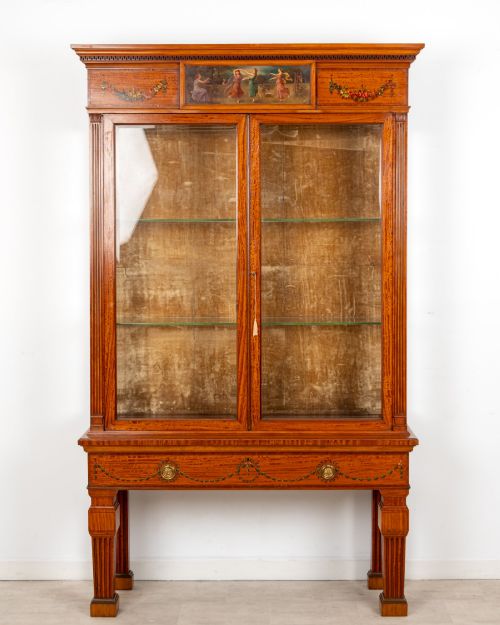
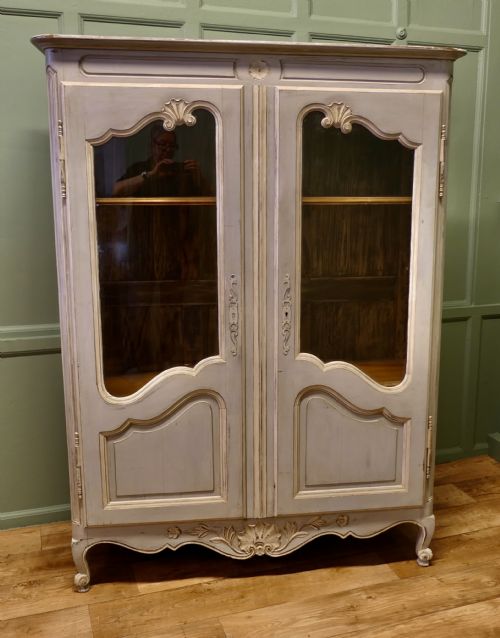
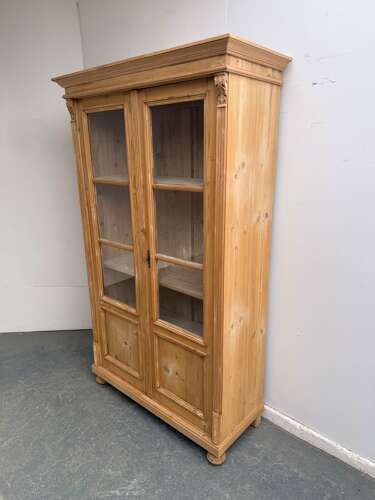
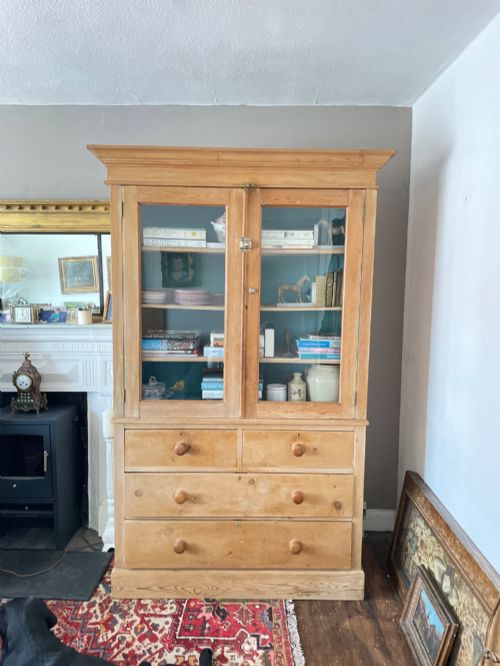
When you search for painted glazed doors, you encounter architectural joinery and fitted furniture panels originating primarily from the nineteenth and early twentieth centuries. These pieces encompass standalone pairs of doors intended for architectural installation alongside complete bookcases, display cabinets, and kitchen dressers fitted with glass-fronted compartments.
The selections span English country houses, French provincial workshops, and Victorian households, utilising painted finishes that range from original layered pigments to later decorative coats. Formats vary from single and double doors to large four-door storage configurations and corner units designed to maximise interior space.
How they were made
Construction relies heavily on timber framing, predominantly pine, satinwood, and general painted wood, joined to support fitted glass panes. Artisans built structural stiles and rails to house the glazing securely while applying paint layers directly onto the timber surfaces.
Hardware such as brass fittings often accompanied the joinery, particularly on display cabinets and double doors from the Edwardian and Victorian eras. Surface treatments combined traditional wood preparation with hand-painted or waxed finishes tailored to regional domestic styles.
Painted Glazed Doors Retail Price Guide 2026
Typical asking prices for painted glazed doors among the pieces listed under this phrase on Sellingantiques today, from the lower quarter to the upper quarter. They describe what is for sale here now, not the wider market.
The listings feature nineteenth-century pine, satinwood, and walnut materials fashioned into French concave doors, Irish library bookcases, and English kitchen dressers.
What varies in quality
Quality rests in the integrity of the timber framing and the preservation of original glazed panels and painted surfaces. Superior examples demonstrate careful joinery in arched tops, concave curves, or breakfront proportions that maintain structural stability over generations.
The sophistication of the painted finish and the retention of authentic hardware, such as brass accents and hand-painted panels, distinguish finer decorative pieces from utilitarian storage cupboards.
Hampton & Sons
The Painted Glazed Doors Glossary
- Glazing
- The glass panes fitted into door frames or cabinet sashes. This allows visibility into enclosed storage spaces while protecting the contents.
- Breakfront
- A cabinet design where the central section projects forward from the flanking outer sections. This creates visual depth and varied planes across the facade.
- Satinwood
- A durable, fine-grained hardwood often utilised in fine cabinetry and Edwardian revival pieces. It provides a smooth surface well-suited for decorative painting and inlay work.
- Compendium
- A multi-functional piece of furniture combining wardrobe, bookcase, and drawer storage. It offers varied compartments within a single unified structure.
Painted Glazed Doors: Frequently Asked Questions
How do I install antique glazed doors?
Installation requires checking the trueness of the door frame and ensuring the weight of the glass is supported evenly by robust hinges.
Because older timbers can warp slightly over time, professional adjustment of the hanging mechanism is often necessary to achieve a clean closure.
Are painted finishes original?
Many pieces feature a mix of original historic paint layers, while others have been painted or waxed during subsequent decades of use.
Examining the underlying timber and the way paint adheres to the mouldings helps determine the age of the surface finish.
Can I use these doors outdoors?
These doors are built for interior architectural use or domestic furniture cabinetry rather than external weather exposure.
Subjecting historic pine and fitted glass to outdoor elements compromises both the timber integrity and the painted finishes.
How do I care for painted glass cabinets?
Dust the timber gently with a dry cloth and clean the glass panes with a mild solution that avoids harsh chemicals near painted edges.
Keeping the furniture away from direct heat sources prevents the timber from drying out and protects the painted surface from cracking.