
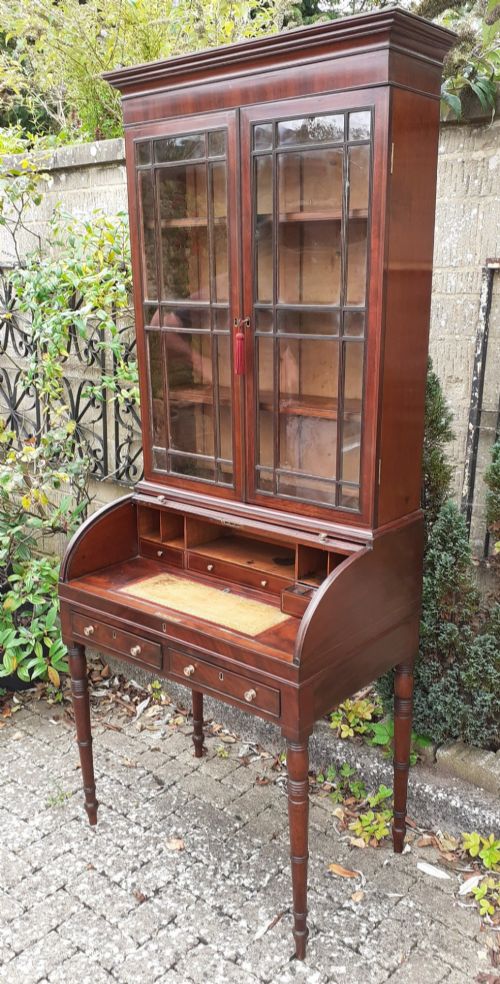
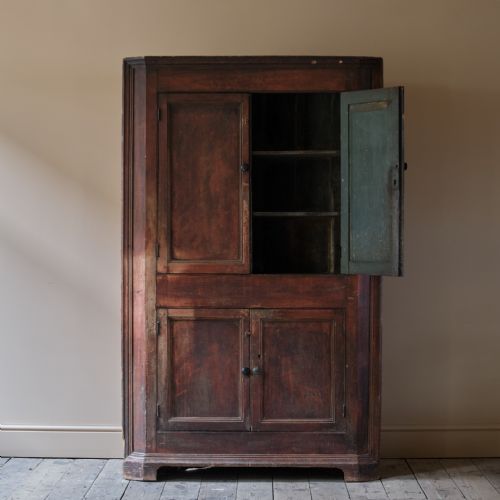
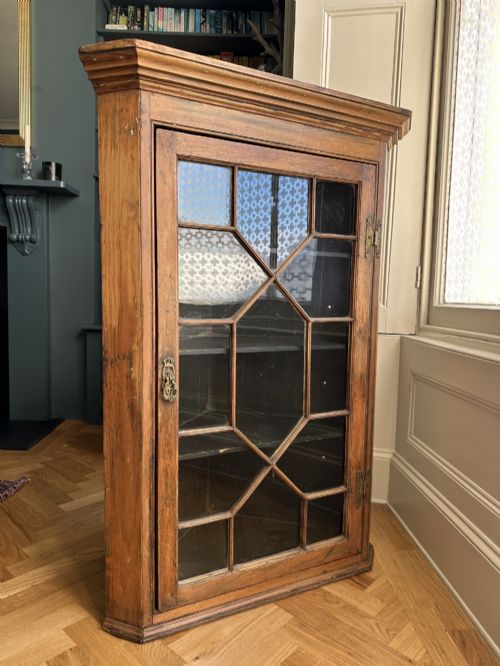
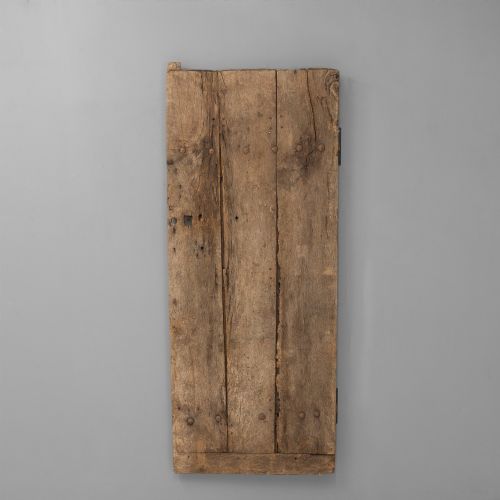
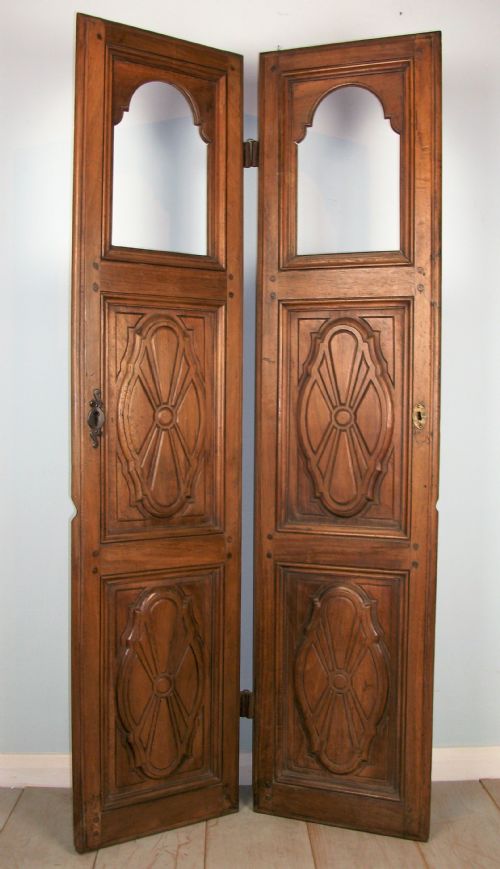


Antique Interior Doors
Antique interior doors bring architectural presence to a room, offering sturdy pine, rich walnut, and panelled configurations from the eighteenth and nineteenth centuries.
Antique Interior Doors
When you search for antique interior doors, you encounter solid timber constructions spanning several distinct historical periods. The selection includes eighteenth-century Italian panelled examples alongside nineteenth-century Victorian designs and French chateau pieces.
Most entries comprise sturdy wooden panels or glazed formats, occasionally accompanied by brass hardware or fitted locks. These items serve to divide spaces while maintaining period character in period properties.
How they were made
Makers utilised dense timbers such as pine, walnut, and mahogany, often joining panels by hand to ensure structural integrity over centuries of use. Surfaces were treated with paint, wax, or left in their natural state depending on the prevailing fashion of the era.
Hardware elements like brass knobs and steel locks were forged or cast to secure the panels firmly within their frames. Glazing was incorporated into specific designs to permit light passage between rooms.
Some doors retain their brass locks and keys, whispering tales of long-locked rooms and forgotten butler's pantries.
What varies in quality
The standard of a piece rests on the selection of timber and the precision of the joinery. Superior examples display tight grain patterns in hardwoods or well-seasoned pine that resists warping.
Finish application also defines excellence, with original paint surfaces or carefully waxed timber showing superior ageing compared to later interventions. The retention of original brass or iron hardware elevates the overall standard.
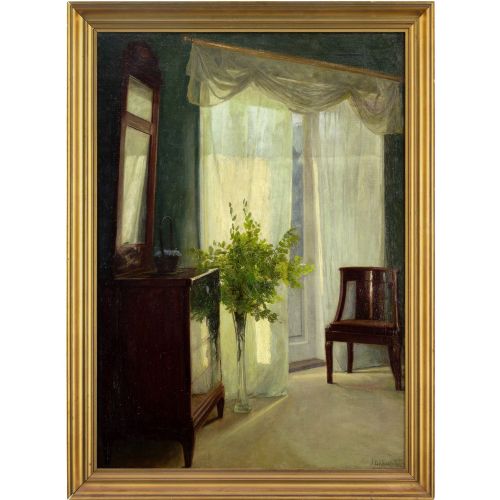
John Lübschitz
The Antique Interior Doors Glossary
- Panelled
- A construction method where central wooden sections float within a surrounding wooden frame to accommodate natural wood movement. This technique prevents the timber from splitting as humidity changes.
- Glazed
- Fitted with glass panes to allow light transmission between adjoining spaces. This treatment appears frequently in period examples designed for libraries or hallways.
- Waxed
- Treated with natural wax to protect the timber surface while retaining a soft sheen. This finish highlights the natural grain of pine or mahogany.
- Chateau
- A style originating from large French country houses, typically denoting substantial proportions and robust timber construction. These items often appear in sets across the inventory.
Antique Interior Doors: Frequently Asked Questions
Can I hang old doors in modern frames?
Hanging period timber requires careful measurement of the aperture, as older dimensions rarely match contemporary standard sizing. Carpenters frequently need to plane edges or adjust rebates to achieve a correct fit.
Hardware placement also demands attention since antique locks and hinges operate differently from modern equivalents. Careful alignment ensures the timber swings freely without binding against the frame.
How do I care for stripped pine?
Unpainted pine surfaces benefit from regular applications of beeswax to nourish the dry wood and maintain a protective barrier against moisture. Avoid harsh chemical cleaners that strip the natural oils from the grain.
Dusting with a soft cloth prevents grime buildup in the recessed areas of the panels. Maintaining stable room humidity prevents the timber from cracking over time.
Are painted finishes original?
Determining original paint involves inspecting underlying layers for signs of age, wear patterns, and authentic preparation methods. Many pieces received multiple coats across different decades to match changing interior fashions.
Expert examination reveals whether the current surface dates to the manufacture period or represents a later decorative layer. Both original schemes and historic patinated paint hold distinct appeal for collectors.
What woods were used?
Makers relied on native and imported timbers, with pine serving as a common base for utilitarian or painted items. Hardwoods like mahogany and walnut were selected for finer architectural contexts.
The choice of material typically reflects the status of the building and the date of manufacture. Grain density and weight help identify the specific timber species used.