
Antique Double Doors
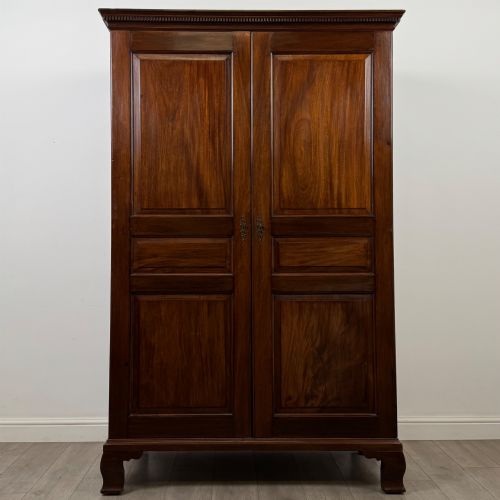
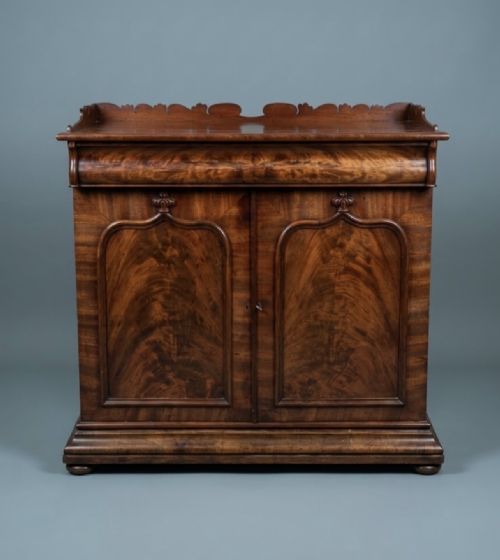
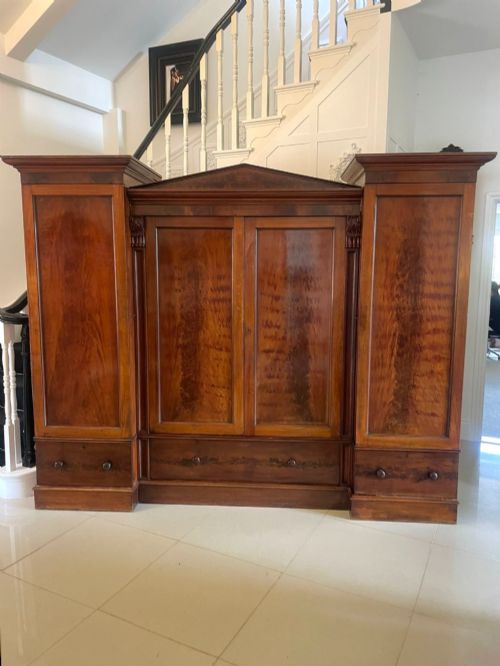
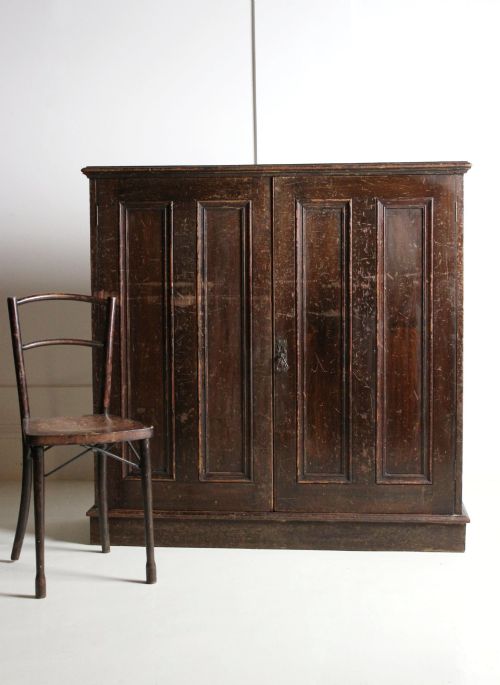
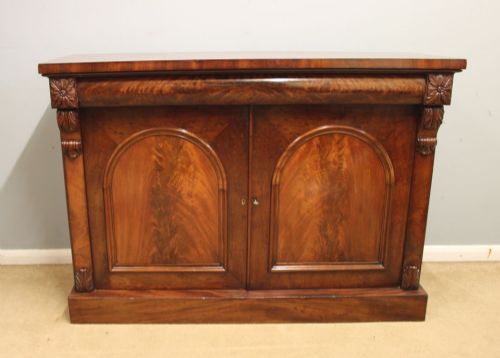
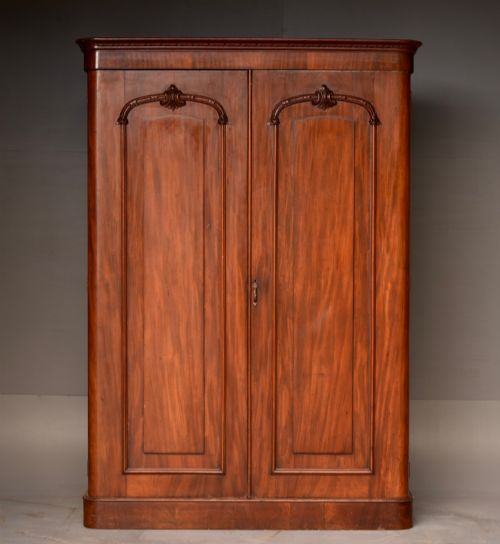
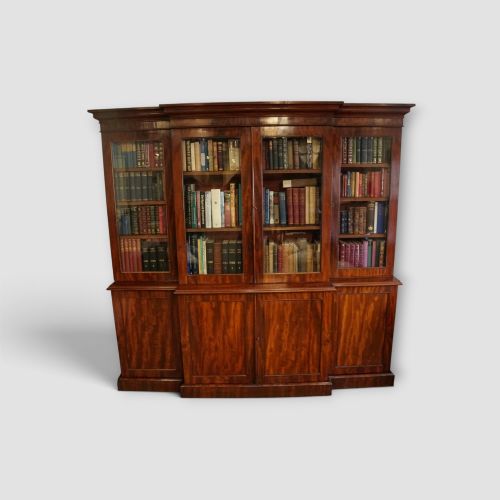
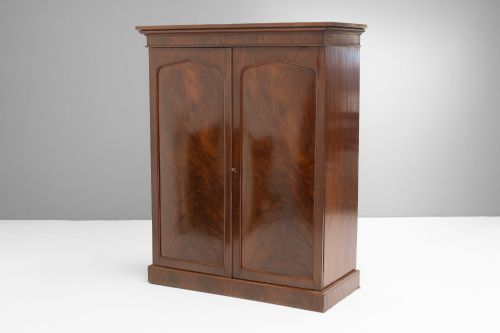
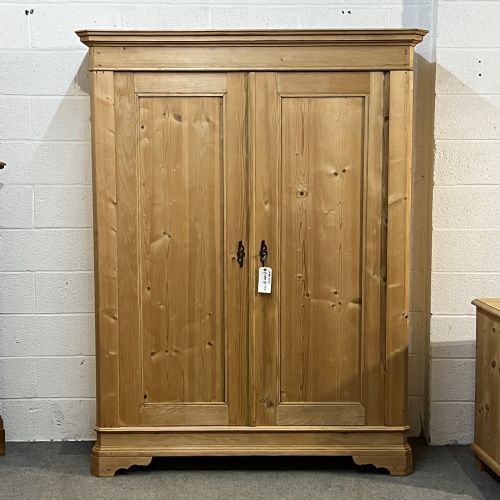
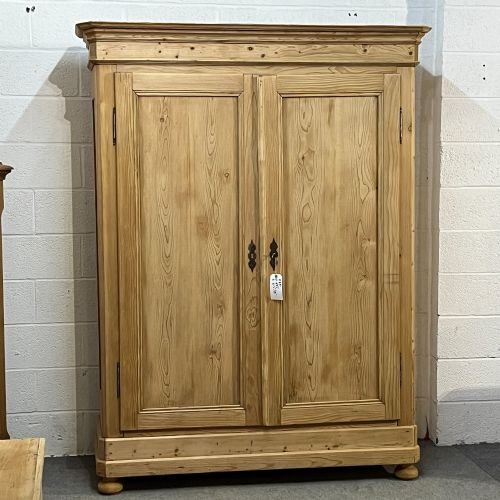
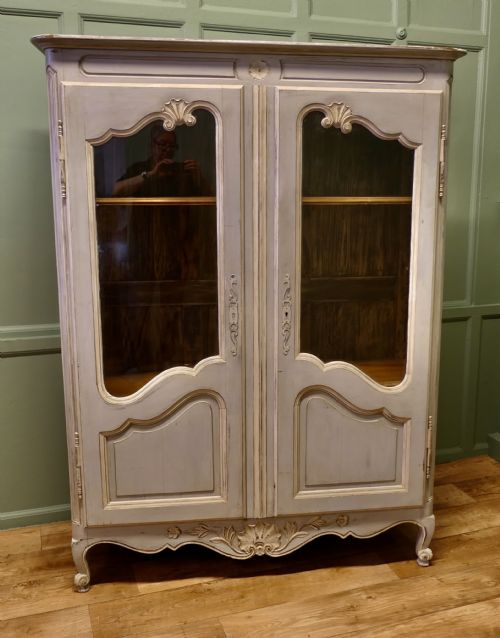
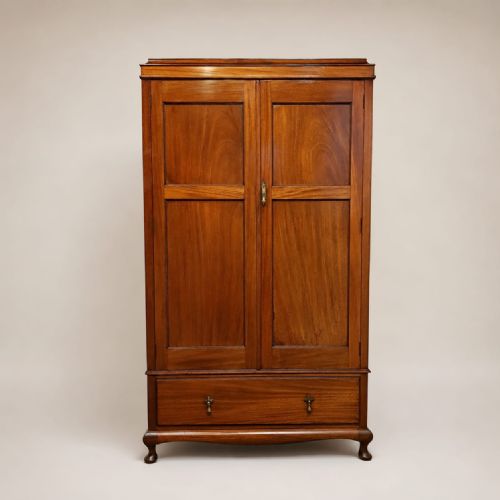
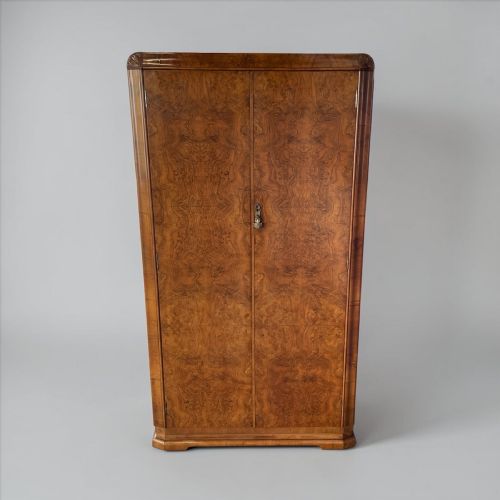
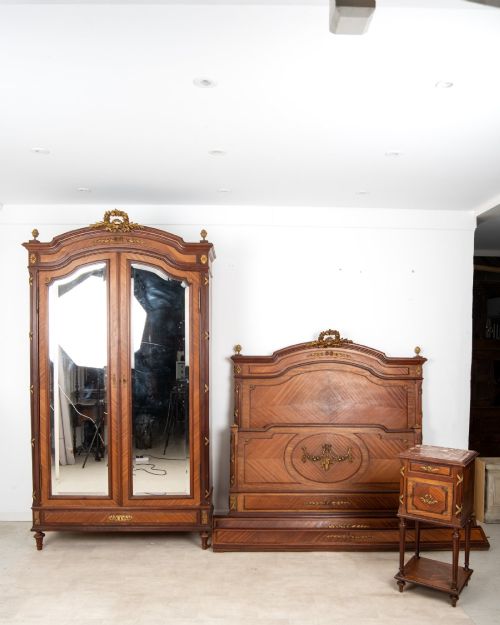
Antique double doors appear on this page as grand folding timber panels salvaged from large cupboards, linen presses and wardrobes spanning Georgian to Art Deco periods.
Antique Double Doors
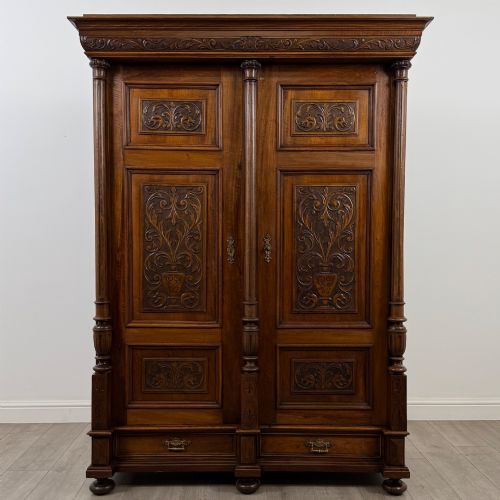
Antique double doors belong primarily to large case furniture such as wardrobes, armoires, linen presses and cupboards. When searching for antique double doors, buyers encounter timber panels originating from British and French workshops dating from the eighteenth century through to the early twentieth century.
How they were made
Cabinet makers constructed these panels using dense hardwoods like mahogany, walnut and oak, alongside softer timbers such as pine. Joinery techniques relied on traditional mortise and tenon construction to ensure stability across wide spans of timber.
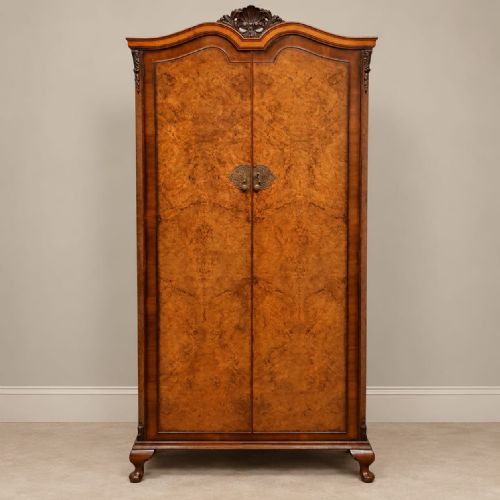
Surface finishes include figured mahogany veneers, burr walnut graining, and applied painted schemes such as scumble faux oak and Chinoiserie decoration. Brass hardware and original glass panels frequently accompany the timber frames.
Listings feature pine, mahogany, oak, walnut and brass across Victorian, Georgian and Art Deco periods.
What varies in quality
The caliber of timber selection dictates the visual depth of the panel, with figured mahogany and burr walnut representing the upper tier of cabinetry. Finer examples display meticulous grain matching and sophisticated inlay work rather than plain painted surfaces.
Structural integrity depends on the original timber thickness and the preservation of joints. Superior items retain their original brass fittings, working locks and keys without extensive rebuilding.
Harris Lebus
The Antique Double Doors Glossary
- Compactum
- A large fitted wardrobe or combination wardrobe designed with internal sliding trays, drawers and hanging space. This form became popular during the Victorian period for efficient clothes storage.
- Linen Press
- A tall piece of case furniture featuring upper double doors enclosing sliding shelves for linens, positioned above a base of wider drawers. Georgian and nineteenth-century examples frequently utilise mahogany or oak.
- Scumble
- A decorative painting technique where a translucent glaze is manipulated over a lighter base colour to imitate the grain of more expensive woods like oak. It appears on nineteenth-century utility pieces.
- Veneer
- A thin layer of highly figured wood, such as flame mahogany or burr walnut, applied over a secondary timber base to create decorative surface patterns. This technique maximises scarce, visually striking timber.
- Chinoiserie
- European decorative style inspired by Chinese art, featuring painted or lacquered motifs on furniture surfaces. It surfaces on early twentieth-century wardrobe panels.
Antique Double Doors: Frequently Asked Questions
What periods do these double doors cover?
The available selection spans from the eighteenth century through Georgian and Victorian eras up to Art Deco designs of the 1930s. Materials and construction methods shift across these decades from solid native oaks to veneered exotic hardwoods.
Earlier pieces typically display Georgian proportions in mahogany or oak, while later Victorian and Edwardian examples introduce pine carcasses and mirrored or glazed panel configurations.
How were these double doors originally used?
These panels functioned as the primary access points for large storage furniture including wardrobes, linen presses, housekeepers cupboards and display cabinets. They protected stored garments and household linens while presenting a polished facade to the bedroom or parlour.
In modern settings, buyers often repurpose these architectural timber panels for wall decoration, room dividers or custom cabinetry projects in period properties.
Are the brass fittings and locks original?
Many listings note the presence of original hardware, including brass escutcheons, hinges and working locks with keys. Surviving operational hardware adds significant authenticity to period case furniture.
Replacements do occur during centuries of maintenance, so inspecting the fixing screws and timber indentation around handles helps determine whether the hardware has been updated.
How do I distinguish pine country pieces from mahogany formal furniture?
Pine examples often originate from French or British country houses, sometimes bearing painted finishes, scumble glaze, or surfaces intended for waxing. They offer a lighter, rustic aesthetic suited to relaxed interiors.
Mahogany, walnut and rosewood items belong to formal Georgian and Victorian cabinet-making traditions, showcasing dark polished grains, fine veneers and structured architectural mouldings.