

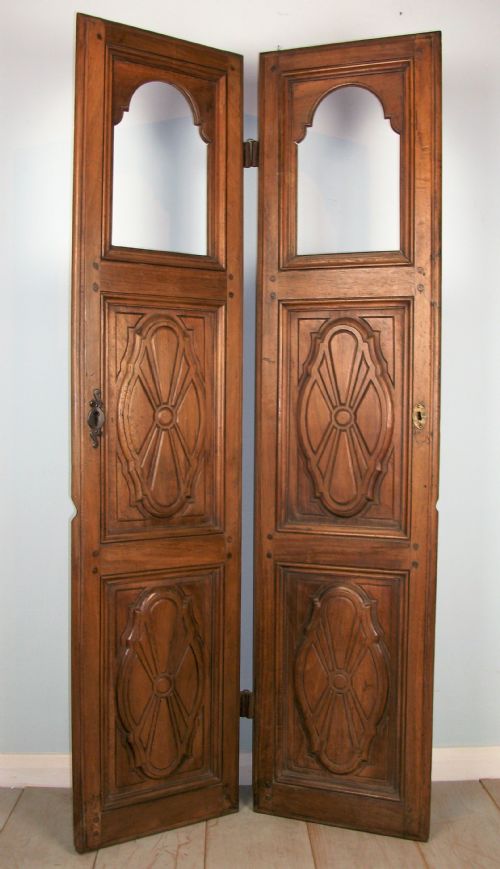


Italian Carved Doors
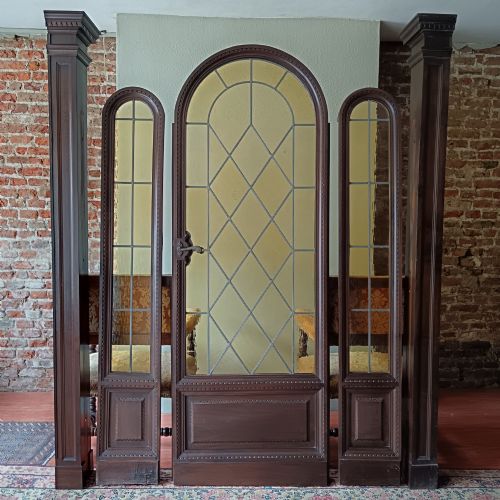
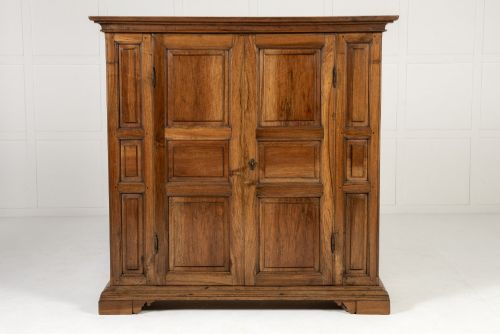
Italian carved doors bring solid walnut and architectural presence into a room, offering substantial joinery and historical character.
Italian Carved Doors
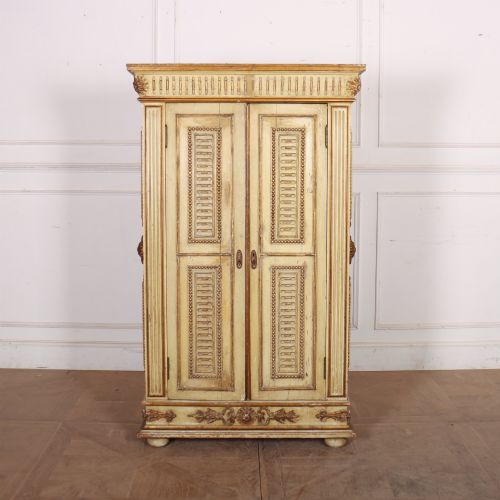
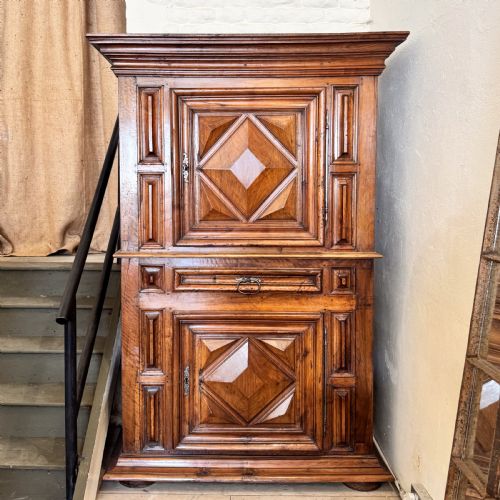
Italian carved doors and related architectural elements encompass antique panels, cupboards, and door frames that showcase traditional European joinery. Buyers searching for Italian carved doors encounter structural woodwork designed for grand interiors, often repurposed into freestanding cabinets or retained as architectural salvage.
The selections span multiple centuries, ranging from seventeenth-century Baroque panels to eighteenth-century walnut sideboards and nineteenth-century Revival pieces. Most examples rely heavily on dense hardwoods, presenting panelled construction and arched profiles suited to prominent wall placement.
How they were made
Carpenters constructed these pieces primarily using solid walnut, shaping heavy timbers into arched frames, panelled doors, and structural cabinets. Joinery relied on traditional pegging and mortise and tenon techniques to support the sheer weight of the dense timber.
Surface enrichment involved detailed hand-carving directly into the wood, occasionally supplemented with gold leaf, gesso, paint, or lead details. Iron hardware such as hinges and straps provided necessary structural reinforcement for heavy swing panels and tall cupboards.
Italian Carved Doors Retail Price Guide 2026
Typical asking prices for italian carved doors among the pieces listed under this phrase on Sellingantiques today, from the lower quarter to the upper quarter. They describe what is for sale here now, not the wider market.
Keep an eye out for winged cherub putti hiding within the deep carvings of seventeenth-century panels.
What varies in quality
Depth and crispness of the hand-carving separate standard utility joinery from exceptional artistic work, particularly visible on Baroque panels and figurative motifs like cherub putti. The finesse of the chisel work dictates how well architectural details hold the light across a surface.
The selection and figure of the walnut timber itself define the upper tier of these pieces, alongside the integrity of original structural frames. Coarser secondary woods or heavy later alterations diminish the historical coherence of an antique doorway or cupboard.
The Italian Carved Doors Glossary
- Architectural salvage
- Building elements rescued from older structures for reuse in modern interiors. This includes reclaimed vestibule doorways and fitted wall panels.
- Baroque
- An elaborate artistic style originating in Italy during the seventeenth century. It is characterised by dynamic movement and dramatic sculptural carving.
- Gesso
- A plaster-like mixture applied to wood surfaces as a base for gilding or paint. It provides a smooth ground for decorative finishing.
- Pedestal cupboard
- A compact freestanding storage unit raised on a distinct base or plinth. Tuscan examples often feature dense walnut construction.
Italian Carved Doors: Frequently Asked Questions
How do I install an antique doorway?
Fitting an antique vestibule doorway typically requires a specialist joiner who can integrate heavy reclaimed frames into modern wall openings without compromising the surrounding structure.
Because these architectural pieces were built to exact historical dimensions, minor adjustments to the surrounding rebate or threshold are often necessary to ensure a plumb fit.
Can these cabinets be used daily?
Walnut cupboards and sideboards function well for everyday storage when placed in stable indoor environments away from excessive direct heat.
Their solid wood construction and robust iron hardware handle regular opening and closing, provided the antique hinges remain properly aligned.
How do I date an Italian panel?
Dating relies on examining the tool marks left by hand planes, the composition of the timber, and stylistic cues such as seventeenth-century Baroque motifs.
Comparing the joinery style, such as pegged joints versus machine-cut fixings, helps distinguish eighteenth-century production from later nineteenth-century revivals.
How do I maintain walnut wood?
Maintaining walnut surfaces involves regular dusting with a soft dry cloth and occasional application of traditional wax to nourish the grain.
Avoiding direct sunlight and maintaining steady room humidity prevents the dense hardwood from drying out or splitting over time.