
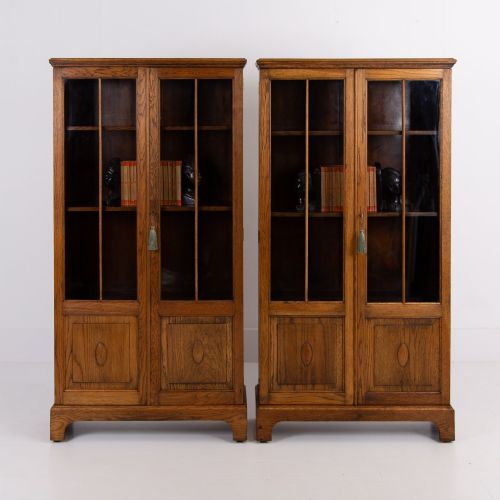
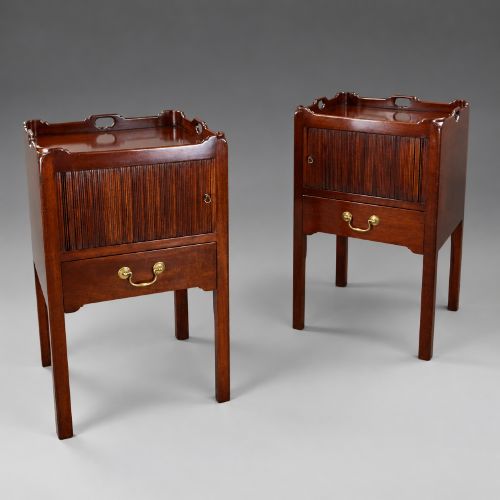
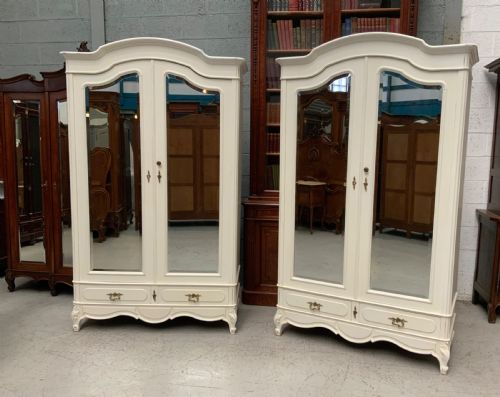
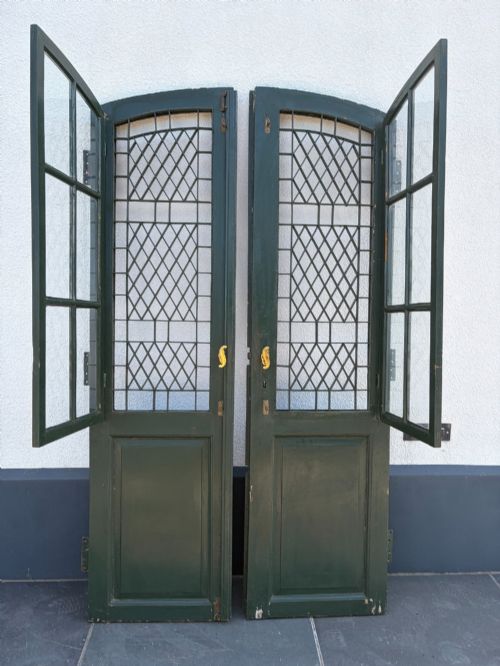
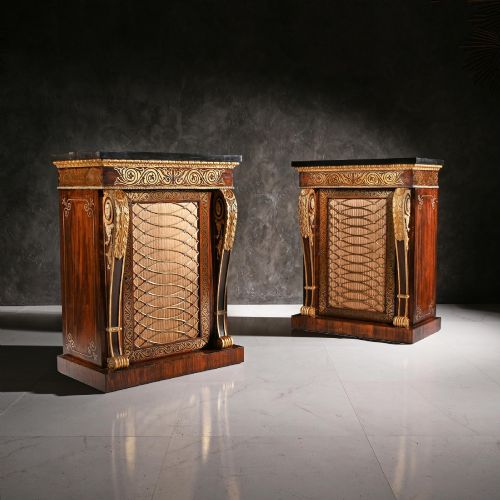
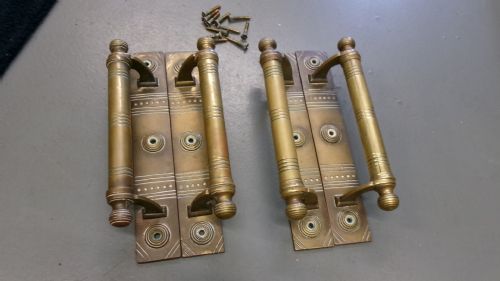
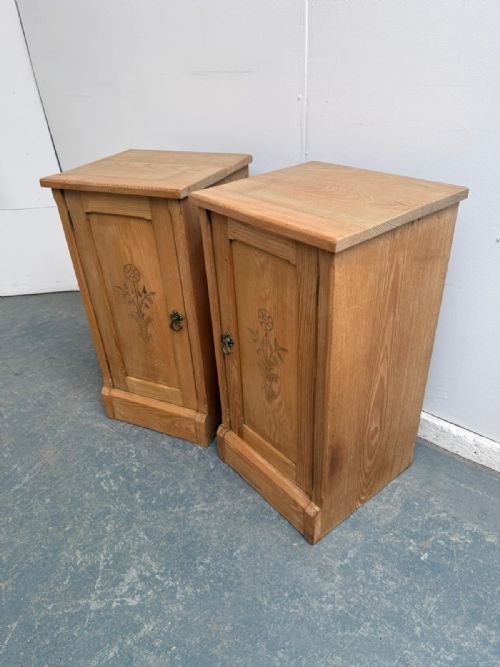
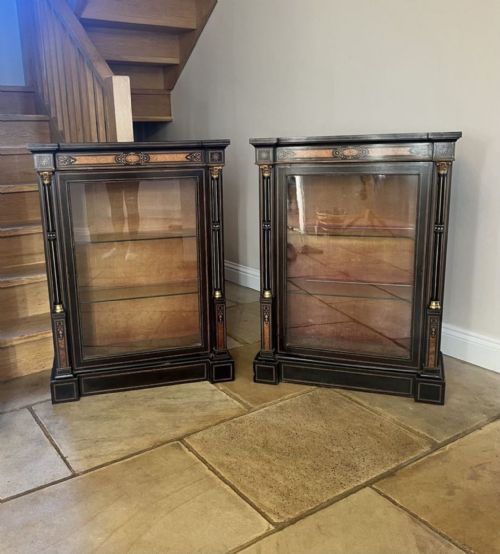




Pair of Doors
When you search for a pair of antique doors, you seek architectural salvage that anchors a room with genuine history and substantial proportion.
Pair of Doors
A pair of antique doors brings architectural presence to an interior, functioning as grand room dividers, closet closures, or statement entryways. These portals carry the weight of past centuries, often salvaged from institutional buildings, country houses, and period townhouses.
The versions most commonly met on this page span the 18th and 19th centuries, drawing heavily from Victorian and Georgian vernaculars alongside continental French influences. Architectural timber work dominates the selection, appearing in substantial pine, oak, and walnut configurations.
Beyond full-sized entrances, the selection includes specialised iterations such as overdoors, arched panels, and cupboard doors. Each set reflects the architectural standards of its original construction, showing the proportions demanded by period domestic and public spaces.
Materials and construction methods
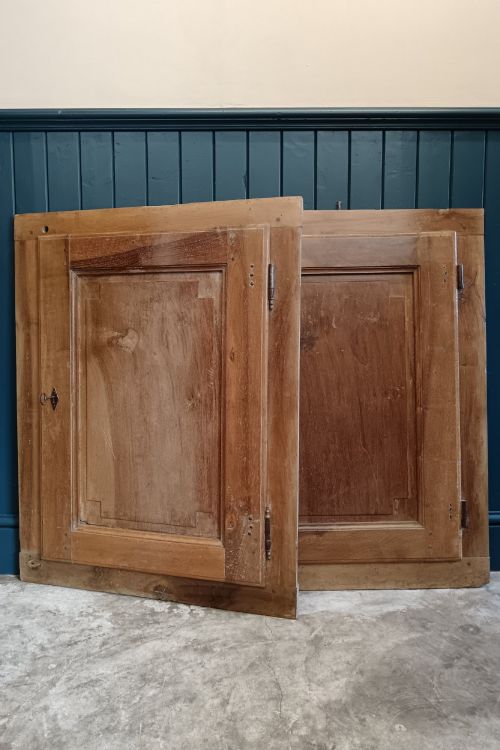
Construction relies primarily on heavy domestic and imported timbers, with oak, pine, and walnut forming the structural framework of the panels. Carpenters utilised traditional joinery techniques such as mortise and tenon joints to ensure the heavy leaves maintained structural integrity over decades of swing.
Surface treatments vary from original paint layers and waxed finishes to stripped natural timber showing the grain of the wood. Iron hinges, brass hardware, and leaded glass inserts frequently accompany these assemblies, marking the functional integration of metalwork with heavy woodwork.
Some salvaged panels carry the hidden pencil marks of Victorian carpenters who measured twice and cut once.
Distinctions in quality and execution
Quality in these architectural elements rests on the integrity of the timber and the depth of the joinery rather than surface ornamentation alone. Superior examples retain their original hanging hardware, balanced proportions, and untouched surface patination accrued through decades of use.
Lighter decorative variations contrast with monumental architectural specimens salvaged from ecclesiastical or grand domestic settings. The presence of original paint, hand-carved detailing, and structurally sound framing separate standard utilitarian salvage from exceptional architectural pieces.
Louis Constantin Le Gaigneur·Robert Strahan·William Tonks and Sons
The Pair of Doors Glossary
- Architectural salvage
- Building components rescued from structures slated for demolition to be repurposed in new interiors. This practice preserves historical materials that would otherwise be lost.
- Overdoor
- A decorative panel or small door positioned directly above a primary door frame. These architectural elements were common in high-status Georgian and Victorian interiors.
- Mortise and tenon
- A traditional woodworking joint where a projecting tongue fits snugly into a corresponding cavity. This method provides immense structural strength without relying on modern metal fasteners.
- Panelled door
- A construction method utilising a rigid frame surrounding one or more thinner inserted panels. This design allows the wood to expand and contract naturally with seasonal humidity changes.
- Patina
- The surface sheen and coloration developed through age, handling, and environmental exposure. Collectors value this visual record of an object's history.
Pair of Doors: Frequently Asked Questions
How do I measure for antique doors?
Measure the structural opening rather than the old doors themselves, accounting for any clearance needed for flooring transitions and hardware operation.
Take measurements at multiple points along the height and width, because historical buildings rarely feature perfectly square openings.
Can antique doors be resized?
Minor trimming is possible on solid wood panels, but excessive cutting compromises the structural joinery and proportions of the piece.
Consult a skilled carpenter before altering historical timber to ensure the frame remains stable and balanced.
How should I clean old wood?
Dust surfaces regularly with a dry cloth and apply a quality beeswax periodically to nourish dry historical timber.
Avoid harsh chemical cleaners that strip the accumulated patina and damage delicate original surface finishes.
Were these painted originally?
Many historical architectural elements received multiple layers of lead paint or decorative finishes to protect the wood and match interior schemes.
Original paint layers provide valuable historical evidence, often retained by collectors who prize the weathered surface texture.