



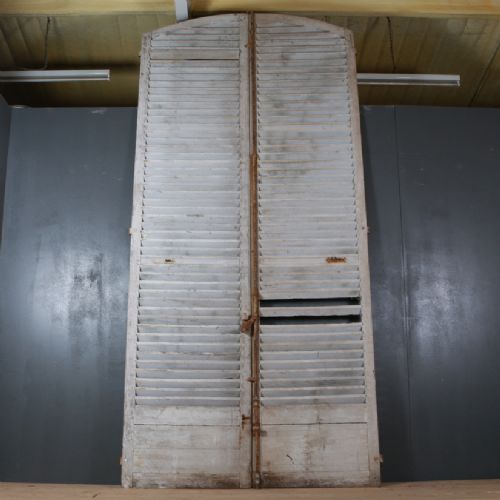


Distressed White Doors
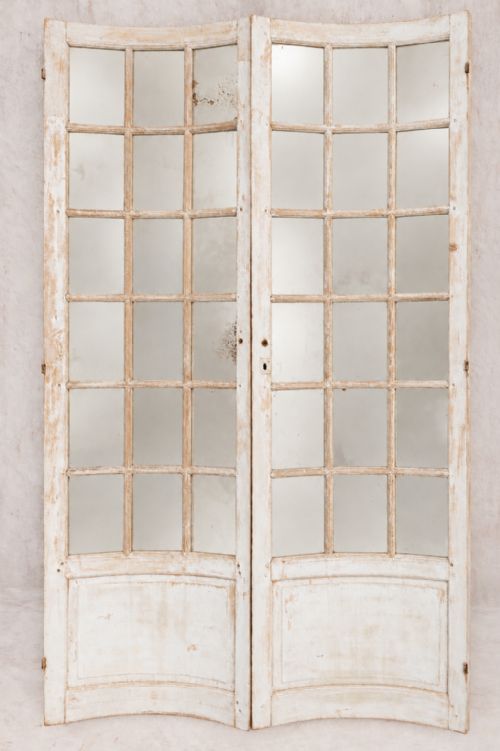
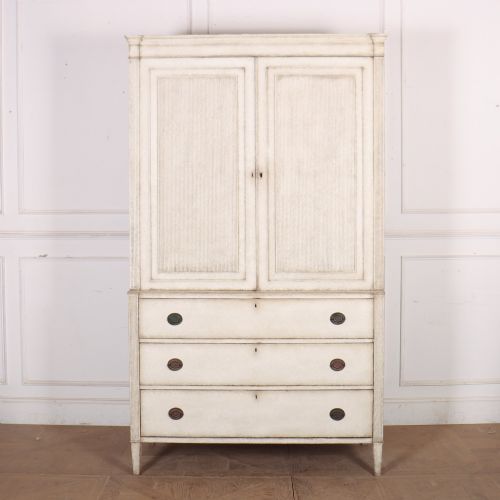
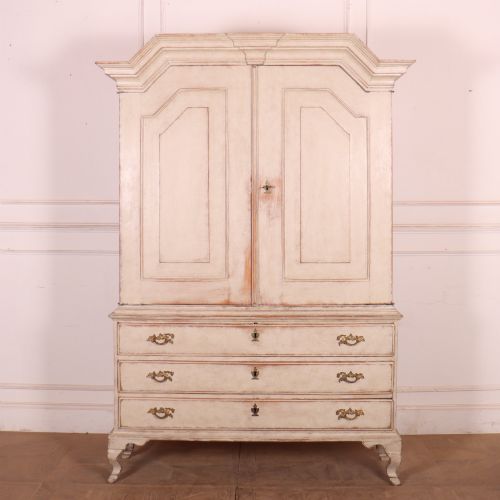
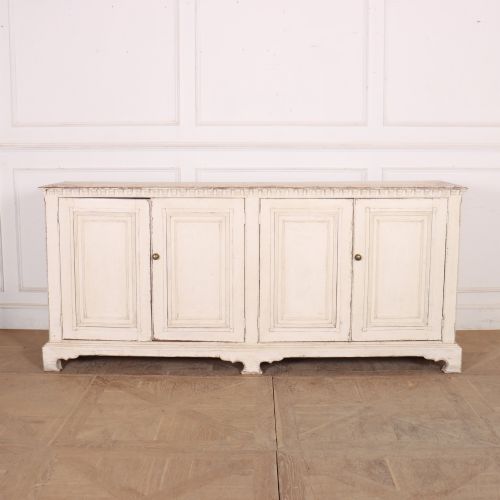
These distressed white doors offer tactile painted timber and grand scale, bringing authentic architectural character to a room.
Distressed White Doors
Distressed white doors encompass architectural salvage pieces such as early Victorian pine chapel doors and French shutters originating around 1800. These items introduce weathered textures and historic utility directly into domestic interiors.
The selection ranges from tall salvaged chapel entrances fitted with wrought ironwork to smaller paired shutters, reflecting diverse regional aesthetics from British institutional buildings to continental residences.
How they were made
Makers constructed these structural pieces primarily from solid pine and other sturdy painted woods, applying layered paint finishes that naturally weather over decades of use. This construction ensures the timber remains stable while carrying heavy architectural weight.
Functional metal components such as brass, wrought iron, and iron were integrated into hinges, latches, and decorative grilles. Wire mesh occasionally appears in related large storage forms, combining utility with robust hardware.
Distressed White Doors Retail Price Guide 2026
Typical asking prices for distressed white doors among the pieces listed under this phrase on Sellingantiques today, from the lower quarter to the upper quarter. They describe what is for sale here now, not the wider market.
Current listings feature architectural salvage alongside pine, painted wood, wrought iron, and brass dating from 1800 through the Victorian era.
What varies in quality
Quality rests upon the integrity of the original timber frame and the depth of the surviving painted surface. Pieces that retain their genuine historic paint layers without modern overpainting command greater interest from collectors.
The sophistication of the accompanying metalwork distinguishes standard architectural salvage from exceptional examples. Original wrought iron hinges, latches, and decorative grilles elevate the overall presence of the piece significantly.
The Distressed White Doors Glossary
- Architectural salvage
- Building elements removed from older structures for reuse in interior design. This term covers doors, shutters, and panels saved from demolition.
- Wrought iron
- Tough, malleable iron worked by hand into decorative or structural hardware. It provides durable hinges and grilles on period doors.
- Pine
- A common softwood used extensively for large utilitarian furniture and architectural woodwork. It takes paint well and forms a stable base for distressed finishes.
- Shutters
- Solid or louvred panels hinged to open and close over windows or openings. French examples often feature traditional panel construction.
Distressed White Doors: Frequently Asked Questions
How do I hang heavy antique doors?
Hanging heavy architectural doors requires substantial wall framing or floor pivots to bear the significant weight safely. Professional installation is usually necessary to ensure the structure supports the load.
Matching the original iron strap hinges with modern reinforcement hidden behind the timber helps secure the piece. Consulting a specialist joiner ensures the installation respects the historic fabric.
Can I use old shutters as room dividers?
Using old shutters as folding screens or sliding room dividers creates flexible zoning within open-plan spaces. Their substantial height makes them ideal for partitioning rooms without permanent building work.
Mounting them on sturdy overhead tracks allows smooth movement while displaying the weathered paintwork. Ensuring adequate floor anchoring prevents swinging and protects the aged timber.
How do I date antique chapel doors?
Dating chapel doors involves examining the construction joints, timber species, and the style of the ironwork hinges. Hand-wrought iron typically indicates an earlier nineteenth-century or eighteenth-century origin.
Nail types and saw marks on the pine boards further aid in establishing the period of manufacture. Comparing the hardware to documented architectural styles narrows the date range.