



Curved French Doors
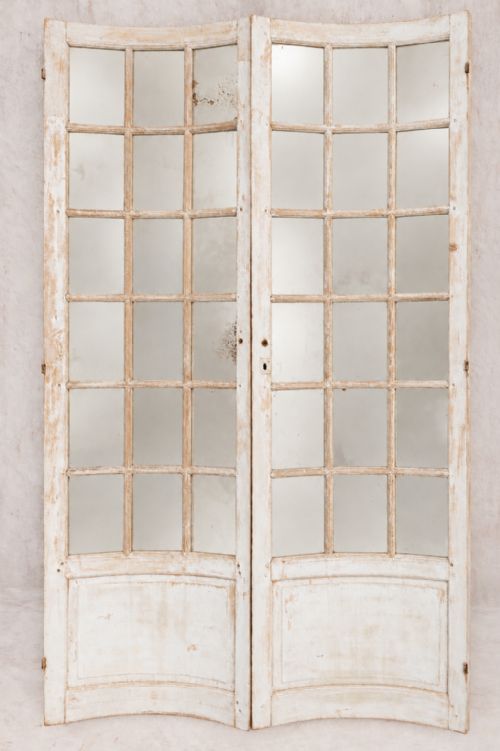
Curved french doors and related architectural elements bring graceful line and historical character to a room.
Curved French Doors
Buyers seeking curved french doors encounter architectural timber work and glazed panels reflecting nineteenth and early twentieth century design. These pieces combine sweeping timber frames with glass to create light and division within period spaces.
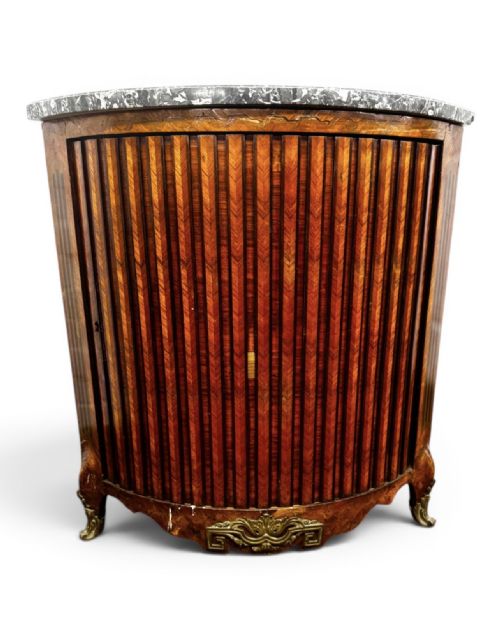
The selections span nineteenth century and early twentieth century periods, incorporating styles from Victorian revival to French transitional and Art Deco. Forms range from concave structural doors to complementary glazed cabinets and display cupboards sharing similar curved silhouettes.
How they were made
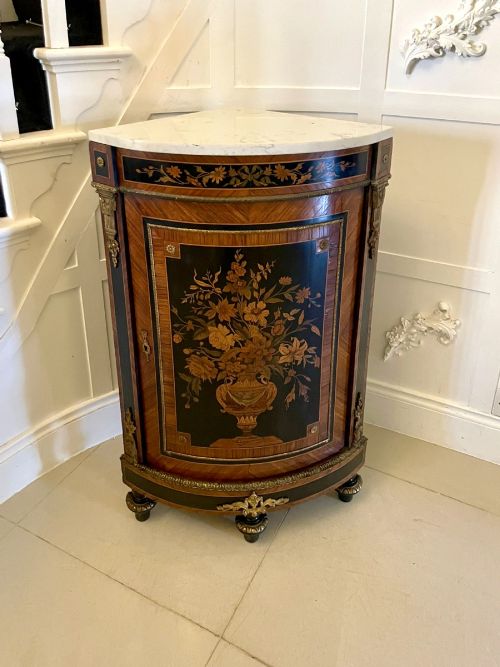
Construction relies on traditional timber framing utilising walnut, burr walnut, tulipwood, purple wood, and sycamore. Marquetry inlays and painted wood finishes provide decorative surface detail across these architectural and cabinet forms.
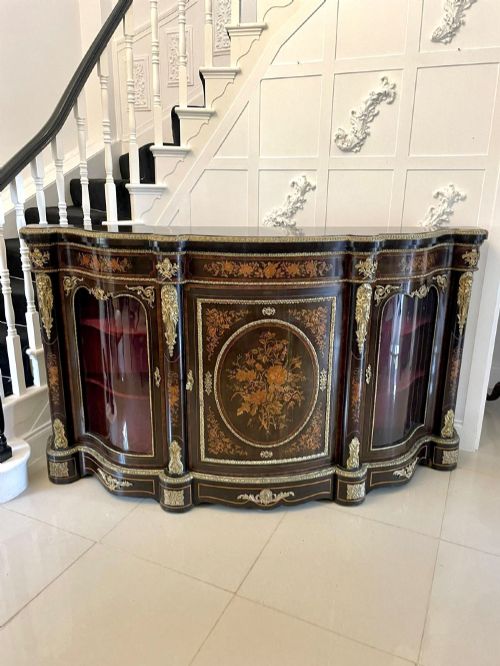
Mounts in ormolu and marble top surfaces complement the glazed glass panels and metal hardware. Joinery techniques shape the concave and serpentine timber curves required for these architectural and furniture pieces.
Curved French Doors Retail Price Guide 2026
Typical asking prices for curved french doors among the pieces listed under this phrase on Sellingantiques today, from the lower quarter to the upper quarter. They describe what is for sale here now, not the wider market.
Jean Faure signed this glittering Art Deco wardrobe, proving that even timber and glass can carry a proper autograph.
What varies in quality
Quality rests upon the precision of the curved timber joinery and the execution of marquetry inlay work. Finer examples display harmonious grain selection in burr walnut or tulipwood alongside crisply chased ormolu mounts.
The integration of glass panels within curved frames demonstrates the maker's skill. Superior pieces maintain structural integrity and balanced proportions across serpentine and concave forms.
JEAN FAURE
The Curved French Doors Glossary
- Concave
- A surface that curves inward like the interior of a circle. This profile shapes several architectural doors and cabinet fronts.
- Marquetry
- Decorative patterns formed by inserting pieces of contrasting veneer into a wood foundation. Floral motifs frequently appear on nineteenth century examples.
- Ormolu
- Gilded bronze used for decorative mounts and hardware. It accents the corners and borders of fine credenzas and cabinets.
- Serpentine
- A line or shape featuring a central convex curve flanked by two concave curves. This undulating profile defines advanced cabinetwork.
- Tulipwood
- A light coloured decorative timber with darker streaks used for cabinet veneers. It appears alongside purple wood and sycamore in period pieces.
Curved French Doors: Frequently Asked Questions
What are curved french doors?
Curved french doors comprise glazed timber panels shaped with an inward or outward sweep. They serve as architectural dividers or statement entries in period interiors.
These pieces reflect design movements from the nineteenth century through the Art Deco era. Their curved profiles require specialised joinery to house curved glass securely.
How were curved doors used?
Historical interiors utilised curved glass doors and matching architectural joinery to manipulate light and movement between rooms. They created fluid transitions within formal reception spaces.
Cabinet makers also applied these curved glazing techniques to corner cupboards and bookcases. This allowed furniture to follow the architectural radius of a rounded corner.
How do I style curved french doors?
Integrating curved architectural elements requires attention to surrounding period proportions and room circulation. They act as focal points that soften rigid rectangular room layouts.
Pairing these doors or related curved cabinets with complementary walnut or painted wood finishes unifies the decorative scheme. Lighting should highlight the sweeping timber grain and glass reflections.
How do I date these pieces?
Dating relies on identifying period characteristics in the timber selection, hardware, and decorative styles. Pieces range from Victorian and Louis XVI revivals to early twentieth century Art Deco work.
Signatures, ormolu casting styles, and veneer combinations such as tulipwood or burr walnut provide further chronological indicators. Comparing the joinery methods against known nineteenth and twentieth century workshops helps establish age.