
French Armoire Doors
These french armoire doors are salvaged architectural elements and complete panels that bring tangible historic character and panelled depth to interior schemes.
French Armoire Doors
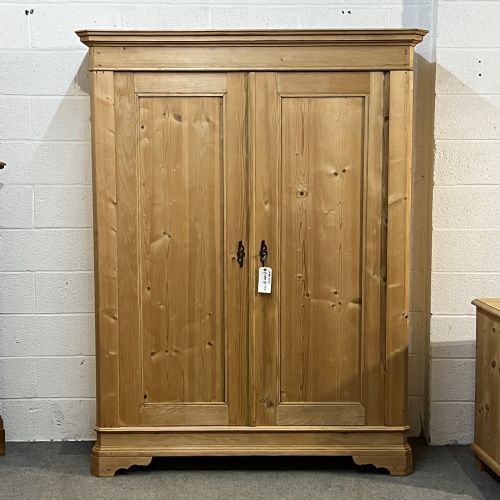
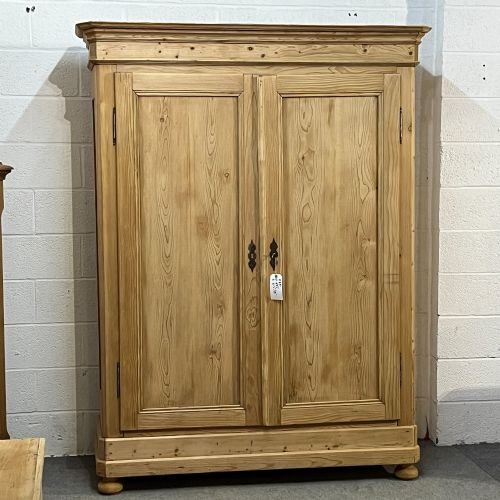
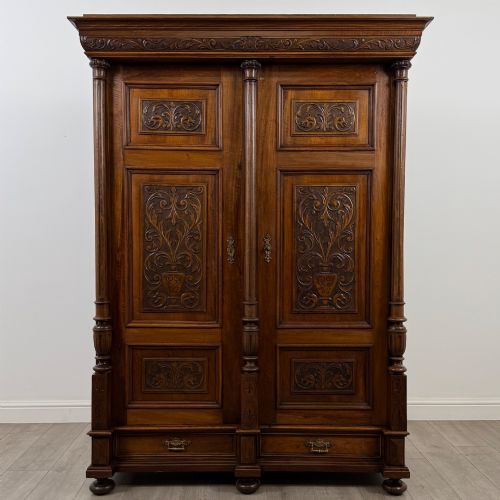
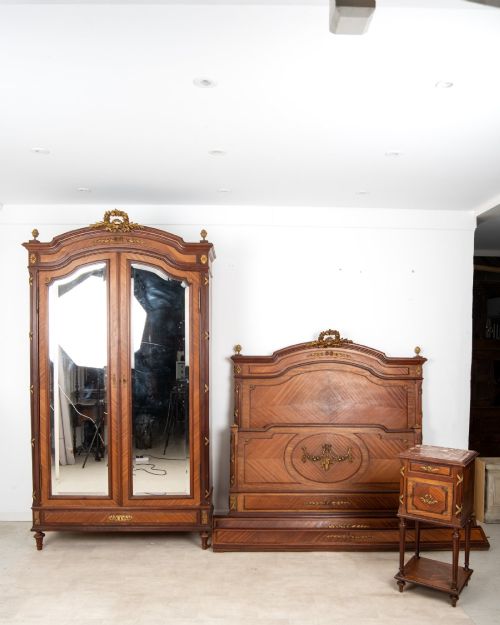
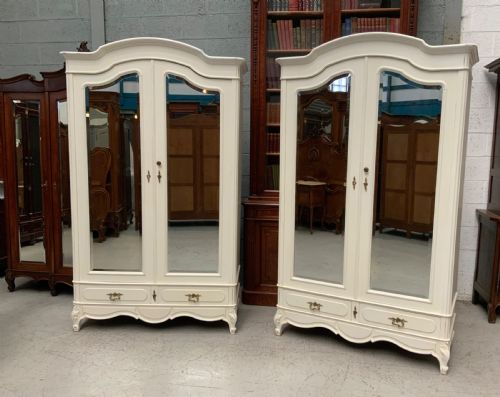
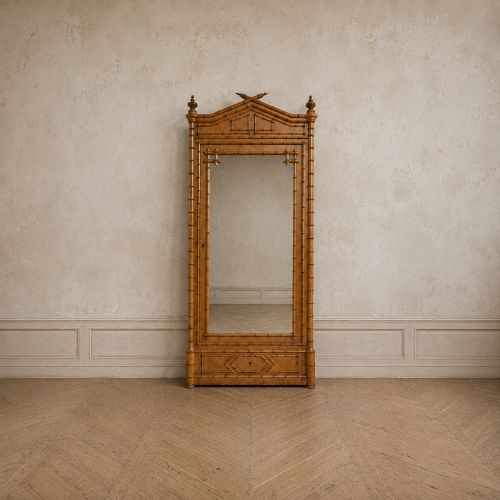
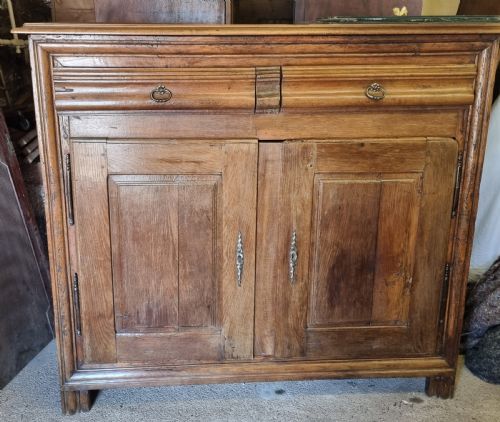
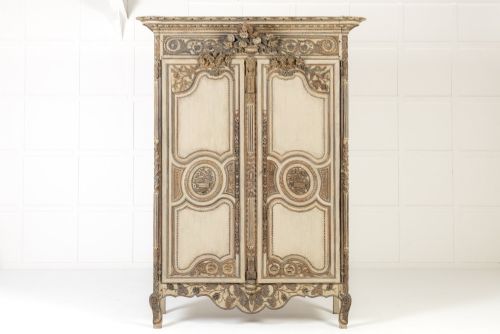
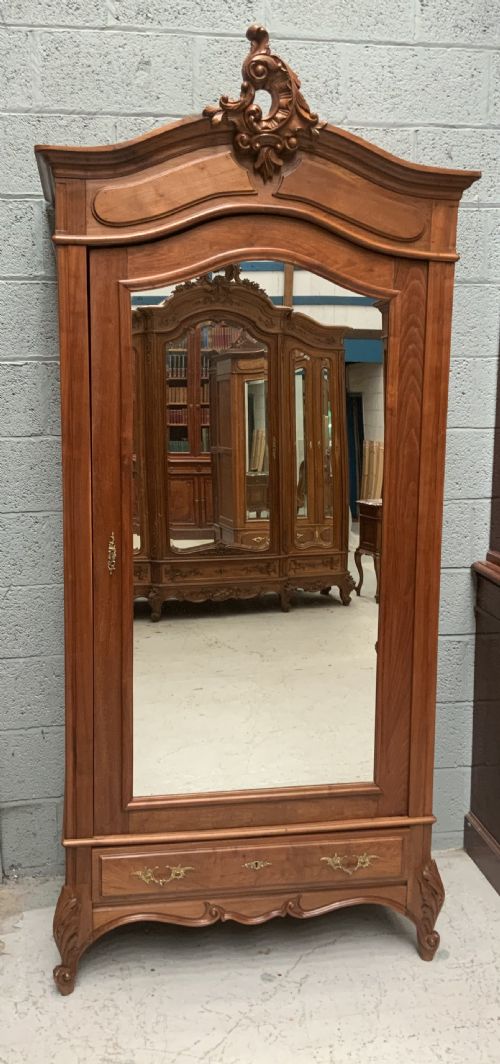
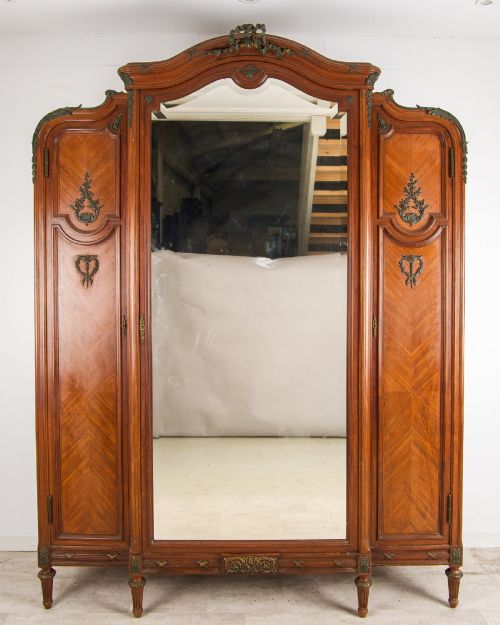
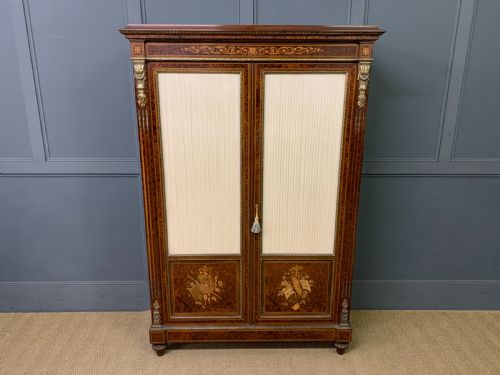
When you search for french armoire doors, you encounter salvaged architectural fragments and complete wardrobe fronts originating from 17th century pieces up to the 1920s. These items range from simple pine and oak panels to elaborate walnut and mahogany doors mounted with brass and ormolu.
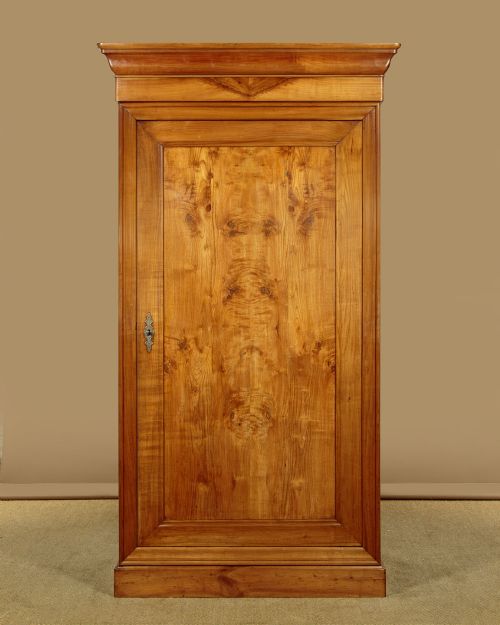
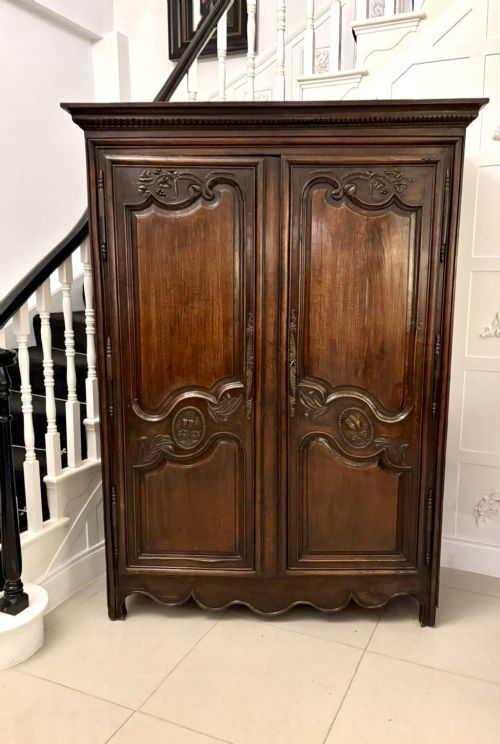
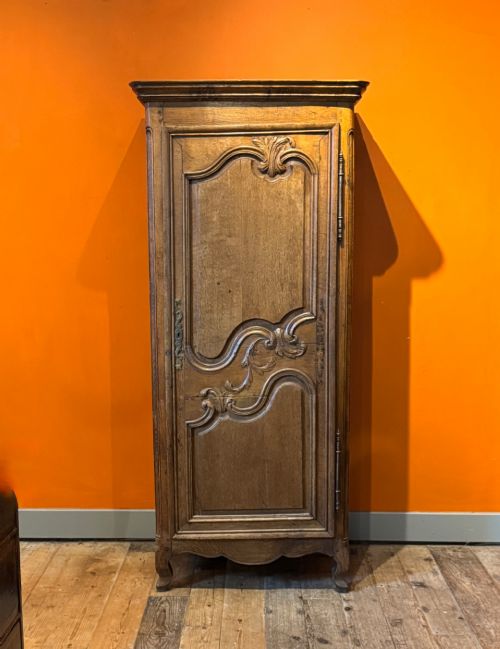
The selections on this page derive primarily from regional cupboards, bonnetieres, and full-scale wardrobes spanning French Provincial, Louis Philippe, and Louis XVI revival styles. Buyers utilise these pieces for interior architecture, wall panelling, or conversion into bespoke cabinetry.
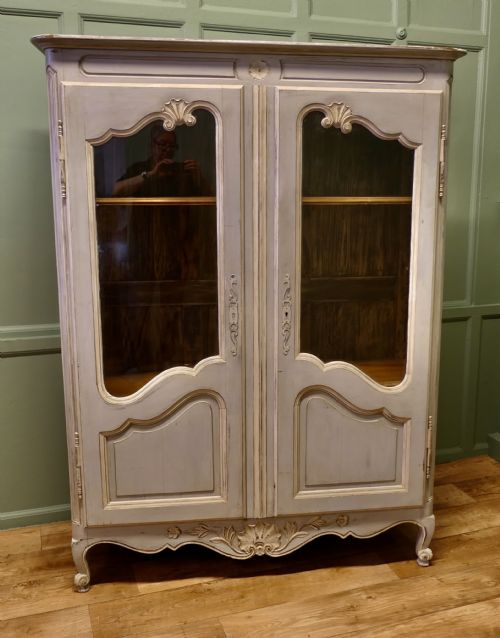
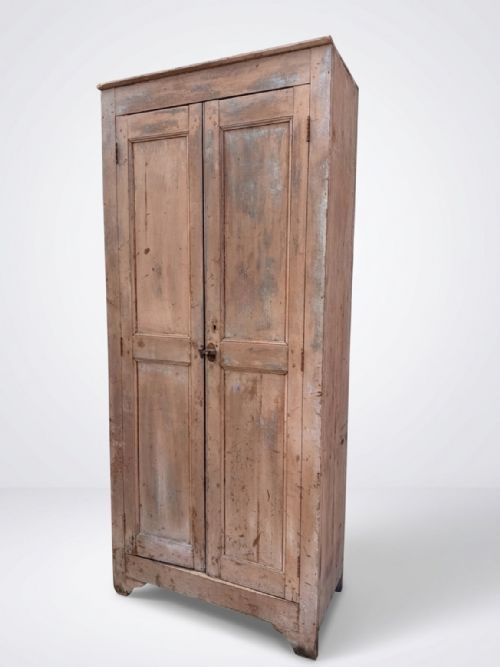
The forms reflect the stylistic shifts of their periods, moving from heavy carved provincial oak to the clean lines of later mahogany and the lightness of painted finishes. Each pair or single door retains the proportions and hardware of its original cabinetmaking context.
Materials and Construction
Cabinetmakers constructed these doors using robust timbers including oak, walnut, pine, and mahogany, frequently enhanced with fruit wood or exotic veneers such as amboyna and bird's eye maple. Frame and panel joinery accommodated the natural movement of the wood over centuries of use.
Mounts and hardware of brass, iron, and gilt bronze ormolu added structural reinforcement and visual weight to the primary timber frames. Painted and bleached finishes appear alongside polished surfaces, reflecting the decorative preferences of different eras from the 18th century onwards.
Some cabinet doors began life as enclosed Breton bed fronts before finding new purpose as architectural panels.
Evaluating Quality and Origin
Quality rests in the selection of the timber and the depth of the hand-carved detailing on the stiles and rails. Pieces fashioned from solid walnut or figured mahogany with original ormolu mounts sit at the upper end of the scale.
The integrity of the original joinery and the survival of period brass or iron hardware determine the historical weight of each piece. Regional provincial examples show distinct regional carving signatures that separate standard production from workshop craftsmanship.
Jean Faure
The French Armoire Doors Glossary
- Armoire
- A large freestanding cupboard or wardrobe with doors, traditionally used for storing garments. They often dissemble into sections for transport.
- Ormolu
- Gilt bronze mounted details applied to furniture for decoration. This technique was widely utilised during the 18th and 19th centuries.
- Bonnetiere
- A single door tall cupboard originally designed to store bonnets and hats. These narrow cabinets typically feature detailed provincial carving.
- Vitrine
- A glass-fronted cabinet or bookcase used to display objects. They utilise glazed doors to protect contents while maintaining visibility.
- Stile
- The vertical upright member of a panelled door frame. It receives the tenons from the horizontal rails.
French Armoire Doors: Frequently Asked Questions
How were french armoire doors used originally?
These panels formed the operational frontage of large storage furniture designed to hold garments, linens, and domestic goods in European homes.
They swung on substantial iron or brass hinges to provide access to interior shelving or hanging spaces within the main cabinet carcass.
How can I tell the period of the timber?
Grain patterns, tool marks, and the density of woods like oak, walnut, and early pine offer clear indicators of age and origin.
Hand-cut joinery methods and the specific patination acquired over centuries help distinguish 18th-century examples from later 20th-century revivals.
What styles are most common in these pieces?
Provincial and regional French styles dominate the selection, showcasing traditional regional carving and practical country construction.
Revival movements such as Louis XVI and Louis Philippe also appear frequently, bringing classical symmetry and refined mahogany veneers to the form.