

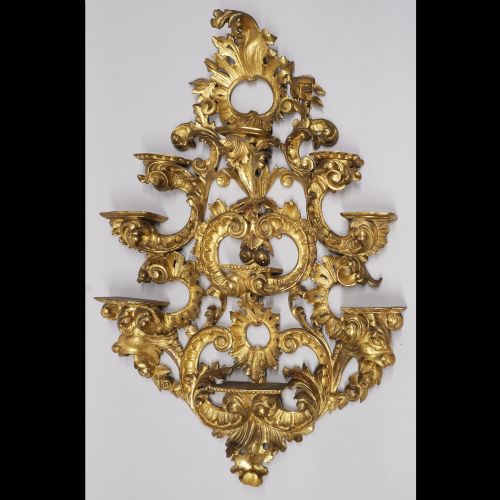


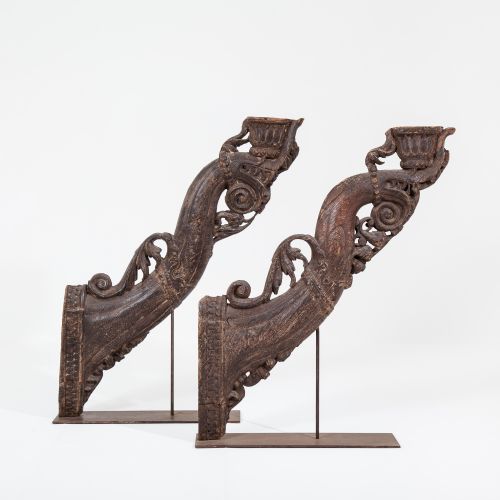


French Carved Wall Brackets
French carved wall brackets bring ornamental drama to plain plaster, offering a decorative perch for lamps or urns.
French Carved Wall Brackets
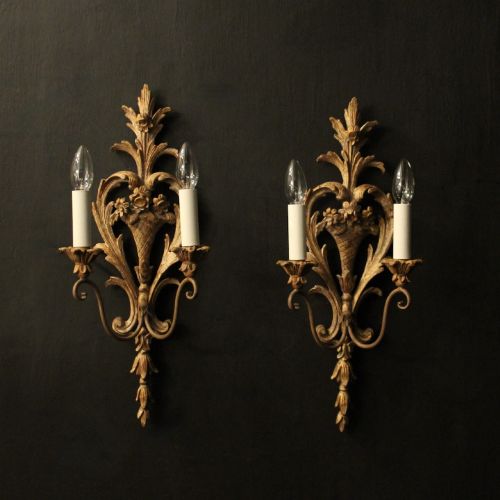
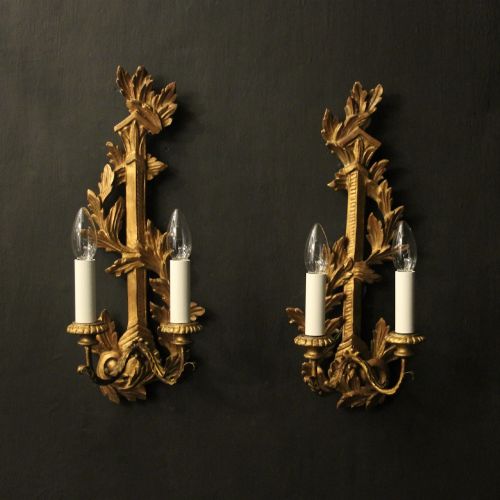
French carved wall brackets span several centuries of interior design, taking the form of architectural supports, small console tables, and shelf units intended to project from a vertical surface. When exploring french carved wall brackets, expect to encounter items designed to hold light fixtures, mirrors, or decorative objects rather than heavy structural loads.
The pieces appearing most frequently originate from the eighteenth and nineteenth centuries, alongside twentieth-century revivals. Styles lean heavily towards French Rococo and Neoclassical vocabularies, featuring asymmetrical scrollwork, floral motifs, and classical architectural elements adapted for domestic interiors.
How they were made
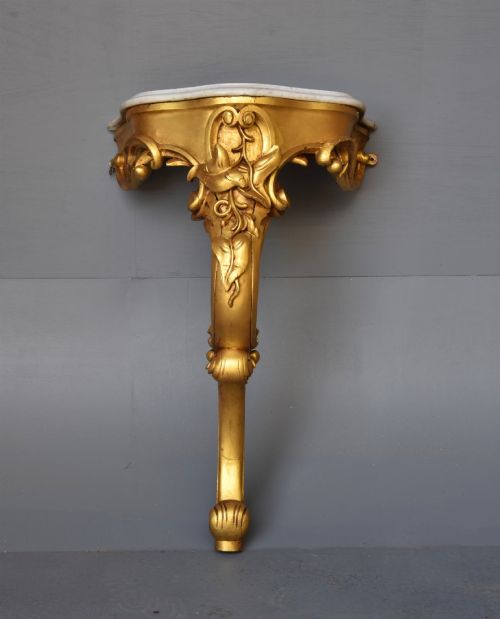
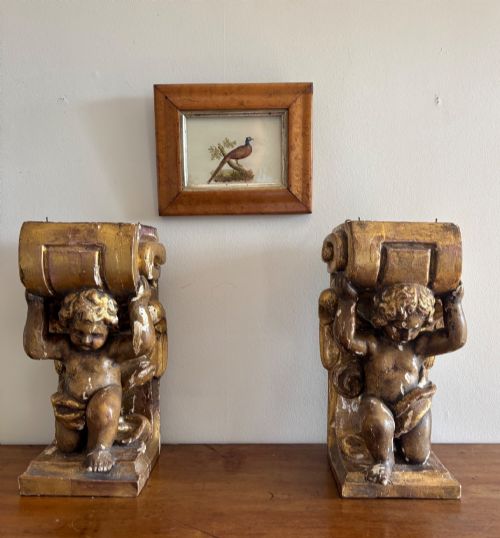
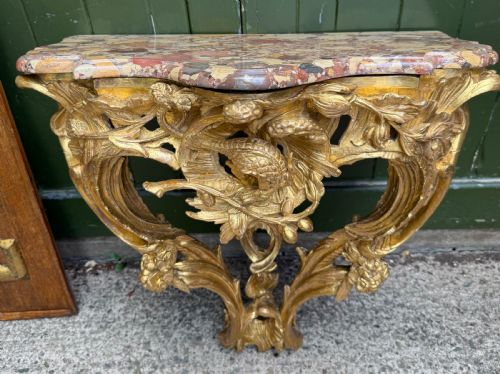
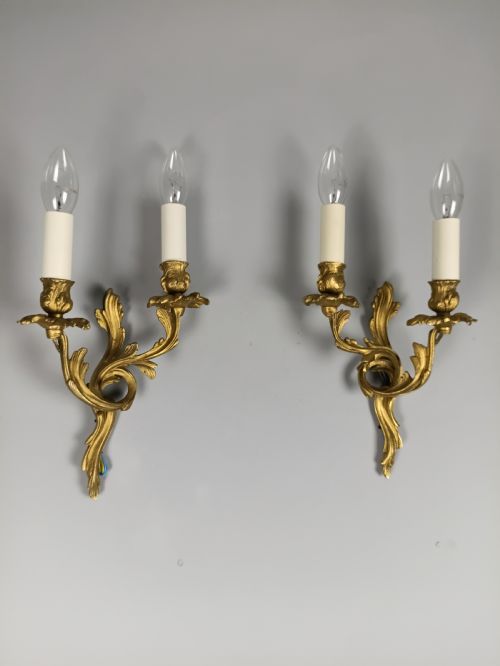
Makers shaped these supports primarily from timber, employing carved wood that was frequently finished with layers of gesso and gold leaf to create a gilded surface. Alternatively, pieces appear in painted or polychrome finishes, sometimes incorporating marble tops, brass arms, or bronze mounts.
Joinery and carving techniques relied on hand tools to produce organic curves and deep relief work. Artisans built up gesso over wood before applying metal leaf, allowing for intricate burnished details that caught candlelight.
French Carved Wall Brackets Retail Price Guide 2026
Typical asking prices for french carved wall brackets among the pieces listed under this phrase on Sellingantiques today, from the lower quarter to the upper quarter. They describe what is for sale here now, not the wider market.
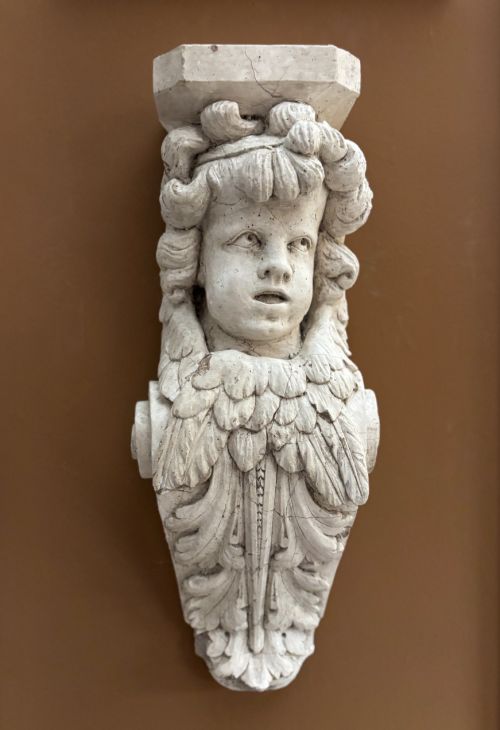
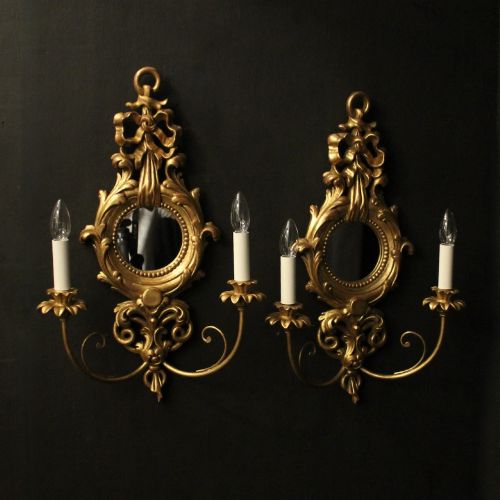
Object types include wall sconces, girandoles, console tables, architectural salvage, and plaster corbels.
What varies in quality
The distinction between ordinary and exceptional examples rests upon the crispness of the hand-carving and the depth of the relief. Skilled artisans achieved naturalistic foliage and fluid scrolls with sharp undercutting, whereas lesser pieces display soft, generalized contours in moulded composition rather than carved timber.
Surface preparation and finishing also dictate standard. High-grade items utilise traditional water-gilding over gesso that reveals subtle tool marks and wear patterns, while inferior pieces show heavy, flat modern paint or flaking synthetic gold finishes.
The French Carved Wall Brackets Glossary
- Giltwood
- Timber coated with gold leaf over a prepared gesso ground. This finish was standard for high-status French interior fittings.
- Gesso
- A plaster mixture applied to wood surfaces as a base for gilding or painting. It provides a smooth layer for intricate carving details.
- Corbel
- A structural or decorative bracket projecting from a wall to support a weight. In this context, it often serves purely ornamental functions.
- Girandole
- An ornamental bracket wall light featuring mirrored glass to reflect candle flames. These combine shelving or brackets with lighting arms.
- Rococo
- An eighteenth-century style characterised by asymmetrical C-scrolls and organic shell motifs. It dominates the ornamentation found on these wall supports.
French Carved Wall Brackets: Frequently Asked Questions
How were wall brackets used originally?
These brackets held lighting, small clocks, or porcelain ornaments in formal rooms. They distributed candlelight across decorative surfaces.
Positioned above console tables or flanking mirrors, they maximised light reflection and filled empty wall space with sculptural interest.
Can these brackets support heavy weight?
Most pieces function primarily as decorative architectural shelves or light fixtures. Their capacity depends on the timber strength and wall fixings.
Substantial items like marble-topped console brackets require secure anchoring into masonry rather than drywall alone.
How do I distinguish eighteenth-century pieces?
Early pieces display hand-carved timber construction beneath gesso, showing age-related shrinkage in the wood grain. Tool marks remain visible on the reverse.
Later nineteenth and twentieth-century revivals often utilise machine-cut elements or composition ornament rather than deep hand-chiseled relief.
How should I clean gilded surfaces?
Dusting requires a very soft, dry brush to prevent disturbing fragile gold leaf layers. Moisture can damage old gesso grounds.
Avoid chemical cleaning products entirely, as modern solvents strip historic finishes and water gilding from the carved wood.