






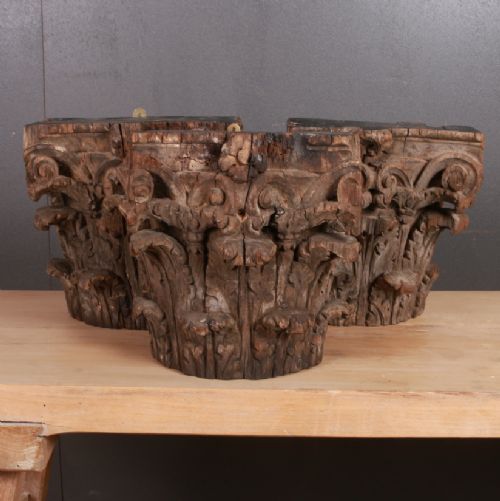
Architectural Salvage Corbels
These architectural salvage corbels are structural supports and decorative wall brackets rescued from older buildings, bringing centuries of hand-carved weight and presence straight into modern interiors.
Architectural Salvage Corbels
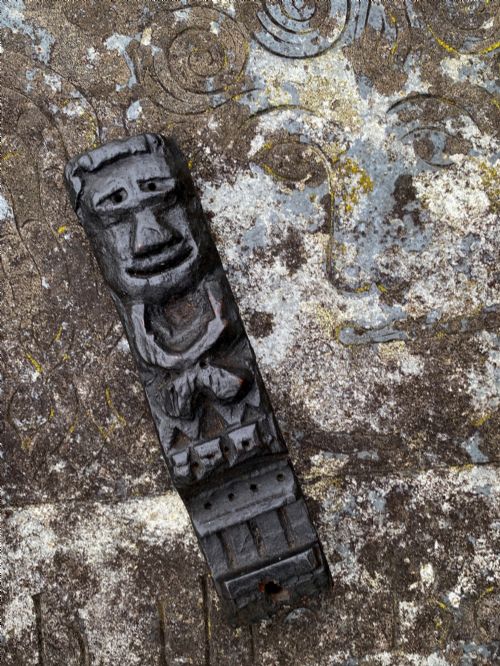
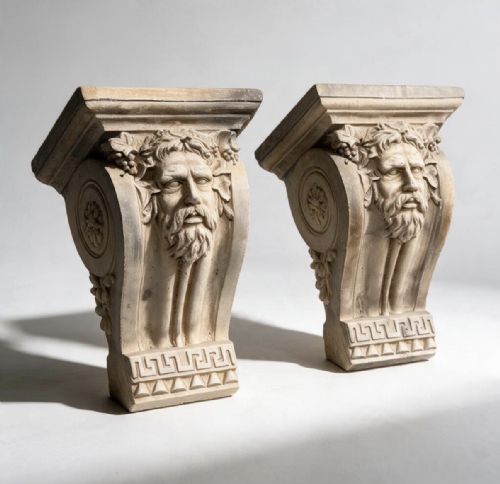
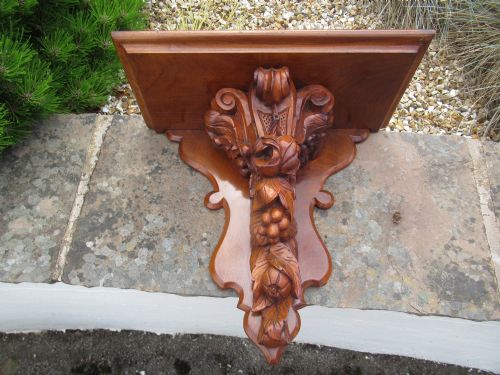
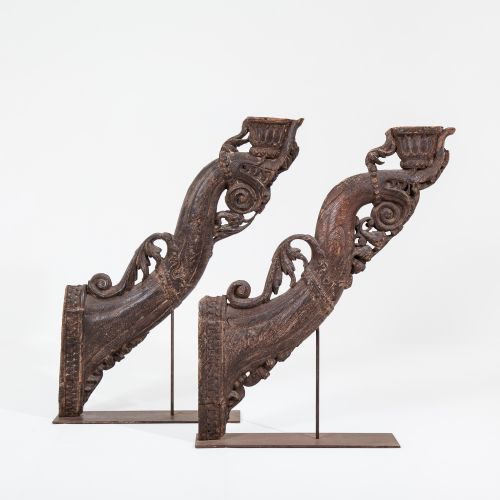
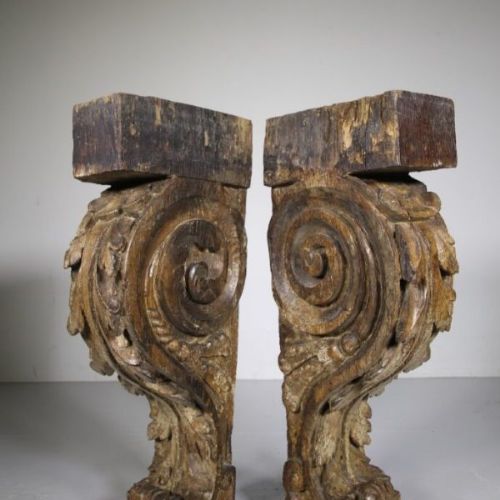
Architectural salvage corbels encompass heavy load-bearing stone blocks, timber wall brackets and intricate plaster capitals rescued from historic buildings spanning multiple centuries. Buyers searching for architectural salvage corbels will encounter everything from rugged medieval limestone fragments to ornate Victorian walnut display brackets and robust cast iron supports.
Materials and Construction
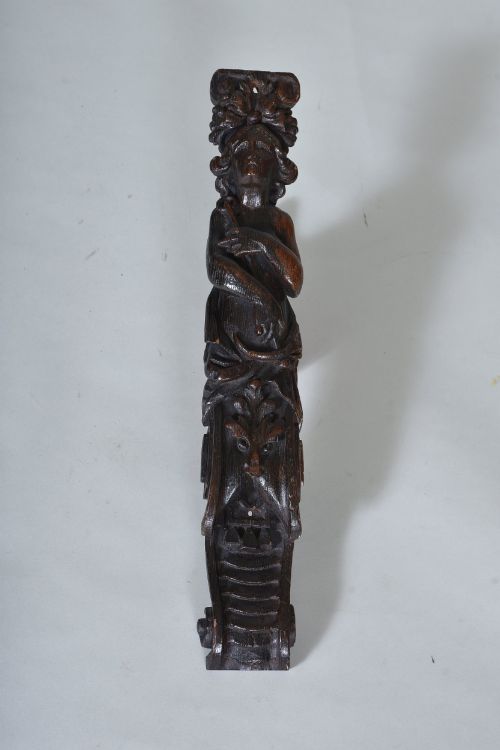
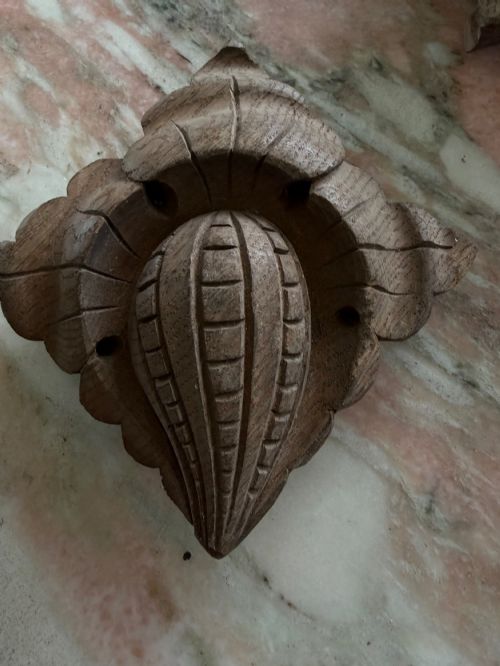
Traditional woodworking dominates the wooden examples, utilising dense timber species such as oak, walnut and pine shaped through hand carving and chisel work. Artisans often finished these wooden brackets with painted layers, gesso or exposed grain to accentuate the three-dimensional figures and architectural mouldings.
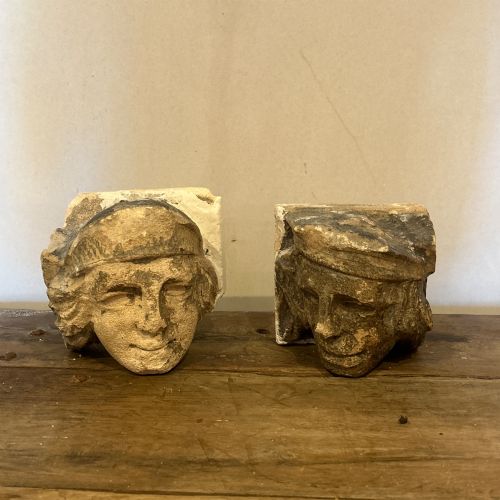
Stonemasons shaped limestone, sandstone and plaster pieces using heavy hammers and chisels to create robust structural blocks or ecclesiastical carvings. Metal variants rely on cast iron and wrought iron, forged or cast into heavy-duty horse head motifs and utilitarian brackets.
Architectural Salvage Corbels Retail Price Guide 2026
Typical asking prices for architectural salvage corbels among the pieces listed under this phrase on Sellingantiques today, from the lower quarter to the upper quarter. They describe what is for sale here now, not the wider market.
Listings span periods from pre-sixteenth century medieval fragments to the late nineteenth century, utilising oak, limestone, cast iron and walnut.
Assessing Quality and Execution
The integrity of the material itself dictates the upper tier of pieces, where sound uncompromised timber, stable stone or original historic paint surfaces remain intact. Salvage that retains its original structural heft and clear period characteristics commands greater visual authority on the wall.
The Architectural Salvage Corbels Glossary
- Corbel
- A structural member projecting from a wall to carry a heavy weight, typically taking the form of a stepped or sculpted bracket.
- Capital
- The uppermost member of a column or pilaster, often carved with acanthus leaves or figural motifs.
- Caryatid
- A sculpted female figure serving as an architectural support taking the place of a column or a pillar.
- Putto
- A figure of a small infant, frequently winged, depicted in classical and Renaissance art and architectural decoration.
- Boss
- A decorative projecting block of stone or wood set at the intersection of ribs in a ceiling or panel.
Architectural Salvage Corbels: Frequently Asked Questions
Can I use architectural corbels as functional shelf supports?
Many wooden and iron pairs function effectively beneath timber boards to create sturdy wall-mounted console shelves.
Ensure the projecting ledges match the depth of your chosen shelf board for secure weight distribution.
How do I identify sixteenth or seventeenth century oak carvings?
Early oak pieces exhibit deep patination, tool marks from hand adzes and dense, heavy timber grain typical of period joinery.
Stylistic cues like heavy Jacobean scrolling or medieval gothic motifs also help pinpoint the century of production.
Should I clean original paint on salvaged wooden brackets?
Original painted surfaces and gesso layers often hold historic value and should generally be preserved without harsh chemical stripping.
Gentle dusting with a dry brush maintains the aged patina without damaging fragile historic finishes.