


19th Century Pillars
These 19th century pillars span architectural supports, dining tables with multiple pedestals, and decorative columns that bring classical presence to a room.
19th Century Pillars
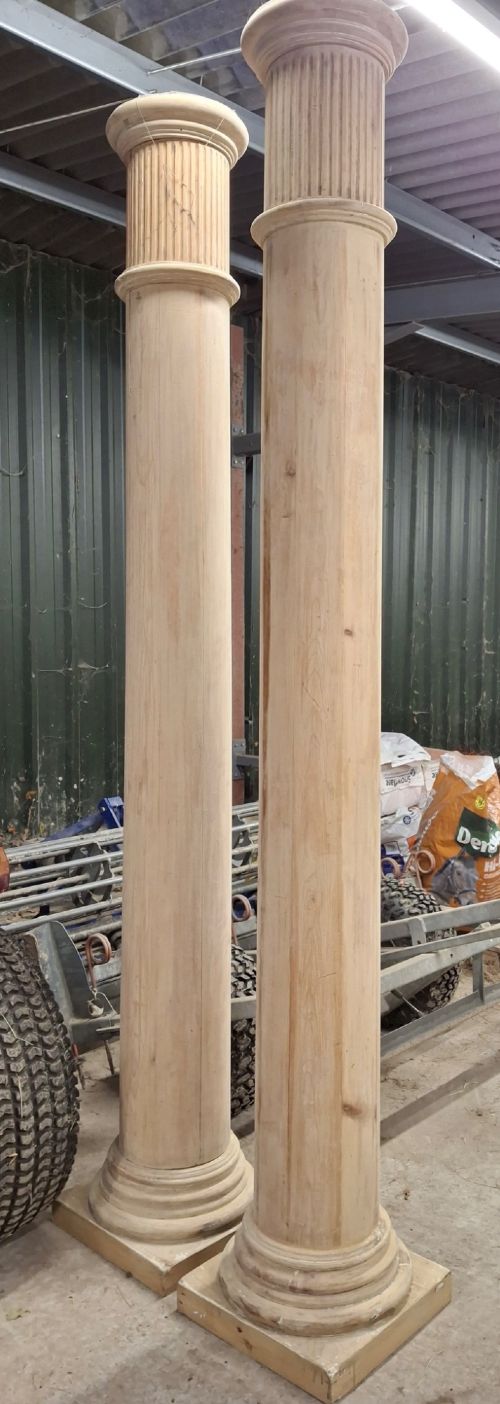
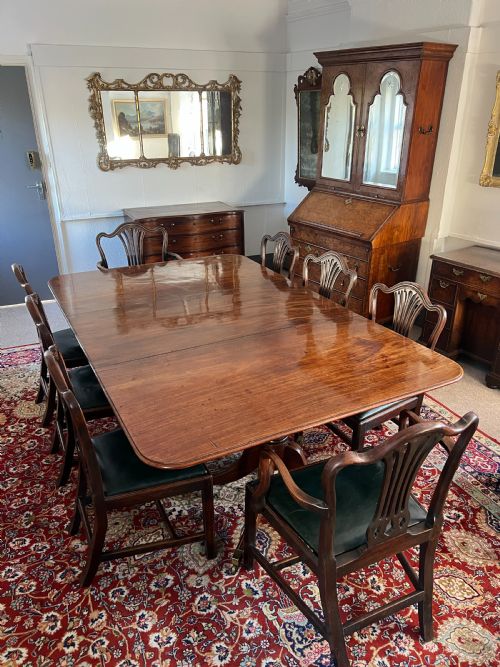
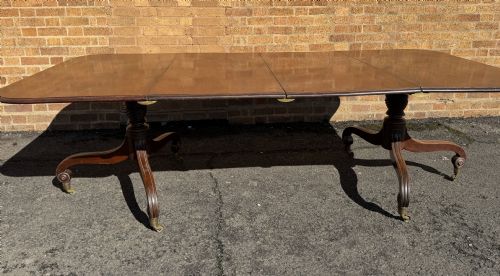
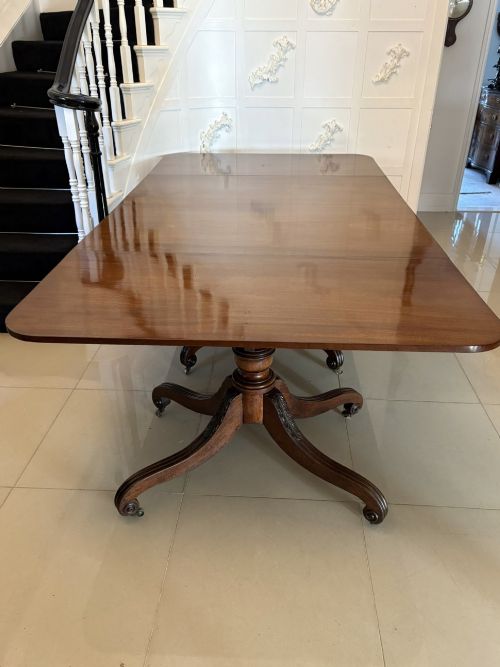
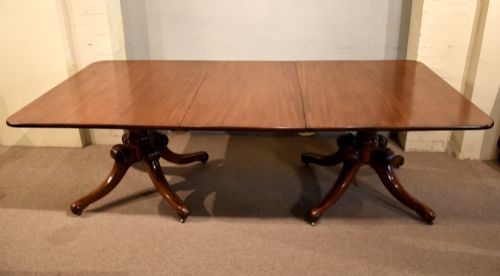
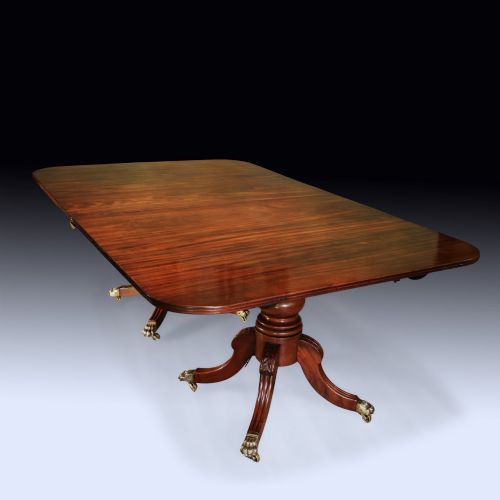
When you search for 19th century pillars, you encounter a diverse group of objects ranging from architectural columns and display plinths to the substantial pedestals supporting twin-pillar and triple-pillar dining tables. The dining tables typically date from the Regency and Georgian periods, constructed in rich mahogany to seat multiple guests.
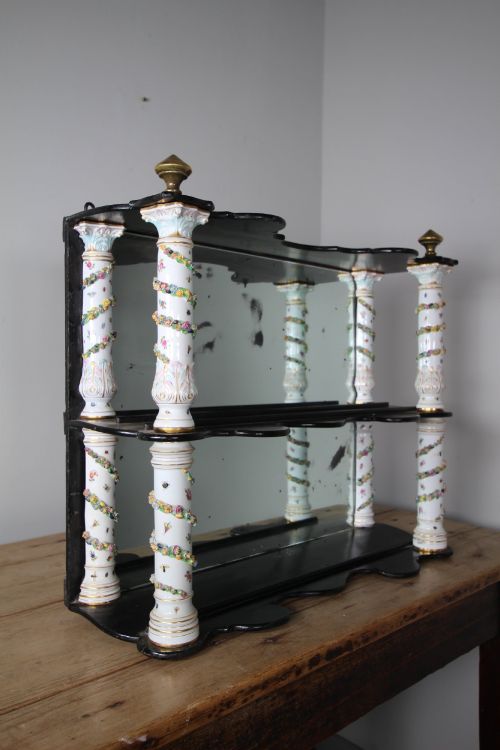
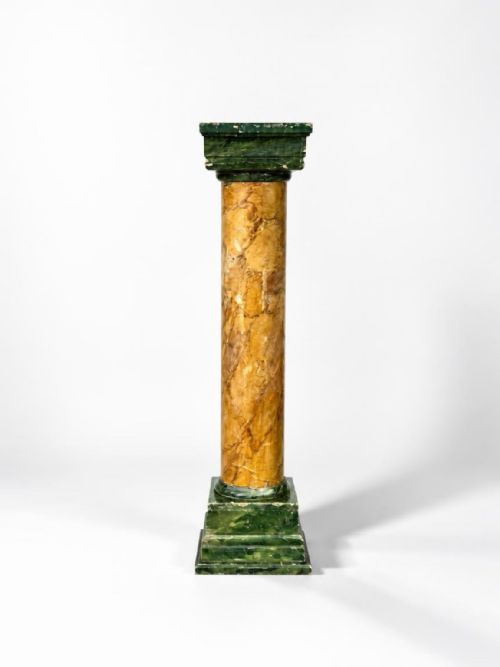
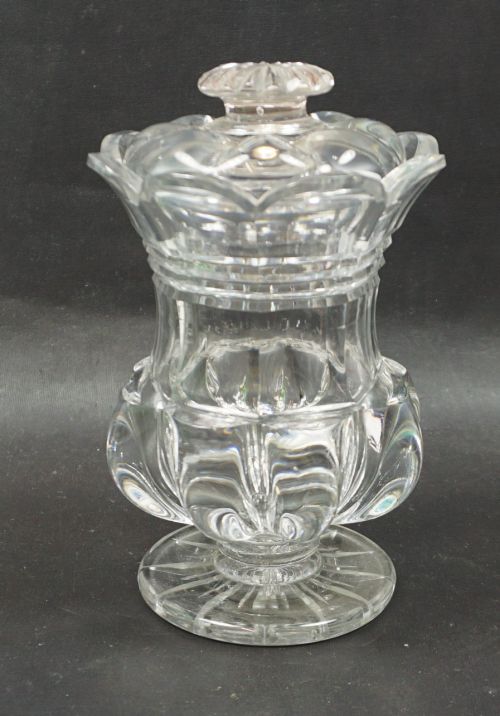
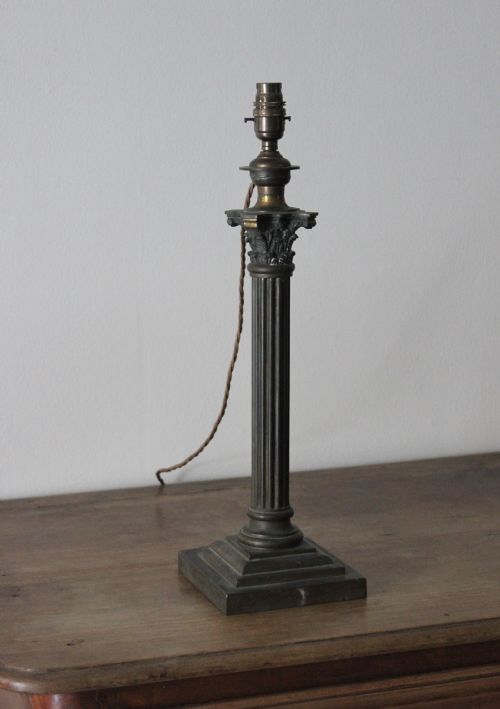
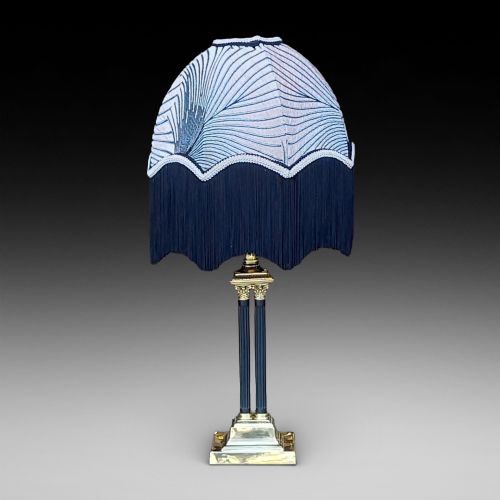
Beyond furniture supports, the selections include standalone decorative columns and architectural elements fashioned from marble, scagliola, painted wood, and stone. Smaller items like brass Corinthian column table lamps and crystal glass preserve jars also appear, carrying pillar-moulded designs from the Victorian era.
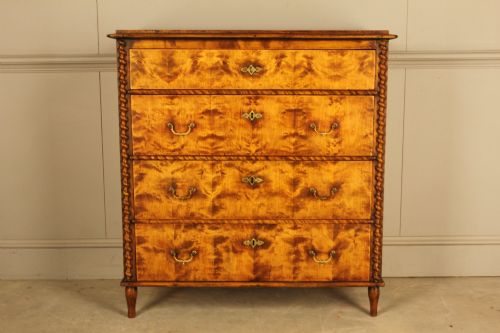
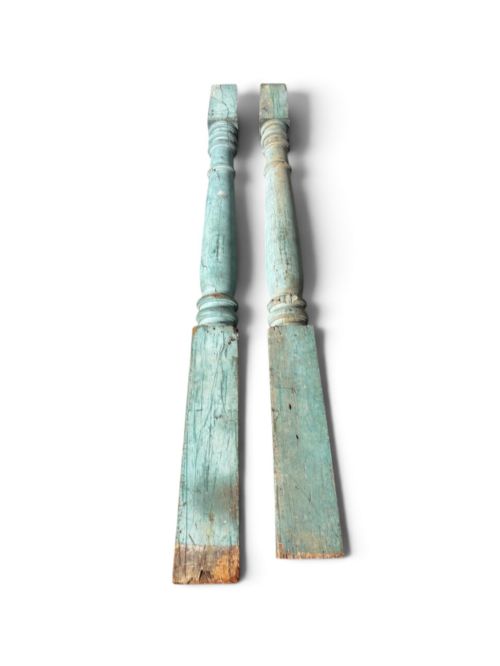
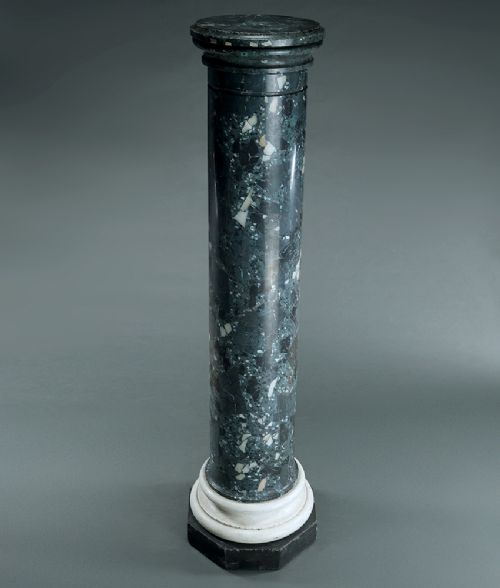
The regional origins span English dining furniture, French and Italian marble works, and Scandinavian pieces in elm and flame birch. Pairs of columns often originate from French or grand scale domestic settings, functioning previously as display pedestals or structural framing.
Materials and Technique
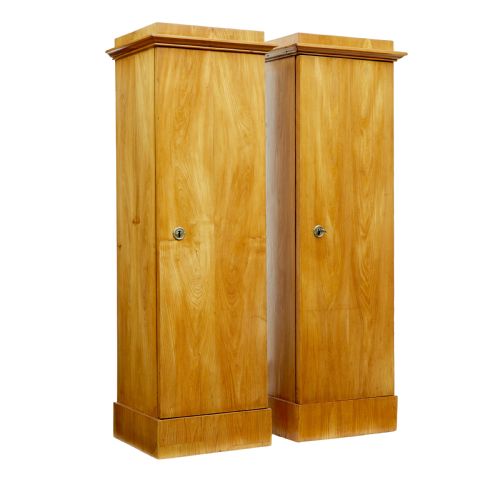
Cabinet makers utilised dense hardwoods such as mahogany, burr walnut, and elm for dining tables and pedestal cupboards, employing turning and carving techniques to shape central pillars and octagonal columns.
Masons and artisans worked with natural stone, Verde Antico marble, and scagliola - a composite material mimicking true marble - to construct heavy display columns and obelisks.
Metalworkers cast brass and bronze to create Corinthian column lamp bases and candelabra, often applying patination or silver plating to the fluted shafts.
19th Century Pillars Retail Price Guide 2026
Typical asking prices for 19th century pillars among the pieces listed under this phrase on Sellingantiques today, from the lower quarter to the upper quarter. They describe what is for sale here now, not the wider market.
Masonic rituals once utilised tall, painted brass Corinthian columns as graduated candlesticks for lodge ceremonies.
Markers of Standard
The distinction between ordinary examples and superior pieces rests on the choice of timber figures, such as figured mahogany or flame birch, and the crispness of carved details on capitals and bases.
On multi-pillar dining tables, stability and matching grain patterns across the sections indicate careful original construction, whereas mismatched timber suggests later alterations.
For stone and scagliola columns, the depth of colour, precision of the veining, and solidity of the base materials determine the visual impact and physical weight of the piece.
Marguerite
The 19th Century Pillars Glossary
- Scagliola
- A composite material made from selenite, glue, and pigments, embedded to imitate various marbles. Artisans polished this mixture to a high gloss for decorative columns.
- Corinthian
- An architectural order characterised by ornate capitals decorated with acanthus leaves. This style appears frequently on brass table lamps and architectural columns.
- Twin-pillar
- A table design supported by two distinct pedestals rather than four corner legs. This configuration allows greater legroom and often accommodates extra leaves.
19th Century Pillars: Frequently Asked Questions
How do I seat guests with a twin-pillar table?
Twin-pillar dining tables use central pedestals instead of legs at the corners, which frees up legroom along the sides. You can pull chairs up close without obstruction from wooden framing.
Many of these tables accommodate extra leaves for expansion when hosting larger dinner parties. The central pillars bear the weight evenly across the floorboards.
Where should I place a decorative column?
Standalone columns work well in corners or framing entryways to draw the eye upward and add architectural weight to a room. You can top them with sculptures, urns, or lamps to create a focal point.
Heavier marble and stone versions require stable flooring due to their substantial weight. Lighter painted wood or scagliola columns offer more flexible placement options.
Are brass column lamps period originals?
Many brass Corinthian column lamps date from the Victorian era, often adapted later for electrical wiring. The heavy cast metal bases maintain their structural integrity through decades of use.
Look for patination on the brass surface to gauge the age of the metalwork. The fluted shafts mirror the design of full-scale architectural columns.
What is the difference between Regency and Victorian pieces?
Regency items, particularly dining tables and mahogany pillars, emphasise classical restraint and rich timber grains from the early part of the century. They often feature clean lines influenced by neoclassical design.
Victorian pieces tend to introduce heavier ornamentation, varied materials like burr walnut and scagliola, and eclectic revival styles. Both periods value hand-turned woodwork and solid construction.