


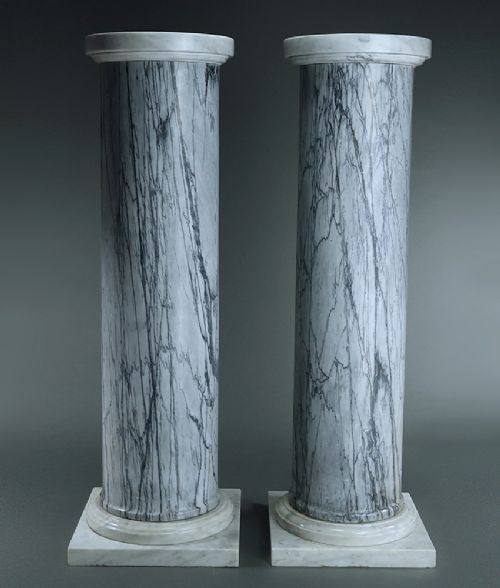


Neoclassical Architectural Pillars
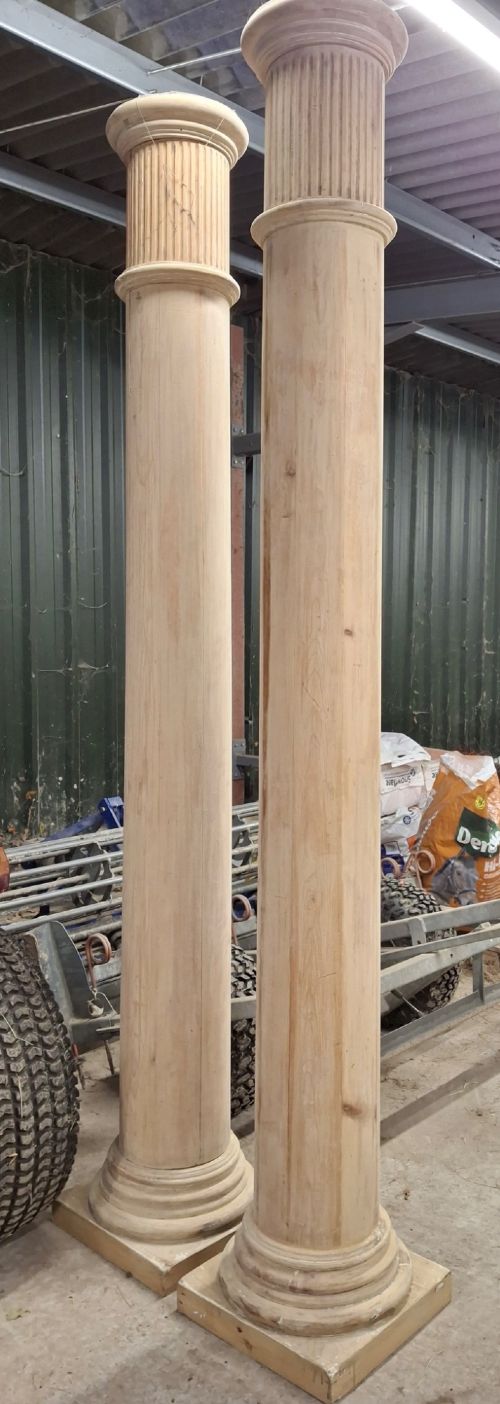
Neoclassical architectural pillars bring classical order to an interior, offering robust column pedestals and display columns for sculptural placement.
Neoclassical Architectural Pillars
Neoclassical architectural pillars encompass columns, pedestals, and display columns drawn from nineteenth-century and early twentieth-century design. These pieces serve primarily to elevate display items or anchor a room with classical proportions.
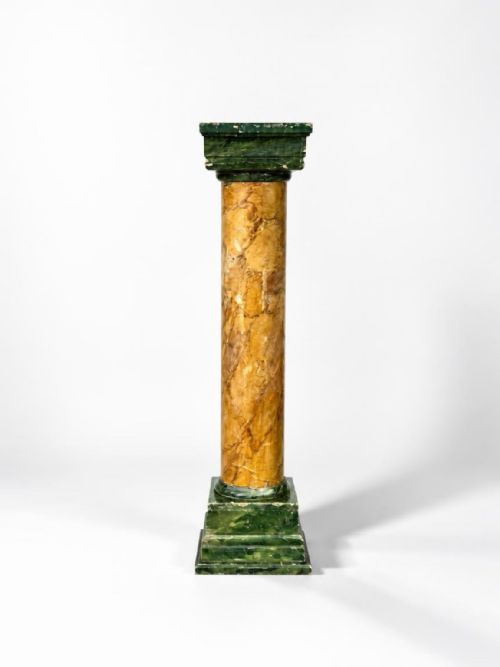
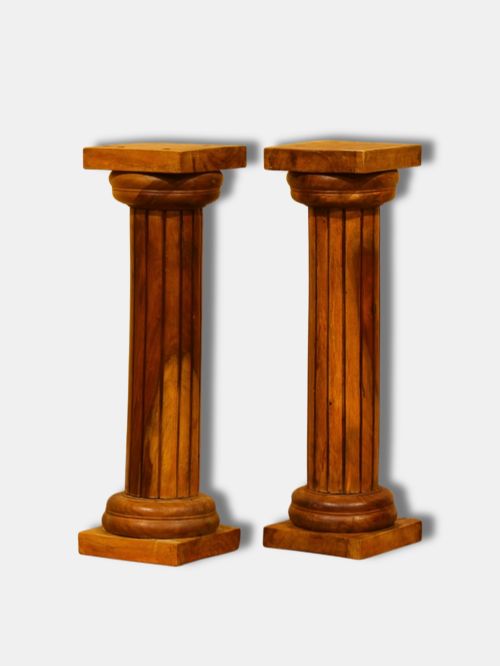
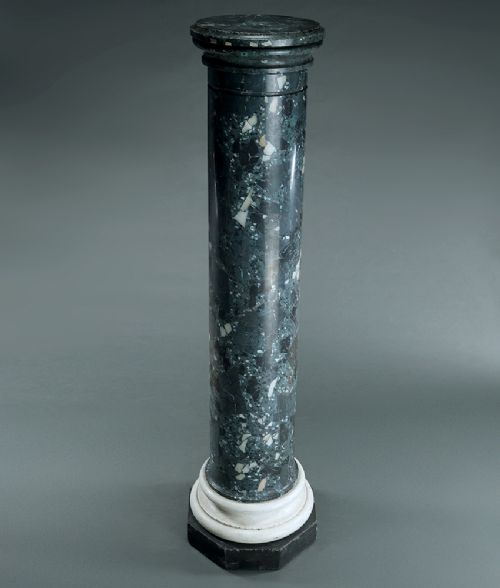
The selection here includes matched pairs in hardwood, painted plaster, and scagliola marble, alongside Grand Tour examples and carved wood pedestals with secret compartments. French origins and nineteenth-century periods dominate the forms available.
How they were made
Materials span natural stone and timber, with scagliola used to imitate luxurious marbles like Verde Antico, Bardiglio, and Carrara. Plaster, gesso, and pine receive paint and parcel gilt finishes to resemble solid stone or bronze.
Hardwood is turned and carved to create classical column pedestals, sometimes incorporating concealed joinery or secret compartments within the structure.
Neoclassical Architectural Pillars Retail Price Guide 2026
Typical asking prices for neoclassical architectural pillars among the pieces listed under this phrase on Sellingantiques today, from the lower quarter to the upper quarter. They describe what is for sale here now, not the wider market.
One nineteenth-century carved wood pedestal conceals a secret compartment, hiding small treasures inside classical dignity.
What varies in quality
Quality rests on the fidelity of the classical detailing and the integrity of the materials, whether genuine marble or pigmented scagliola. Hand-carved hardwood and crisp plaster moulding reveal the maker's hand more clearly than mass-produced alternatives.
The sophistication of the surface finish, from faux marble effects to parcel gilding on wood, dictates the visual weight and authenticity of the piece.
The Neoclassical Architectural Pillars Glossary
- Scagliola
- A composite material made from selenite, glue, and pigments, embedded to imitate various types of marble. It allows artisans to shape complex column shafts and bases with stone-like finishes.
- Grand Tour
- A cultural journey undertaken by nineteenth-century elites, resulting in the acquisition of miniature or architectural souvenirs like marble and scagliola columns.
- Socle
- A short plain plinth or pedestal supporting a column or bust. It provides a stable foundation for the base of the shaft.
- Plinth
- The heavy square slab beneath the base of a column. It elevates the entire architectural element off the floor.
Neoclassical Architectural Pillars: Frequently Asked Questions
What are neoclassical architectural pillars used for?
These pieces function primarily as display stands for art, urns, or sculptures within a room. They add architectural height and formal balance to an interior space.
Historically, they were also collected as souvenirs or used to create deliberate sightlines and focal points in grand drawing rooms.
How do I identify scagliola?
Scagliola feels warmer to the touch than natural stone and lacks cold mineral veining. Under close inspection, the surface reveals a smooth plaster matrix inlaid with coloured pastes.
This technique permitted makers to create complex marble patterns without carving intractable blocks of stone.
Are these pillars structural?
The columns and pedestals listed here are decorative display pieces rather than load-bearing architectural supports. They are engineered to carry sculpture or lamps, not ceiling weights.
Placing them correctly in a room ensures stability without risking damage to the timber or plaster.
How do I care for painted plaster pedestals?
Painted and gesso surfaces require dry dusting with a soft brush to prevent moisture damage. Avoid liquid cleaners that can soften the underlying plaster or lift the paint.
Keeping them away from direct sunlight preserves the original pigments and parcel gilding.