




Carved Wooden Display Pillars
Carved wooden display pillars bring height and structure to interiors, holding lamps, urns and sculptures with architectural gravity.
Carved Wooden Display Pillars
Carved wooden display pillars serve as architectural supports and elevated stages for decorative objects inside fine rooms. These pieces encompass pedestals, columns, torchieres, and lantern stands designed to lift sculptures, urns, and lighting above floor level.
The versions most commonly met span the eighteenth, nineteenth, and early twentieth centuries, drawing upon classical, baroque, and neoclassical traditions. Examples range from rustic country house oak supports to French neoclassical hardwood pedestals and elaborate Chinese hardwood dragon lantern stands.
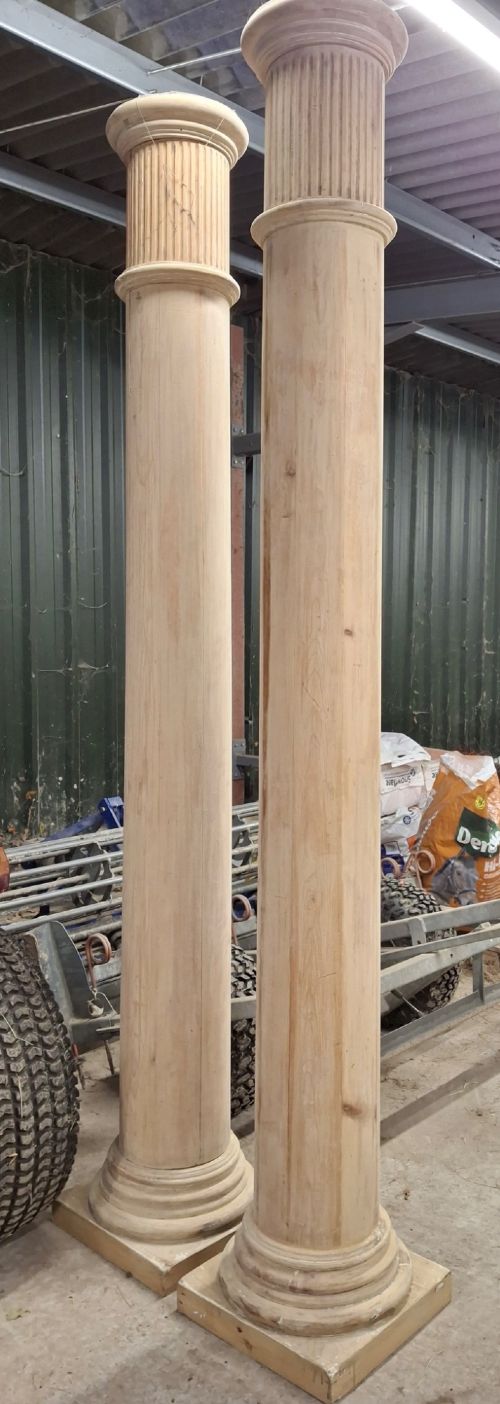
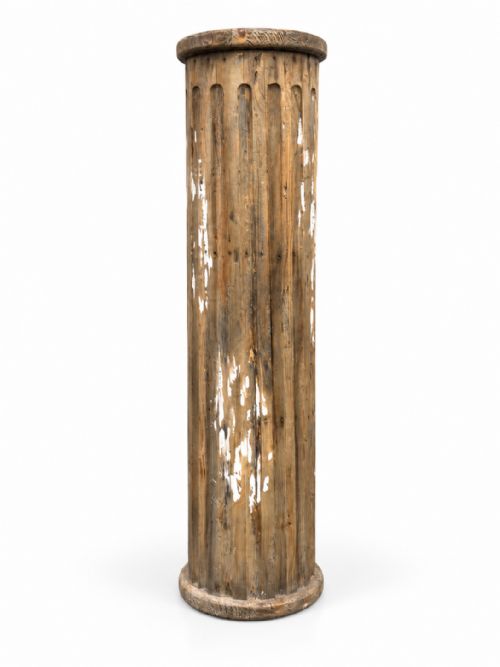
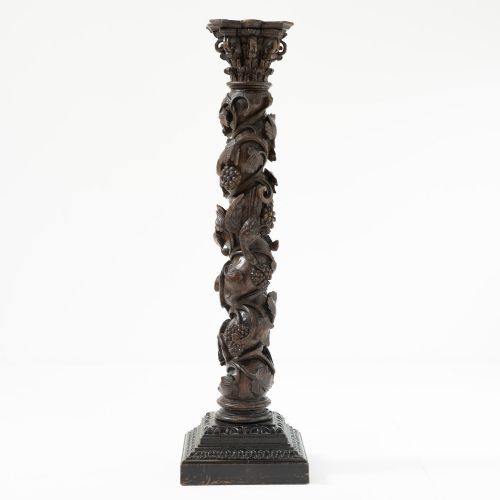
Forms vary from straightforward spiral pillars and fluted columns to grand scale painted and parcel gilt varieties. Certain pieces incorporate functional surprises, such as secret compartments hidden within the timber structure.
Materials and construction methods
Makers utilised a variety of solid timbers and veneers, including native oak, pine, dense hardwoods, burr walnut, and exotic macassar ebony. These woods were turned on lathes, joined, and hand-carved with architectural motifs or figurative details.
Surface treatments included wax polishing for natural grains, paint and parcel gilt highlights, and intricate sculptural carving. Structural integrity was achieved through heavy timber construction, seen in grand scale columns combining stone and wood elements.
Carved Wooden Display Pillars Retail Price Guide 2026
Typical asking prices for carved wooden display pillars among the pieces listed under this phrase on Sellingantiques today, from the lower quarter to the upper quarter. They describe what is for sale here now, not the wider market.
Materials recorded across the inventory range from basic pine and timber to exotic hardwoods, burr walnut, macassar ebony, and even combinations of stone and wood.
Distinctions in craftsmanship
Quality rests upon the depth and precision of the hand-carving, the selection of timber figures such as burr walnut or macassar ebony, and the architectural proportions. Superior examples demonstrate crisp execution in classical capitals, fluting, and figural work.
The stability of the base and the integrity of the joints dictate durability, particularly on grand scale or slender torchiere forms. Finer pieces maintain harmonious balance between the capital, shaft, and plinth, avoiding awkward transitions in form.
The Carved Wooden Display Pillars Glossary
- Torchiere
- A tall stand or pedestal originally designed to carry a torch or candle, later adapted for electric lamps. These slender supports elevate light sources to illuminate dark corners.
- Solomonic
- A column characterised by a helical twist or spiral shaft, reminiscent of classical temple architecture. This dynamic form creates strong vertical movement and visual rhythm.
- Capital
- The uppermost member of a column or pillar, providing structural support for the entablature or object above. It often displays intricate carving such as acanthus leaves or classical moulding.
- Plinth
- The heavy square or rectangular slab at the base of a column or pedestal. It grounds the vertical structure and ensures stability on the floor.
- Parcel Gilt
- A decorative technique where selected areas of a wooden object are partially covered in gold leaf. This method highlights specific carved details against a painted or polished wood background.
Carved Wooden Display Pillars: Frequently Asked Questions
What were carved wooden display pillars used for?
These pillars functioned primarily as heavy structural supports to elevate vases, bronze sculptures, and lighting fixtures in formal reception rooms and hallways. They allowed homeowners to display prized possessions at eye level where architectural details could be fully appreciated.
In addition to simple display duties, specific forms like torchieres held lamps to brighten dark corners, while specialised pieces such as lantern stands supported ceremonial lighting.
How do I style a display pillar at home?
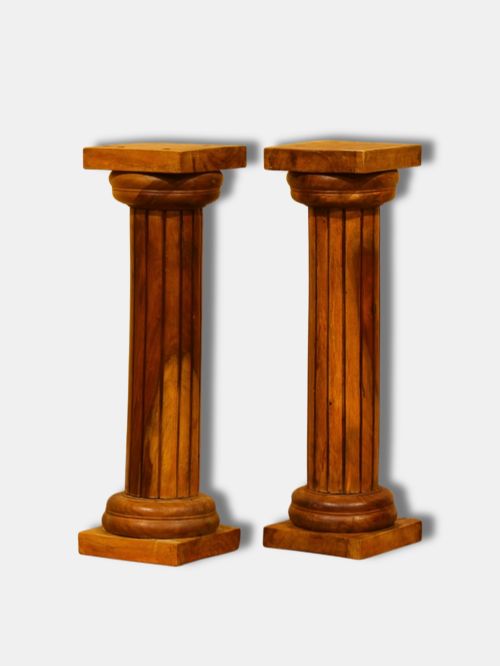
Place a single column in an empty corner, or flank a doorway and fireplace with a matching pair for architectural symmetry. The top surface suits heavy bronze figures, ceramic urns, or large table lamps that benefit from elevation.
Ensure the weight of the object placed on top matches the visual heft of the wooden base to maintain stability and proportion within the room.
How can I tell the period of a pillar?
Dating relies on identifying the prevailing design style, such as neoclassical fluting, baroque twists, or geometric art deco lines. Material choices also offer clues, as early pieces typically utilise native oak or pine, while later Victorian and twentieth-century examples incorporate exotic hardwoods.
Tool marks, joinery methods, and wear patterns on the underside or base further help establish the age of the timber construction.
Are pairs common for these columns?
Matched pairs do appear, particularly in French neoclassical and nineteenth-century architectural formats intended to frame doorways, windows, or fireplace mantels. Near pairs also occur, showing slight variations in hand-carved detail or height due to their individual origins.
Single pillars are equally prevalent, having survived independently as focal points for standalone sculptures or large floral arrangements.