

French Wooden Columns
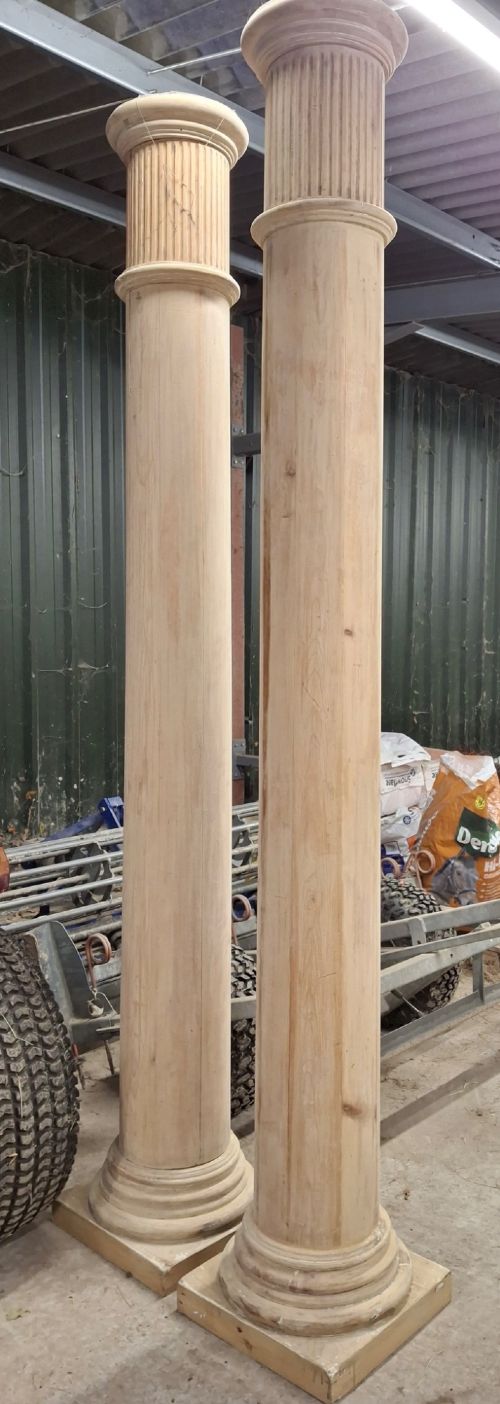
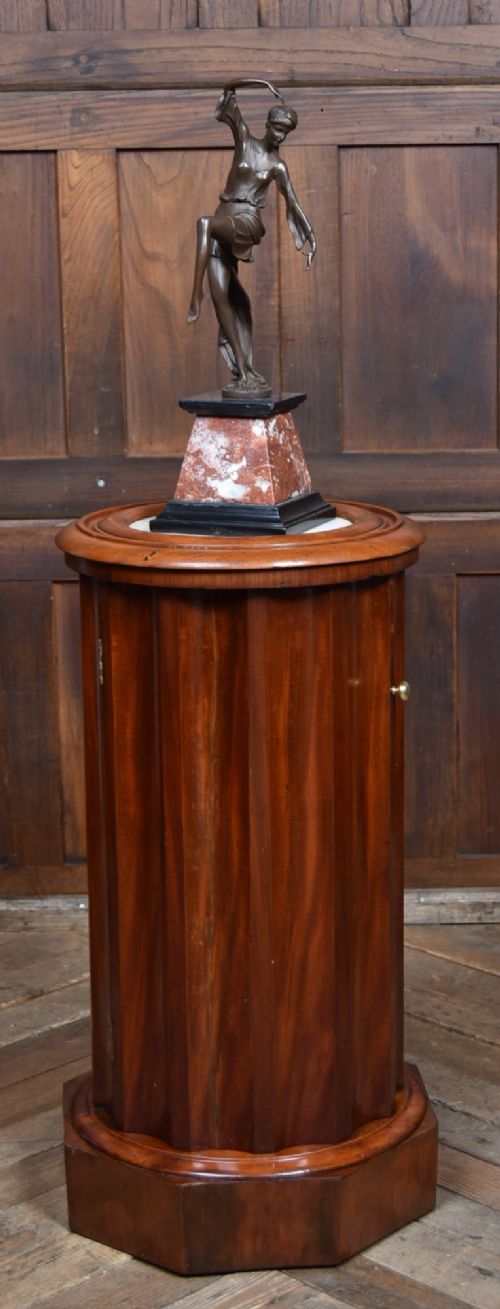
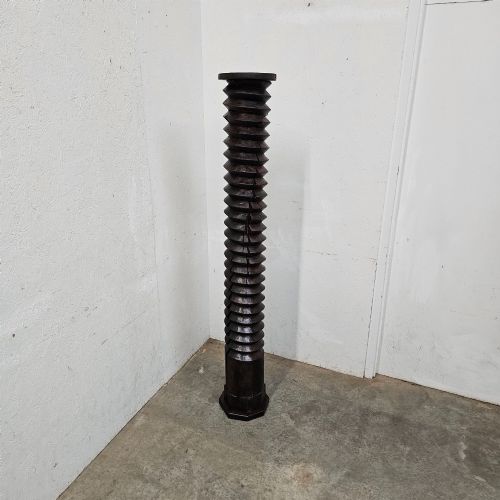
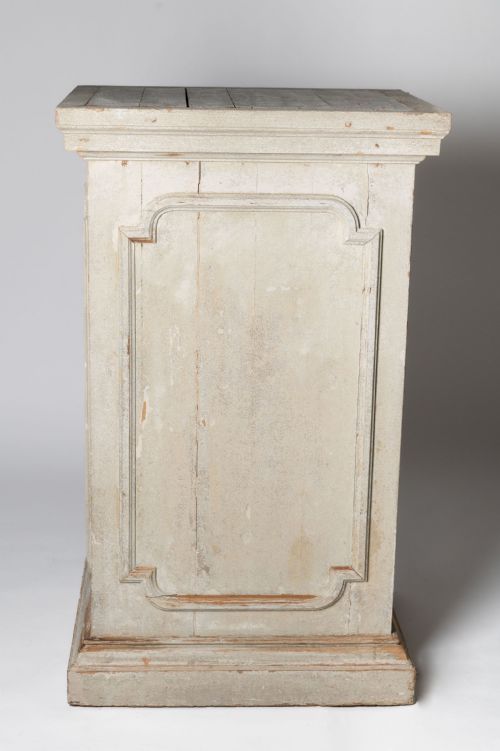
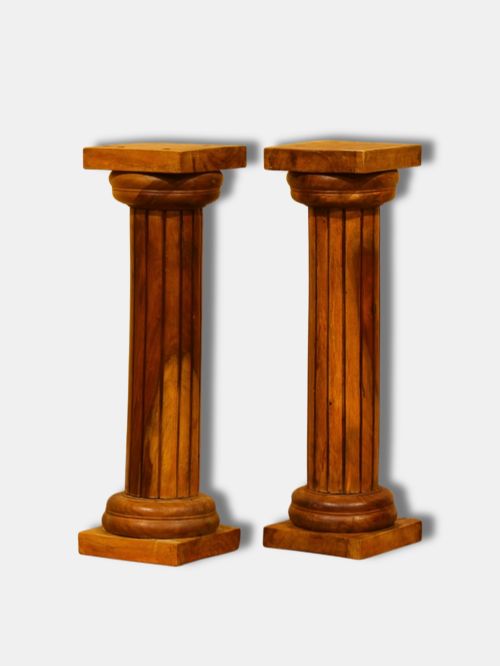
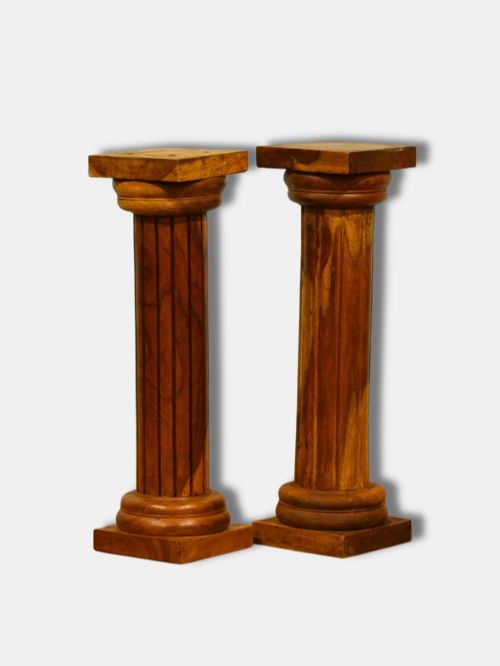
French wooden columns bring architectural weight and proportion to a room, functioning as pedestals, torchieres, and structural clock cases.
French Wooden Columns
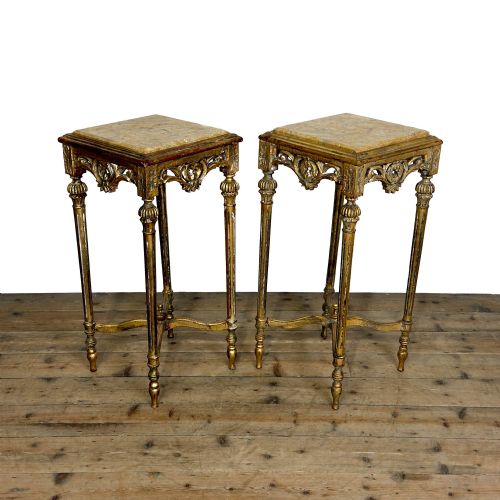
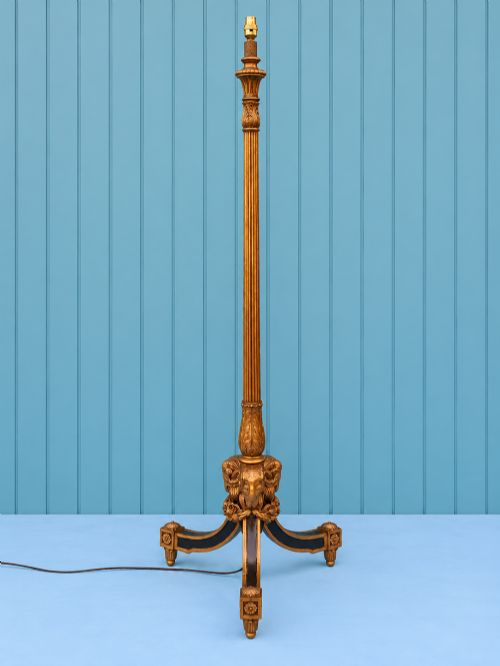
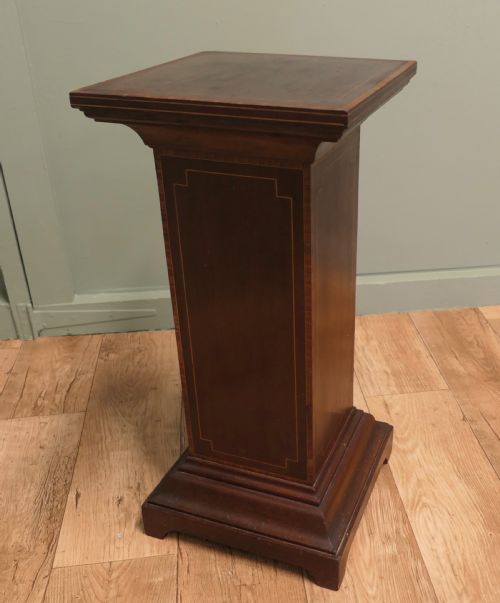
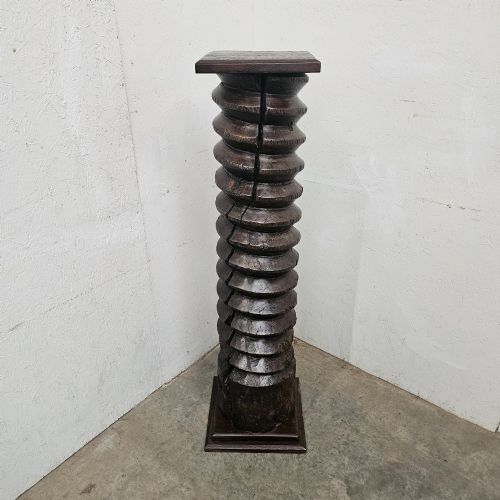
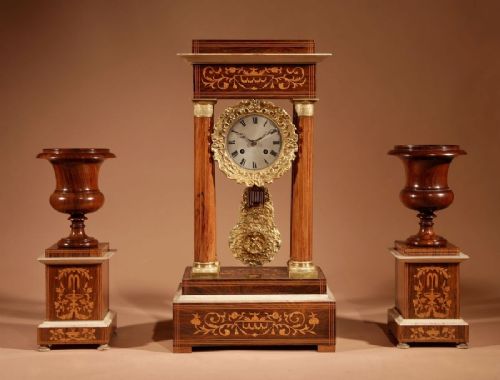
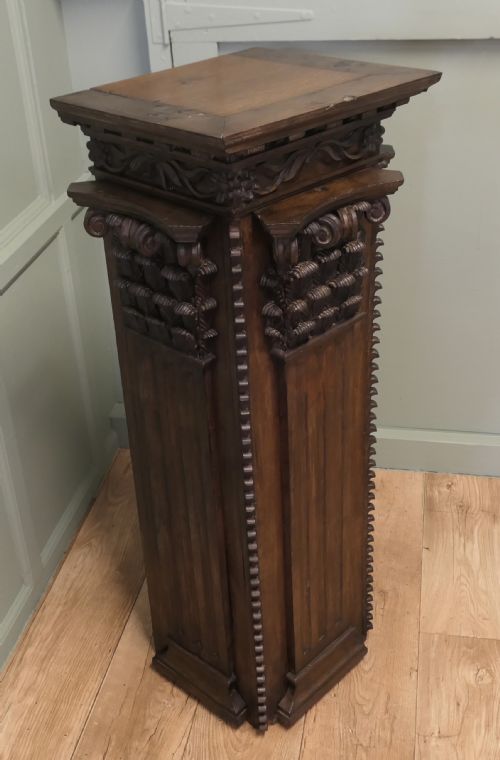
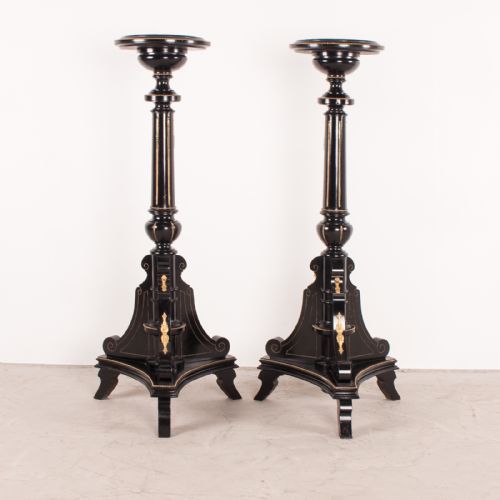
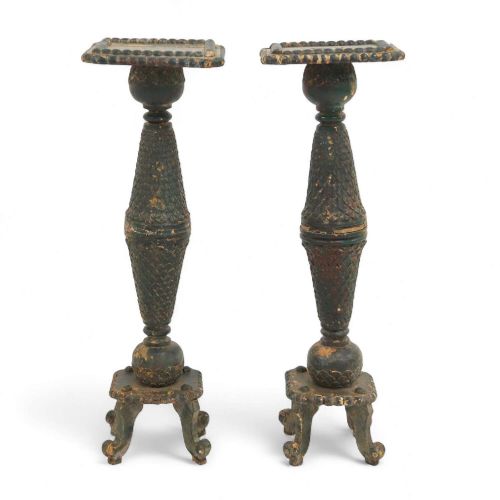
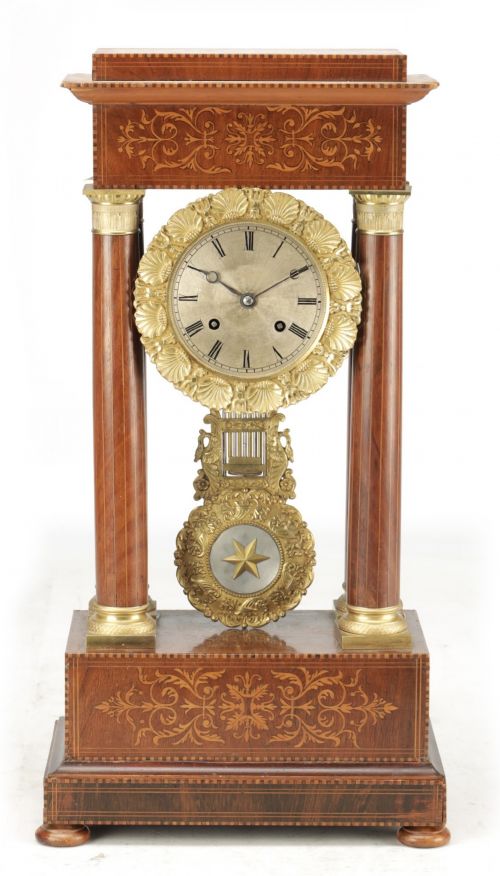
When buyers search for french wooden columns, they encounter architectural supports and display pieces spanning from the eighteenth century into the twentieth century. These items manifest primarily as pedestals, display columns, and torcheres, alongside clock cases sharing the portico form.
The material record shows solid hardwoods, mahogany, walnut, and oak, frequently paired with applied finishes such as paint, giltwood, gesso, and ebonising. Neoclassical, Louis XVI, and French Empire styles dominate the design vocabulary across these pieces.
How they were made
Makers shaped structural timber through hand-carving and turning, building upright forms designed to bear weight or elevate objects. Structural integrity depended on dense hardwoods such as oak, mahogany, and walnut.
Surface decoration involved layering gesso, gilding with gold leaf, applying paint schemes, or ebonising the timber to imitate more costly materials. Ormolu mounts and inlay work provided further ornamentation on classical forms.
French Wooden Columns Retail Price Guide 2026
Typical asking prices for french wooden columns among the pieces listed under this phrase on Sellingantiques today, from the lower quarter to the upper quarter. They describe what is for sale here now, not the wider market.
At least one nineteenth-century column pair carries a recorded maker's signature, marking it out among anonymous architectural woodwork.
What varies in quality
Quality rests in the precision of the timber carving, the crispness of applied gesso and giltwood details, and the integrity of the underlying construction. Pieces displaying hand-carved classical motifs demonstrate superior craftsmanship compared to simpler turned variants.
The survival of original surfaces, whether period paint, ebonising, or gilding, separates standard items from those retaining exceptional decorative presence.
Marguerite
The French Wooden Columns Glossary
- Torchiere
- A tall stand or pedestal designed to support a lamp or candle. These slender supports frequently feature carved or gilded wooden shafts.
- Portico clock
- A mantel clock housed within a architectural frame supported by columns. This neoclassical form gained popularity during the late eighteenth and nineteenth centuries.
- Gesso
- A plaster-based material applied to wood surfaces to create a smooth base for gilding or painting. Relief ornamentation is often moulded directly into this layer.
- Ormolu
- Gilded bronze mounts applied to furniture and clock cases. This decorative technique enhances neoclassical and empire designs.
- Ebonised wood
- Timber treated to resemble ebony through staining or painting. This dark finish appears frequently on nineteenth-century stands and clock columns.
French Wooden Columns: Frequently Asked Questions
What are french wooden columns used for?
These pieces serve primarily as elevated stands for sculpture, vases, or lighting fixtures. They function to draw the eye upward and introduce classical proportions into interior spaces.
Certain architectural forms, such as portico clock cases, integrate columns directly into timepieces to frame the dial.
How do I identify french wooden columns?
Look for stylistic markers associated with neoclassical, Louis XVI, and French Empire designs, including fluted shafts and decorative capitals. Materials typically comprise carved hardwoods combined with giltwood, paint, or ebonised finishes.
Dates generally range from the eighteenth century through the early twentieth century, indicated by construction methods and surface wear.
Where should I place a pedestal column?
Pedestal columns suit corners, hallways, or living spaces where an elevated display surface enhances sculptural objects or plants. Their vertical orientation adds architectural interest to plain walls.
Ensure the placement allows adequate clearance around the base to prevent accidental knocks.
How do I care for antique wood columns?
Maintain wood surfaces by dusting regularly with a soft, dry cloth. Avoid exposure to direct sunlight and moisture fluctuations to protect original paint, gesso, and gilding.
Refrain from using abrasive cleaners or modern polishes that can degrade historical finishes.